We can't find the internet
Attempting to reconnect
Something went wrong
Hang in there while we get back on track

£89.94
It has never been this cheap. We have no record of a lower price.
£90 today · cheaper than every other day in the last 3 months
Springer New Advances on Chaotic Intermittency and its Applications
We'll watch every seller, every day. One email when your price arrives.
Price History & Forecast
Grey patches = out of stock. Cheaper = lower on the chart. Hover for exact prices.
Last 61 days · 61 data points (no recent data)
NEW HERE?
Amazon shows you one price. We show you all of them.
Tosheroon watches Amazon prices so you don't have to. Every product on Amazon has a price history — we make it visible. Set the price you'd actually pay, and we'll email you the second it gets there. No app, no account, one email.
WHAT'S ON THIS PAGE
when this has been cheap or pricey
where the price is heading next
all-time high & low, recent range
name your number, we'll email you
Price Distribution
Price distribution over 61 days • 1 price levels
Price Analysis
Most common price: £90 (61 days, 100.0%)
Price range: £90 - £90
Price levels: 1 different prices over 61 days
Description
Product Specifications
- Brand
- Springer
- Format
- paperback
- ASIN
- 3319838369
- Category
- Books > Subjects > Reference
- Domain
- Amazon UK
- Release Date
- 07 July 2018
- Listed Since
- 09 July 2018
Barcode
No barcode data available
Similar Products You Might Like

Amorphis Borderland - Dancing Shadow Splatter 2LP + Digi-CD
REIGINING PHOENIX MUSIC

INTERSCOPE Me Against The World - Tupac CD Album
INTERSCOPE

Nigel Lewis and The Zorchmen - Ain't What I Call Rock'N'Roll Vinyl
Lewis, Nigel & The Zorchmen
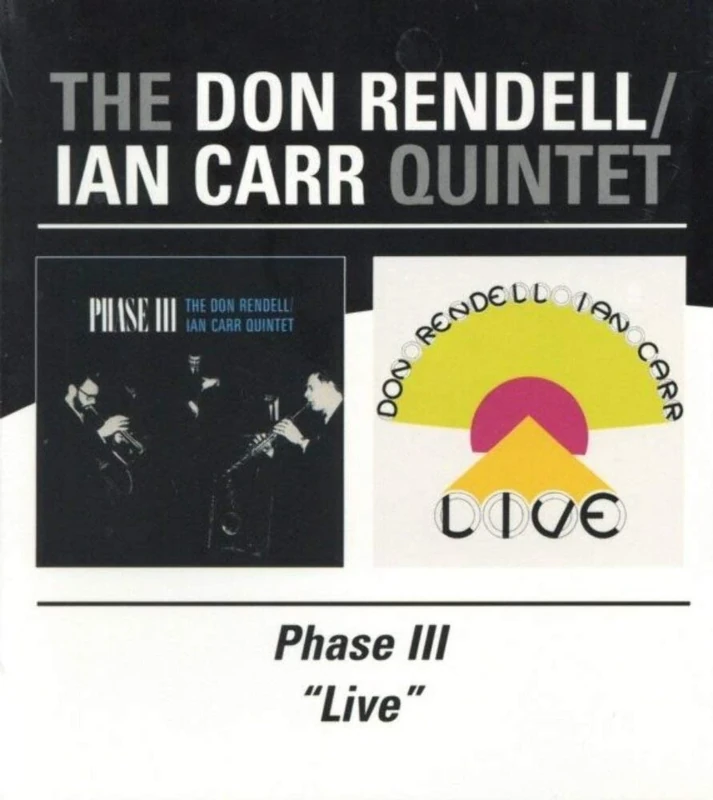
BGO Phase III / Live - 2 CD Music Set - BGOCD614
BGO

After the Sun Goes Down Vinyl - Sony Music Canada Pop Record
SONY MUSIC CANADA ENTERTAINMENT INC.
![GONE WITH THE FLOW + TRIALITY [VINYL]](/uploads/images/products/2/B0DNGVH7RW/b95e38a9-35ed-476e-a0a5-287c782116c7.webp)
GONE WITH THE FLOW + TRIALITY [VINYL]
OUT OF LINE
Price unavailable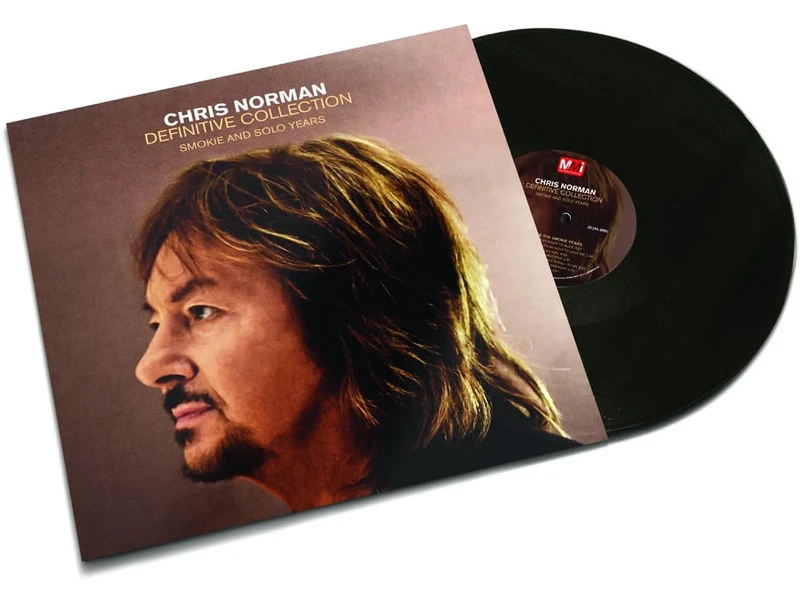
Smokie and Solo Years Definitive Collection - Vinyl LP
InnerSleeve

Cherry Red Andrew Gold - Lonely Boy: The Asylum Years 6CD/DVD
CHERRY RED
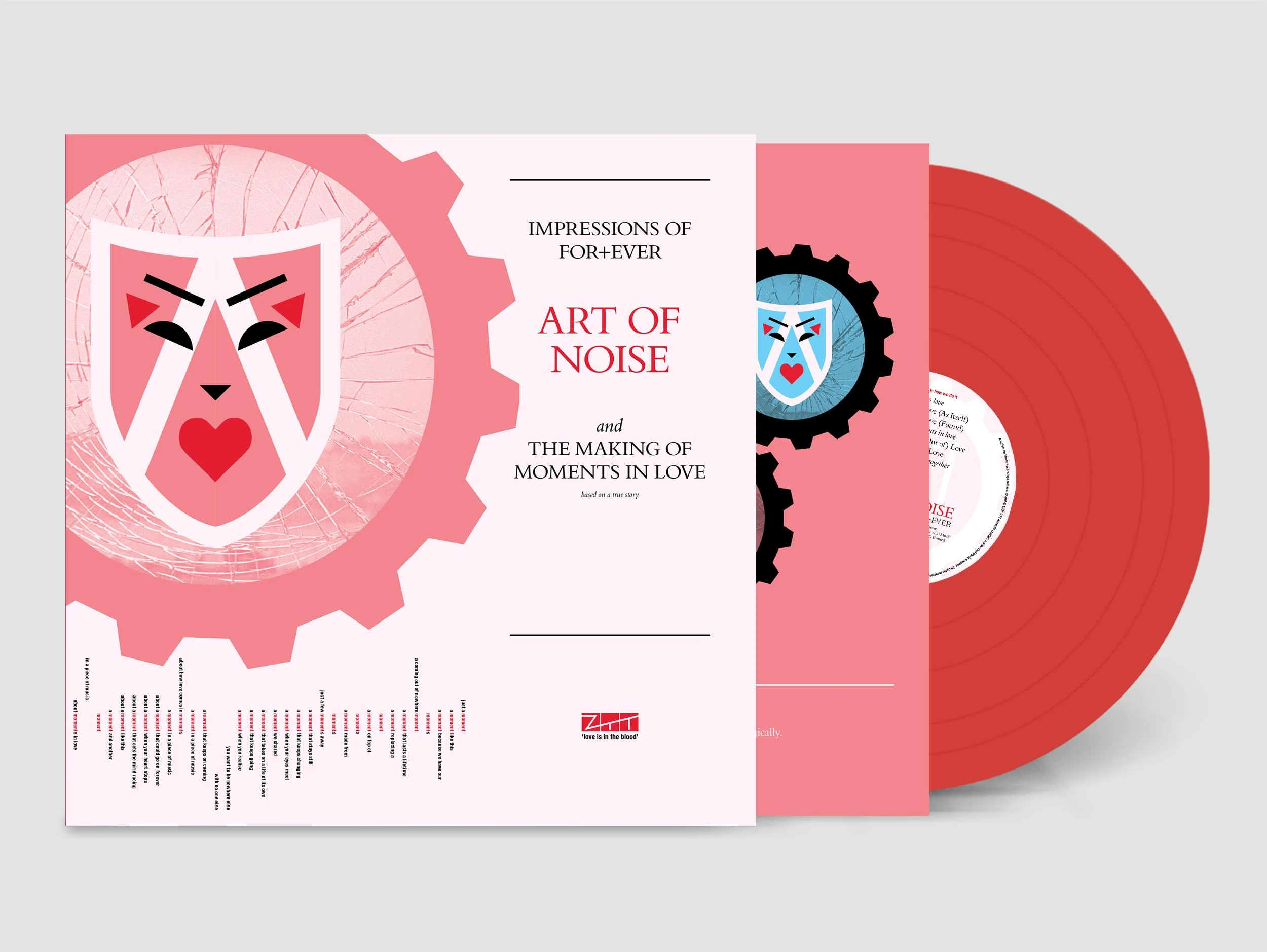
Art Of Noise - Impressions Of Forever Vinyl - Coloured Vinyl
Universal Import
![Moon Music [VINYL]](/uploads/images/products/2/B0D7FTD13D/51cd8011-089d-4e30-af9a-3b877c538c68.webp)
Moon Music [VINYL]
Parlophone

Kommer Med Fred - Bertus CD Album - Classic Rock
Bertus

The Members - At The Coach House Vinyl (Magenta) - New
CADIZ -ANGLOCENTRIC RECORDINGS

Pacific Breeze Vol 3: Japanese City Pop Vinyl (Pink 2LP)
Zach Top
Price unavailable
Nanci Griffith - Other Voices, Other Rooms Vinyl - Rhino
Rhino

William Basinski - The Disintegration Loops (Vinyl) - Arcadia Archive
Temporary residence

Foghat Live At The Belly Up CD - Metalville Rock Blues Rock
METALVILLE

Will Wood - The Normal Album CD - New Release
Price unavailable
The Gloaming - Live At The NCH CD - Real World Records
Real World
![The Ballad of Darren (Vinile Blu Esclusiva Indie) [VINYL]](/uploads/images/products/2/B0C5S6V1YD/006b4f83-7cd8-4830-a4fb-72366c78b317.webp)
The Ballad of Darren (Vinile Blu Esclusiva Indie) [VINYL]
Parlophone

Otra
Prophecy
Crimson Todd Terje Ragysh 12 inch Vinyl - New Release
Crimson
Moondark - The Abysmal Womb CD - Heavy Metal Music
PULVERISED

Sweet - Live at the Marquee 1986 CD - Edel Rock Music
EDEL
![CRITICAL STAGE (LIMITED RED/YELLOW TRANSPARENT VINYL 2LP) [VINYL]](/uploads/images/products/2/B0DTJMQRD4/601b0fbd-c0ff-4c02-a0bb-dce4d512f55f.webp)
CRITICAL STAGE (LIMITED RED/YELLOW TRANSPARENT VINYL 2LP) [VINYL]
OUT OF LINE