We can't find the internet
Attempting to reconnect
Something went wrong
Hang in there while we get back on track
£101.05
It has never been this cheap. We have no record of a lower price.
£101 today · cheaper than every other day in the last 3 months
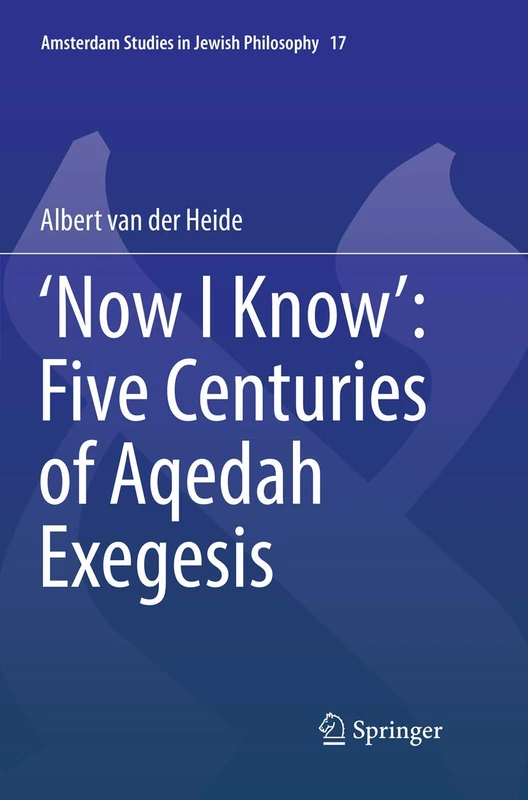
Springer ‘Now I Know’: Five Centuries of Aqedah Exegesis: 17 (Amsterdam Studies in Jewish Philosophy, 17)
We'll watch every seller, every day. One email when your price arrives.
Price History & Forecast
Grey patches = out of stock. Cheaper = lower on the chart. Hover for exact prices.
Last 47 days · 47 data points (no recent data)
NEW HERE?
Amazon shows you one price. We show you all of them.
Tosheroon watches Amazon prices so you don't have to. Every product on Amazon has a price history — we make it visible. Set the price you'd actually pay, and we'll email you the second it gets there. No app, no account, one email.
WHAT'S ON THIS PAGE
when this has been cheap or pricey
where the price is heading next
all-time high & low, recent range
name your number, we'll email you
Price Distribution
Price distribution over 47 days • 1 price levels
Price Analysis
Most common price: £101 (47 days, 100.0%)
Price range: £101 - £101
Price levels: 1 different prices over 47 days
Description
Product Specifications
- Brand
- Springer
- Format
- paperback
- ASIN
- 3319837575
- Domain
- Amazon UK
- Release Date
- 20 July 2018
- Listed Since
- 20 July 2018
Barcode
No barcode data available
Similar Products You Might Like
Second Slayings: The Binding of Isaac and the Formation of Jewish Cultural Memory: 24 (Judaism in Context)
Gorgias Press
The Commentators' Bible: Leviticus: The Rubin JPS Miqra'ot Gedolot: 2
Jewish Publication Society
Bloomsbury What Does Eve Do To Help? - Old Testament Study
Bloomsbury
Price unavailable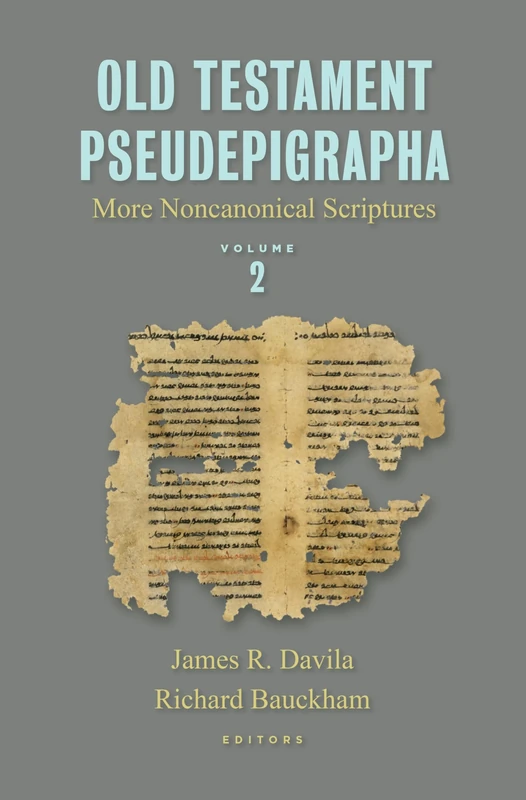
Eerdmans Old Testament Pseudepigrapha Vol 2 - Noncanonical
Wm. B. Eerdmans
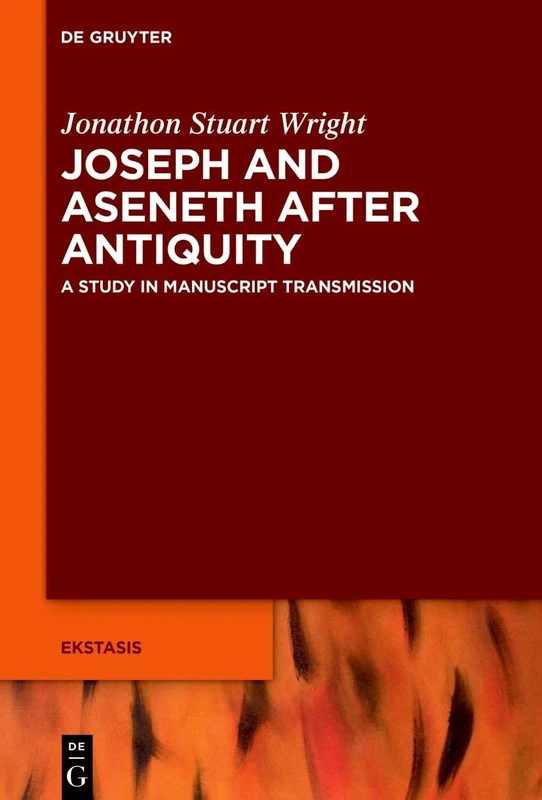
De Gruyter Joseph and Aseneth - Manuscript Transmission Study
De Gruyter
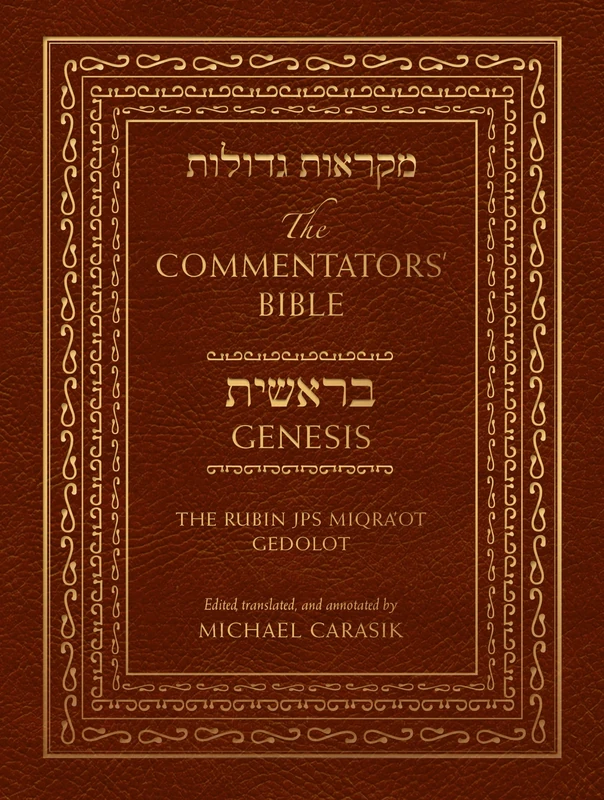
JPS Miqra'ot Gedolot - The Commentators' Bible: Genesis
Jewish Publication Society
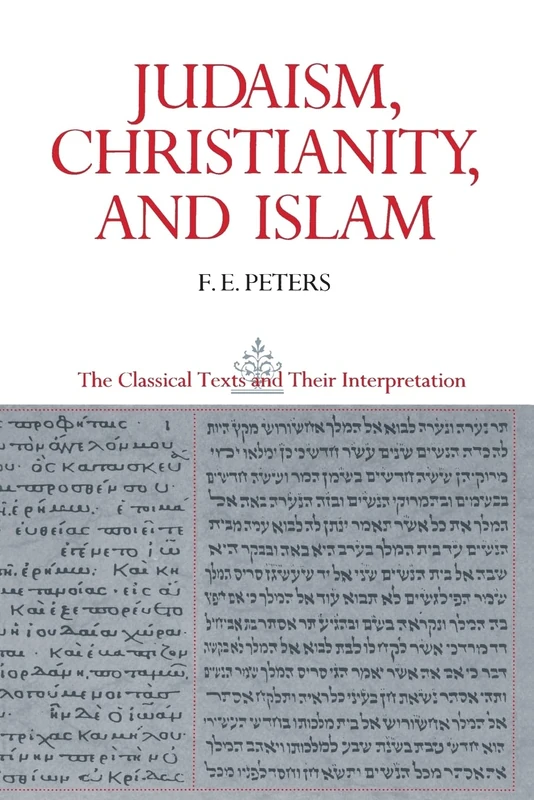
Judaism, Christianity, and Islam: The Classical Texts and Their Interpretation, Volume II: The Word and the Law and the People of God
Princeton University Press
Mohr Siebeck Theology from the Beginning - Genesis Essays
Mohr Siebeck
Genesis 25B-50 (Smyth & Helwys Bible Commentary series)
Divine Substitution: Humanity as the Manifestation of Deity in the Hebrew Bible and the Ancient Near East (Forschungen zur Religion und Literatur des Alten und Neuen Testaments): 247
Vandenhoeck & Ruprecht

1. Mose (Genesis) 1-11: Die Urgeschichte Gen 1-11 (Das Alte Testament Deutsch (ATD) - NeubearbeitungenNeues Göttinger Bibelwerk: Band 001)
Vandenhoeck & Ruprecht
A New Glimpse of Day One: Intertextuality, History of Interpretation, and Genesis 1.1-5: 172 (Beihefte zur Zeitschrift fur die Neutestamentliche Wissenschaft, 172)
De Gruyter
Creating Gender in the Garden: The Inconstant Partnership of Eve and Adam: 729 (The Library of Hebrew Bible/Old Testament Studies)
Bloomsbury

The Jewish Law Annual Volume 16
Routledge
Abraham in Jewish and Early Christian Literature (The Library of Second Temple Studies): 93
Bloomsbury
Genesis 1-25A Smyth & Helwys Bible Commentary Series
The Matriarchs in Genesis Rabbah: 96 (The Library of Second Temple Studies)
Bloomsbury
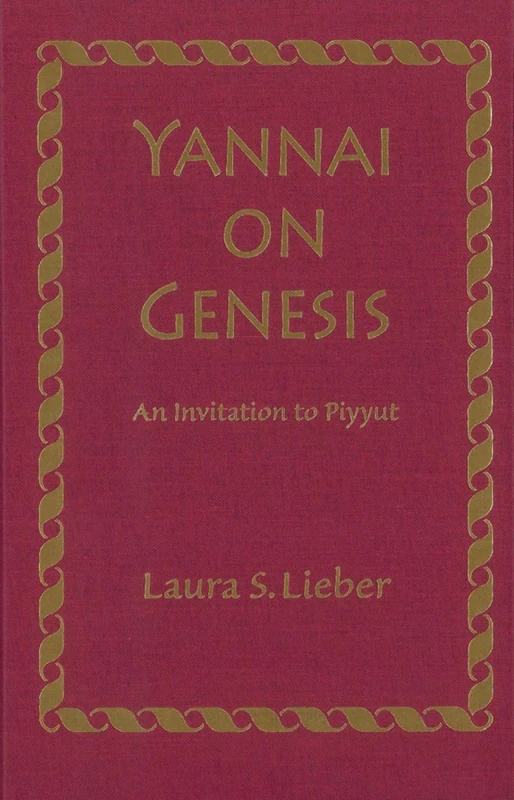
Yannai on Genesis (Monographs of the Hebrew Union College): An Invitation to Piyyut: 36
Hebrew Union College Press
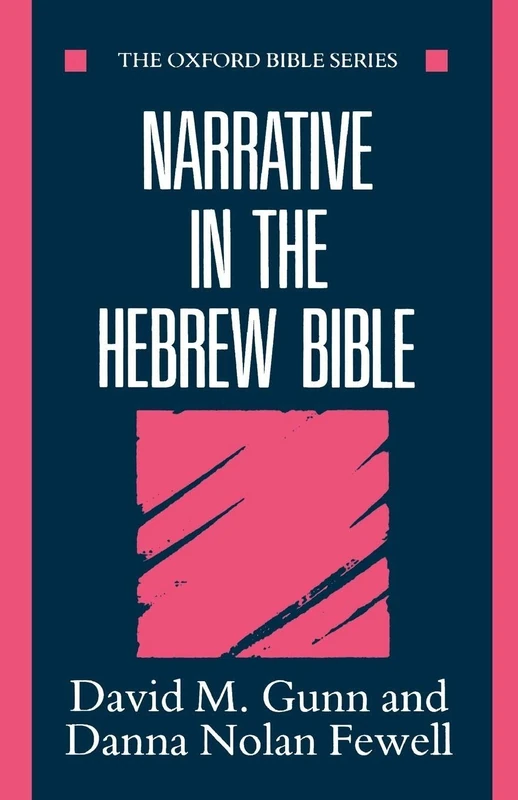
GUNN,FEWELL:NARRATIVE IN HEBREW BIBLE OBS PAPER (Oxford Bible Series)
Oxford University Press
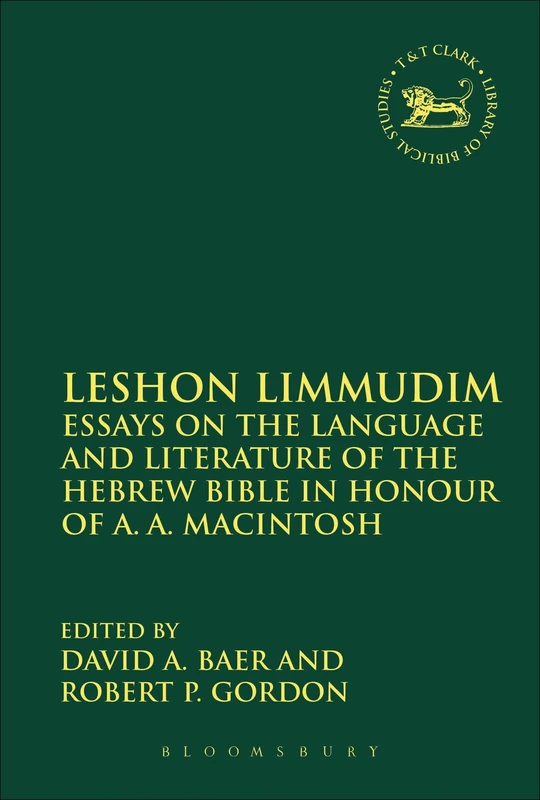
Leshon Limmudim: Essays on the Language and Literature of the Hebrew Bible in Honour of A.A. Macintosh: 593 (The Library of Hebrew Bible/Old Testament Studies)
Bloomsbury
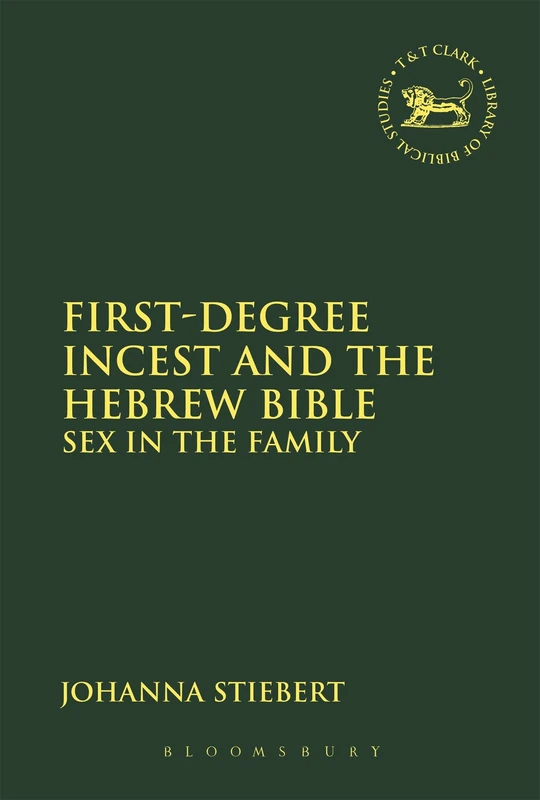
First-Degree Incest and the Hebrew Bible: Sex in the Family: 596 (The Library of Hebrew Bible/Old Testament Studies)
Bloomsbury
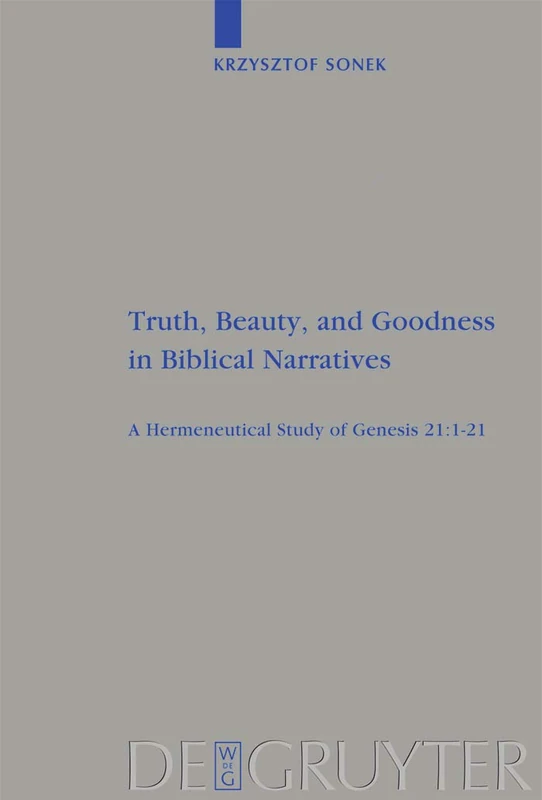
Truth, Beauty, and Goodness in Biblical Narratives: A Hermeneutical Study of Genesis 21:1-21: 395 (Beihefte zur Zeitschrift fur die Alttestamentliche Wissenschaft, 395)
De Gruyter
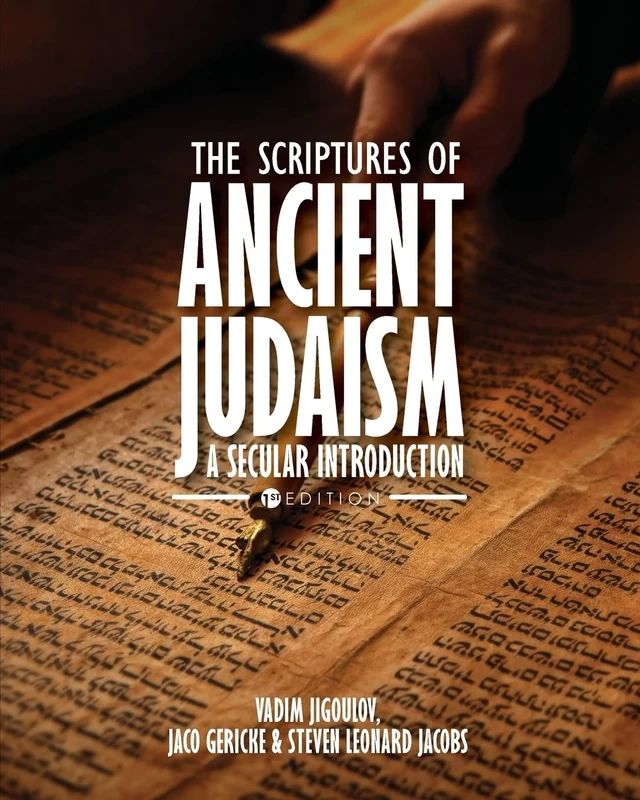
The Scriptures of Ancient Judaism: A Secular Introduction
Cognella Academic Publishing
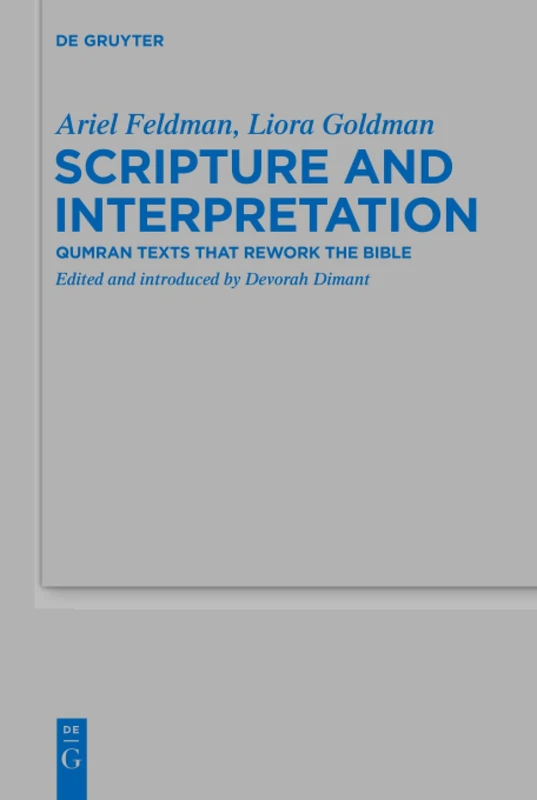
Scripture and Interpretation: Qumran Texts that Rework the Bible: 449 (Beihefte zur Zeitschrift fur die Alttestamentliche Wissenschaft, 449)
De Gruyter