We can't find the internet
Attempting to reconnect
Something went wrong
Hang in there while we get back on track

£65.61
Adis Ketamine for Treatment-Resistant Depression: The First Decade of Progress
Price data checked 7 days ago
We'll watch every seller, every day. One email when your price arrives.
This is the most expensive it has ever been. Walk away.
£66 today · previous high £66 · all-time low £66
NEW HERE?
Amazon shows you one price. We show you all of them.
Tosheroon watches Amazon prices so you don't have to. Every product on Amazon has a price history — we make it visible. Set the price you'd actually pay, and we'll email you the second it gets there. No app, no account, one email.
WHAT'S ON THIS PAGE
when this has been cheap or pricey
where the price is heading next
all-time high & low, recent range
name your number, we'll email you
Price History & Forecast
Grey patches = out of stock. Cheaper = lower on the chart. Hover for exact prices.
Last 84 days · 84 data points (no recent data)
Price Distribution
Price distribution over 84 days • 1 price levels
Price Analysis
Most common price: £66 (84 days, 100.0%)
Price range: £66 - £66
Price levels: 1 different prices over 84 days
Description
Product Specifications
- Brand
- Adis
- Format
- paperback
- ASIN
- 3319826956
- Category
- Books > Subjects > Health, Family & Lifestyle > Health Issues > Illnesses & Conditions > Depression
- Domain
- Amazon UK
- Release Date
- 07 July 2018
- Listed Since
- 16 August 2018
Barcode
No barcode data available
Similar Products You Might Like

Neurobiology of Depression: Road to Novel Therapeutics
Elsevier

Ketamine for Treatment-Resistant Depression: Neurobiology and Applications
Elsevier

Trace Amines and Neurological Disorders: Potential Mechanisms and Risk Factors
Elsevier

Herbal Treatment of Major Depression: Scientific Basis and Practical Use (Clinical Pharmacognosy Series)
CRC Press

Melatonin, Neuroprotective Agents and Antidepressant Therapy
Springer

New Rapid-acting Antidepressants (Contemporary Clinical Neuroscience)
Springer

Managing Treatment-Resistant Depression: Road to Novel Therapeutics
Elsevier

Neuro-Psychopharmaka Ein Therapie-Handbuch: Band 3: Antidepressiva, Phasenprophylaktika und Stimmungsstabilisierer
Springer

Difficult to Treat Depression: A Carlat Guide
Carlat Publishing, LLC

Massachusetts General Hospital Psychopharmacology and Neurotherapeutics
Elsevier
Drug Discovery for Psychiatric Disorders: Volume 28 (Drug Discovery Series)
Royal Society of Chemistry
Clinical Handbook of Psychotropic Drugs
Hogrefe Verlag GmbH + Co.
Molecular Neuropharmacology: A Foundation for Clinical Neuroscience, Fourth Edition (INTERNAL MEDICINE)
McGraw-Hill Education

The Myth of Depression as Disease: Limitations and Alternatives to Drug Treatment (Contemporary Psychology)
Bloomsbury

Understanding Depression: Volume 2 - Clinical Management & Treatment
Springer

Monoamine Oxidase Inhibitors: Clinical Pharmacology, Benefits, & Potential Health Risks
Duloxetine: Clinical Uses, Mechanism of Action and Efficacy
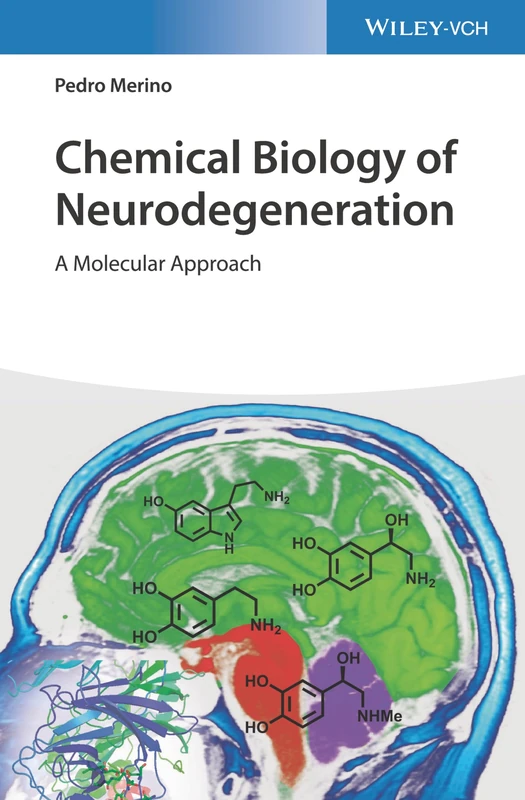
Chemical Biology of Neurodegeneration: Molecular Approach
Wiley

Molecular Psychiatry
MDPI AG

Neuropsychopharmacology of the Trace Amines: Experimental and Clinical Aspects (Experimental and Clinical Neuroscience)
Humana

Neuropsychopharmacology of the Trace Amines: Experimental and Clinical Aspects (Experimental and Clinical Neuroscience)
Humana

The Massachusetts General Hospital Guide to Depression: New Treatment Insights and Options (Current Clinical Psychiatry)
Humana

5-HT2C Receptors in the Pathophysiology of CNS Disease: 22 (The Receptors, 22)
Humana

Central Serotonin Receptors and Psychotropic Drugs (Frontiers in Pharmacology & Therapeutics)
Wiley
Price unavailable