We can't find the internet
Attempting to reconnect
Something went wrong
Hang in there while we get back on track

£87.45
It has never been this cheap. We have no record of a lower price.
£87 today · cheaper than every other day in the last 3 months
Springer Understanding Educational Psychology: A Late Vygotskian, Spinozist Approach: 3 (Cultural Psychology of Education, 3)
Price data last checked 29 day(s) ago - will refresh soon
We'll watch every seller, every day. One email when your price arrives.
Price History & Forecast
Grey patches = out of stock. Cheaper = lower on the chart. Hover for exact prices.
Last 62 days · 62 data points (no recent data)
Price data last checked 29 day(s) ago - will refresh soon
NEW HERE?
Amazon shows you one price. We show you all of them.
Tosheroon watches Amazon prices so you don't have to. Every product on Amazon has a price history — we make it visible. Set the price you'd actually pay, and we'll email you the second it gets there. No app, no account, one email.
WHAT'S ON THIS PAGE
when this has been cheap or pricey
where the price is heading next
all-time high & low, recent range
name your number, we'll email you
Price Distribution
Price distribution over 62 days • 1 price levels
Price Analysis
Most common price: £87 (62 days, 100.0%)
Price range: £87 - £87
Price levels: 1 different prices over 62 days
Description
Product Specifications
- Brand
- Springer
- Format
- paperback
- ASIN
- 3319819836
- Domain
- Amazon UK
- Release Date
- 22 April 2018
- Listed Since
- 24 April 2018
Barcode
No barcode data available
Similar Products You Might Like

Emotion – Feeling – Mood: Phenomenological and Pedagogical Perspectives: 12 (Phänomenologische Erziehungswissenschaft, 12)
Springer VS
Schools for Growth: Radical Alternatives To Current Education Models
Routledge

Contemporary Pioneers in Teaching and Learning (Contemporary Pioneers in Educational Psychology: Theory, Research, and Applications)
Information Age Publishing

Philosophy and the Metaphysical Achievements of Education: Language and Reason
Bloomsbury

Educational Encounters: Nordic Studies in Early Childhood Didactics: 4 (International Perspectives on Early Childhood Education and Development, 4)
Springer
The Science of Learning and Development: Enhancing the Lives of All Young People
Routledge
Student Teams That Get Results: Teaching Tools for the Differentiated Classroom
Corwin
Repositioning Out-of-School Learning: Methodological Challenges and Possibilities for Researching Learning Beyond School (Emerald Studies in Out-of-School Learning)
Routledge Building Better Schools - Evidence-based Policy Book
Routledge
Self-Regulated Learning and Academic Achievement: Theoretical Perspectives
Routledge
The Science of Learning and Development: Enhancing the Lives of All Young People
Routledge
Making Sense of Education: Fifteen Contemporary Educational Theorists in their own Words: 0 (Springerbriefs in Education)
Springer
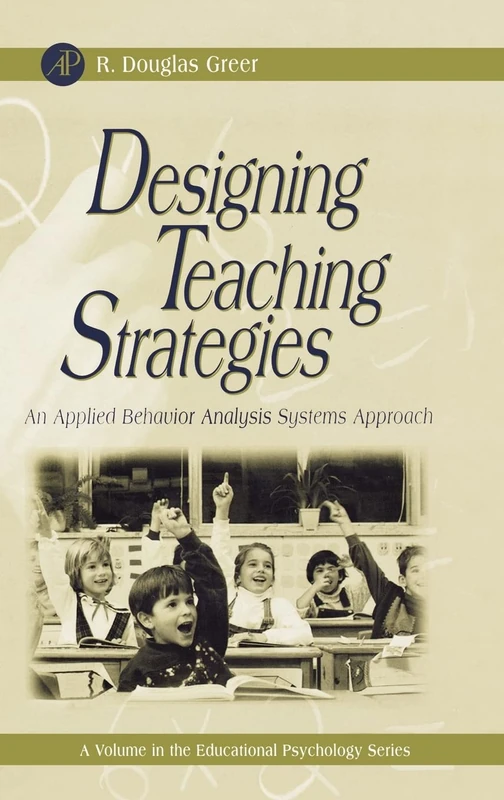
Designing Teaching Strategies: An Applied Behavior Analysis Systems Approach
Elsevier

Practical Guide to Early Childhood Curriculum, A
PEARSON EDUCATION
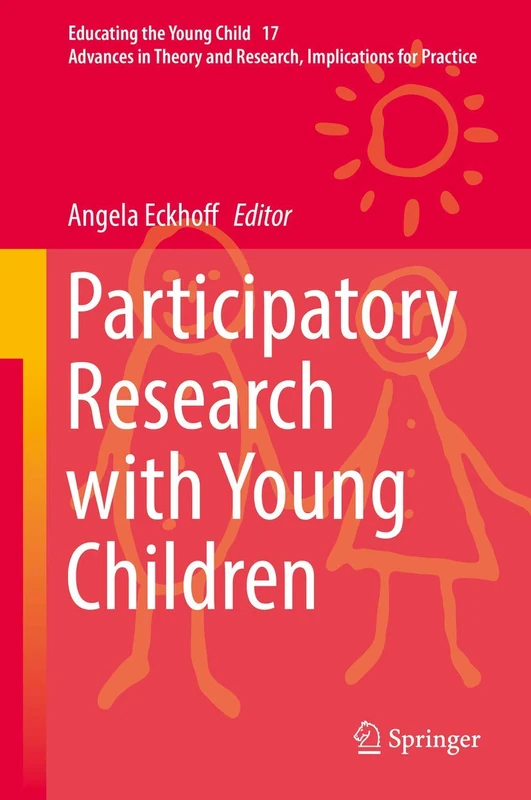
Participatory Research with Young Children: 17 (Educating the Young Child, 17)
Springer
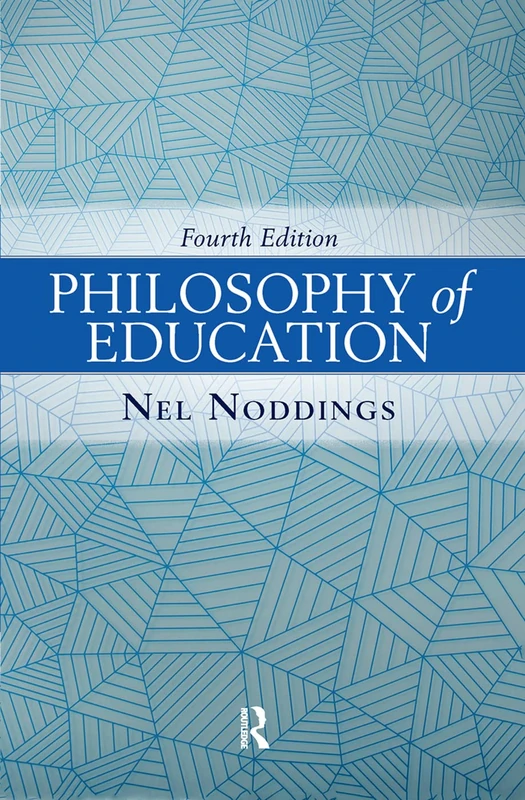
Philosophy of Education
Routledge
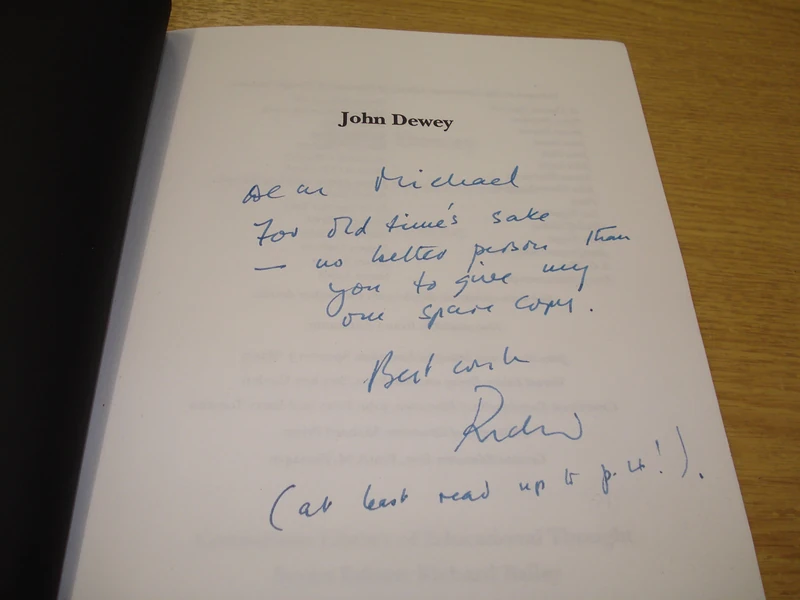
John Dewey (Continuum Library of Educational Thought): A Philosopher of Education for Our Time?: v. 4
Bloomsbury
Learning Analytics in Education
Information Age Publishing
Teaching Psychology: An Evidence-Based Approach
Wiley

Phänomenologische Erziehungswissenschaft von ihren Anfängen bis heute: Eine Anthologie: 4
Springer VS

Loris Malaguzzi and the Schools of Reggio Emilia: A selection of his writings and speeches, 1945-1993 (Contesting Early Childhood)
Routledge