We can't find the internet
Attempting to reconnect
Something went wrong
Hang in there while we get back on track
£94.25
It has never been this cheap. We have no record of a lower price.
£94 today · cheaper than every other day in the last 3 months
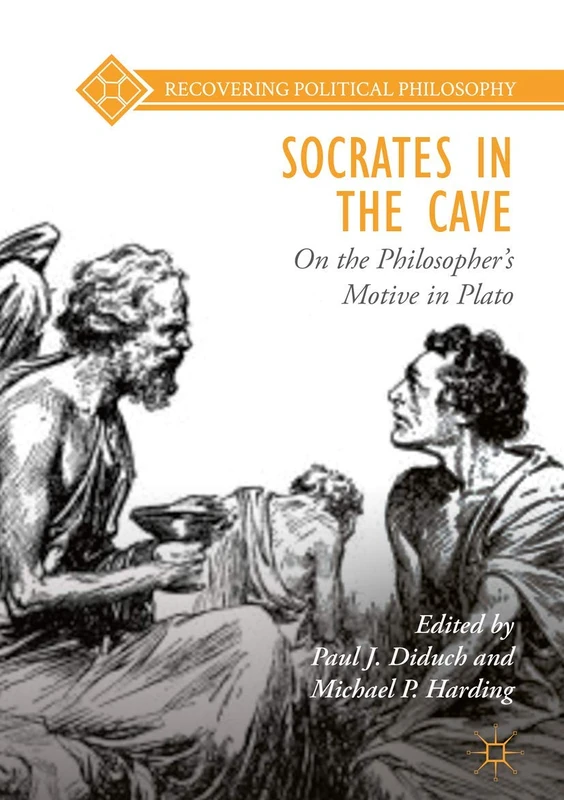
Springer Socrates in the Cave: On the Philosopher’s Motive in Plato (Recovering Political Philosophy)
We'll watch every seller, every day. One email when your price arrives.
Price History & Forecast
Grey patches = out of stock. Cheaper = lower on the chart. Hover for exact prices.
Last 16 days · 16 data points (no recent data)
NEW HERE?
Amazon shows you one price. We show you all of them.
Tosheroon watches Amazon prices so you don't have to. Every product on Amazon has a price history — we make it visible. Set the price you'd actually pay, and we'll email you the second it gets there. No app, no account, one email.
WHAT'S ON THIS PAGE
when this has been cheap or pricey
where the price is heading next
all-time high & low, recent range
name your number, we'll email you
Price Distribution
Price distribution over 16 days • 1 price levels
Price Analysis
Most common price: £94 (16 days, 100.0%)
Price range: £94 - £94
Price levels: 1 different prices over 16 days
Description
Product Specifications
- Brand
- Springer
- Format
- hardcover
- ASIN
- 3319768301
- Domain
- Amazon UK
- Release Date
- 31 May 2018
- Listed Since
- 01 February 2018
Barcode
No barcode data available
Similar Products You Might Like
Socrates and Philosophy in the Dialogues of Plato
Cambridge University Press
Plato’s Protagoras: Essays on the Confrontation of Philosophy and Sophistry: 125 (Philosophical Studies Series, 125)
Springer
Interpreting Plato Socratically: Socrates and Justice
Springer
Routledge Philosophy GuideBook to Plato and the Trial of Socrates
Routledge
Play of Character Plato's Dialogues
Cambridge University Press
Socrates: Ironist And Moral Philosopher
Cambridge University Press

Plato: Protagoras (Cambridge Greek and Latin Classics)
Cambridge University Press
Soul and Mind in Greek Thought. Psychological Issues in Plato and Aristotle: 20 (Studies in the History of Philosophy of Mind, 20)
Springer
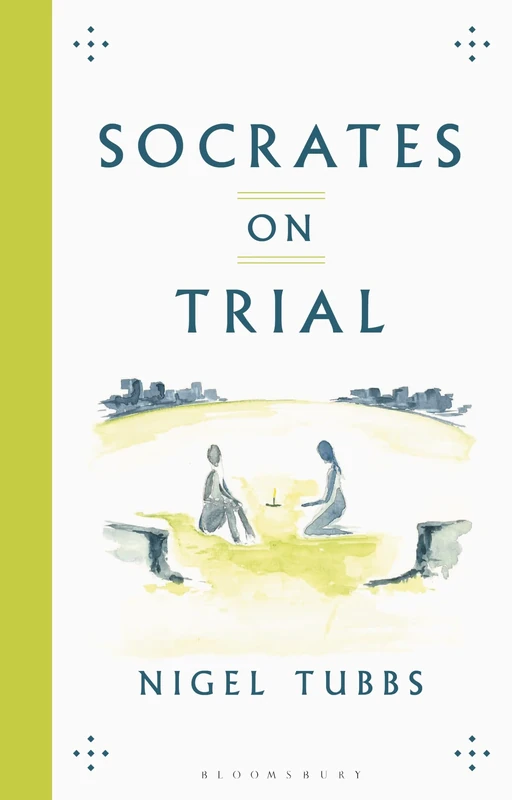
Socrates On Trial: Rewriting Plato for Today
Bloomsbury
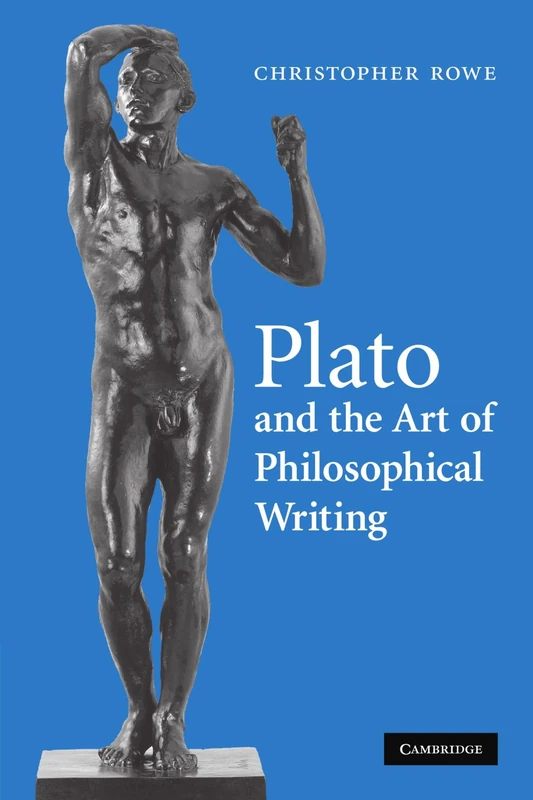
Cambridge Plato and the Art of Philosophical Writing
Cambridge University Press
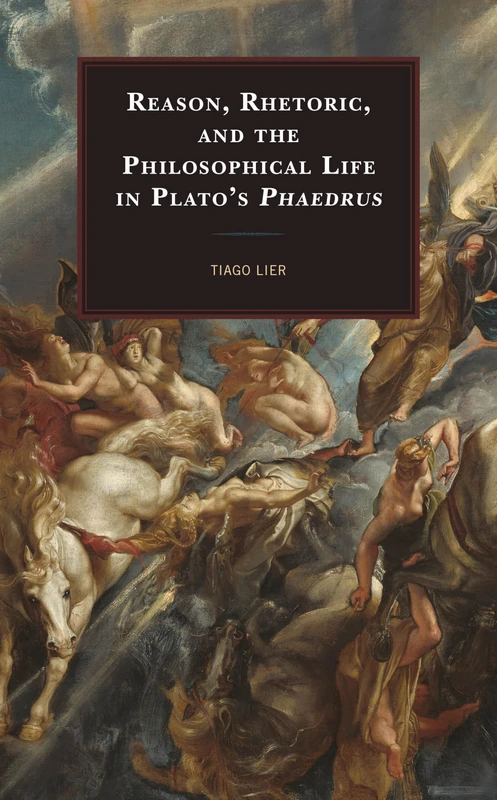
Reason, Rhetoric and the Philosophical Life in Plato's Phaedrus
Lexington Books
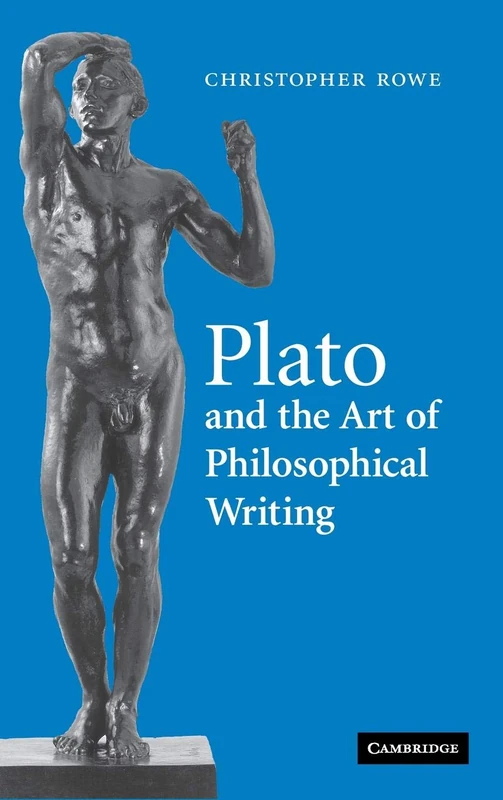
Plato and the Art of Philosophical Writing
Cambridge University Press
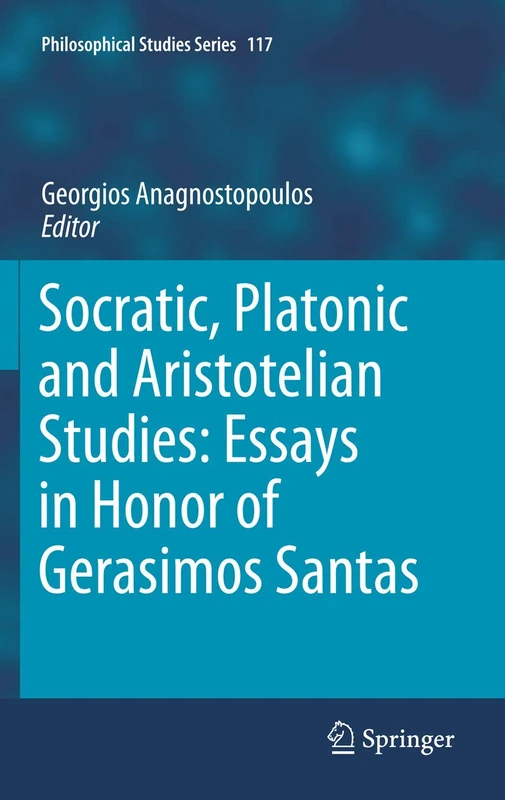
Socratic, Platonic and Aristotelian Studies: Essays in Honor of Gerasimos Santas: 117 (Philosophical Studies Series, 117)
Springer
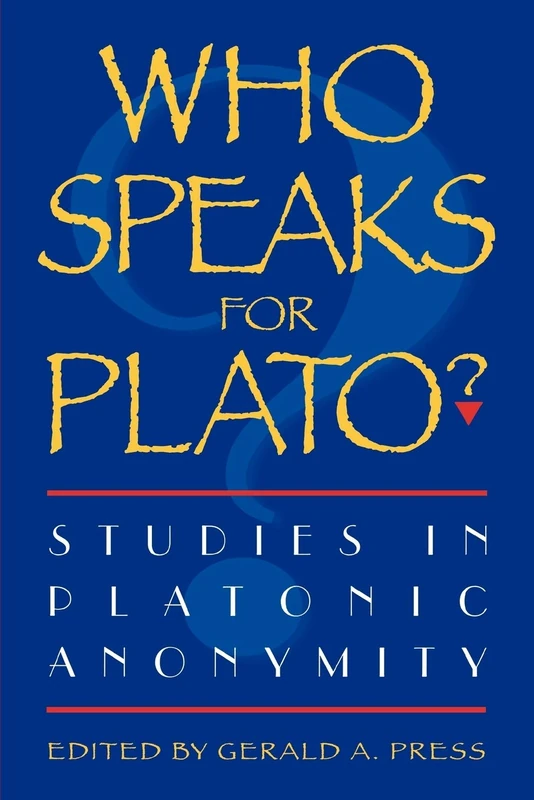
Who Speaks for Plato?: Studies in Platonic Anonymity
Rowman & Littlefield Publishers
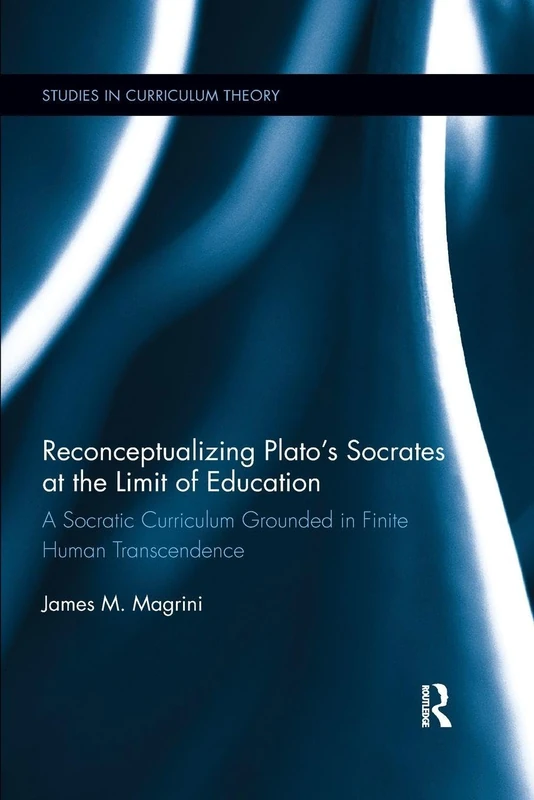
Reconceptualizing Plato’s Socrates at the Limit of Education: A Socratic Curriculum Grounded in Finite Human Transcendence (Studies in Curriculum Theory Series)
Routledge
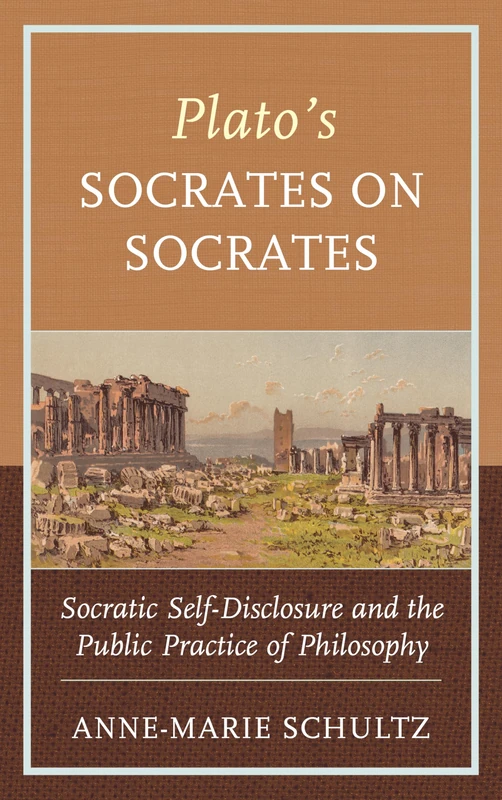
Plato's Socrates on Socrates: Socratic Self-Disclosure and the Public Practice of Philosophy
Bloomsbury
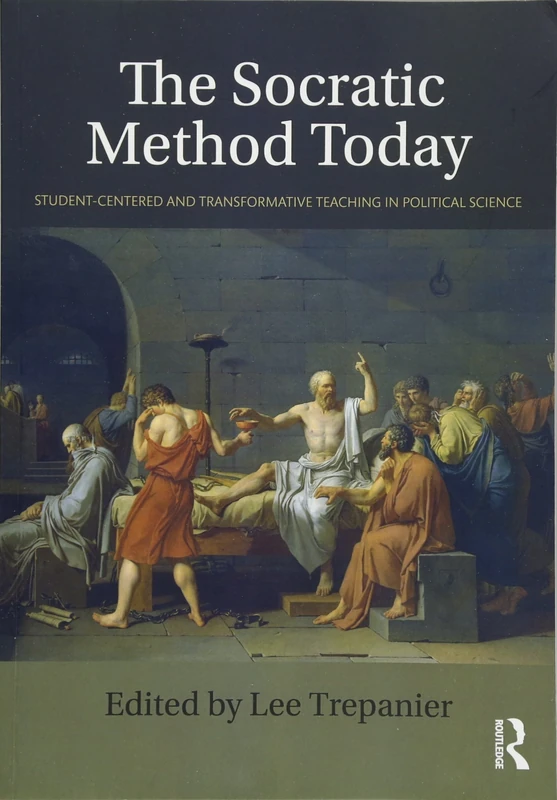
The Socratic Method Today: Student-Centered and Transformative Teaching in Political Science
Routledge

Plato's Dialogues: New Studies and Interpretations
Rowman & Littlefield Publishers
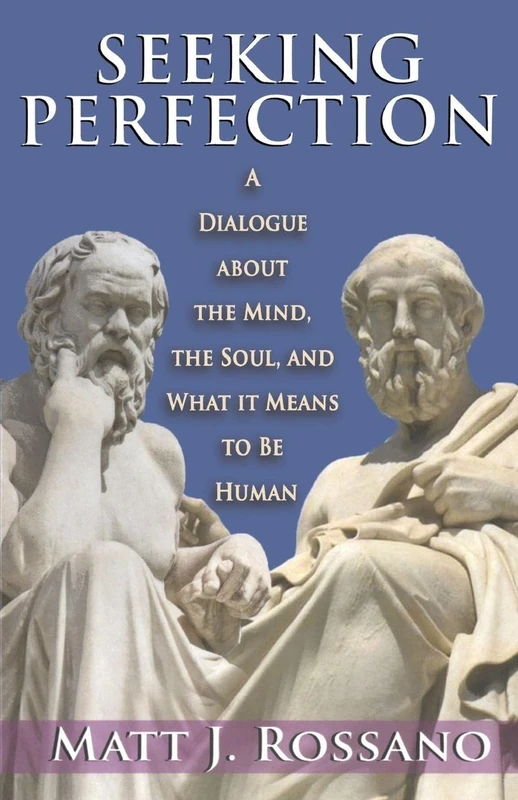
Seeking Perfection: A Dialogue About the Mind, the Soul, and What it Means to be Human
Routledge
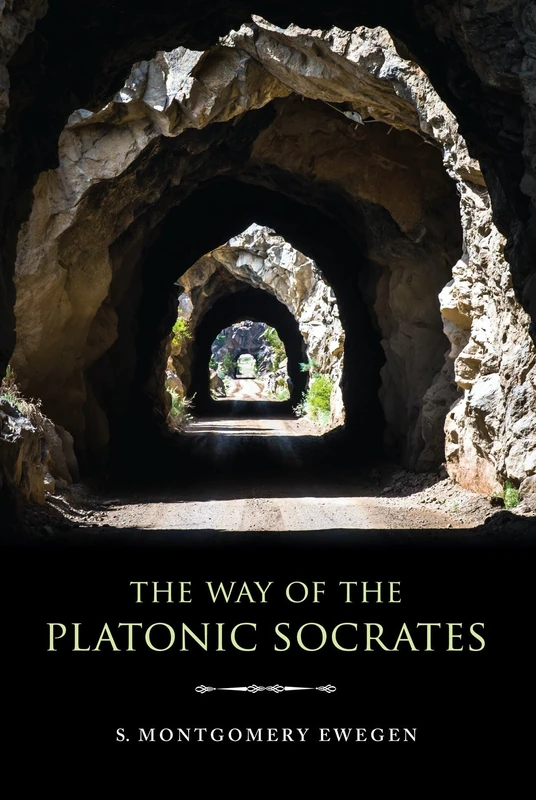
The Way of the Platonic Socrates (Studies in Continental Thought)
Indiana University Press
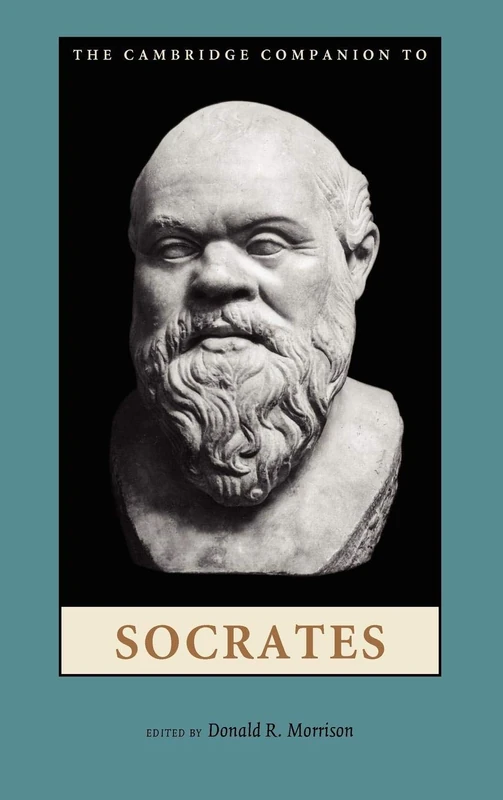
The Cambridge Companion to Socrates (Cambridge Companions to Philosophy)
Cambridge University Press
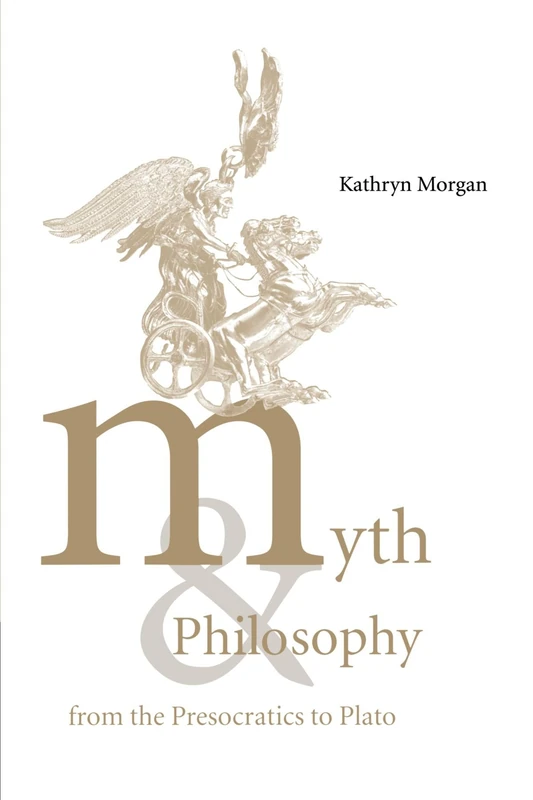
Myth and Philosophy from the Presocratics to Plato
Cambridge University Press
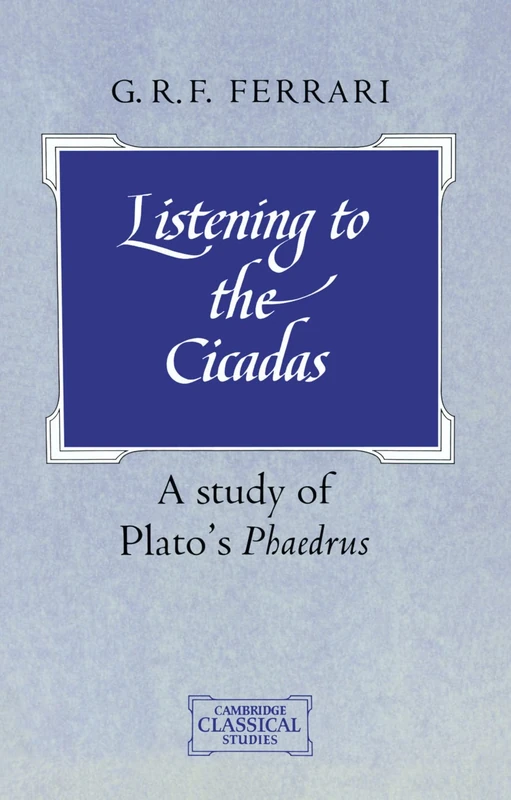
Listening to the Cicadas: A Study of Plato's Phaedrus (Cambridge Classical Studies)
Cambridge University Press
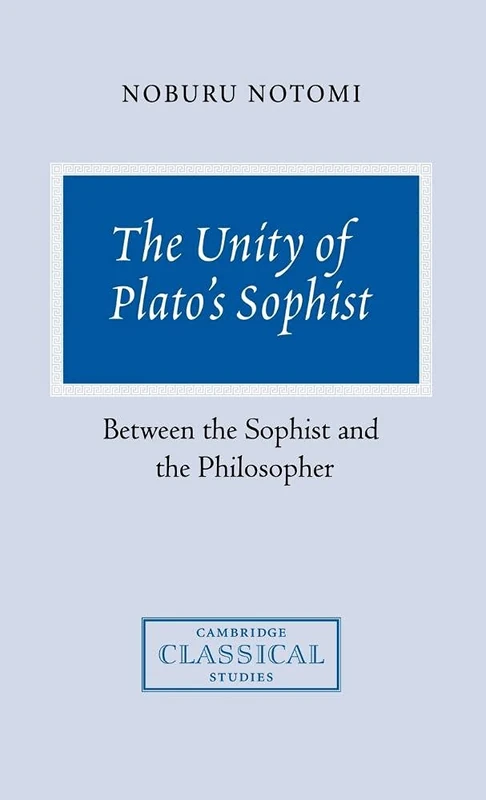
The Unity of Plato's Sophist: Between the Sophist and the Philosopher (Cambridge Classical Studies)
Cambridge University Press