We can't find the internet
Attempting to reconnect
Something went wrong
Hang in there while we get back on track
£75.65
It has never been this cheap. We have no record of a lower price.
£76 today · cheaper than every other day in the last 3 months
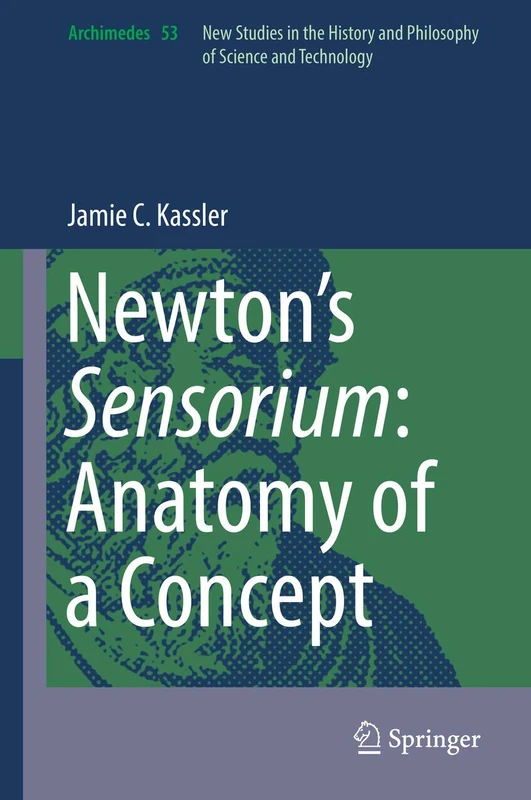
Springer Newton’s Sensorium: Anatomy of a Concept: 53 (Archimedes, 53)
We'll watch every seller, every day. One email when your price arrives.
Price History & Forecast
Grey patches = out of stock. Cheaper = lower on the chart. Hover for exact prices.
Last 61 days · 61 data points (no recent data)
NEW HERE?
Amazon shows you one price. We show you all of them.
Tosheroon watches Amazon prices so you don't have to. Every product on Amazon has a price history — we make it visible. Set the price you'd actually pay, and we'll email you the second it gets there. No app, no account, one email.
WHAT'S ON THIS PAGE
when this has been cheap or pricey
where the price is heading next
all-time high & low, recent range
name your number, we'll email you
Price Distribution
Price distribution over 61 days • 1 price levels
Price Analysis
Most common price: £76 (61 days, 100.0%)
Price range: £76 - £76
Price levels: 1 different prices over 61 days
Description
Product Specifications
- Brand
- Springer
- Format
- hardcover
- ASIN
- 331972052X
- Domain
- Amazon UK
- Release Date
- 24 May 2018
- Listed Since
- 31 October 2017
Barcode
No barcode data available
Similar Products You Might Like
Newton’s Sensorium: Anatomy of a Concept: 53 (Archimedes, 53)
Springer
Newton and Newtonianism: New Studies: 188 (International Archives of the History of Ideas Archives internationales d'histoire des idées, 188)
Springer
Newton and Newtonianism: New Studies: 188 (International Archives of the History of Ideas Archives internationales d'histoire des idées, 188)
Springer

Of Liberty and Necessity: The Free Will Debate in Eighteenth-Century British Philosophy (Oxford Philosophical Monographs)
Oxford University Press
Seeking Truth: Roger North's Notes on Newton and Correspondence with Samuel Clarke c.1704-1713
Routledge
Tradition and Innovation: Newton’s Metaphysics of Nature: 56 (The Western Ontario Series in Philosophy of Science, 56)
Springer
Newton's Metaphysics of Nature - Philosophy of Science
Springer
Isaac Newton's Natural-Philosophical Methodology - Springer Archimedes
Springer

Eighteenth-Century Dissent and Cambridge Platonism: Reconceiving the Philosophy of Religion (Routledge Studies in the Philosophy of Religion)
Routledge

The Natural philosophy of Emanuel Swedenborg: A Study in the Conceptual Metaphors of the Mechanistic World-View: 11 (Studies in the History of Philosophy of Mind, 11)
Springer
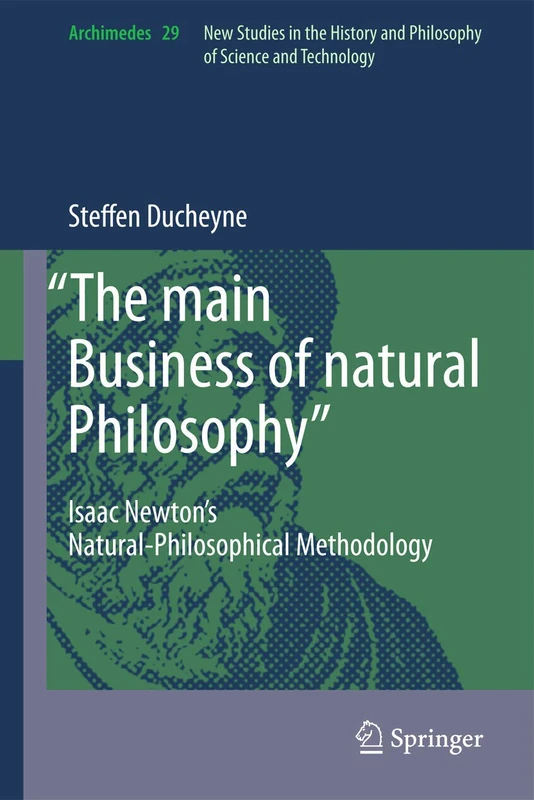
“The main Business of natural Philosophy”: Isaac Newton’s Natural-Philosophical Methodology: 29 (Archimedes, 29)
Springer

Aristotelian Subjectivism: Francisco Suárez’s Philosophy of Perception: 28 (Studies in the History of Philosophy of Mind, 28)
Springer
Neo-Aristotelian Metaphysics and the Theology of Nature (Routledge Studies in Metaphysics)
Routledge
Newton’s Scientific and Philosophical Legacy: 123 (International Archives of the History of Ideas Archives internationales d'histoire des idées, 123)
Springer
Newton’s Scientific and Philosophical Legacy: 123 (International Archives of the History of Ideas Archives internationales d'histoire des idées, 123)
Springer

On Art and Science: Tango of an Eternally Inseparable Duo (The Frontiers Collection)
Springer

The Philosophical Writings of Premontval
Lexington Books
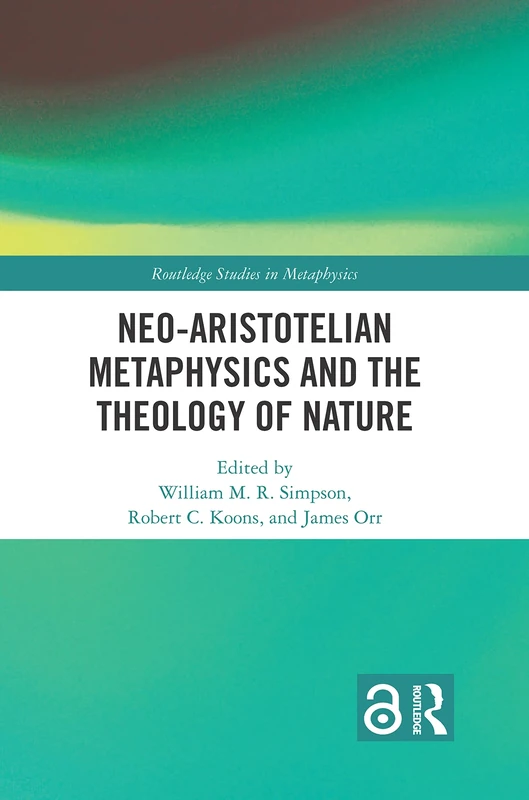
Routledge Neo-Aristotelian Metaphysics and Theology of Nature
Routledge
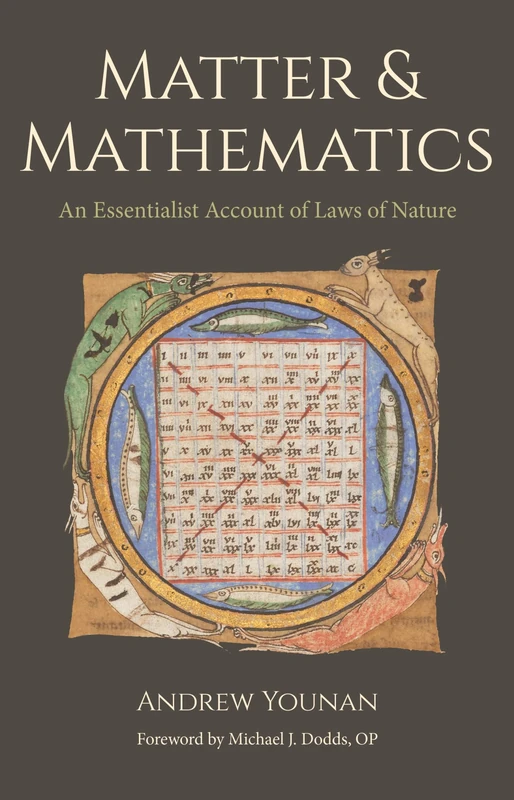
Matter and Mathematics: An Essentialist Account of Laws of Nature
Catholic University of America Press

Inexcusabiles: Salvation and the Virtues of the Pagans in the Early Modern Period: 229 (International Archives of the History of Ideas Archives internationales d'histoire des idées, 229)
Springer
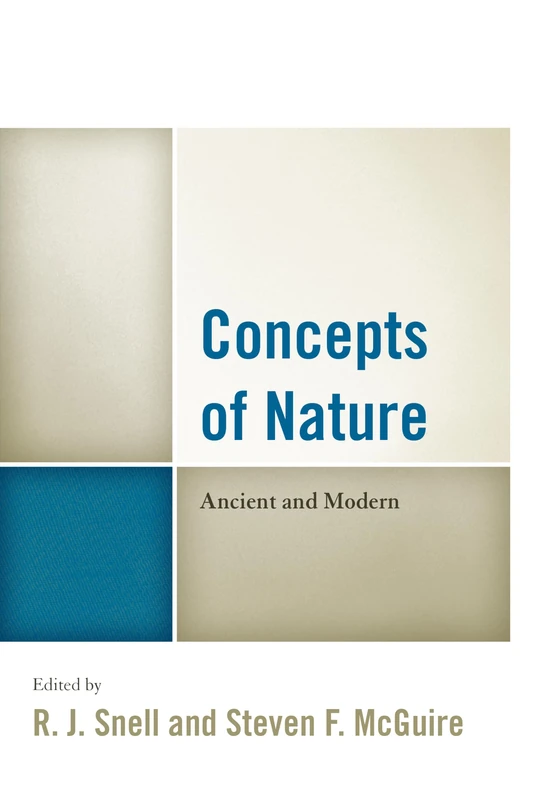
Concepts of Nature: Ancient and Modern
Lexington Books

History, Philosophy and Science Teaching: A Personal Story
Springer
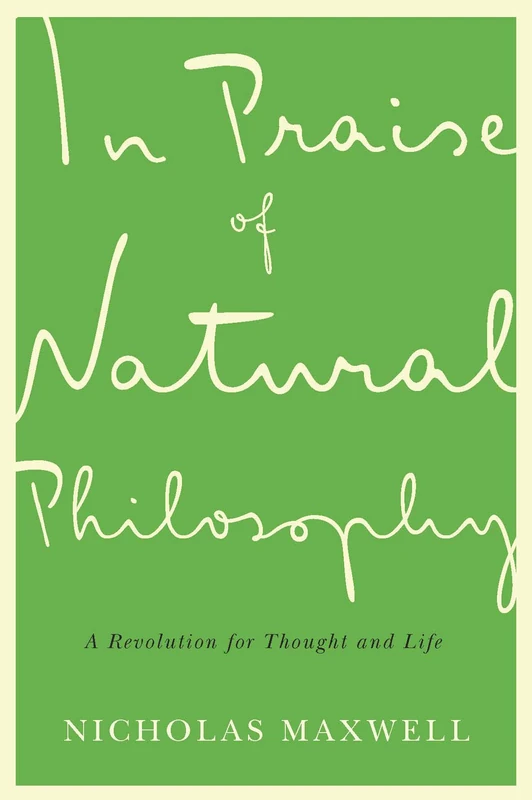
In Praise of Natural Philosophy: A Revolution for Thought and Life
McGill-Queen's University Press

Fact and Method: Explanation, Confirmation and Reality in the Natural and the Social Sciences
Princeton University Press