We can't find the internet
Attempting to reconnect
Something went wrong
Hang in there while we get back on track

£92.22
This is the most expensive it has ever been. Walk away.
£92 today · previous high £92 · all-time low £92
Springer Heritage and Archaeology in the Digital Age: Acquisition, Curation, and Dissemination of Spatial Cultural Heritage Data (Quantitative Methods in the Humanities and Social Sciences)
We'll watch every seller, every day. One email when your price arrives.
Price History & Forecast
Grey patches = out of stock. Cheaper = lower on the chart. Hover for exact prices.
Last 17 days · 17 data points (no recent data)
NEW HERE?
Amazon shows you one price. We show you all of them.
Tosheroon watches Amazon prices so you don't have to. Every product on Amazon has a price history — we make it visible. Set the price you'd actually pay, and we'll email you the second it gets there. No app, no account, one email.
WHAT'S ON THIS PAGE
when this has been cheap or pricey
where the price is heading next
all-time high & low, recent range
name your number, we'll email you
Price Distribution
Price distribution over 17 days • 1 price levels
Price Analysis
Most common price: £92 (17 days, 100.0%)
Price range: £92 - £92
Price levels: 1 different prices over 17 days
Description
Product Specifications
- Brand
- Springer
- Format
- hardcover
- ASIN
- 3319653695
- Domain
- Amazon UK
- Release Date
- 24 November 2017
- Listed Since
- 04 July 2017
Barcode
No barcode data available
Similar Products You Might Like
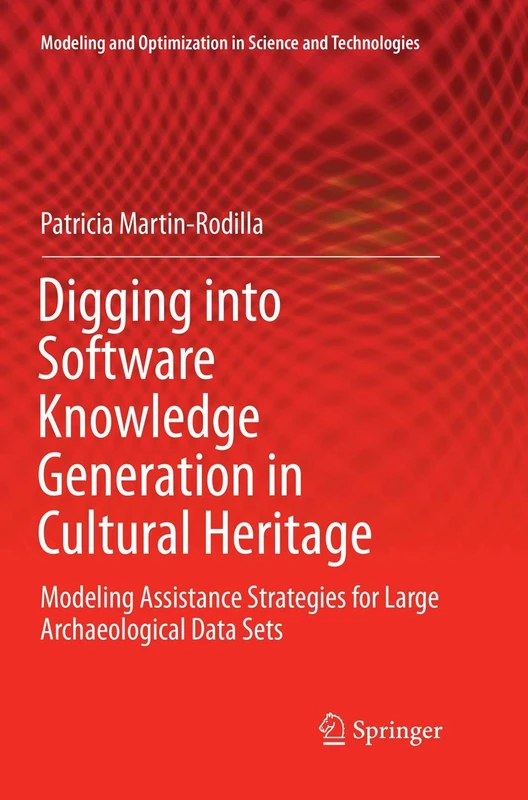
Digging into Software Knowledge Generation in Cultural Heritage: Modeling Assistance Strategies for Large Archaeological Data Sets: 11 (Modeling and Optimization in Science and Technologies, 11)
Springer
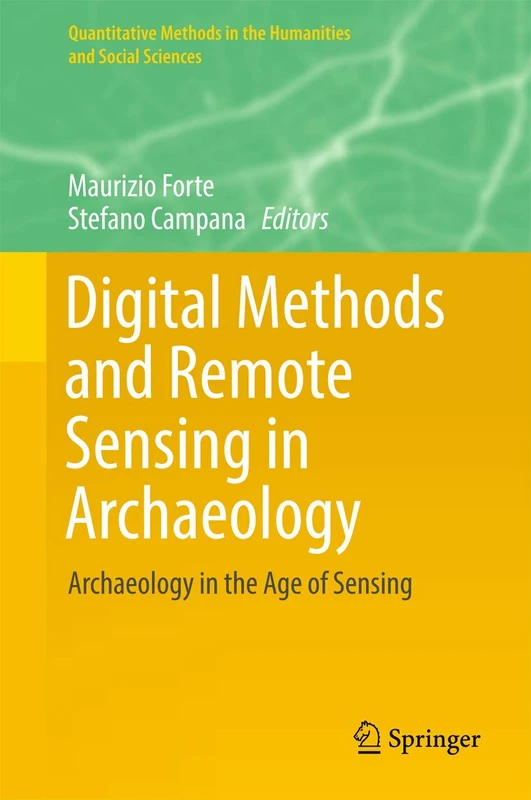
Digital Methods and Remote Sensing in Archaeology: Archaeology in the Age of Sensing (Quantitative Methods in the Humanities and Social Sciences)
Springer

Language Technology for Cultural Heritage: Selected Papers from the LaTeCH Workshop Series (Theory and Applications of Natural Language Processing)
Springer
Digital Methods and Remote Sensing in Archaeology: Archaeology in the Age of Sensing (Quantitative Methods in the Humanities and Social Sciences)
Springer
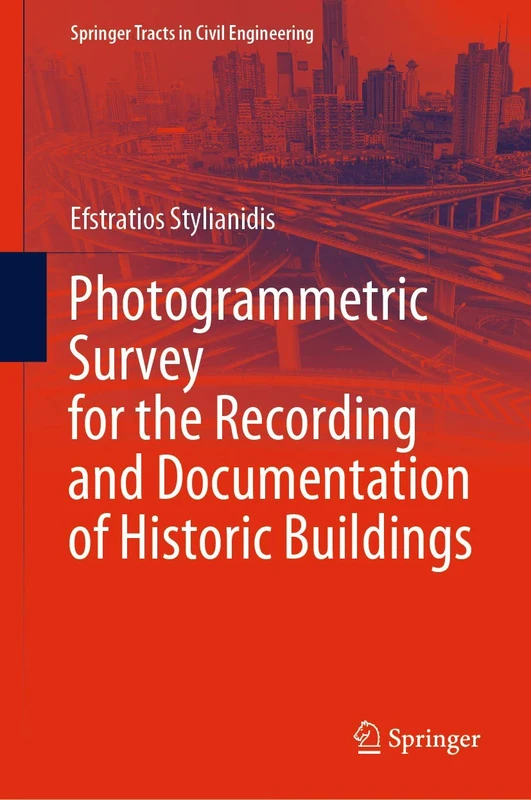
Photogrammetric Survey for the Recording and Documentation of Historic Buildings (Springer Tracts in Civil Engineering)
Springer
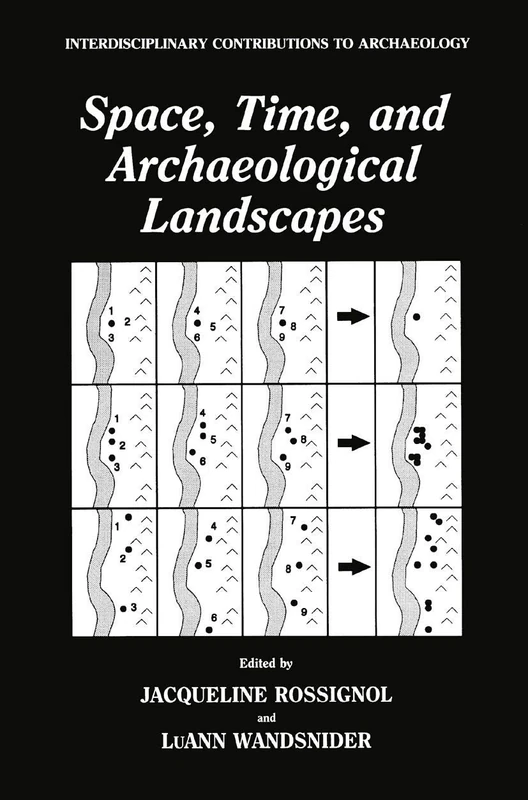
Space, Time, and Archaeological Landscapes (Interdisciplinary Contributions to Archaeology)
Springer

History in the Digital Age
Routledge

The Intangible Elements of Culture in Ethnoarchaeological Research
Springer

The Intangible Elements of Culture in Ethnoarchaeological Research
Springer

Cultural Heritage and the Future (Key Issues in Cultural Heritage)
Routledge
Anthropological Data in the Digital Age: New Possibilities – New Challenges
MACMILLAN

Data Analytics in Digital Humanities (Multimedia Systems and Applications)
Springer

Digital Heritage. Progress in Cultural Heritage: Documentation, Preservation, and Protection: 7th International Conference, EuroMed 2018, Nicosia, ... (Lecture Notes in Computer Science, 11196)
Springer

Archaeology from Historical Aerial and Satellite Archives
Springer

Family History Digital Libraries (Human–Computer Interaction Series)
Springer

Historical Archaeology and Environment
Springer
Investigating Archaeological Cultures: Material Culture, Variability, and Transmission
Springer

Advanced Digital Preservation
Springer

Nanotechnologies in the Conservation of Cultural Heritage: A compendium of materials and techniques
Springer

Heritage Diplomacy: Discourses, Imaginaries and Practices of Heritage and Power
Routledge

The Digital Future of Museums: Conversations and Provocations
Routledge

The Digital Arts and Humanities: Neogeography, Social Media and Big Data Integrations and Applications (Springer Geography)
Springer

Archaeology and Preservation of Gendered Landscapes
Springer

Conservation of Cultural Heritage: Key Principles and Approaches
Routledge