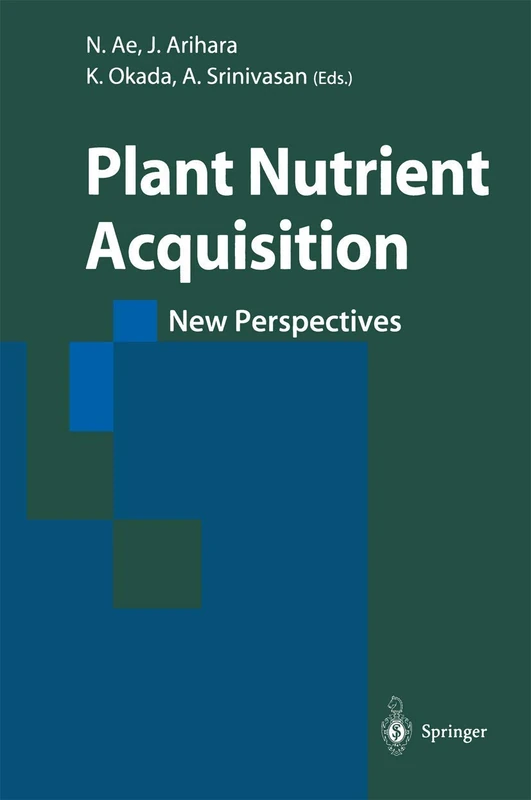
£119.27

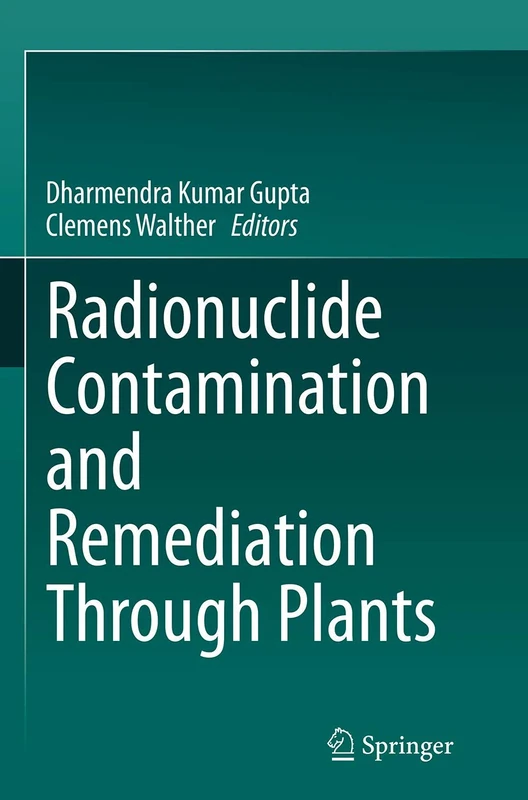
Springer Radionuclide Contamination and Remediation Through Plants

Price data updated today

View at Amazon

We'll watch every seller, every day. One email when your price arrives.

New to our records — first sighting 5 days ago. We'll learn its rhythm.

5 days of data · current price £119

NEW HERE?

Amazon shows you one price. We show you all of them.

Tosheroon watches Amazon prices so you don't have to. Every product on Amazon has a price history — we make it visible. Set the price you'd actually pay, and we'll email you the second it gets there. No app, no account, one email.

WHAT'S ON THIS PAGE

↓ Price chart
when this has been cheap or pricey
↓ Forecast
where the price is heading next
↓ Statistics
all-time high & low, recent range
↑ Price alert
name your number, we'll email you

Price History & Forecast

Grey patches = out of stock. Cheaper = lower on the chart. Hover for exact prices.

Last 6 days • 6 data points

Historical
Generating forecast...
£119.27 £118.39 £118.58 £118.77 £118.97 £119.16 £119.35 01 June 2026 02 June 2026 03 June 2026 04 June 2026 06 June 2026

Price Distribution

Price distribution over 6 days • 2 price levels

Days at Price
Current Price
5 days 1 day · current 0 1 3 4 5 £118 £119 Days at Price

Price Analysis

Most common price: £118 (5 days, 83.3%)

Price range: £118 - £119

Price levels: 2 different prices over 6 days

Description

This book focuses on the mechanistic (microscopic) understanding of radionuclide uptake by plants in contaminated soils and potential use of phytoremediation. The key features concern radionuclide toxicity in plants, how the radioactive materials are absorbed by plants, and how the plants cope with the toxic responses. The respective chapters examine soil classification, natural plant selection, speciation of actinides, kinetic modeling, and case studies on cesium uptake after radiation accidents. Radionuclide contaminants pose serious problems for biological systems, due to their chemical toxicity and radiological effects. The processes by which radionuclides can be incorporated into vegetation can either originate from activity interception by external plant surfaces (either directly from the atmosphere or from resuspended material), or through uptake of radionuclides via the root system. Subsequent transfer of toxic elements to the human food chain is a concrete danger. Therefore, the molecular mechanisms and genetic basis of transport into and within plants needs to be understood for two reasons: The effectiveness of radionuclide uptake into crop plants – so-called transfer coefficient – is a prerequisite for the calculation of dose due to the food path. On the other hand, efficient radionuclide transfer into plants can be made use of for decontamination of land – so-called phytoremediation, the direct use of living, green plants for in situ removal of pollutants from the environment or to reduce their concentrations to harmless levels. From the Back Cover This book focuses on the mechanistic (microscopic) understanding of radionuclide uptake by plants in contaminated soils and potential use of phytoremediation. The key features concern radionuclide toxicity in plants, how the radioactive materials are absorbed by plants, and how the plants cope with the toxic responses. The respective chapters examine soil classification, natural plant selection, speciation of actinides, kinetic modeling, and case studies on cesium uptake after radiation accidents. Radionuclide contaminants pose serious problems for biological systems, due to their chemical toxicity and radiological effects. The processes by which radionuclides can be incorporated into vegetation can either originate from activity interception by external plant surfaces (either directly from the atmosphere or from resuspended material), or through uptake of radionuclides via the root system. Subsequent transfer of toxic elements to the human food chain is a concrete danger. Therefore, the molecular mechanisms and genetic basis of transport into and within plants needs to be understood for two reasons: The effectiveness of radionuclide uptake into crop plants – so-called transfer coefficient – is a prerequisite for the calculation of dose due to the food path. On the other hand, efficient radionuclide transfer into plants can be made use of for decontamination of land – so-called phytoremediation, the direct use of living, green plants for in situ removal of pollutants from the environment or to reduce their concentrations to harmless levels.

Product Specifications

Format
paperback
Domain
Amazon UK
Release Date
23 August 2016
Listed Since
10 August 2016

Barcode

No barcode data available

Similar Products You Might Like
Impact of Cesium on Plants and the Environment
87% match

Impact of Cesium on Plants and the Environment

Springer
£75.47 04 Jun 2026
Metal Toxicity in Plants: Perception, Signaling and Remediation
85% match

Metal Toxicity in Plants: Perception, Signaling and Remediation

Springer
£107.98 06 Jun 2026
Phytoremediation: In-situ Applications (Concepts and Strategies in Plant Sciences)
83% match

Phytoremediation: In-situ Applications (Concepts and Strategies in Plant Sciences)

Springer
£107.85 20 May 2026
Lead in Plants and the Environment (Radionuclides and Heavy Metals in the Environment)
83% match

Lead in Plants and the Environment (Radionuclides and Heavy Metals in the Environment)

Springer
£74.05 03 Jun 2026
Regulation of Nutrient Uptake by Plants: A Biochemical and Molecular Approach
83% match

Regulation of Nutrient Uptake by Plants: A Biochemical and Molecular Approach

Springer
£81.52 21 May 2026
Detoxification of Heavy Metals: 30 (Soil Biology, 30)
83% match

Detoxification of Heavy Metals: 30 (Soil Biology, 30)

Springer
£144.97 24 May 2026
Radiation Spectrum and Plant Metabolism: Interactions from the Subcellular to the Ecosystem Level (Plant Biology, Sustainability, and Climate Change)
83% match

Radiation Spectrum and Plant Metabolism: Interactions from the Subcellular to the Ecosystem Level (Plant Biology, Sustainability, and Climate Change)

Academic Press

£134.37 29 May 2026
Approaches to Heavy Metal Tolerance in Plants
82% match

Approaches to Heavy Metal Tolerance in Plants

Springer
£74.41 31 May 2026
Plant Responses to Xenobiotics
82% match

Plant Responses to Xenobiotics

Springer
£109.24 29 May 2026
Cellular and Molecular Phytotoxicity of Heavy Metals (Nanotechnology in the Life Sciences)
82% match

Cellular and Molecular Phytotoxicity of Heavy Metals (Nanotechnology in the Life Sciences)

Springer
£111.46 01 Jun 2026
Radiation-Induced Processes of Adaptation: Research by statistical modelling
82% match

Radiation-Induced Processes of Adaptation: Research by statistical modelling

Springer
£76.38 28 May 2026
Plant Nutrient Acquisition: New Perspectives
81% match

Plant Nutrient Acquisition: New Perspectives

Springer
£73.96 06 Jun 2026
Plant Responses to Air Pollution
81% match

Plant Responses to Air Pollution

Springer
£78.84 31 May 2026
Selenium in plants: Molecular, Physiological, Ecological and Evolutionary Aspects: 11 (Plant Ecophysiology, 11)
81% match

Selenium in plants: Molecular, Physiological, Ecological and Evolutionary Aspects: 11 (Plant Ecophysiology, 11)

Springer

£108.91 02 Jun 2026
Actinide Speciation in High Ionic Strength Media: Experimental and Modeling Approaches to Predicting Actinide Speciation and Migration in the Subsurface
81% match

Actinide Speciation in High Ionic Strength Media: Experimental and Modeling Approaches to Predicting Actinide Speciation and Migration in the Subsurface

Springer
£107.98 18 May 2026
Geological Storage of Highly Radioactive Waste: Current Concepts and Plans for Radioactive Waste Disposal
81% match

Geological Storage of Highly Radioactive Waste: Current Concepts and Plans for Radioactive Waste Disposal

Springer

£107.98 06 Jun 2026
The Analysis of Nuclear Materials and Their Environments
81% match

The Analysis of Nuclear Materials and Their Environments

Springer
£107.98 24 May 2026
Stress Responses in Plants: Mechanisms of Toxicity and Tolerance
81% match

Stress Responses in Plants: Mechanisms of Toxicity and Tolerance

Springer
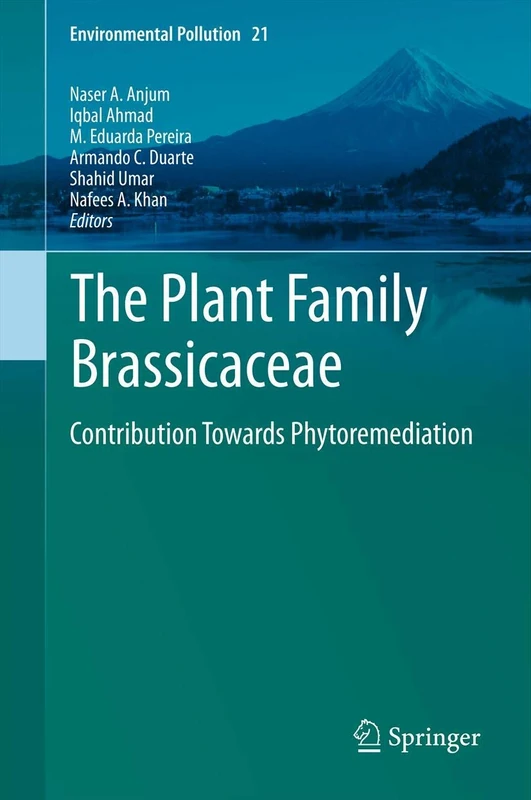
£76.38 01 Jun 2026
The Plant Family Brassicaceae: Contribution Towards Phytoremediation: 21 (Environmental Pollution, 21)
81% match

The Plant Family Brassicaceae: Contribution Towards Phytoremediation: 21 (Environmental Pollution, 21)

Springer
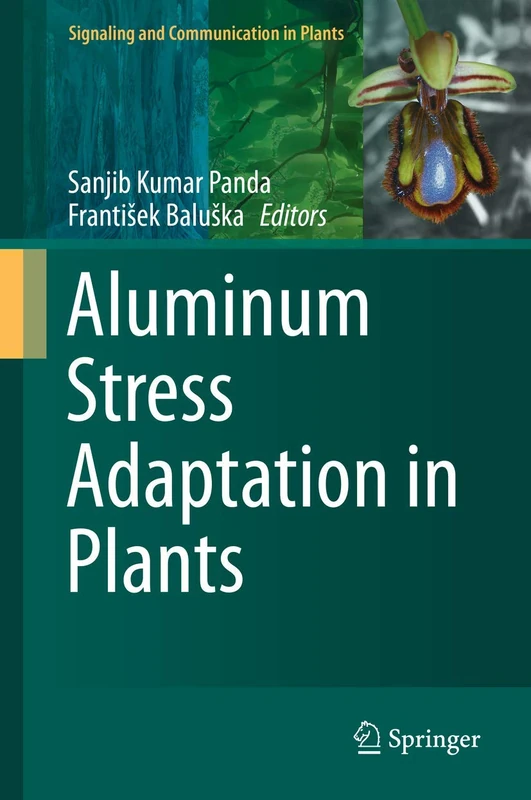
£107.98 31 May 2026
Aluminum Stress Adaptation in Plants: 24 (Signaling and Communication in Plants, 24)
81% match

Aluminum Stress Adaptation in Plants: 24 (Signaling and Communication in Plants, 24)

Springer
£74.74 06 Jun 2026
Aluminum Stress Adaptation in Plants: 24 (Signaling and Communication in Plants, 24)
81% match

Aluminum Stress Adaptation in Plants: 24 (Signaling and Communication in Plants, 24)

Springer

£76.38 01 Jun 2026
Behavior of Radionuclides in the Environment III: Fukushima
81% match

Behavior of Radionuclides in the Environment III: Fukushima

Springer

£97.00 05 Jun 2026
Radiopharmaceutical Chemistry
80% match

Radiopharmaceutical Chemistry

Springer

£128.85 19 May 2026
Soil Pollution: Processes and Dynamics
80% match

Soil Pollution: Processes and Dynamics

Springer

£108.78 19 May 2026