We can't find the internet
Attempting to reconnect
Something went wrong
Hang in there while we get back on track

£54.44
This is the most expensive it has ever been. Walk away.
£54 today · previous high £54 · all-time low £54
Springer Popper and His Popular Critics: Thomas Kuhn, Paul Feyerabend and Imre Lakatos (SpringerBriefs in Philosophy)
We'll watch every seller, every day. One email when your price arrives.
Price History & Forecast
Grey patches = out of stock. Cheaper = lower on the chart. Hover for exact prices.
Last 78 days · 78 data points (no recent data)
NEW HERE?
Amazon shows you one price. We show you all of them.
Tosheroon watches Amazon prices so you don't have to. Every product on Amazon has a price history — we make it visible. Set the price you'd actually pay, and we'll email you the second it gets there. No app, no account, one email.
WHAT'S ON THIS PAGE
when this has been cheap or pricey
where the price is heading next
all-time high & low, recent range
name your number, we'll email you
Price Distribution
Price distribution over 78 days • 1 price levels
Price Analysis
Most common price: £54 (78 days, 100.0%)
Price range: £54 - £54
Price levels: 1 different prices over 78 days
Description
Product Specifications
- Brand
- Springer
- Format
- paperback
- ASIN
- 3319065866
- Domain
- Amazon UK
- Publication Date
- 27 May 2014
- Listed Since
- 27 March 2014
Barcode
No barcode data available
Similar Products You Might Like

Popper's Theory of Science: An Apologia - Philosophy Book
Bloomsbury
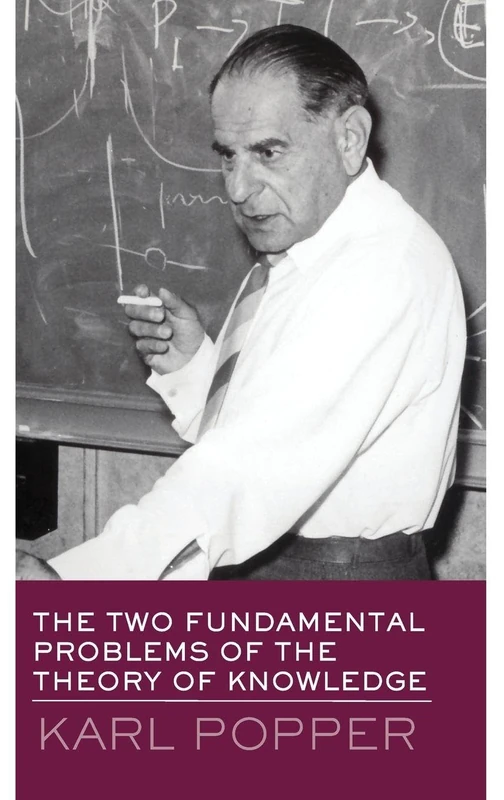
The Two Fundamental Problems of the Theory of Knowledge (Routledge Classics)
Routledge

Popper and the Human Sciences: 19 (Nijhoff International Philosophy Series, 19)
Springer

Rethinking Popper: 272 (Boston Studies in the Philosophy and History of Science, 272)
Springer

Rethinking Popper: 272 (Boston Studies in the Philosophy and History of Science, 272)
Springer

Karl Popper: Critical Appraisals
Routledge

Thomas Kuhn's 'Linguistic Turn' and the Legacy of Logical Empiricism: Incommensurability, Rationality and the Search for Truth (Ashgate New Critical Thinking in Philosophy)
Routledge

Problem of Rationality in Science - Popper vs Polanyi
Springer

Karl Popper: Professional Philosopher and Public Intellectual (Springer Biographies)
Springer
Conjectures and Refutations: The Growth of Scientific Knowledge (Routledge Classics)
Routledge

Medical History and Physical Examination in Companion Animals
Springer

Critical Approaches to Science and Philosophy
Routledge

Critical Approaches to Science and Philosophy: Essays in Honor of Karl R. Popper (Science and Technology Studies)
Routledge

From Instrumentalism to Constructive Realism - Philosophy of Science
Springer
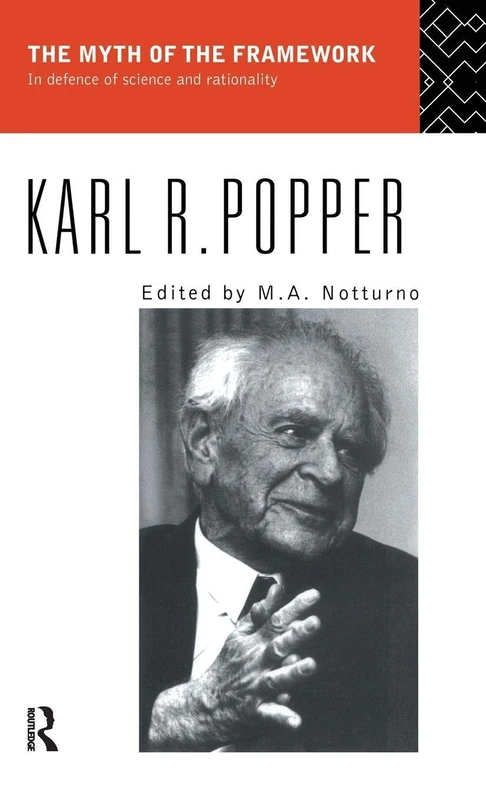
The Myth of the Framework: In Defence of Science and Rationality
Routledge

Structures in Science: Heuristic Patterns Based on Cognitive Structures An Advanced Textbook in Neo-Classical Philosophy of Science: 301 (Synthese Library, 301)
Springer

Philosophy, Science, and History: A Guide and Reader - Routledge
Routledge

Philosophy of Science: The Key Thinkers
Bloomsbury

Current Controversies in Philosophy of Science
Routledge
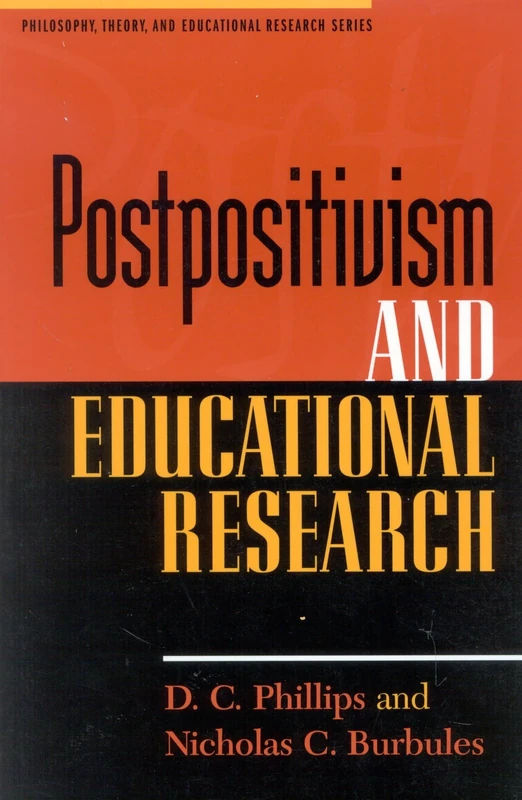
Postpositivism and Educational Research (Philosophy, Theory, and Educational Research Series)
Rowman & Littlefield Publishers

Popper's Legacy: Rethinking Politics, Economics and Science
Routledge

Beyond Reason: Essays on the Philosophy of Paul Feyerabend: 132 (Boston Studies in the Philosophy and History of Science, 132)
Springer

Medical History and Physical Examination in Companion Animals
Springer

Methodology, Metaphysics and the History of Science: In Memory of Benjamin Nelson: 84 (Boston Studies in the Philosophy and History of Science, 84)
Springer