We can't find the internet
Attempting to reconnect
Something went wrong
Hang in there while we get back on track
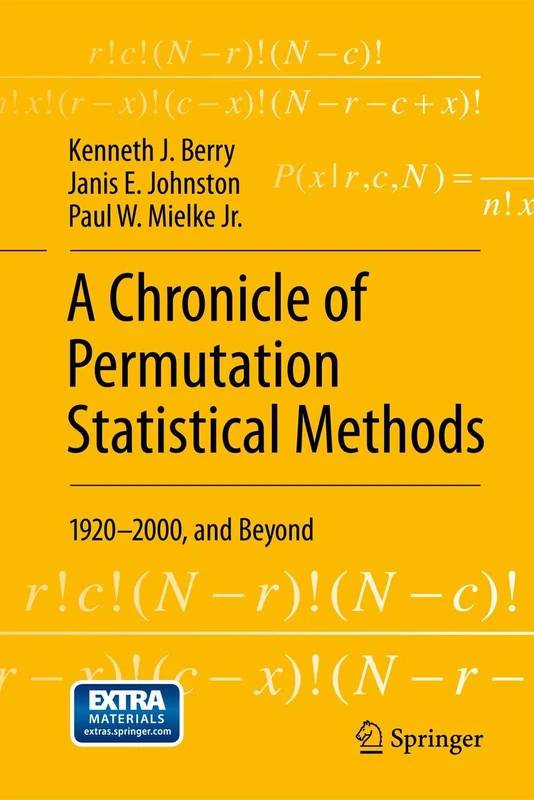
£75.71
Springer A Chronicle of Permutation Statistical Methods: 1920–2000, and Beyond
Price data last checked 62 day(s) ago - refreshing...
We'll watch every seller, every day. One email when your price arrives.
It has never been this cheap. We have no record of a lower price.
£76 today · cheaper than every other day in the last 3 months
NEW HERE?
Amazon shows you one price. We show you all of them.
Tosheroon watches Amazon prices so you don't have to. Every product on Amazon has a price history — we make it visible. Set the price you'd actually pay, and we'll email you the second it gets there. No app, no account, one email.
WHAT'S ON THIS PAGE
when this has been cheap or pricey
where the price is heading next
all-time high & low, recent range
name your number, we'll email you
Price History & Forecast
Grey patches = out of stock. Cheaper = lower on the chart. Hover for exact prices.
Last 29 days · 29 data points (no recent data)
Price Distribution
Price distribution over 29 days • 1 price levels
Price Analysis
Most common price: £76 (29 days, 100.0%)
Price range: £76 - £76
Price levels: 1 different prices over 29 days
Description
Product Specifications
- Brand
- Springer
- Format
- hardcover
- ASIN
- 3319027433
- Domain
- Amazon UK
- Release Date
- 25 April 2014
- Listed Since
- 20 September 2013
Barcode
No barcode data available
Similar Products You Might Like
Permutation Methods: A Distance Function Approach (Springer Series in Statistics)
Springer

Permutation Tests for Complex Data: Theory, Applications and Software (Wiley Series in Probability and Statistics)
Wiley
Permutation Statistical Methods: An Integrated Approach
Springer

Wiley Multivariate Permutation Tests - Biostatistics Book
Wiley
Permutation Groups: 163 (Graduate Texts in Mathematics, 163)
Springer
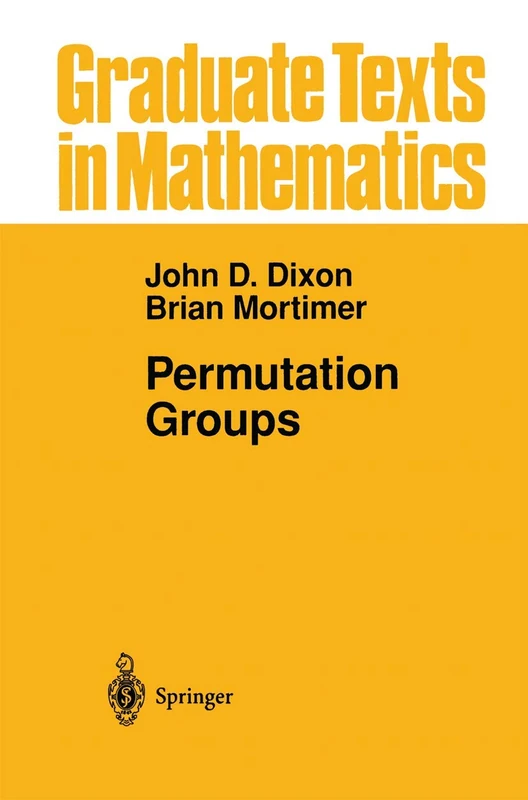
Permutation Groups: 163 (Graduate Texts in Mathematics, 163)
Springer
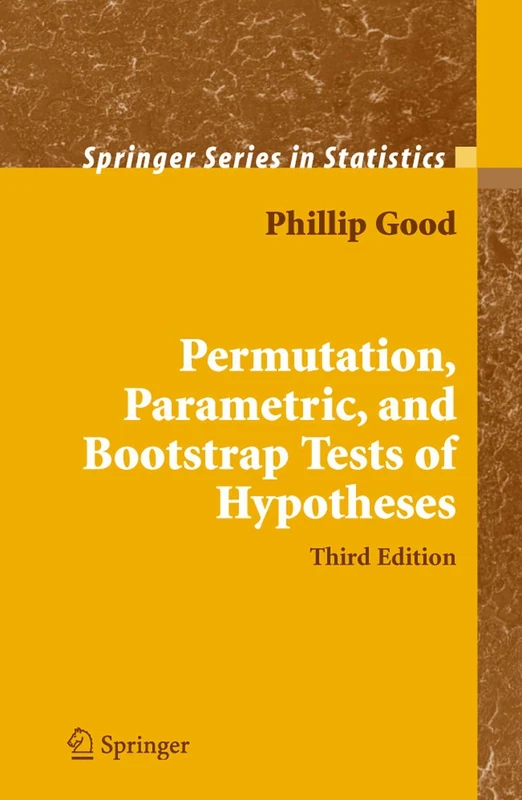
Permutation, Parametric, and Bootstrap Tests of Hypotheses (Springer Series in Statistics)
Springer
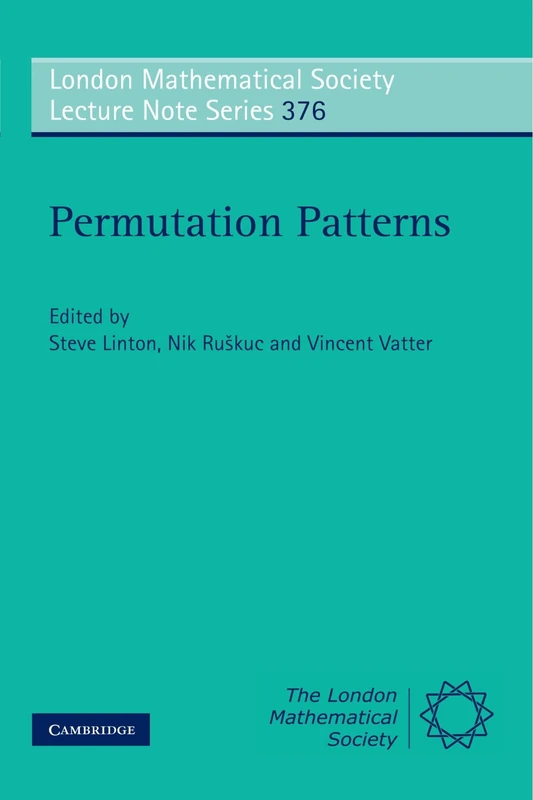
Permutation Patterns: 376 (London Mathematical Society Lecture Note Series, Series Number 376)
Cambridge University Press

Permutation Groups and Cartesian Decompositions: 449 (London Mathematical Society Lecture Note Series, Series Number 449)
Cambridge University Press

Permutation Groups: 45 (London Mathematical Society Student Texts, Series Number 45)
Cambridge University Press

Permutation Group Algorithms: 152 (Cambridge Tracts in Mathematics, Series Number 152)
Cambridge University Press

Regular Subgroups of Primitive Permutation Groups (Memoirs of the American Mathematical Society)
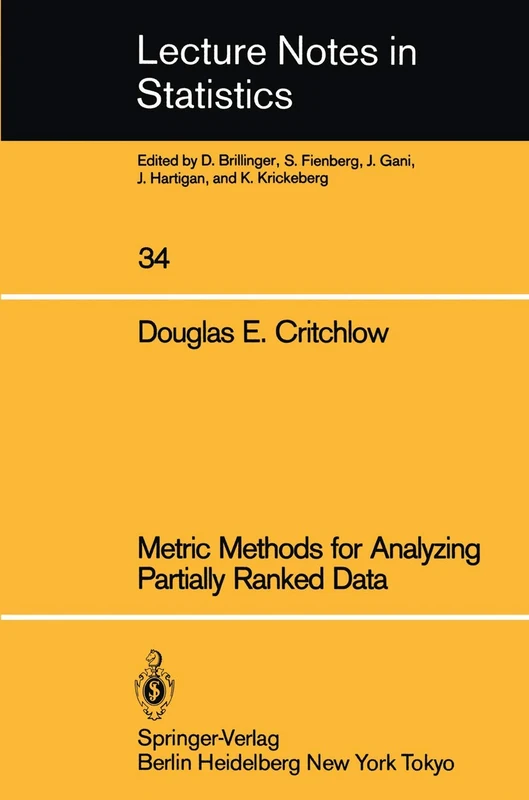
Metric Methods for Analyzing Partially Ranked Data: 34 (Lecture Notes in Statistics, 34)
Springer

LMS: 55 Glass Ordered Permutation (London Mathematical Society Lecture Note Series, Series Number 55)
Cambridge University Press

Classical Groups, Derangements and Primes: 25 (Australian Mathematical Society Lecture Series, Series Number 25)
Cambridge University Press

Neuere Verfahren der nichtparametrischen Statistik: Tagung, Graz, 23.–27. September 1985 Proceedings: 60 (Medizinische Informatik, Biometrie und Epidemiologie, 60)
Springer

Advances in Theoretical and Applied Statistics
Springer
Random Graphs: 53 (Encyclopedia of Mathematics and its Applications, Series Number 53)
Cambridge University Press
Counting with Symmetric Functions: 43 (Developments in Mathematics, 43)
Springer
A Primer of Permutation Statistical Methods
Springer
A Primer of Permutation Statistical Methods
Springer
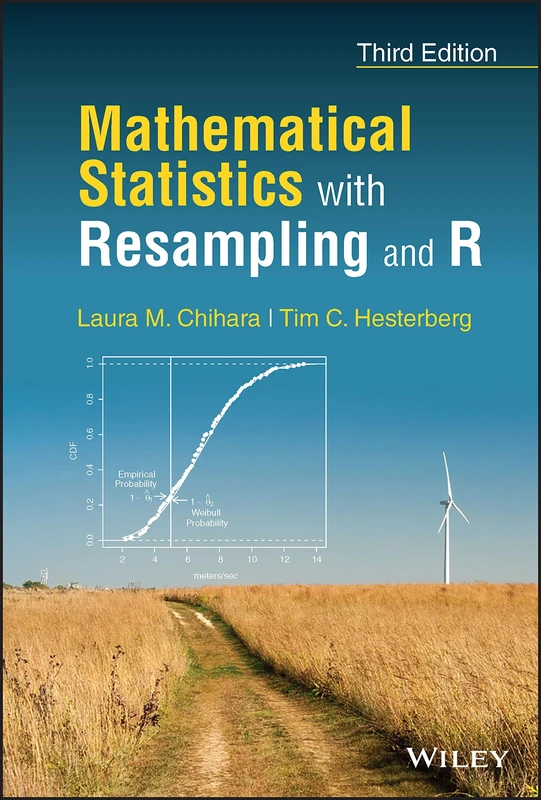
Mathematical Statistics with Resampling and R
Wiley
Statistical Persuasion: How to Collect, Analyze, and Present Data...Accurately, Honestly, and Persuasively
Sage Publishing