We can't find the internet
Attempting to reconnect
Something went wrong
Hang in there while we get back on track
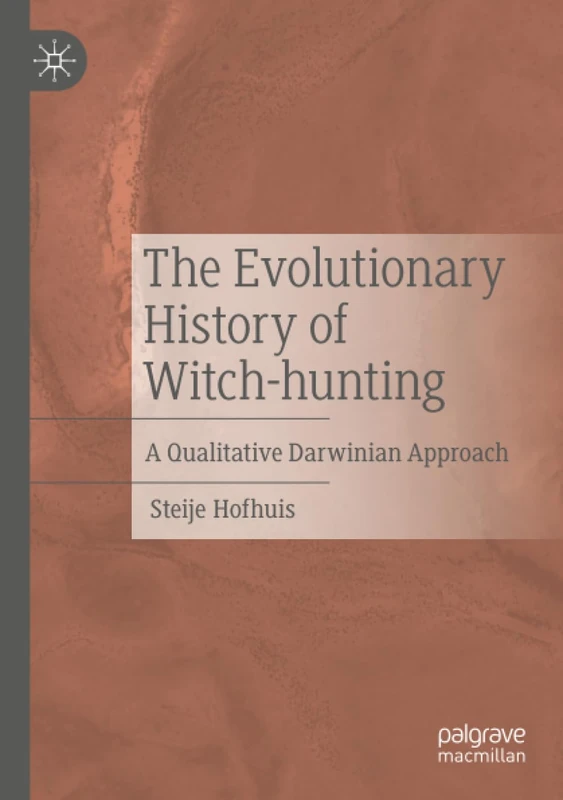
£119.99
It has never been this cheap. We have no record of a lower price.
£120 today · cheaper than every other day in the last 3 months
Palgrave The Evolutionary History of Witch-hunting: A Qualitative Darwinian Approach
We'll watch every seller, every day. One email when your price arrives.
Price History & Forecast
Grey patches = out of stock. Cheaper = lower on the chart. Hover for exact prices.
Last 47 days · 47 data points (no recent data)
NEW HERE?
Amazon shows you one price. We show you all of them.
Tosheroon watches Amazon prices so you don't have to. Every product on Amazon has a price history — we make it visible. Set the price you'd actually pay, and we'll email you the second it gets there. No app, no account, one email.
WHAT'S ON THIS PAGE
when this has been cheap or pricey
where the price is heading next
all-time high & low, recent range
name your number, we'll email you
Price Distribution
Price distribution over 47 days • 1 price levels
Price Analysis
Most common price: £120 (47 days, 100.0%)
Price range: £120 - £120
Price levels: 1 different prices over 47 days
Description
Product Specifications
- Brand
- Palgrave
- Format
- paperback
- ASIN
- 303166938X
- Category
- Books > Subjects > History > Europe
- Domain
- Amazon UK
- Release Date
- 07 December 2025
- Listed Since
- 31 December 2025
Barcode
No barcode data available
Similar Products You Might Like
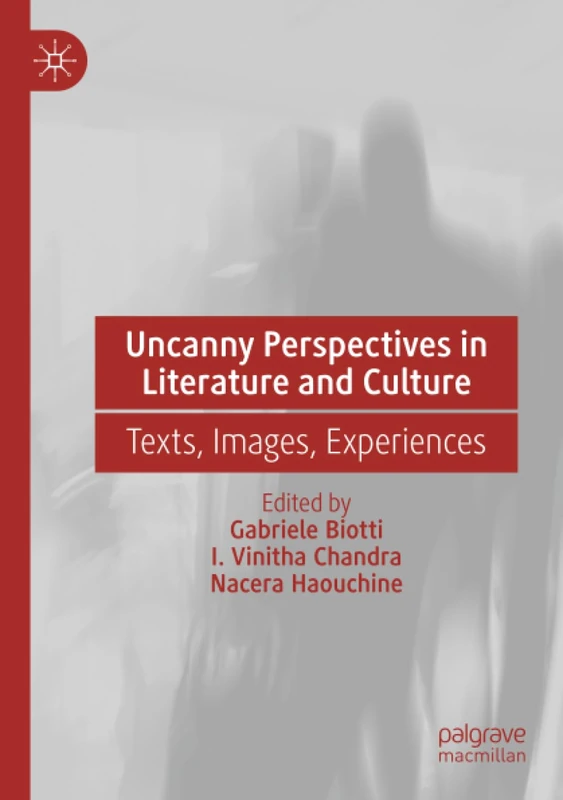
Uncanny Perspectives in Literature and Culture: Texts, Images, Experiences
Palgrave

Governance & Climate Justice: Wealth of Nature
Palgrave

Reimagining Security Communities: Systems Thinking Approach for Africa
MACMILLAN

Foul Play in the Nonprofit Sector: Analyzing Corruption in US Charities
MACMILLAN
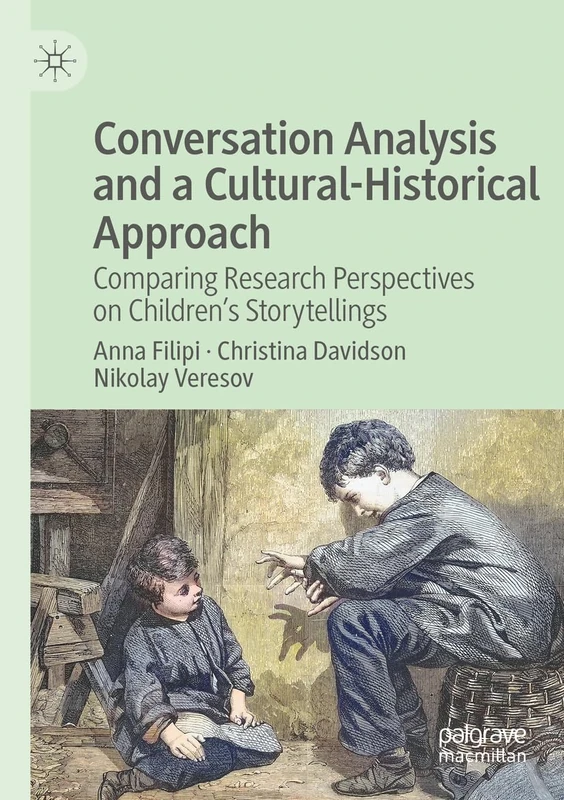
Conversation Analysis and a Cultural-Historical Approach: Comparing Research Perspectives on Children’s Storytellings
MACMILLAN

Australia in the Anthropocene: War Against China
MACMILLAN

Critical Sites of Inclusion in India’s Higher Education
MACMILLAN
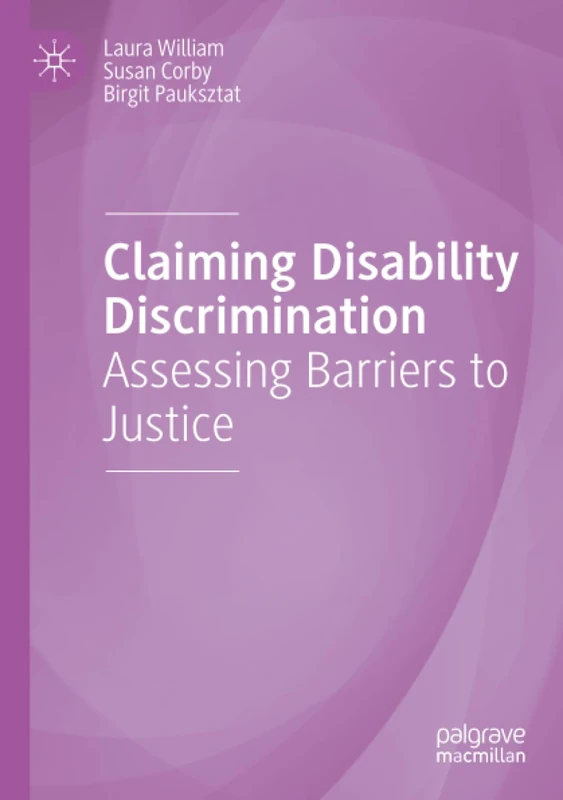
Claiming Disability Discrimination: Assessing Barriers to Justice
Palgrave