We can't find the internet
Attempting to reconnect
Something went wrong
Hang in there while we get back on track

£39.77
This is the most expensive it has ever been. Walk away.
£40 today · previous high £40 · all-time low £40
Springer The Taxobook: Applications, Implementation, and Integration in Search, Part 3 of a 3-Part Series (Synthesis Lectures on Information Concepts, Retrieval, and Services)
We'll watch every seller, every day. One email when your price arrives.
Price History & Forecast
Grey patches = out of stock. Cheaper = lower on the chart. Hover for exact prices.
Last 61 days · 61 data points (no recent data)
NEW HERE?
Amazon shows you one price. We show you all of them.
Tosheroon watches Amazon prices so you don't have to. Every product on Amazon has a price history — we make it visible. Set the price you'd actually pay, and we'll email you the second it gets there. No app, no account, one email.
WHAT'S ON THIS PAGE
when this has been cheap or pricey
where the price is heading next
all-time high & low, recent range
name your number, we'll email you
Price Distribution
Price distribution over 61 days • 1 price levels
Price Analysis
Most common price: £40 (61 days, 100.0%)
Price range: £40 - £40
Price levels: 1 different prices over 61 days
Description
Product Specifications
- Brand
- Springer
- Format
- paperback
- ASIN
- 3031011627
- Domain
- Amazon UK
- Release Date
- 26 November 2014
- Listed Since
- 01 June 2022
Barcode
No barcode data available
Similar Products You Might Like

Principles and Techniques of Contemporary Taxonomy (Experimental and Clinical Neuroscience)
Springer

Interdisciplinary Knowledge Organization
Springer

Subject Access to Visual Resources Collections: A Model for the Computer Construction of Thematic Catalogs: 11 (New Directions in Information Management)
Bloomsbury

Springer Map Functions - Geography Textbook for Higher Education
Springer

Knowledge Organization and Classification in International Information Retrieval
Routledge

Map Functions (Springer Geography)
Springer
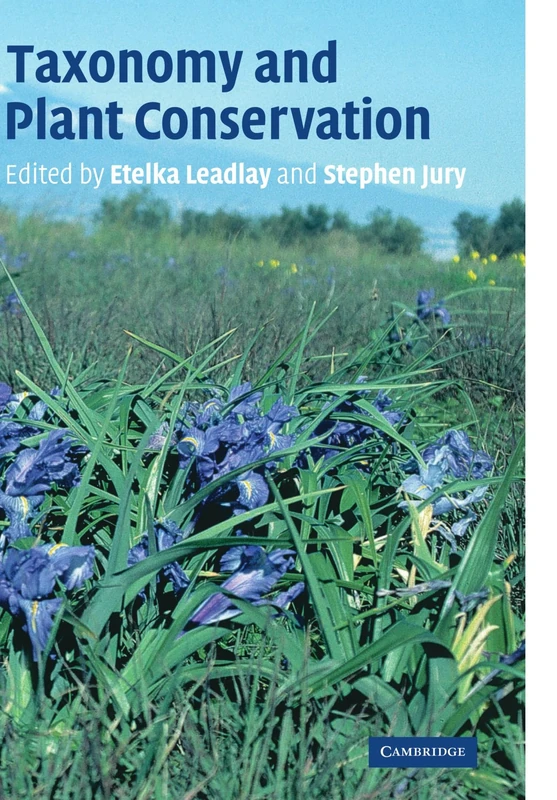
Taxonomy and Plant Conservation: The Cornerstone of the Conversation and the Sustainable Use Of Plants
Cambridge University Press

Towards Very Large Knowledge Bases: Knowledge Building & Knowledge Sharing 1995
Sage Publishing
Price unavailable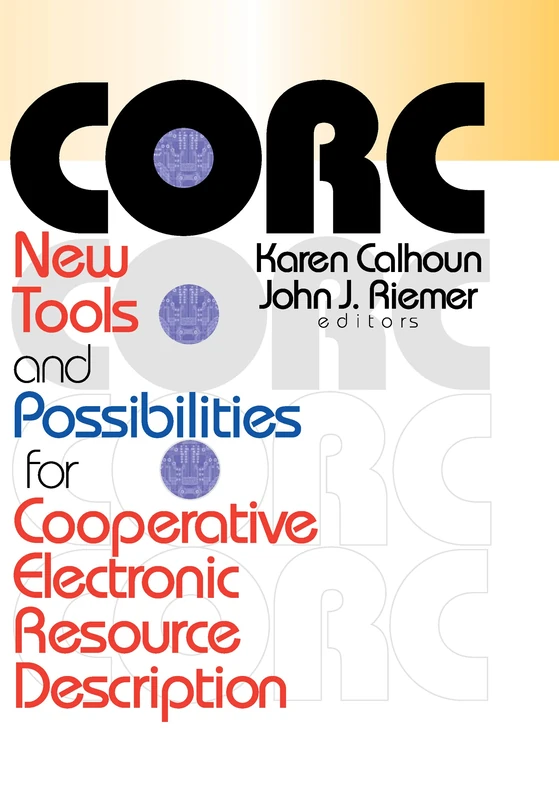
CORC: New Tools and Possibilities for Cooperative Electronic Resource Description
CRC Press

Knowledge-Based Development for Cities and Societies: Integrated Multi-Level Approaches (Premier Reference Source)
Information Science Reference

Third International Conference on Software, Services & Semantic Technologies S3T 2011: 101 (Advances in Intelligent and Soft Computing, 101)
Springer

Quality Issues in the Management of Web Information: 50 (Intelligent Systems Reference Library, 50)
Springer

Library Technical Services: Operations and Management: 91 (Library and Information Science, 91)
Academic Press

Data Cataloging: Embracing Artificial Intelligence and Machine Learning for Metadata
Technics Publications

Applications of Topic Models (Foundations and Trends in Information Retrieval)
Now Publishers
Price unavailable
The Organization of Information (Library and Information Science Text Series)
Bloomsbury

The Humanities: A Selective Guide to Information Sources: A Selective Guide to Information Sources, 5th Edition (Library and Information Science Text)
Bloomsbury

Full Text Databases (New Directions in Information Management)
Bloomsbury
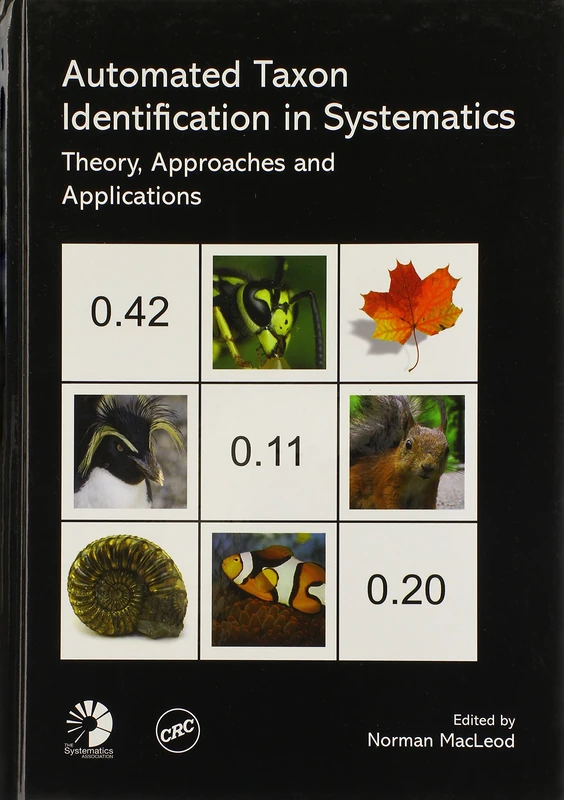
Automated Taxon Identification in Systematics: Theory, Approaches and Applications: 74 (Systematics Association Special Volume)
CRC Press

Future Directions in Digital Information: Predictions, Practice, Participation (Chandos Digital Information Review)
Elsevier

The Power to Name: Locating the Limits of Subject Representation in Libraries
Springer

Knowledge Architectures: Structures and Semantics
Routledge