We can't find the internet
Attempting to reconnect
Something went wrong
Hang in there while we get back on track
£115.72
This is the most expensive it has ever been. Walk away.
£116 today · previous high £116 · all-time low £114
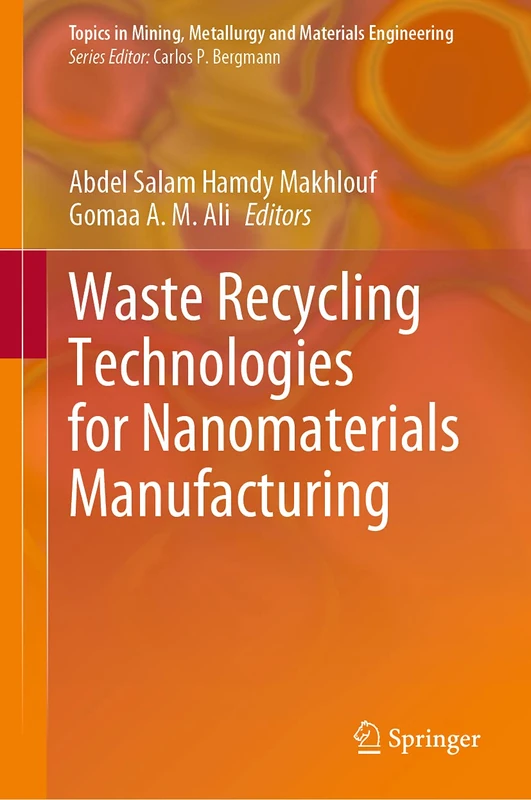
Springer Waste Recycling Technologies for Nanomaterials Manufacturing (Topics in Mining, Metallurgy and Materials Engineering)
We'll watch every seller, every day. One email when your price arrives.
Price History & Forecast
Grey patches = out of stock. Cheaper = lower on the chart. Hover for exact prices.
Last 79 days · 79 data points (no recent data)
NEW HERE?
Amazon shows you one price. We show you all of them.
Tosheroon watches Amazon prices so you don't have to. Every product on Amazon has a price history — we make it visible. Set the price you'd actually pay, and we'll email you the second it gets there. No app, no account, one email.
WHAT'S ON THIS PAGE
when this has been cheap or pricey
where the price is heading next
all-time high & low, recent range
name your number, we'll email you
Price Distribution
Price distribution over 79 days • 3 price levels
Price Analysis
Most common price: £116 (49 days, 62.0%)
Price range: £114 - £116
Price levels: 3 different prices over 79 days
Description
Product Specifications
- Brand
- Springer
- Format
- hardcover
- ASIN
- 3030680304
- Domain
- Amazon UK
- Release Date
- 10 May 2021
- Listed Since
- 16 December 2020
Barcode
No barcode data available
Similar Products You Might Like

Black Tio2 Nanomaterials for Energy Applications
World Scientific Publishing Company

Ni- and Fe-Based Cross-Coupling Reactions (Topics in Current Chemistry Collections)
Springer

Single-Walled Carbon Nanotubes: Preparation, Properties and Applications (Topics in Current Chemistry Collections)
Springer
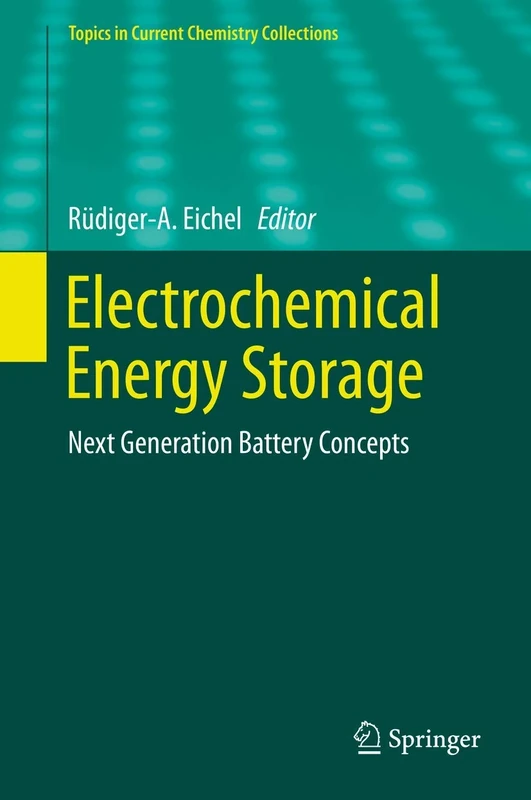
Electrochemical Energy Storage: Next Generation Battery Concepts (Topics in Current Chemistry Collections)
Springer
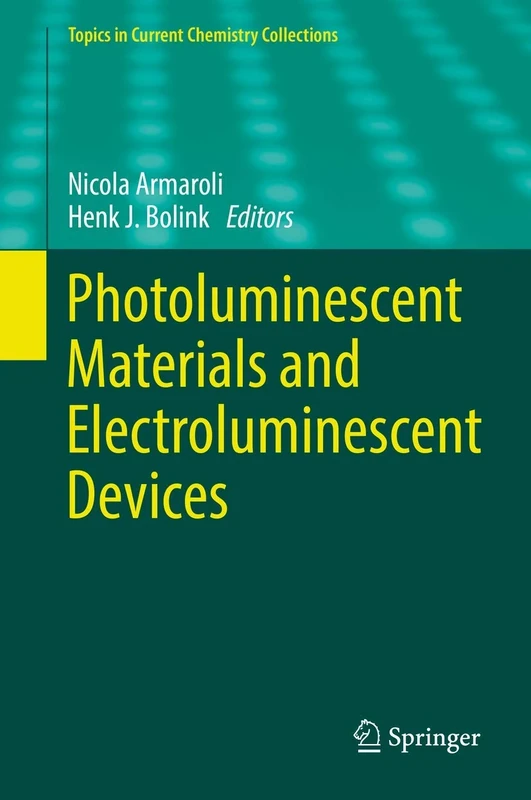
Photoluminescent Materials and Electroluminescent Devices (Topics in Current Chemistry Collections)
Springer

Chemical Transformations of Carbon Dioxide (Topics in Current Chemistry Collections)
Springer
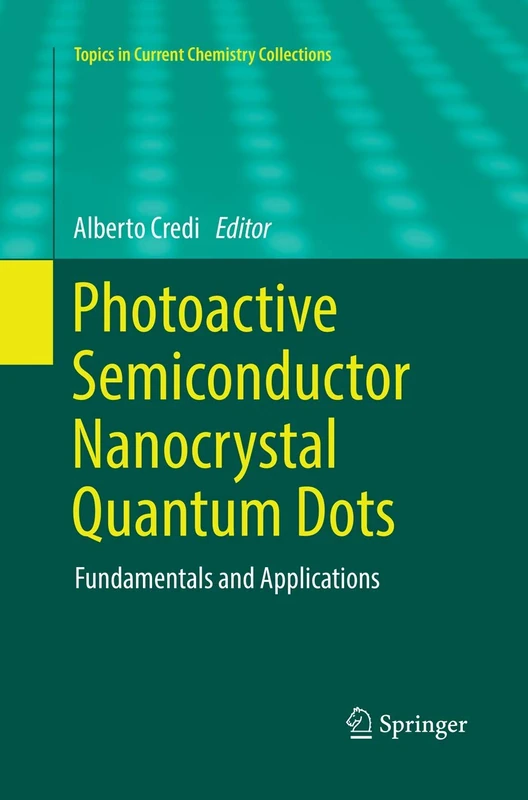
Photoactive Semiconductor Nanocrystal Quantum Dots: Fundamentals and Applications (Topics in Current Chemistry Collections)
Springer
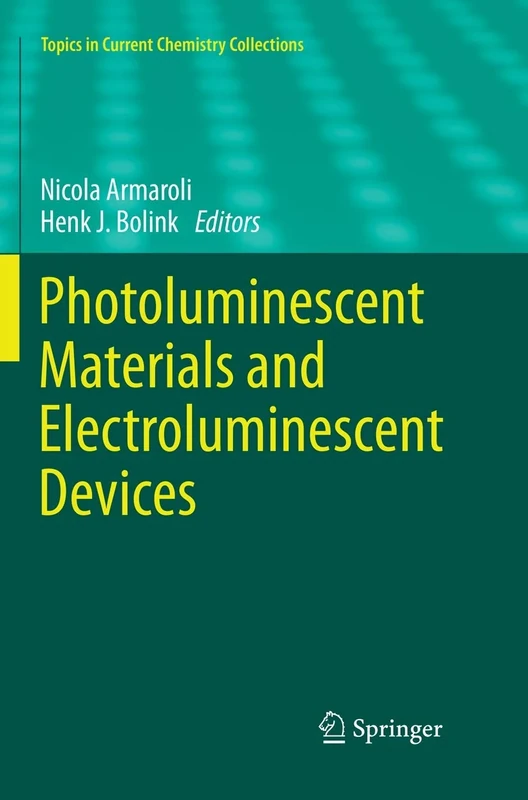
Photoluminescent Materials and Electroluminescent Devices (Topics in Current Chemistry Collections)
Springer

Sonochemistry: From Basic Principles to Innovative Applications (Topics in Current Chemistry Collections)
Springer

Chemical Transformations of Carbon Dioxide (Topics in Current Chemistry Collections)
Springer

Guanine Quartets: Structure and Application
Royal Society of Chemistry

Sonochemistry: From Basic Principles to Innovative Applications (Topics in Current Chemistry Collections)
Springer

Sulfur Chemistry (Topics in Current Chemistry Collections)
Springer

Hydrogen Transfer Reactions: Reductions and Beyond (Topics in Current Chemistry Collections)
Springer
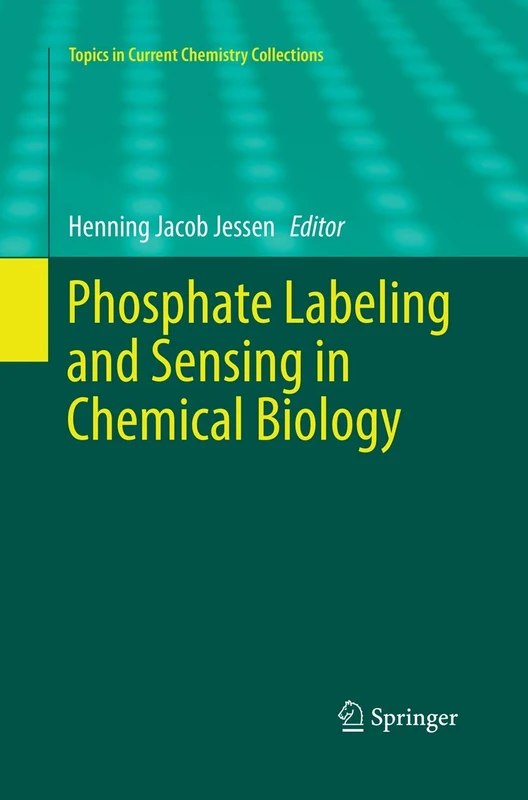
Phosphate Labeling and Sensing in Chemical Biology (Topics in Current Chemistry Collections)
Springer
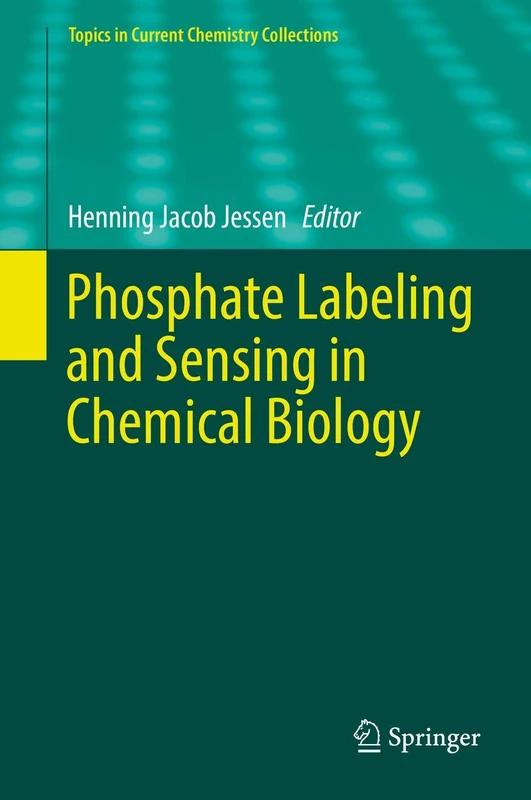
Phosphate Labeling and Sensing in Chemical Biology (Topics in Current Chemistry Collections)
Springer

Nanoscale Surface Modification for Enhanced Biosensing: A Journey Toward Better Glucose Monitoring
Springer

Molecular-Scale Electronics: Current Status and Perspectives (Topics in Current Chemistry Collections)
Springer

Physical Organic Chemistry of Quinodimethanes (Topics in Current Chemistry Collections)
Springer

Cycloadditions in Bioorthogonal Chemistry (Topics in Current Chemistry Collections)
Springer

Cycloadditions in Bioorthogonal Chemistry - Springer Collection
Springer

Hydrogen Transfer Reactions: Reductions and Beyond (Topics in Current Chemistry Collections)
Springer

Density Functionals: Thermochemistry: 365 (Topics in Current Chemistry, 365)
Springer

Intelligent Techniques and Applications in Science and Technology: Proceedings of the First International Conference on Innovations in Modern Science ... and Analytics in Intelligent Systems, 12)
Springer