We can't find the internet
Attempting to reconnect
Something went wrong
Hang in there while we get back on track
£73.11
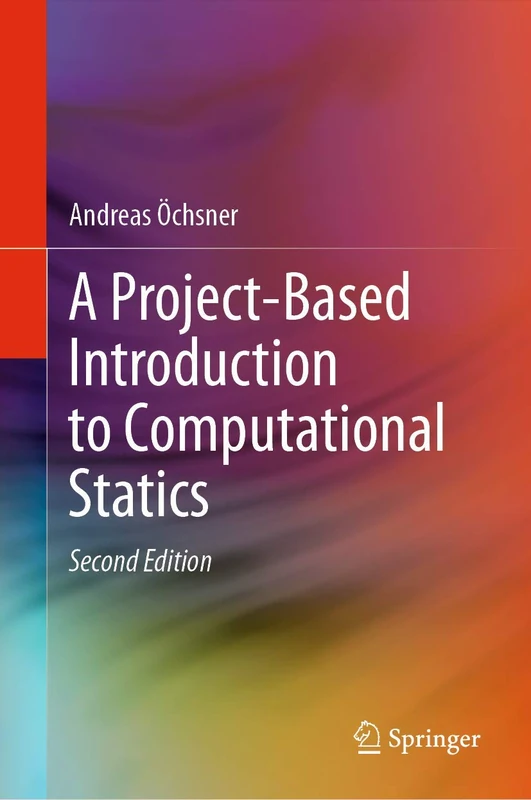
Springer A Project-Based Introduction to Computational Statics
Price data last checked 25 day(s) ago - will refresh soon
We'll watch every seller, every day. One email when your price arrives.
This is the most expensive it has ever been. Walk away.
£73 today · previous high £73 · all-time low £73
NEW HERE?
Amazon shows you one price. We show you all of them.
Tosheroon watches Amazon prices so you don't have to. Every product on Amazon has a price history — we make it visible. Set the price you'd actually pay, and we'll email you the second it gets there. No app, no account, one email.
WHAT'S ON THIS PAGE
when this has been cheap or pricey
where the price is heading next
all-time high & low, recent range
name your number, we'll email you
Price History & Forecast
Grey patches = out of stock. Cheaper = lower on the chart. Hover for exact prices.
Last 66 days · 66 data points (no recent data)
Price Distribution
Price distribution over 66 days • 1 price levels
Price Analysis
Most common price: £73 (66 days, 100.0%)
Price range: £73 - £73
Price levels: 1 different prices over 66 days
Description
Product Specifications
- Brand
- Springer
- Format
- hardcover
- ASIN
- 3030587703
- Domain
- Amazon UK
- Release Date
- 14 November 2020
- Listed Since
- 01 August 2020
Barcode
No barcode data available
Similar Products You Might Like

Engineering Design Applications II: Structures, Materials and Processes: 113 (Advanced Structured Materials, 113)
Springer

Nonlinear Finite Element Methods
Springer

Elastoplasticity Theory: 69 (Lecture Notes in Applied and Computational Mechanics)
Springer
Fundamentals of Structural Mechanics
Springer
Engineering Computation of Structures: The Finite Element Method
Springer

Machining, Joining and Modifications of Advanced Materials: 61 (Advanced Structured Materials, 61)
Springer

Advanced Finite Element Simulation with MSC Marc: Application of User Subroutines
Springer

Essentials of the Finite Element Method
Academic Press
Numerical Simulation of Mechatronic Sensors and Actuators
Springer
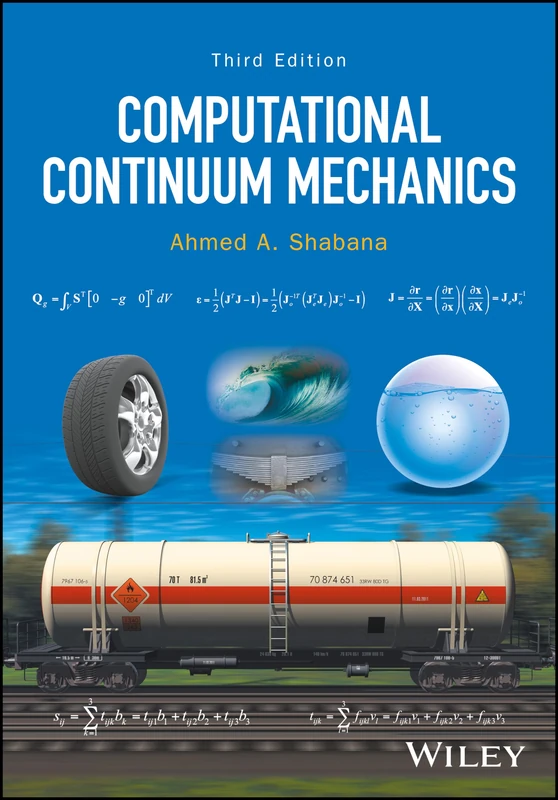
Computational Continuum Mechanics
Wiley
Structural Mechanics: The Theory of Structural Mechanics for Civil, Structural and Mechanical Engineers
Springer

Finite Element Applications: A Practical Guide to the FEM Process (Springer Tracts in Mechanical Engineering)
Springer

Numerical Assessments of Cracks in Elastic-Plastic Materials: 4 (Lecture Notes in Applied and Computational Mechanics, 4)
Springer
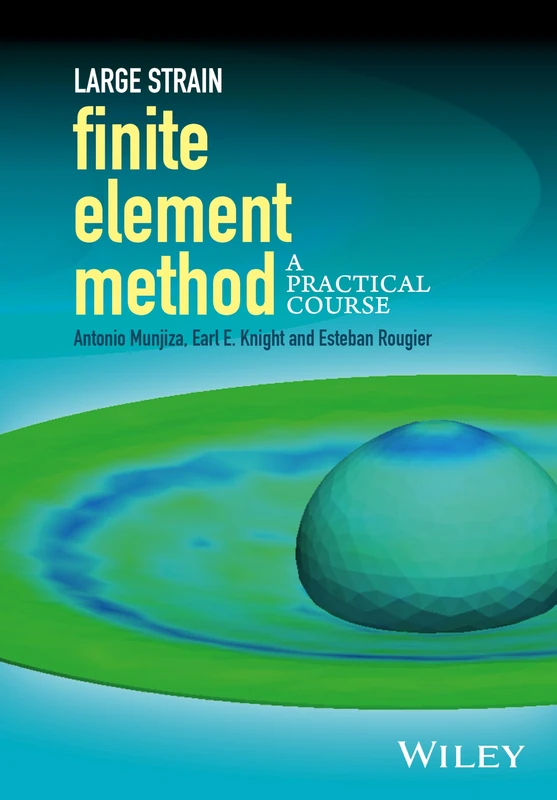
Large Strain Finite Element Method: A Practical Course
Wiley
Mechanics of Composite Structural Elements
Springer
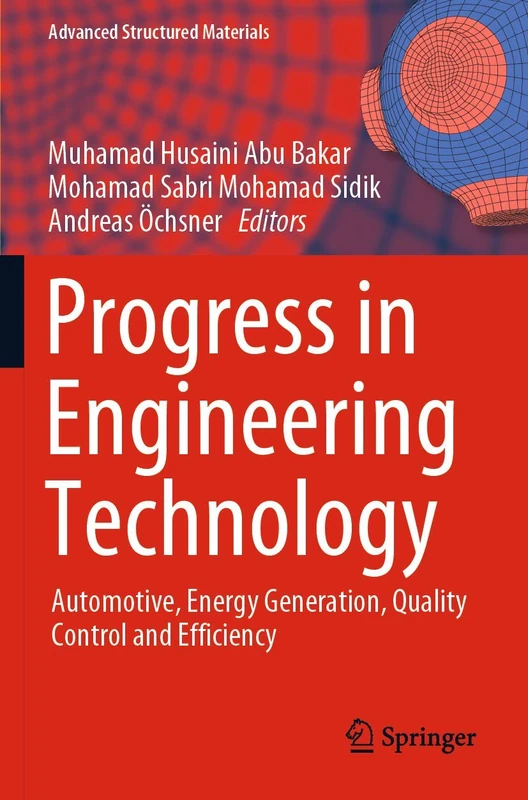
Progress in Engineering Technology: Automotive, Energy Generation, Quality Control and Efficiency: 119 (Advanced Structured Materials, 119)
Springer

Intermediate Mechanics of Materials: 175 (Solid Mechanics and Its Applications, 175)
Springer
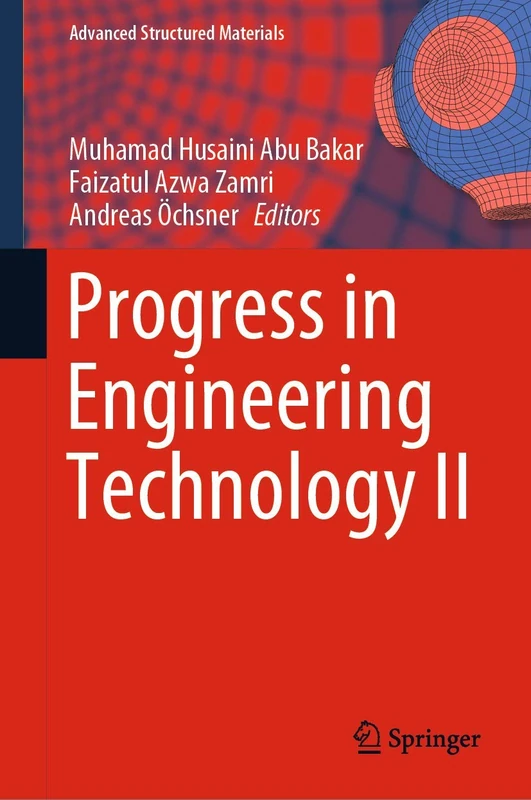
Progress in Engineering Technology II: 131 (Advanced Structured Materials, 131)
Springer
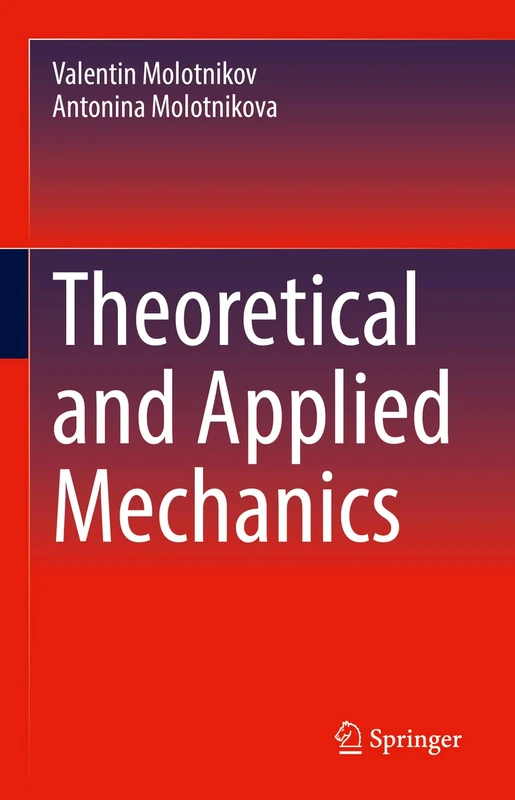
Theoretical and Applied Mechanics
Springer
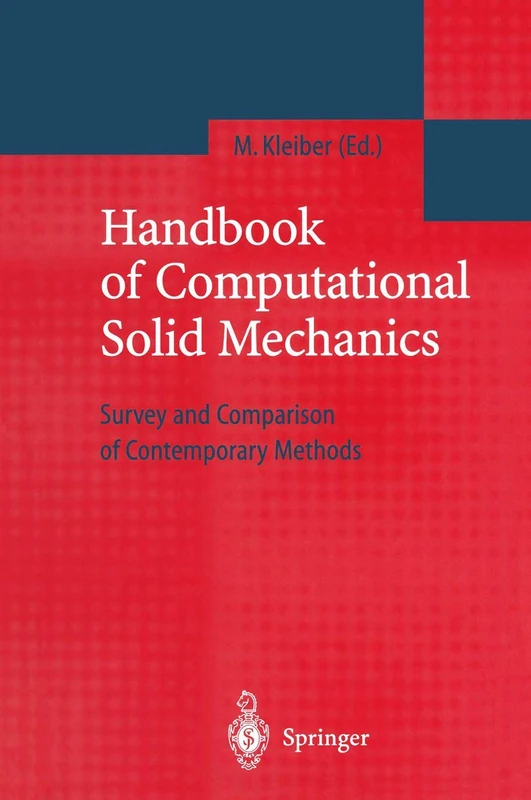
Handbook of Computational Solid Mechanics: Survey and Comparison of Contemporary Methods
Springer
Computational Engineering
Springer
Trends in Computational Contact Mechanics: 58 (Lecture Notes in Applied and Computational Mechanics, 58)
Springer
Mechanics of Structural Elements: Theory and Applications (Foundations of Engineering Mechanics)
Springer

Stress Analysis with an Introduction to Finite Element Methods
Cognella Academic Publishing