We can't find the internet
Attempting to reconnect
Something went wrong
Hang in there while we get back on track

£92.22
This is the most expensive it has ever been. Walk away.
£92 today · previous high £92 · all-time low £92
MACMILLAN The Arts and the Teaching of History: Historical F(r)ictions
We'll watch every seller, every day. One email when your price arrives.
Price History & Forecast
Grey patches = out of stock. Cheaper = lower on the chart. Hover for exact prices.
Last 16 days · 16 data points (no recent data)
NEW HERE?
Amazon shows you one price. We show you all of them.
Tosheroon watches Amazon prices so you don't have to. Every product on Amazon has a price history — we make it visible. Set the price you'd actually pay, and we'll email you the second it gets there. No app, no account, one email.
WHAT'S ON THIS PAGE
when this has been cheap or pricey
where the price is heading next
all-time high & low, recent range
name your number, we'll email you
Price Distribution
Price distribution over 16 days • 1 price levels
Price Analysis
Most common price: £92 (16 days, 100.0%)
Price range: £92 - £92
Price levels: 1 different prices over 16 days
Description
Product Specifications
- Brand
- MACMILLAN
- Format
- paperback
- ASIN
- 303051515X
- Domain
- Amazon UK
- Release Date
- 27 August 2021
- Listed Since
- 31 July 2021
Barcode
No barcode data available
Similar Products You Might Like
The Curriculum Foundations Reader
MACMILLAN
Imagining Early Modern Histories
Routledge
Researching History Education: Theory, Method, and Context
Routledge
Understanding Art Education: Engaging Reflexively with Practice (Teaching School Subjects 11-19)
Routledge
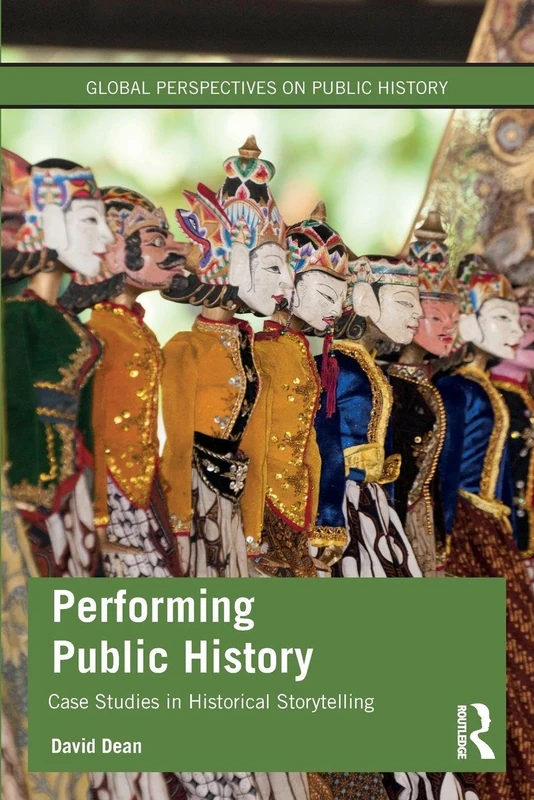
Performing Public History: Case Studies in Historical Storytelling (Global Perspectives on Public History)
Routledge
Teaching U.S. History: Dialogues Among Social Studies Teachers and Historians (Transforming Teaching)
Routledge

Learning and Teaching Literature with the Arts for Social Justice
Routledge
Youth Practices in Digital Arts and New Media: Learning in Formal and Informal Settings
Palgrave Pivot
The Historical Imagination in Early Modern Britain: History, Rhetoric, and Fiction, 1500-1800 (Woodrow Wilson Center Press)
Cambridge University Press
Non-Representational Theory and the Creative Arts
MACMILLAN
Learning and Teaching Literature with the Arts for Social Justice
Routledge
Teaching Art in a Postmodern World: Theories, Teacher Reflections and Interpretive Frameworks
Common Ground Publishing
Histories of Exhibition Design in the Museum: Makers, Process, and Practice (Museum Making)
Routledge
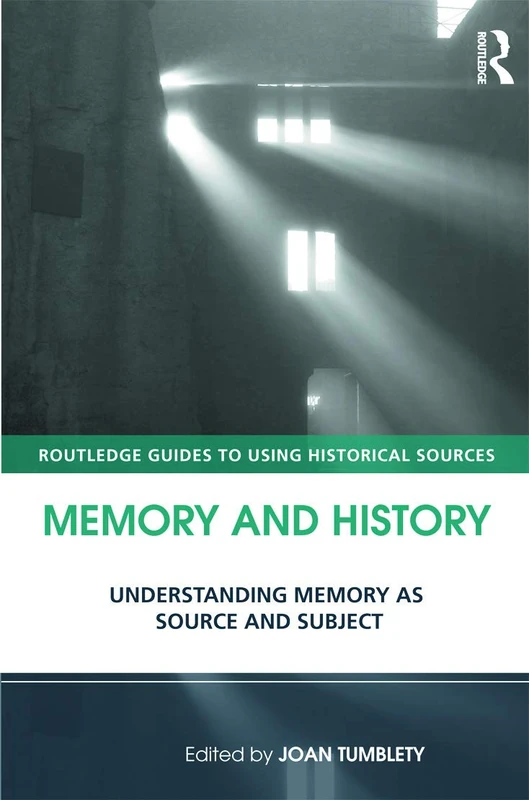
Memory and History: Understanding Memory as Source and Subject (Routledge Guides to Using Historical Sources)
Routledge
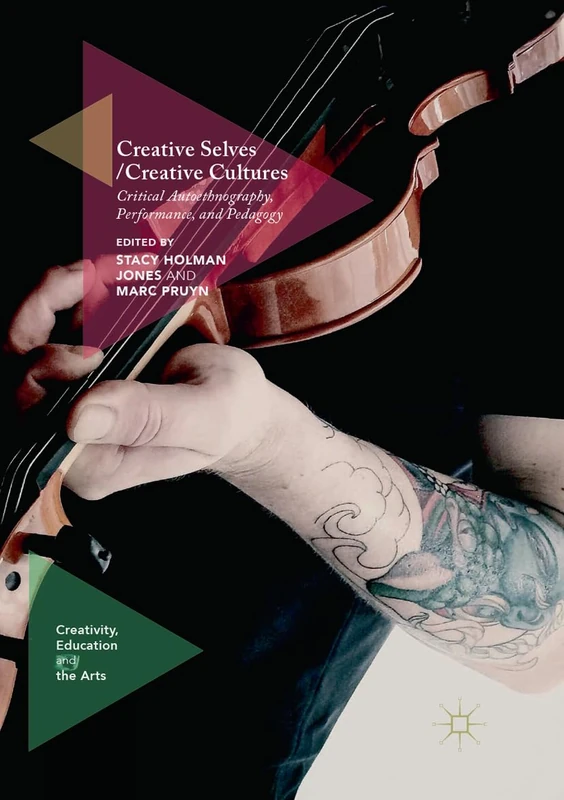
Creative Selves / Creative Cultures: Critical Autoethnography, Performance, and Pedagogy (Creativity, Education and the Arts)
MACMILLAN
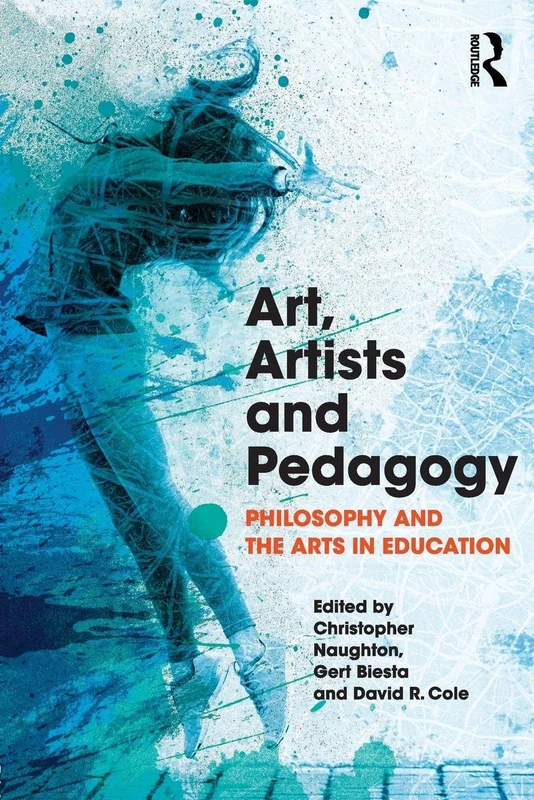
Art, Artists and Pedagogy: Philosophy and the Arts in Education
Routledge
Cultural History and Education: Critical Essays on Knowledge and Schooling
Routledge
Teaching Landscape History
Routledge
Teaching and Learning Difficult Histories in International Contexts: A Critical Sociocultural Approach (Routledge Research in International and Comparative Education)
Routledge
Liberating Histories
Routledge
Creative Selves / Creative Cultures: Critical Autoethnography, Performance, and Pedagogy (Creativity, Education and the Arts)
Springer
Exploring and Expanding Literacy Histories of the United States: A Spotlight on Under-Recognized Histories
Routledge
Rhetoric, Social Value and the Arts: But How Does it Work?
Springer
Theorising the Artist Interview (Routledge Research in Art History)
Routledge