We can't find the internet
Attempting to reconnect
Something went wrong
Hang in there while we get back on track
£123.61
This is the most expensive it has ever been. Walk away.
£124 today · previous high £124 · all-time low £123
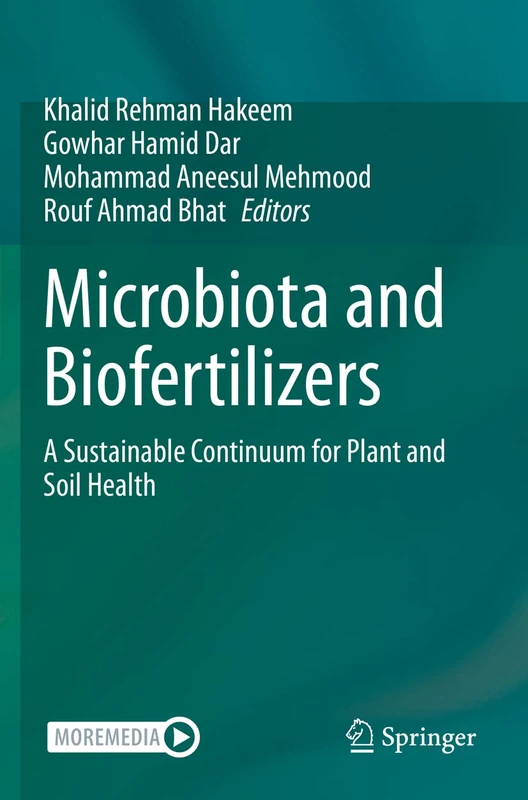
Springer Microbiota and Biofertilizers: A Sustainable Continuum for Plant and Soil Health
We'll watch every seller, every day. One email when your price arrives.
Price History & Forecast
Grey patches = out of stock. Cheaper = lower on the chart. Hover for exact prices.
Last 17 days · 17 data points (no recent data)
NEW HERE?
Amazon shows you one price. We show you all of them.
Tosheroon watches Amazon prices so you don't have to. Every product on Amazon has a price history — we make it visible. Set the price you'd actually pay, and we'll email you the second it gets there. No app, no account, one email.
WHAT'S ON THIS PAGE
when this has been cheap or pricey
where the price is heading next
all-time high & low, recent range
name your number, we'll email you
Price Distribution
Price distribution over 17 days • 2 price levels
Price Analysis
Most common price: £123 (16 days, 94.1%)
Price range: £123 - £124
Price levels: 2 different prices over 17 days
Description
Product Specifications
- Brand
- Springer
- Format
- paperback
- ASIN
- 3030487733
- Category
- Books > Subjects > Crafts, Hobbies & Home > Gardening > Professional Horticulture > Soil Science
- Domain
- Amazon UK
- Release Date
- 09 December 2021
- Listed Since
- 11 November 2021
Barcode
No barcode data available
Similar Products You Might Like
Biofertilizers for Sustainable Agriculture and Environment: 55 (Soil Biology, 55)
Springer
Microbial Fertilizers: Innovations and Applications for Sustainable Agriculture (Developments in Applied Microbiology and Biotechnology)
Elsevier
Bioformulations: for Sustainable Agriculture
Springer
Composting for Sustainable Agriculture: 3 (Sustainable Development and Biodiversity, 3)
Springer
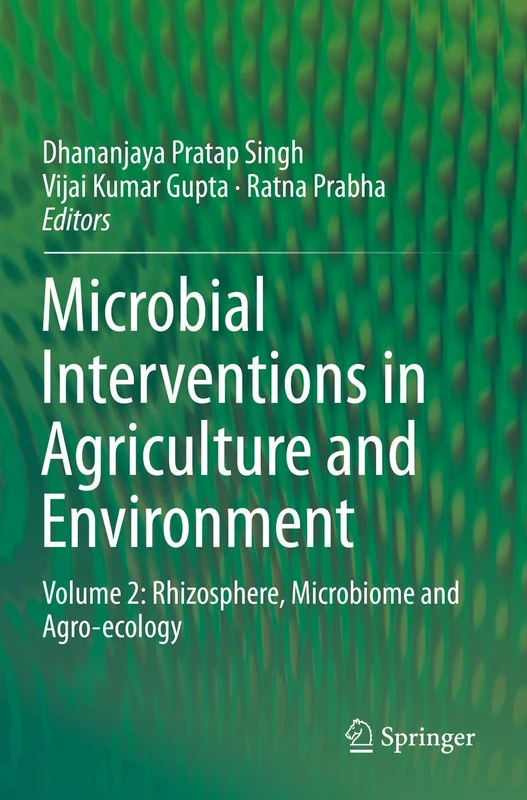
Microbial Interventions in Agriculture and Environment: Volume 2: Rhizosphere, Microbiome and Agro-ecology
Springer

Phytobiomes: Current Insights and Future Vistas
Springer
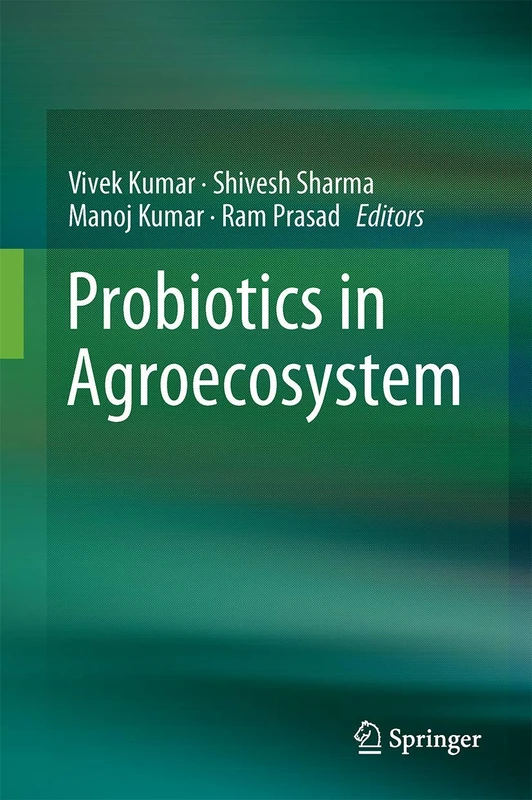
Probiotics in Agroecosystem
Springer

Bacterial Metabolites in Sustainable Agroecosystem: 12 (Sustainable Development and Biodiversity, 12)
Springer

Nanobiotechnology in Bioformulations (Nanotechnology in the Life Sciences)
Springer
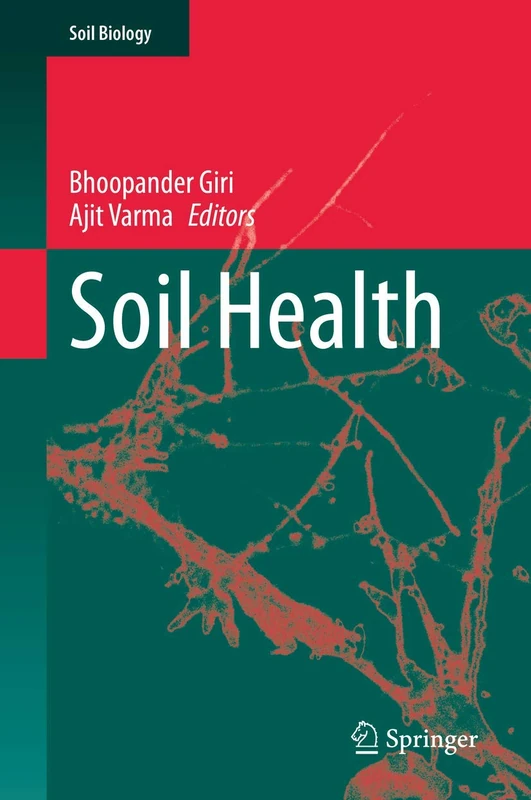
Soil Health: 59 (Soil Biology, 59)
Springer

Mycorrhizal Biology
Springer
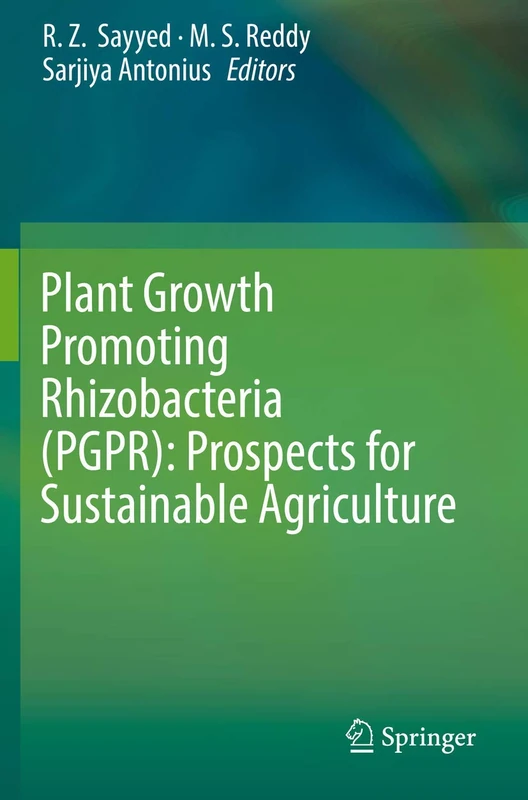
Plant Growth Promoting Rhizobacteria (PGPR): Prospects for Sustainable Agriculture
Springer

Plant Microbe Symbiosis: Fundamentals and Advances
Springer
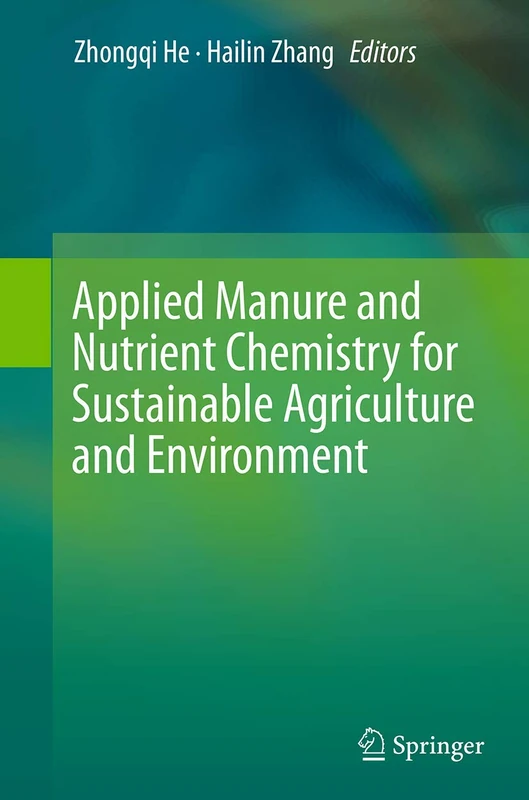
Applied Manure and Nutrient Chemistry for Sustainable Agriculture and Environment
Springer
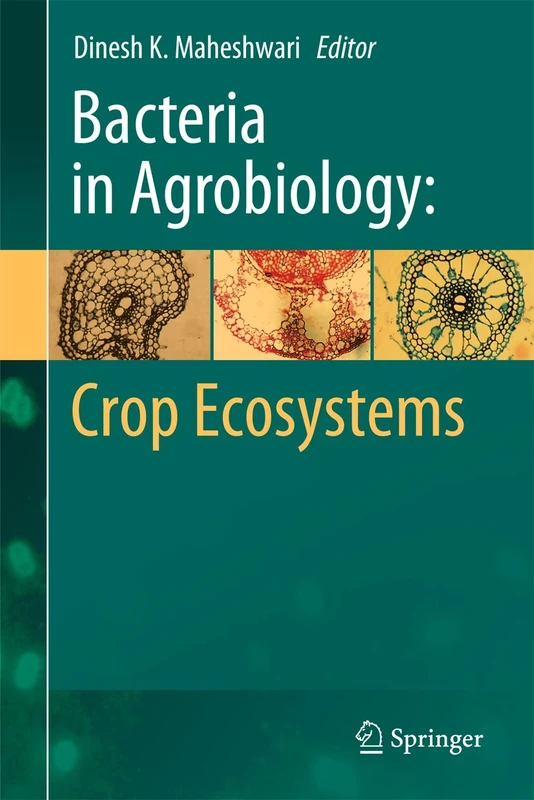
Bacteria in Agrobiology: Crop Ecosystems
Springer

Beneficial Plant-Bacterial Interactions
Springer
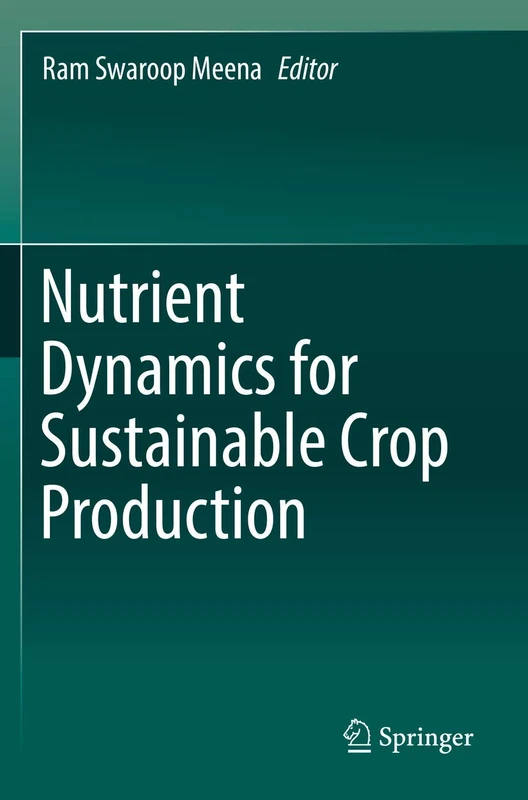
Nutrient Dynamics for Sustainable Crop Production
Springer
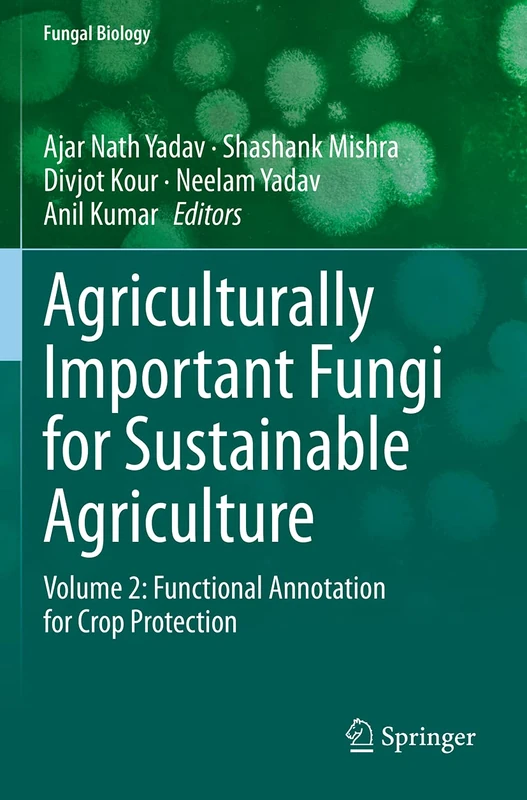
Agriculturally Important Fungi for Sustainable Agriculture: Volume 2: Functional Annotation for Crop Protection (Fungal Biology)
Springer
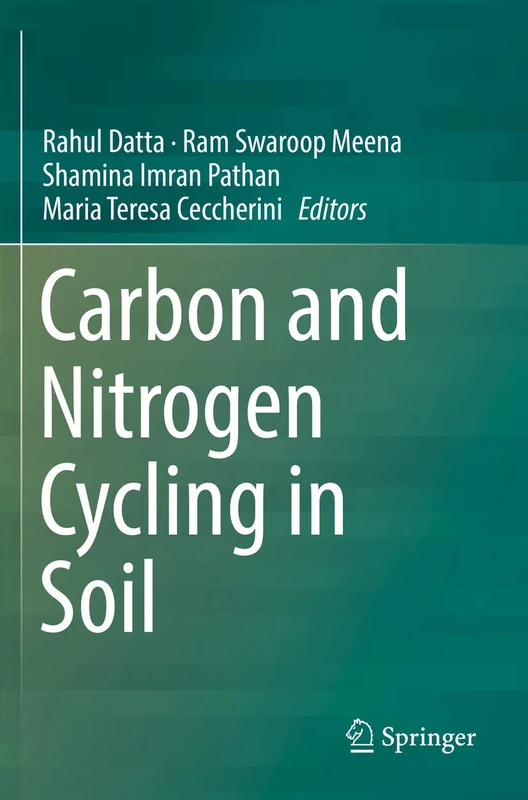
Carbon and Nitrogen Cycling in Soil
Springer
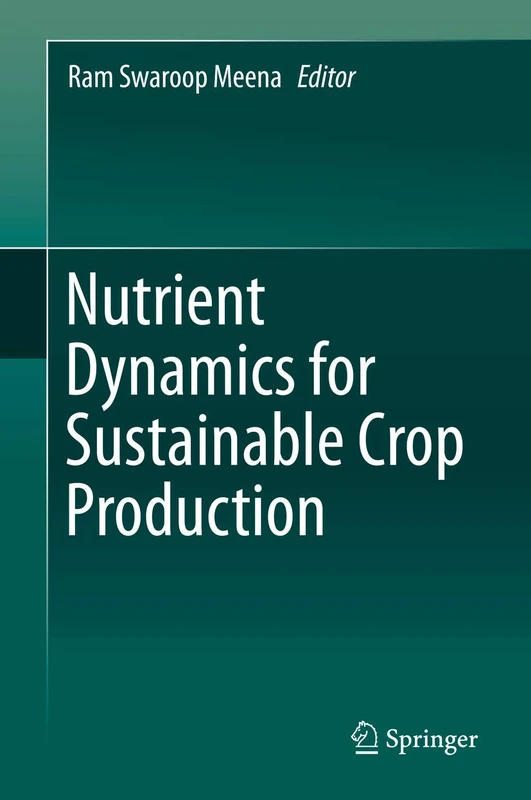
Nutrient Dynamics for Sustainable Crop Production
Springer

Phyto-Microbiome in Stress Regulation (Environmental and Microbial Biotechnology)
Springer
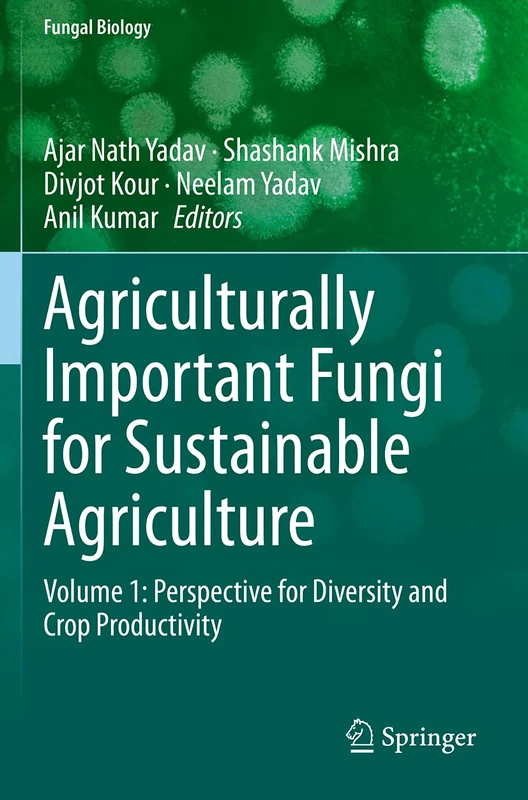
Agriculturally Important Fungi for Sustainable Agriculture: Volume 1: Perspective for Diversity and Crop Productivity (Fungal Biology)
Springer

Phyto-Microbiome in Stress Regulation (Environmental and Microbial Biotechnology)
Springer
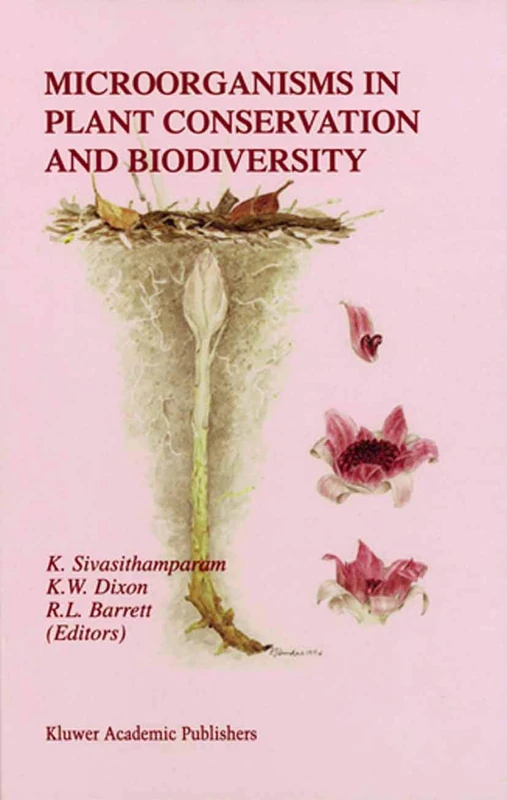
Microorganisms in Plant Conservation and Biodiversity
Springer