We can't find the internet
Attempting to reconnect
Something went wrong
Hang in there while we get back on track

£112.46
It has never been this cheap. We have no record of a lower price.
£112 today · cheaper than every other day in the last 3 months
Springer Management of Fungal Pathogens in Pulses: Current Status and Future Challenges (Fungal Biology)
We'll watch every seller, every day. One email when your price arrives.
Price History & Forecast
Grey patches = out of stock. Cheaper = lower on the chart. Hover for exact prices.
Last 8 days · 8 data points (no recent data)
NEW HERE?
Amazon shows you one price. We show you all of them.
Tosheroon watches Amazon prices so you don't have to. Every product on Amazon has a price history — we make it visible. Set the price you'd actually pay, and we'll email you the second it gets there. No app, no account, one email.
WHAT'S ON THIS PAGE
when this has been cheap or pricey
where the price is heading next
all-time high & low, recent range
name your number, we'll email you
Price Distribution
Price distribution over 8 days • 1 price levels
Price Analysis
Most common price: £112 (8 days, 100.0%)
Price range: £112 - £112
Price levels: 1 different prices over 8 days
Description
Product Specifications
- Brand
- Springer
- Format
- paperback
- ASIN
- 3030359492
- Domain
- Amazon UK
- Release Date
- 04 February 2021
- Listed Since
- 08 January 2021
Barcode
No barcode data available
Similar Products You Might Like

Ascochyta blights of grain legumes
Springer

Agriculturally Important Fungi for Sustainable Agriculture: Volume 2: Functional Annotation for Crop Protection (Fungal Biology)
Springer

Botrytis – the Fungus, the Pathogen and its Management in Agricultural Systems
Springer

Current Trends in Plant Disease Diagnostics and Management Practices: 0 (Fungal Biology)
Springer

Agriculturally Important Fungi for Sustainable Agriculture: Volume 1: Perspective for Diversity and Crop Productivity (Fungal Biology)
Springer
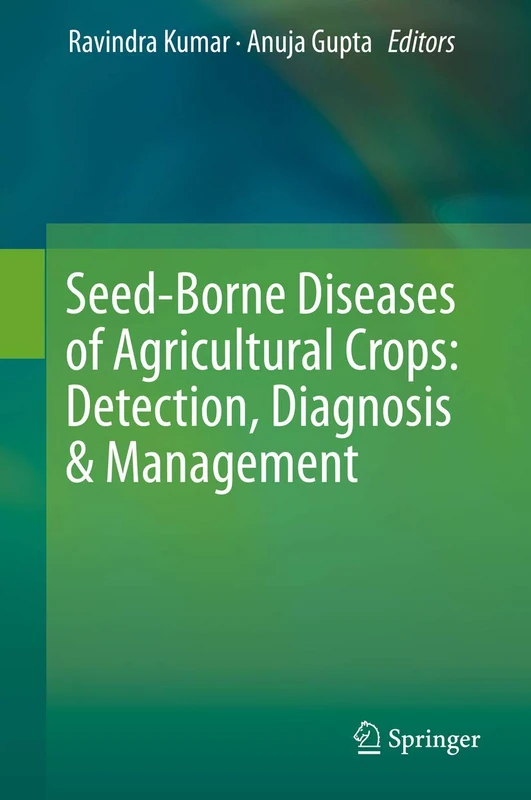
Seed-Borne Diseases of Agricultural Crops: Detection, Diagnosis & Management
Springer

Breeding for Enhanced Nutrition and Bio-Active Compounds in Food Legumes
Springer

Downy Mildew Disease of Crucifers: Biology, Ecology and Disease Management
Springer

Legumes in the Omic Era
Springer

Major Fungal Diseases of Rice: Recent Advances: 239 (Heidelberger Taschenbucher)
Springer
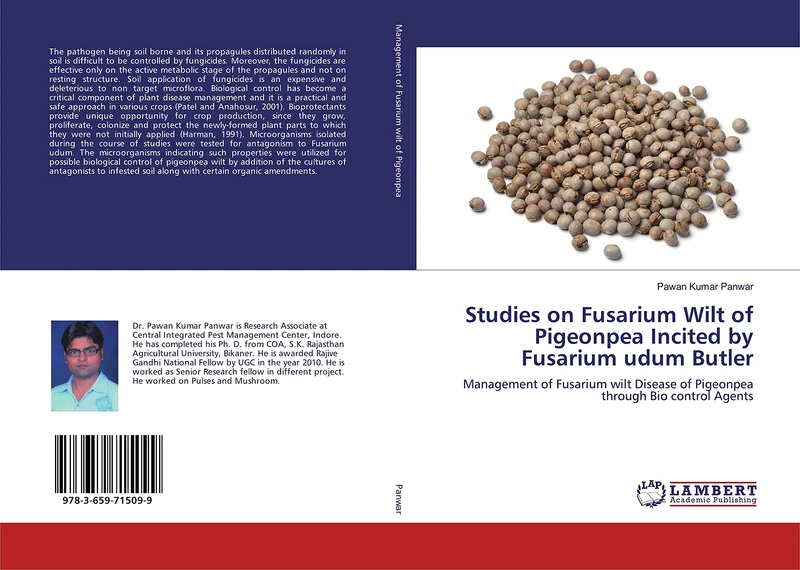
Studies on Fusarium Wilt of Pigeonpea Incited by Fusarium udum Butler: Management of Fusarium wilt Disease of Pigeonpea through Bio control Agents
LAP Lambert Academic Publishing

Plant Growth Promoting Rhizobacteria (PGPR): Prospects for Sustainable Agriculture
Springer

Recent Trends in Human and Animal Mycology
Springer

Fungal Endophytes Volume II: Applications in Agroecosystems and Plant Protection
Springer

Genomics of Plant-Associated Fungi: Monocot Pathogens
Springer

Rhizoctonia Species: Taxonomy, Molecular Biology, Ecology, Pathology and Disease Control
Springer
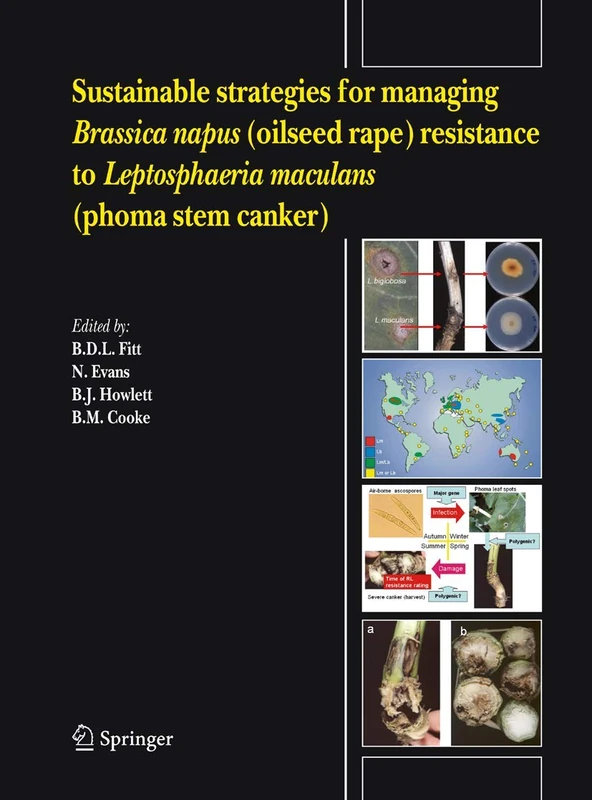
Sustainable strategies for managing Brassica napus (oilseed rape) resistance to Leptosphaeria maculans (phoma stem canker)
Springer

Advances in Downy Mildew Research: Volume 2: 16 (Developments in Plant Pathology, 16)
Springer

Legume Nitrogen Fixation in Soils with Low Phosphorus Availability: Adaptation and Regulatory Implication
Springer

Plant Disease Management for Food Security: Role of Plant Diseases in Global Food Security
LAP Lambert Academic Publishing
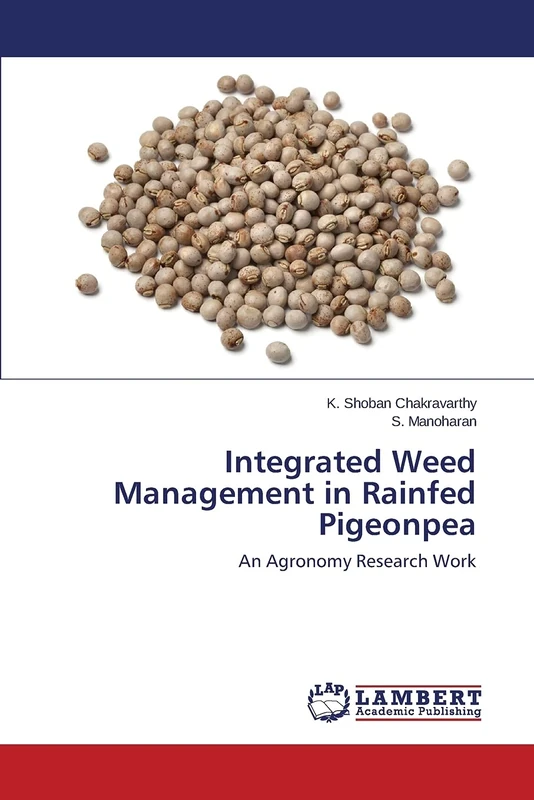
Integrated Weed Management in Rainfed Pigeonpea: An Agronomy Research Work
LAP Lambert Academic Publishing

Fungicides: Classification, Role in Disease Management & Toxicity Effects (Biochemistry Research Trends)

Biological Management of Rice Sheath Blight: Factors affecting efficacy of Trichoderma spp. as biocontrol agents against sheath blight of rice
LAP Lambert Academic Publishing

Downy Mildew in Pearl Millet: A biochemical Approach for its Screening
LAP Lambert Academic Publishing