We can't find the internet
Attempting to reconnect
Something went wrong
Hang in there while we get back on track
£58.42
This is the most expensive it has ever been. Walk away.
£58 today · previous high £58 · all-time low £58
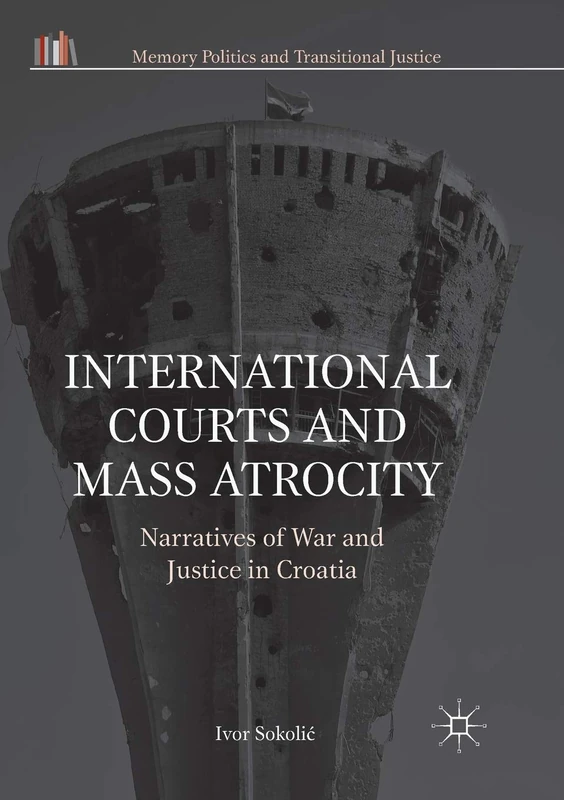
MACMILLAN International Courts and Mass Atrocity: Narratives of War and Justice in Croatia (Memory Politics and Transitional Justice)
We'll watch every seller, every day. One email when your price arrives.
Price History & Forecast
Grey patches = out of stock. Cheaper = lower on the chart. Hover for exact prices.
Last 47 days · 47 data points (no recent data)
NEW HERE?
Amazon shows you one price. We show you all of them.
Tosheroon watches Amazon prices so you don't have to. Every product on Amazon has a price history — we make it visible. Set the price you'd actually pay, and we'll email you the second it gets there. No app, no account, one email.
WHAT'S ON THIS PAGE
when this has been cheap or pricey
where the price is heading next
all-time high & low, recent range
name your number, we'll email you
Price Distribution
Price distribution over 47 days • 1 price levels
Price Analysis
Most common price: £58 (47 days, 100.0%)
Price range: £58 - £58
Price levels: 1 different prices over 47 days
Description
Product Specifications
- Brand
- MACMILLAN
- Format
- paperback
- ASIN
- 3030081125
- Domain
- Amazon UK
- Release Date
- 01 February 2019
- Listed Since
- 31 January 2019
Barcode
No barcode data available
Similar Products You Might Like
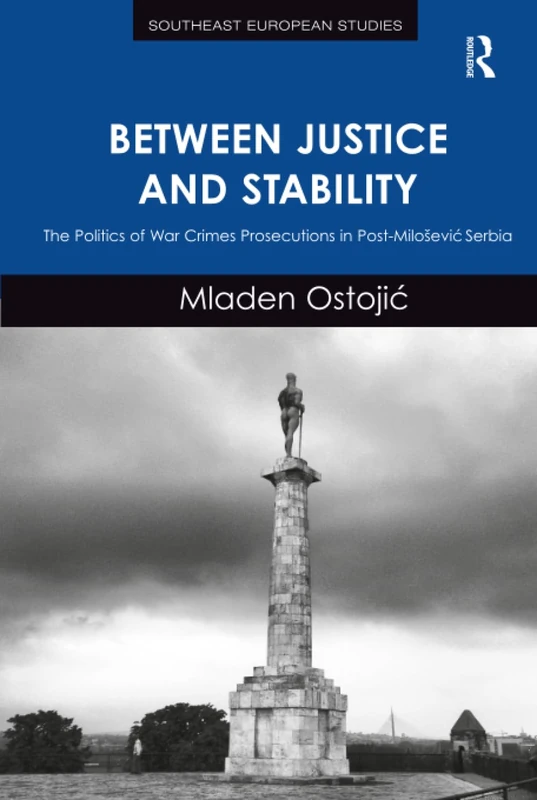
Between Justice and Stability: The Politics of War Crimes Prosecutions in Post-Miloševic Serbia (Southeast European Studies)
Routledge
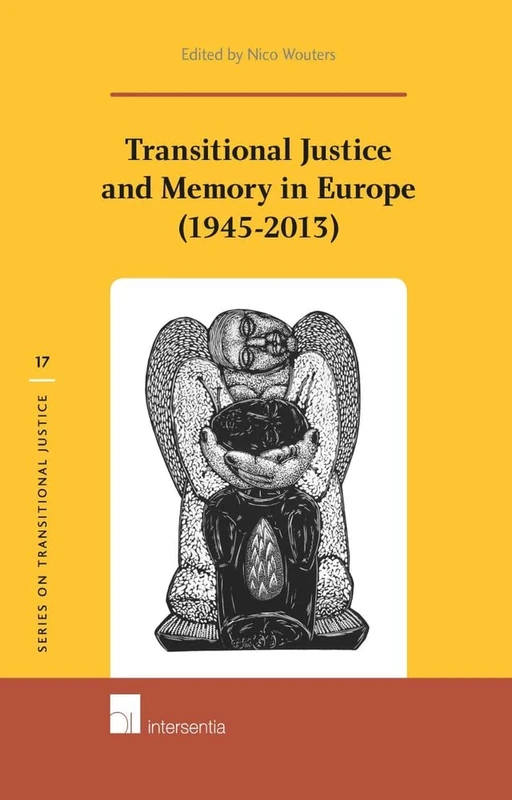
Transitional Justice and Memory in Europe (1945-2013) (Series on Transitional Justice): 17
Intersentia
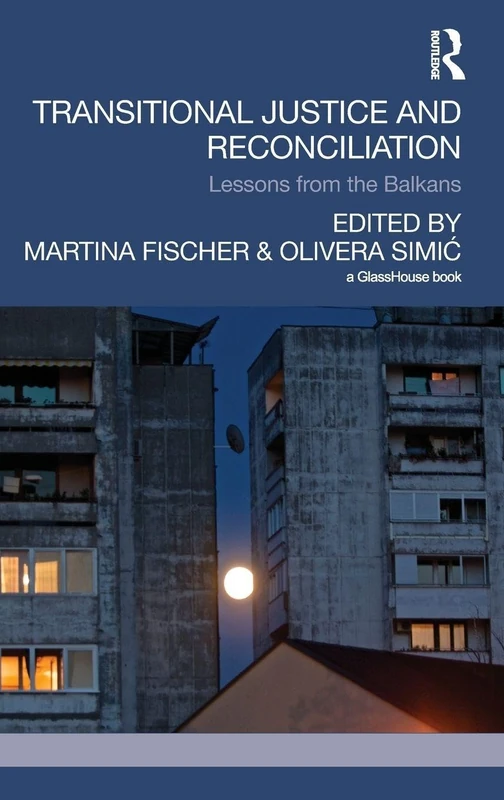
Transitional Justice and Reconciliation: Balkans Lessons
Routledge
Truth Commissions and Transitional Societies - Human Rights Impact
Routledge
Transitional Justice Theories - Routledge Law Book
Routledge
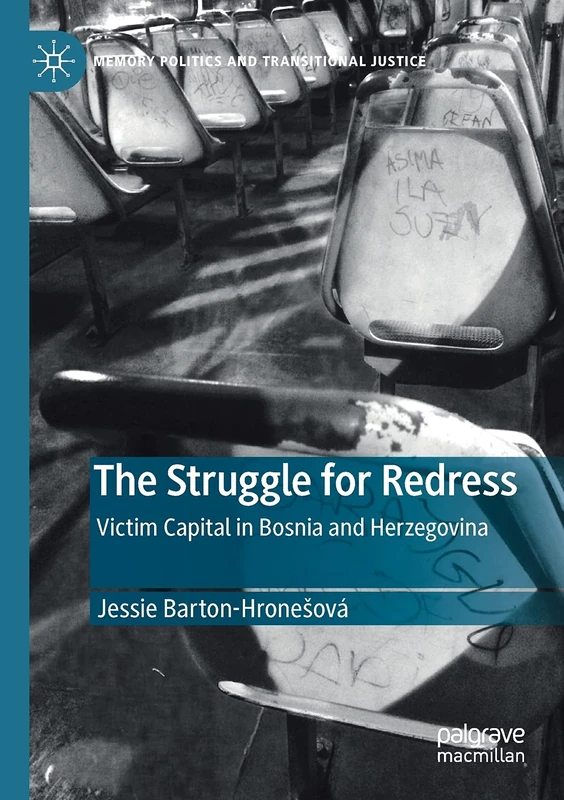
The Struggle for Redress: Victim Capital in Bosnia and Herzegovina (Memory Politics and Transitional Justice)
MACMILLAN
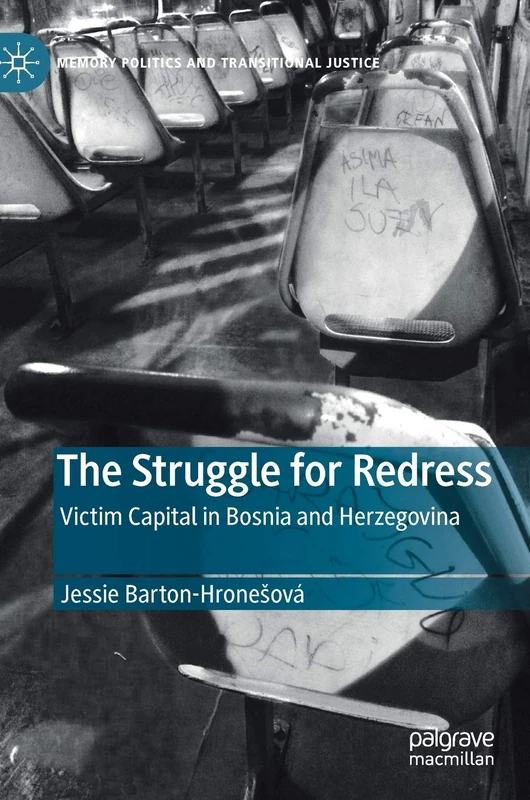
The Struggle for Redress: Victim Capital in Bosnia and Herzegovina (Memory Politics and Transitional Justice)
MACMILLAN
South Africa's Struggle to Remember: Contested Memories of Squatter Resistance in the Western Cape (Europa Perspectives in Transitional Justice)
Routledge
Prosecuting Slobodan Milošević: The Unfinished Trial (Contemporary Security Studies)
Routledge
Nationhood and Politicization of History in School Textbooks: Identity, the Curriculum and Educational Media
MACMILLAN
Nationalism and the Politicization of History in the Former Yugoslavia (Modernity, Memory and Identity in South-East Europe)
MACMILLAN
Business, Human Rights and Transitional Justice
Routledge
Reparations for Child Victims of Armed Conflict: State of the Field and Current Challenges (Series on Transnational Justice): 22
Intersentia
Understanding International Law
Wiley
Bridging Divides in Transitional Justice: The Extraordinary Chambers in the Courts of Cambodia (Series on Transnational Justice): 23
Intersentia
Negotiating Sovereignty and Human Rights: International Society and the International Criminal Court
Manchester University Press
Rethinking Human Rights and Peace in Post-Independence Timor-Leste Through Local Perspectives (Palgrave Macmillan Studies on Human Rights in Asia)
MACMILLAN
The Relationship Between State and Individual Responsibility for International Crimes
Brill
Confronting the Yugoslav Controversies: A Scholar's Initiative (Central European Studies)
Purdue University Press
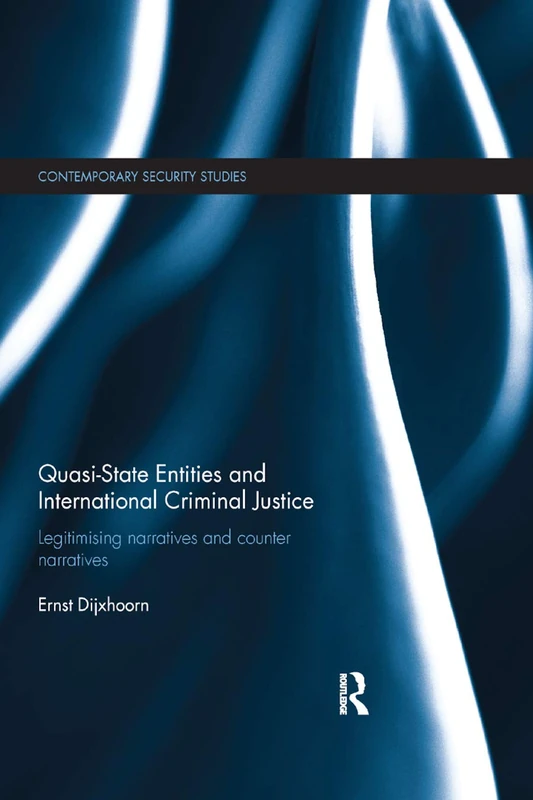
Quasi-state Entities and International Criminal Justice: Legitimising Narratives and Counter-Narratives (Contemporary Security Studies)
Routledge
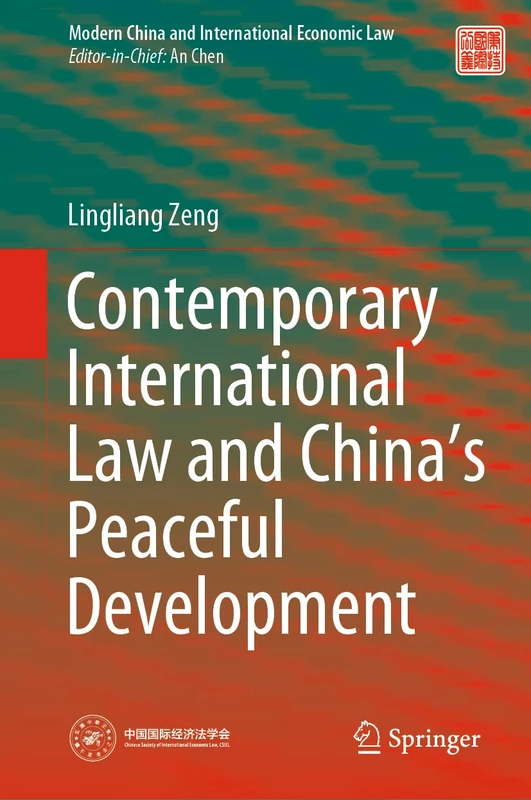
Contemporary International Law and China’s Peaceful Development (Modern China and International Economic Law)
Springer
International Law Between Universalism and Fragmentation: Festschrift in Honour of Gerhard Hafner
Brill
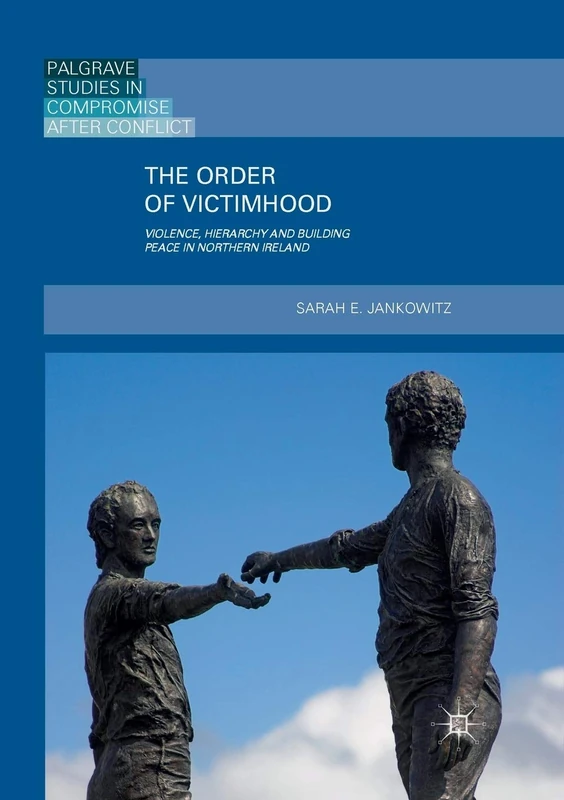
The Order of Victimhood: Violence, Hierarchy and Building Peace in Northern Ireland (Palgrave Studies in Compromise after Conflict)
MACMILLAN
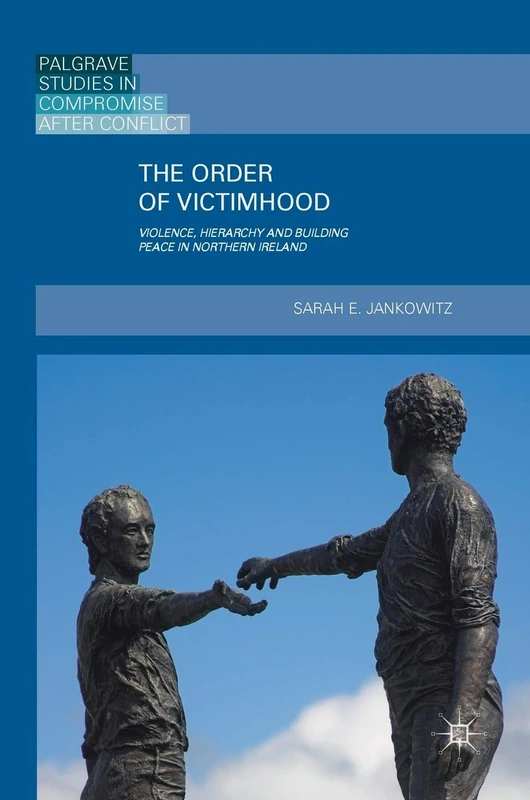
The Order of Victimhood: Violence, Hierarchy and Building Peace in Northern Ireland (Palgrave Studies in Compromise after Conflict)
MACMILLAN