We can't find the internet
Attempting to reconnect
Something went wrong
Hang in there while we get back on track
£73.92
About as cheap as it gets — within 5% of the all-time low it hit 1 month ago.
£74 today · all-time low £74 (Sep 2026) · usually the usual
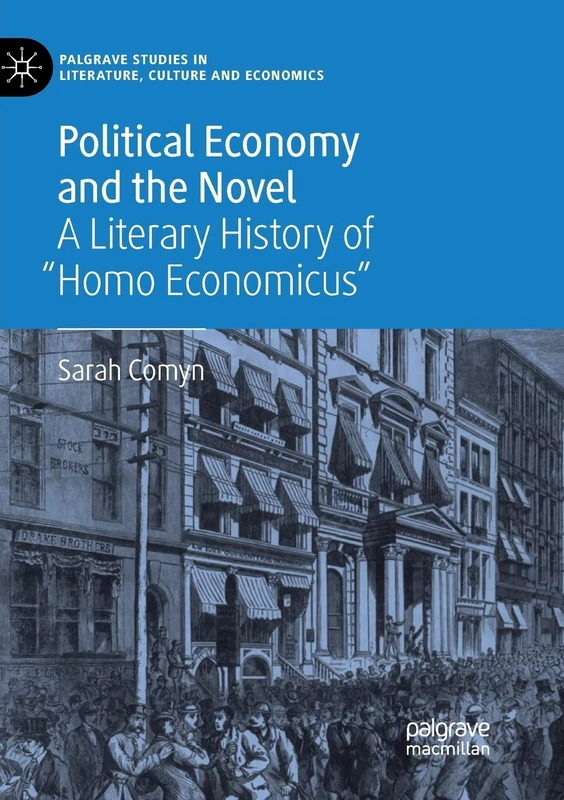
MACMILLAN Political Economy and the Novel: A Literary History of "Homo Economicus" (Palgrave Studies in Literature, Culture and Economics)
Price data last checked 33 day(s) ago - refreshing...
We'll watch every seller, every day. One email when your price arrives.
Price History & Forecast
Grey patches = out of stock. Cheaper = lower on the chart. Hover for exact prices.
Last 58 days · 58 data points (no recent data)
Price data last checked 33 day(s) ago - refreshing...
NEW HERE?
Amazon shows you one price. We show you all of them.
Tosheroon watches Amazon prices so you don't have to. Every product on Amazon has a price history — we make it visible. Set the price you'd actually pay, and we'll email you the second it gets there. No app, no account, one email.
WHAT'S ON THIS PAGE
when this has been cheap or pricey
where the price is heading next
all-time high & low, recent range
name your number, we'll email you
Price Distribution
Price distribution over 58 days • 3 price levels
Price Analysis
Most common price: £75 (31 days, 53.4%)
Price range: £74 - £76
Price levels: 3 different prices over 58 days
Description
Product Specifications
- Brand
- MACMILLAN
- Format
- paperback
- ASIN
- 303006834X
- Category
- Books > Subjects > Business, Finance & Law > Biographies & Histories > Business & Economic History
- Domain
- Amazon UK
- Release Date
- 22 December 2018
- Listed Since
- 21 December 2018
Barcode
No barcode data available
Similar Products You Might Like
Political Economy and the Novel: A Literary History of "Homo Economicus" (Palgrave Studies in Literature, Culture and Economics)
Springer
Political Economy, Literature & the Formation of Knowledge, 1720-1850 (Routledge Studies in Eighteenth-Century Literature)
Routledge
Countervailing Powers: The Political Economy of Market, before and after Adam Smith
MACMILLAN
Economics Versus Human Rights: 117 (Routledge Frontiers of Political Economy)
Routledge
Global Economics and Management: Transition to Economy 4.0: Prospects of Fundamental Science Development International Conference 2018 (PFSD 2018): ... Proceedings in Business and Economics)
Springer
Cambridge Revival of Political Economy - Economics as Social Theory
Routledge
Women’s Economic Thought in the Romantic Age: Towards a Transdisciplinary Herstory of Economic Thought (Routledge IAFFE Advances in Feminist Economics)
Routledge
Women’s Economic Thought in the Eighteenth Century
Routledge

Ricardo on Money and Finance: A Bicentenary Reappraisal
Routledge
The Economic Thought of William Petty: Exploring the Colonialist Roots of Economics (Routledge Studies in the History of Economics)
Routledge
Schumpeter & Idea of Social Science: A Metatheoretical Study (Historical Perspectives on Modern Economics)
Cambridge University Press
Law and Economics in Jane Austen
Bloomsbury
The Adam Smith Review: Volume 3
Routledge
A History of Homo Economicus: The Nature of the Moral in Economic Theory: 141 (Routledge Studies in the History of Economics)
Routledge
The Adam Smith Review Volume 6
Routledge
The Other Adam Smith
Stanford University Press
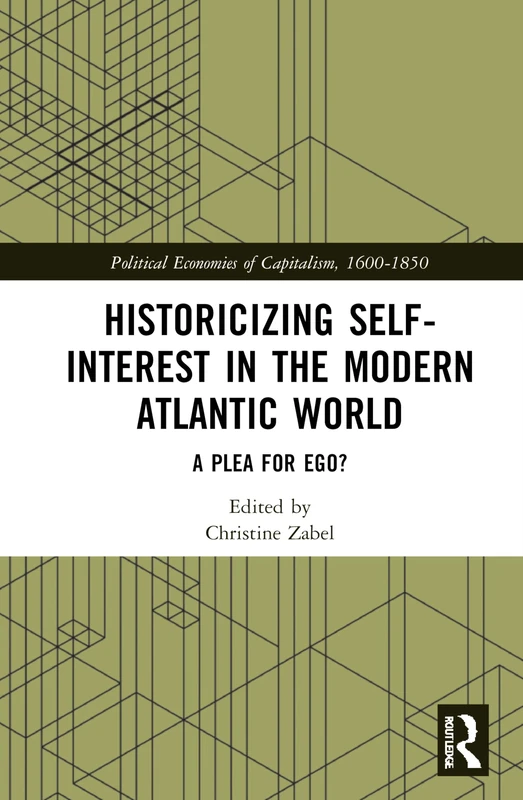
Historicizing Self-Interest in the Modern Atlantic World: A Plea for Ego? (Political Economies of Capitalism, 1600-1850)
Routledge
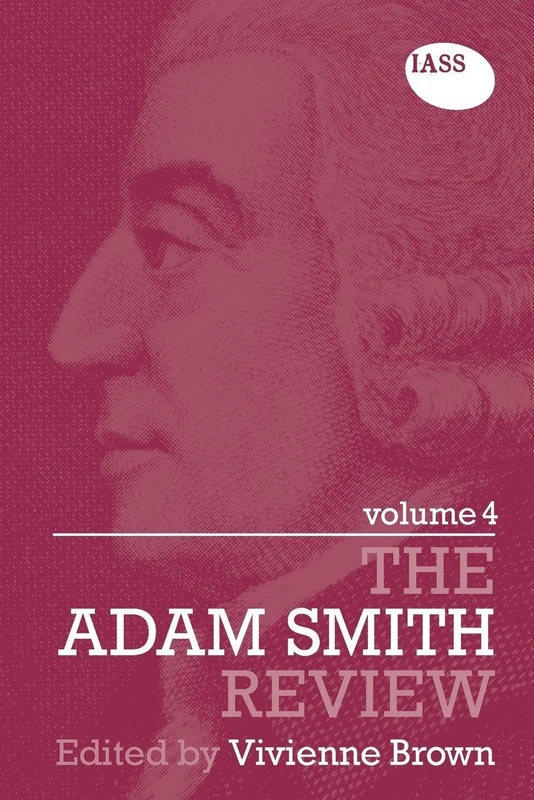
The Adam Smith Review Volume 4
Routledge
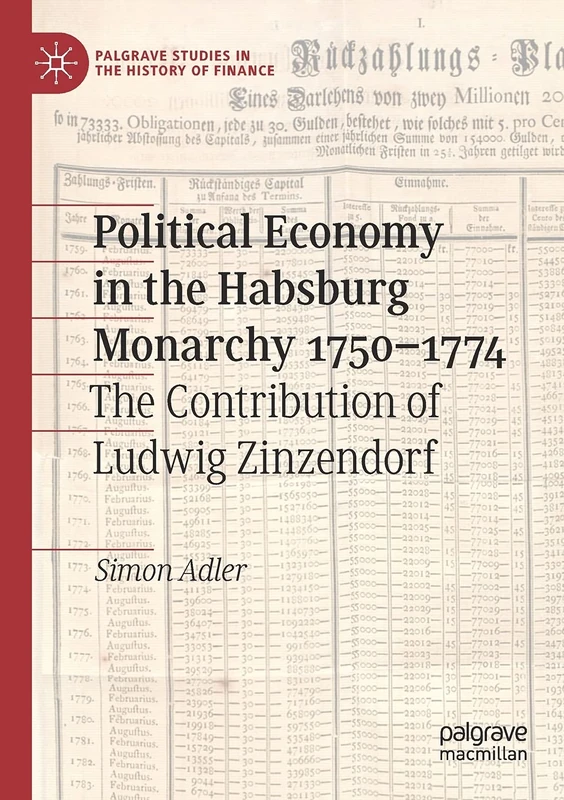
Political Economy in the Habsburg Monarchy 1750–1774: The Contribution of Ludwig Zinzendorf (Palgrave Studies in the History of Finance)
MACMILLAN
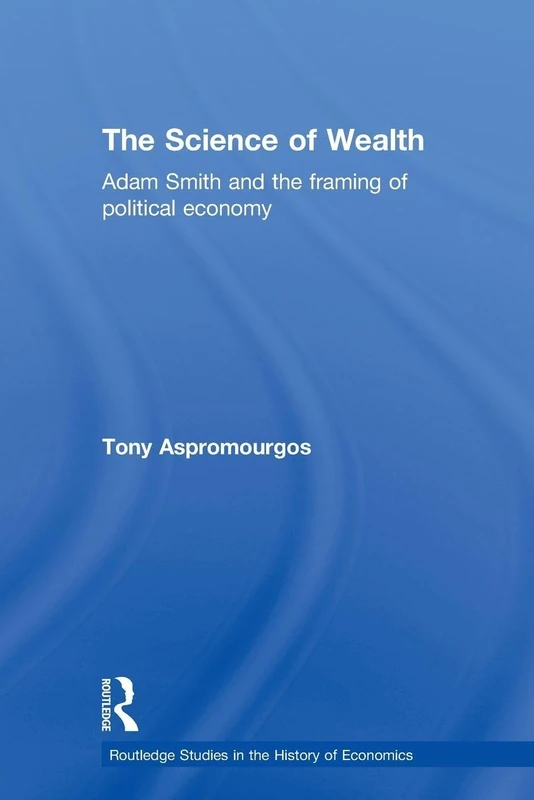
The Science of Wealth: Adam Smith and the framing of political economy (Routledge Studies in the History of Economics)
Routledge
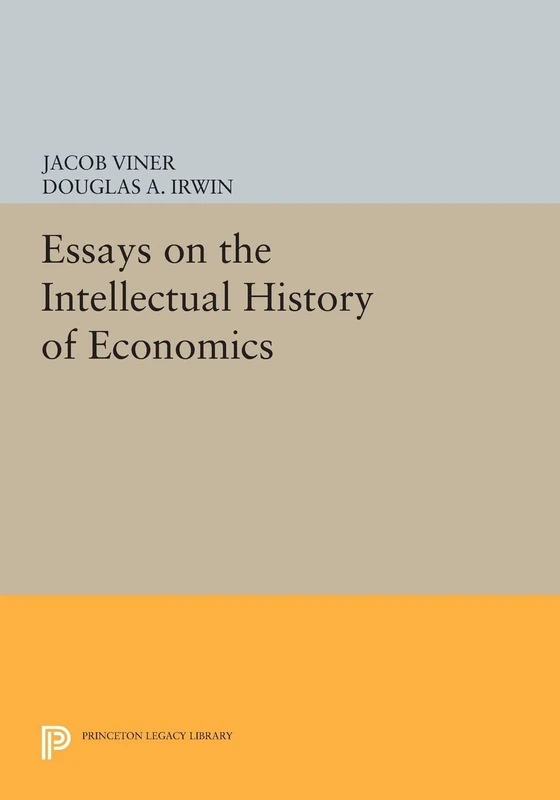
Essays on the Intellectual History of Economics: 1191 (Princeton Legacy Library)
Princeton University Press
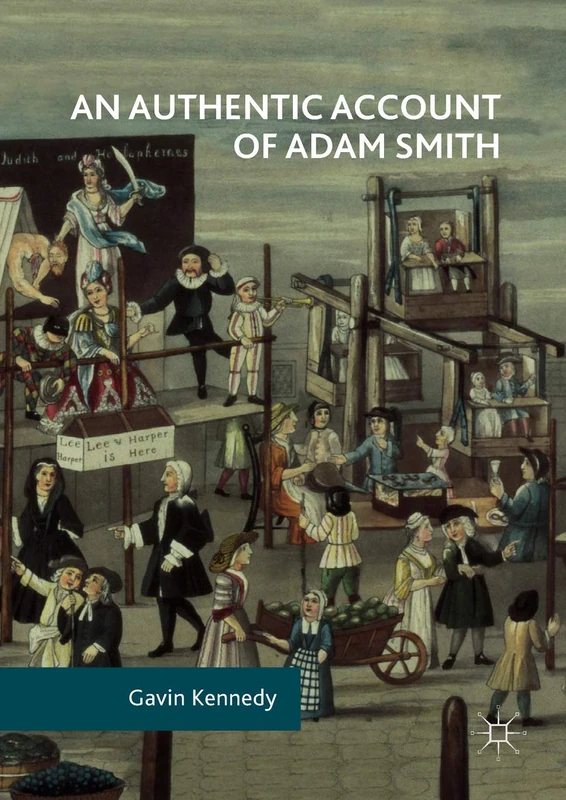
An Authentic Account of Adam Smith
Palgrave
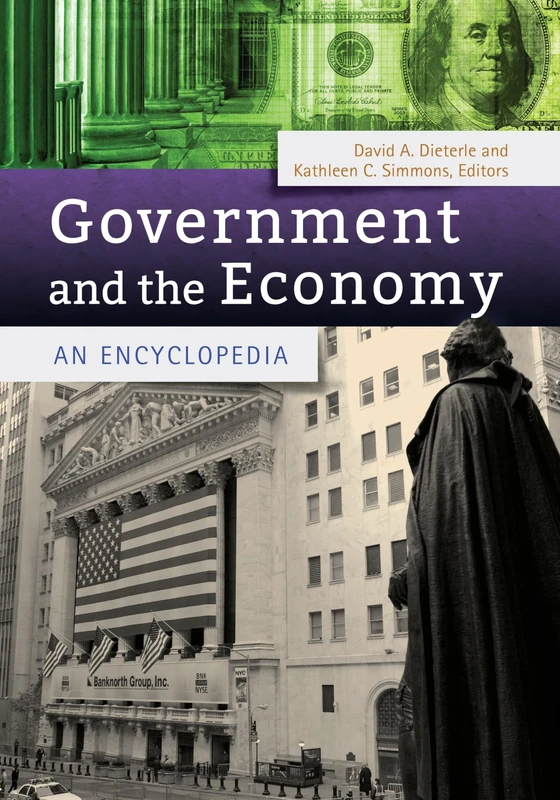
Government and the Economy: An Encyclopedia
Bloomsbury
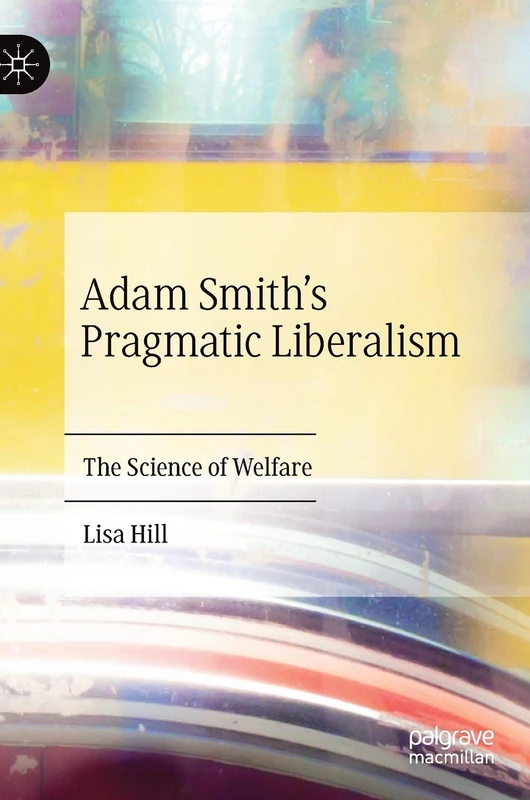
Adam Smith’s Pragmatic Liberalism: The Science of Welfare
MACMILLAN