£42.50

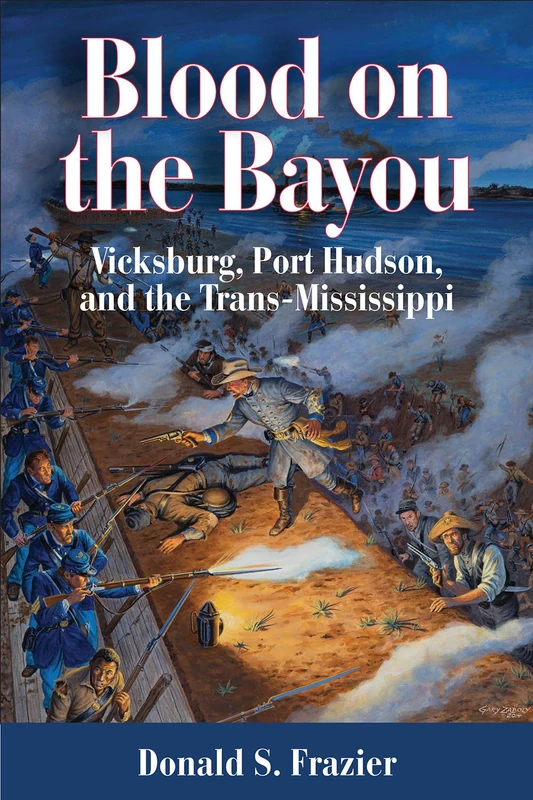
Texas A&M University Press Blood on the Bayou: Vicksburg, Port Hudson, and the Trans-Mississippi

Price data last checked 12 day(s) ago - will refresh soon

View at Amazon

We'll watch every seller, every day. One email when your price arrives.

This is the most expensive it has ever been. Walk away.

£43 today · previous high £43 · all-time low £31

NEW HERE?

Amazon shows you one price. We show you all of them.

Tosheroon watches Amazon prices so you don't have to. Every product on Amazon has a price history — we make it visible. Set the price you'd actually pay, and we'll email you the second it gets there. No app, no account, one email.

WHAT'S ON THIS PAGE

↓ Price chart
when this has been cheap or pricey
↓ Forecast
where the price is heading next
↓ Statistics
all-time high & low, recent range
↑ Price alert
name your number, we'll email you

Price History & Forecast

Grey patches = out of stock. Cheaper = lower on the chart. Hover for exact prices.

Last 79 days • 79 data points (No recent data available)

Historical
Generating forecast...
£42.50 £30.31 £32.97 £35.63 £38.29 £40.95 £43.61 05 April 2026 24 April 2026 14 May 2026 02 June 2026 22 June 2026

Price Distribution

Price distribution over 79 days • 3 price levels

Days at Price
Current Price
26 days 46 days 7 days · current 0 12 23 35 46 £31 £32 £43 Days at Price

Price Analysis

Most common price: £32 (46 days, 58.2%)

Price range: £31 - £43

Price levels: 3 different prices over 79 days

Description

Blood on the Bayou: Vicksburg, Port Hudson, and the Trans-Mississippi takes a well-known story, the struggle for control of the Mississippi River in the American Civil War, and recasts it as a contest for control of African-American populations. The Emancipation Proclamation may have freed the slaves, but the task of actually moving these liberated people into the Union lines and directing their labor to the benefit of the Union fell to the Federal army and navy. Control of the Mississippi has often been cast in economic terms. This book, by examining the campaigns from west of the river, shows how the campaign to reduce these Rebel forts also involved the creation of a black army of occupation and a remaking of the social and political landscape of Louisiana and the nation. This book is new scholarship and, most importantly, fresh research that challenges many commonly held notions of the Vicksburg and Port Hudson campaigns. In the past, the movement of large armies and the grand assaults garnered the most attention. As Blood on the Bayou reveals, small unit actions and big government policies in the Trans-Mississippi did as much to shape the outcome of the war as did the great armies and famous captains of legend and lore. No student of the Civil War should ignore this book. Scholars of Vicksburg and Port Hudson will find their studies incomplete without a thorough examination of this work. As with the other books in the Louisiana Quadrille series, the military campaigns remain front and center. I trace the movements of obscure regiments and battles fought on unfamiliar trans-Mississippi landscapes in June and July, 1863, and tell a little-known aspect of the sieges of Vicksburg and Port Hudson. I examine the evolution of Federal and Confederate strategy and sketch the leaders tasked with carrying these plans forward. There is enough combat to satisfy even the most ardent student of campaigns and commanders. The sources, however, revealed an almost obsessive concern over slavery by both sides. Actually, these soldiers, civilians, and politicians did not fret over the institution of slavery as much as control over the slaves themselves. Both Federal and Confederate authorities seemed preoccupied with who physically controlled the enslaved population. This led me to review Republican views on this subject, and especially those held by Abraham Lincoln. The tug-of-war over people―whom some considered persons held in bondage and others considered human property―also caused me to reexamine the peculiar institution as a salient feature of Confederate national identity. A greater appreciation for the causes of the war emerged. While states’ rights certainly provided a framework and context for the argument, slavery caused the war, not vice versa. Physical control of the slave population impacted how the Federal Government conducted the war. When war broke out, slaves emerged first as “contraband,” then morphed into “self-emancipated” persons, before becoming the raison d’être of the Mississippi Valley campaigns in 1863. The African-Americans became plunder, if you will. I came to the conclusion that the gathering of these persons drove, in part, Union military strategy in the Mississippi Valley. Lincoln wanted slaves removed from southern owners, concentrated in areas convenient to Union logistics centers, and then redistributed to serve as soldiers or farmers on behalf of the United States. The longer the military campaigns in the Mississippi Valley dragged on, the more Federal officials could feed liberated slaves into the system. This strategy held that, once Union troops had removed slaves from bondage and repurposed them to other tasks, it would be nearly impossible for their former masters to re-enslave them. No matter the outcome of the war, the Federal government set out to break slavery―forever. Fearing a rapid collapse of the Confederacy, abolitionists intended to make sure that readmitted states did not reestablish slavery. Remember, slavery was then a state prerogative. Passage of the Thirteenth Amendment still lay months into the future. Concurrently, Lincoln believed Black troops would help achieve victory and then secure the peace. One the shooting ended these African-American regiments might serve as an army of occupation. The largest concentration of slaves lay in the Mississippi Valley and this population needed to be under Federal control. The Rebel forts at Vicksburg and Port Hudson were impediments. Even so, despite the presence of these Confederate citadels, US troops could remove the African-American population of this region into zones of their choosing with increasing impunity. The fall of these positions facilitated commerce and navigation on the Mississippi. Yet, the great gathering of African-Americans began, and continued, notwithstanding the Rebels in the earthworks.

Product Specifications

Format
hardcover
Domain
Amazon UK
Release Date
30 December 2014
Listed Since
19 September 2014

Barcode

No barcode data available

Similar Products You Might Like
Vicksburg Is the Key: The Struggle for the Mississippi River (Great Campaigns of the Civil War)
85% match

Vicksburg Is the Key: The Struggle for the Mississippi River (Great Campaigns of the Civil War)

Bison Books
£52.00 27 May 2026
The Fight for the Yazoo, August 1862-July 1864: Swamps, Forts and Fleets on Vicksburg's Northern Flank
81% match

The Fight for the Yazoo, August 1862-July 1864: Swamps, Forts and Fleets on Vicksburg's Northern Flank

McFarland
£35.15 01 Jun 2026
Did Lincoln and the Republican Party Create the Civil War?: An Argument
77% match

Did Lincoln and the Republican Party Create the Civil War?: An Argument

McFarland
£22.99 12 Jun 2026
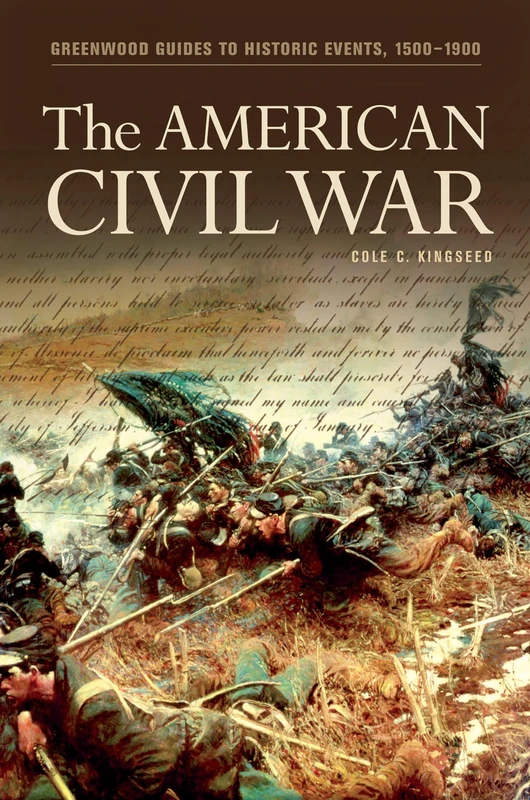
The American Civil War (Greenwood Guides to Historic Events 1500-1900)
77% match

The American Civil War (Greenwood Guides to Historic Events 1500-1900)

Greenwood
£45.13 22 Jun 2026
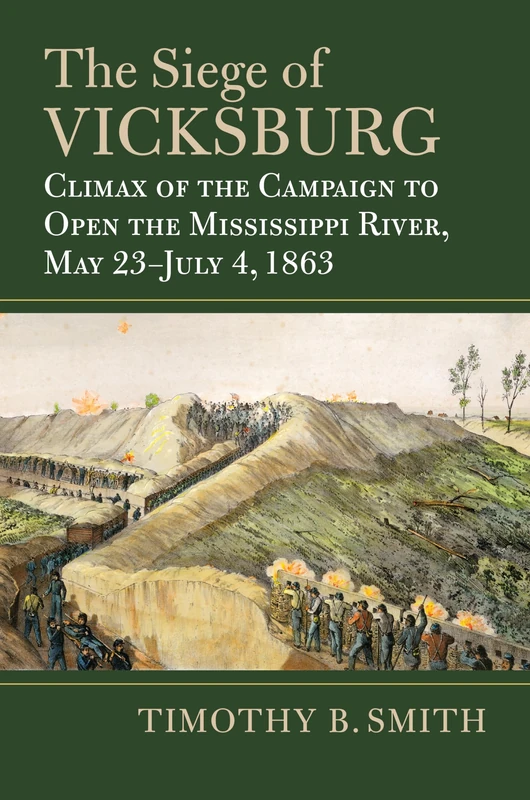
The Siege of Vicksburg: Climax of the Campaign to Open the Mississippi River, May 23-July 4, 1863 (Modern War Studies)
76% match

The Siege of Vicksburg: Climax of the Campaign to Open the Mississippi River, May 23-July 4, 1863 (Modern War Studies)

University Press of Kansas
£40.04 26 May 2026
A Documentary History of the American Civil War Era: Volume 3, Judicial Decisions, 1857-1866 (Voices of the Civil War)
76% match

A Documentary History of the American Civil War Era: Volume 3, Judicial Decisions, 1857-1866 (Voices of the Civil War)

University of Tennessee Press
£68.95 09 Jun 2026
Women and the American Civil War: North-South Counterpoints
76% match

Women and the American Civil War: North-South Counterpoints

Kent State University Press
£33.02 27 May 2026
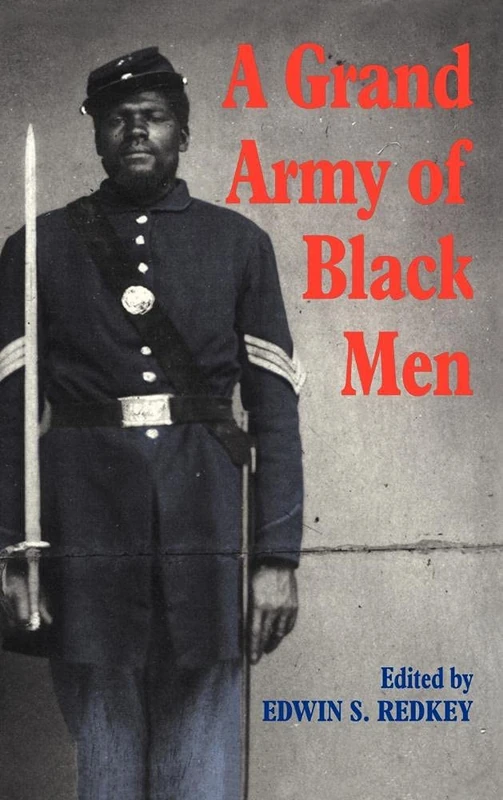
A Grand Army of Black Men: Letters from African-American Soldiers in the Union Army 1861–1865: 63 (Cambridge Studies in American Literature and Culture, Series Number 63)
76% match

A Grand Army of Black Men: Letters from African-American Soldiers in the Union Army 1861–1865: 63 (Cambridge Studies in American Literature and Culture, Series Number 63)

Cambridge University Press
£94.00 30 May 2026
The War for a Nation: The American Civil War (Warfare and History)
76% match

The War for a Nation: The American Civil War (Warfare and History)

Routledge
£35.99 22 May 2026
African Canadians in Union Blue: Volunteering for the Cause in the Civil War (Studies in Canadian Military History)
76% match

African Canadians in Union Blue: Volunteering for the Cause in the Civil War (Studies in Canadian Military History)

UBC Press
£79.00 22 Jun 2026
American Discord: The Republic and Its People in the Civil War Era (Conflicting Worlds: New Dimensions of the American Civil War)
76% match

American Discord: The Republic and Its People in the Civil War Era (Conflicting Worlds: New Dimensions of the American Civil War)

LSU Press
£39.26 01 Jun 2026
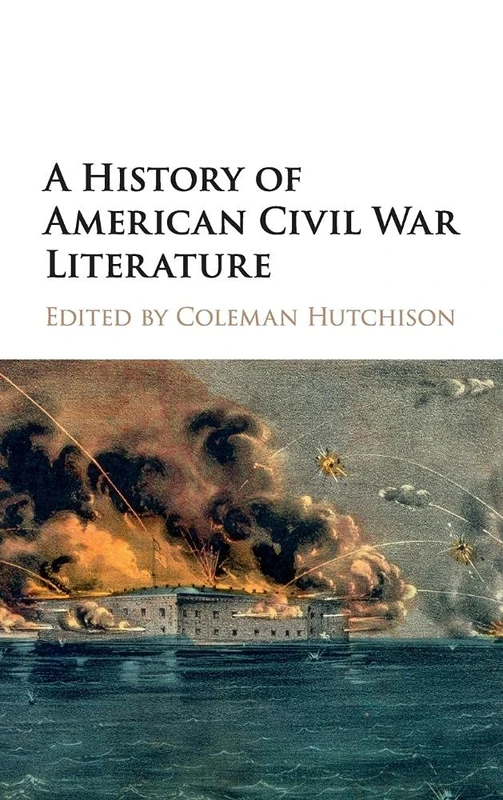
A History of American Civil War Literature
75% match

A History of American Civil War Literature

Cambridge University Press
£90.49 06 Jun 2026
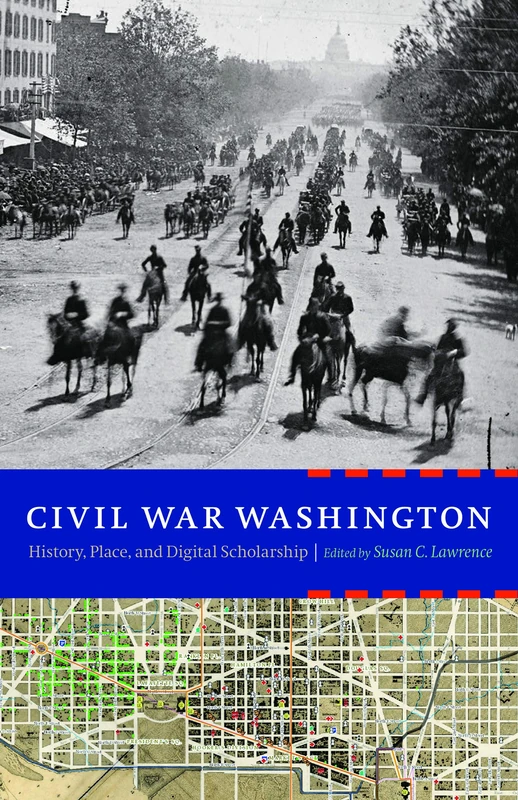
Civil War Washington: History, Place, and Digital Scholarship
75% match

Civil War Washington: History, Place, and Digital Scholarship

University of Nebraska Press
£36.27 23 May 2026
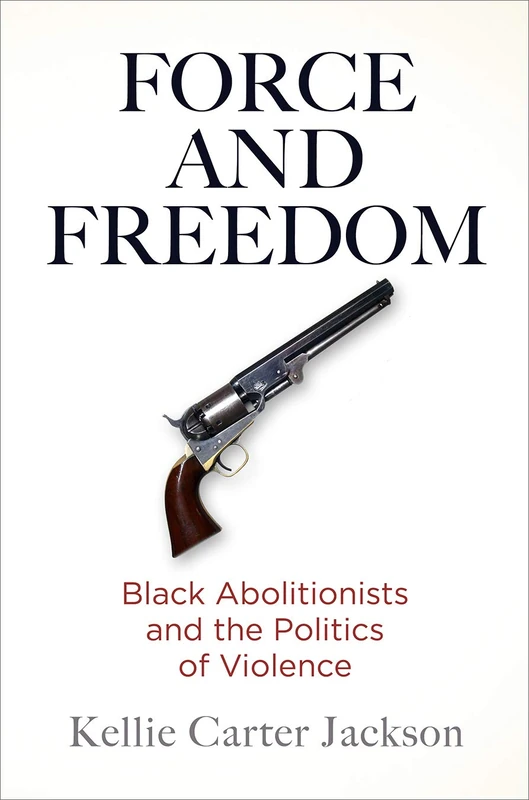
Force and Freedom: Black Abolitionists and the Politics of Violence (America in the Nineteenth Century)
75% match

Force and Freedom: Black Abolitionists and the Politics of Violence (America in the Nineteenth Century)

University of Pennsylvania Museum Publications
£80.00 05 Jun 2026
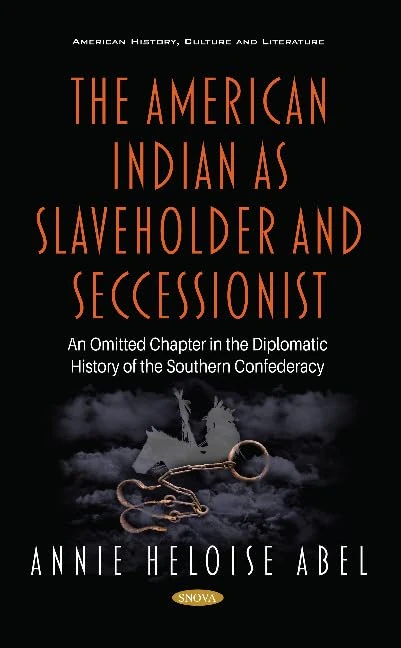
The American Indian as Slaveholder and Seccessionist: An Omitted Chapter in the Diplomatic History of the Southern Confederacy (American History, Culture and Literature)
75% match

The American Indian as Slaveholder and Seccessionist: An Omitted Chapter in the Diplomatic History of the Southern Confederacy (American History, Culture and Literature)

£155.99 09 Jun 2026
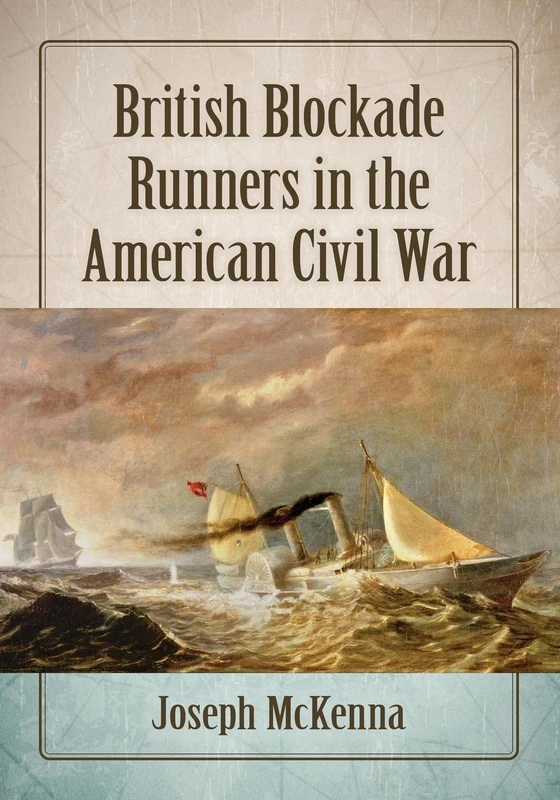
British Blockade Runners in the American Civil War
75% match

British Blockade Runners in the American Civil War

McFarland
£34.19 06 Jun 2026
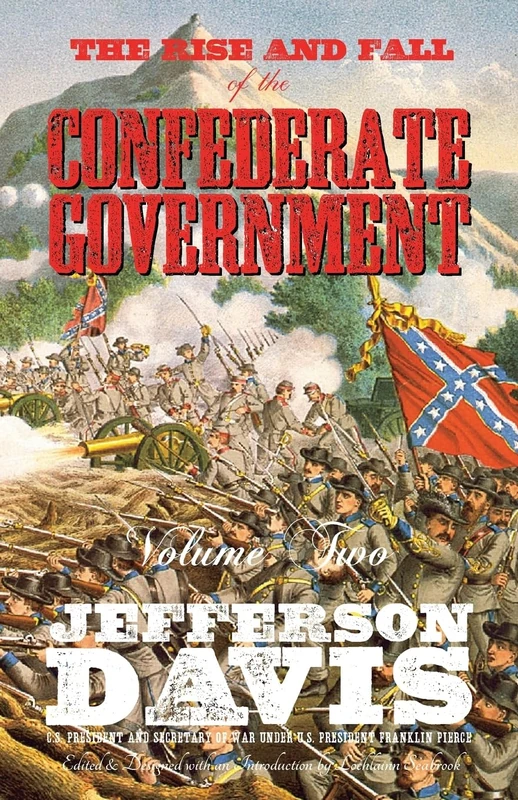
The Rise and Fall of the Confederate Government: Volume Two
74% match

The Rise and Fall of the Confederate Government: Volume Two

£42.99 22 Jun 2026
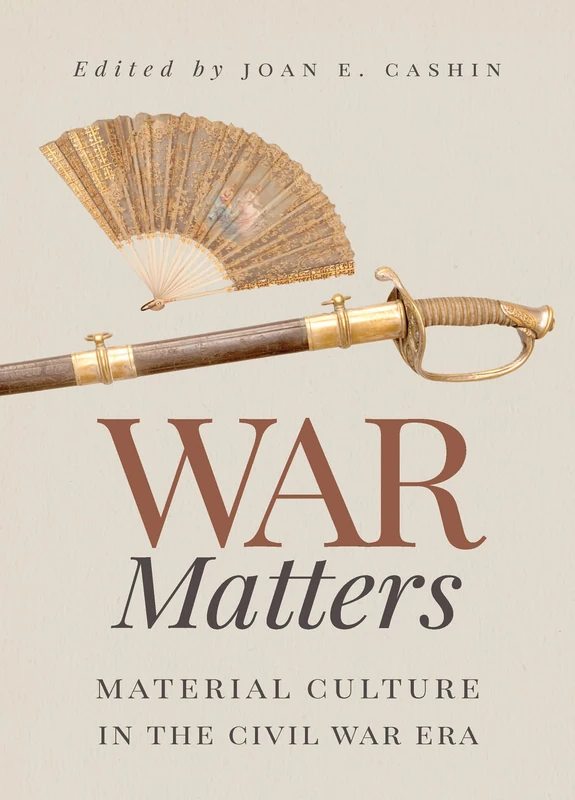
War Matters: Material Culture in the Civil War Era
74% match

War Matters: Material Culture in the Civil War Era

University of North Carolina Press
£60.47 18 May 2026
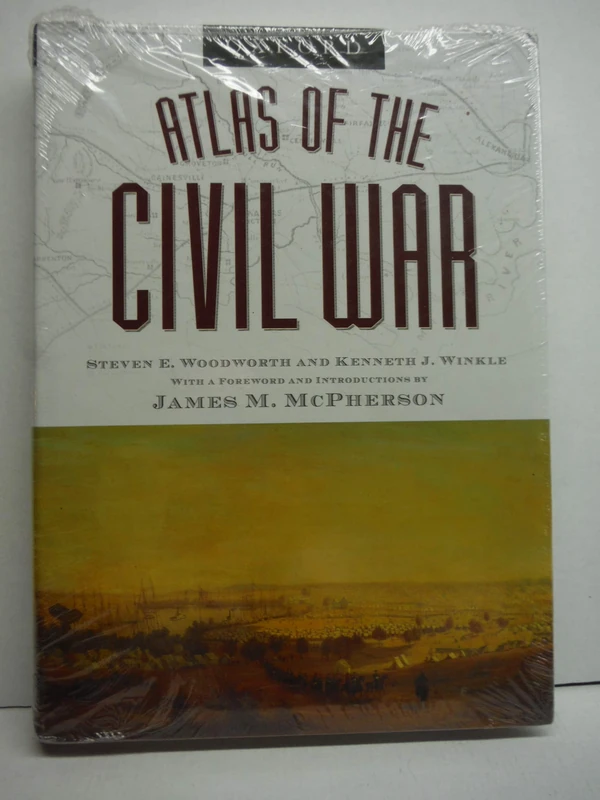
Atlas of the Civil War
74% match

Atlas of the Civil War

Oxford University Press

£60.95 11 Jun 2026
Civil War Wests: Testing the Limits of the United States
74% match

Civil War Wests: Testing the Limits of the United States

University of California Press
£70.00 05 Jun 2026
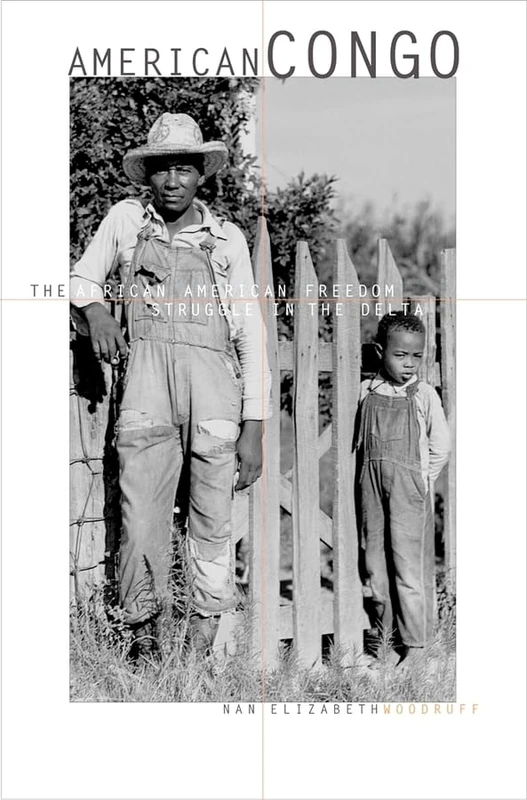
American Congo: The African American Freedom Struggle in the Delta
74% match

American Congo: The African American Freedom Struggle in the Delta

Harvard University Press
£70.41 16 May 2026
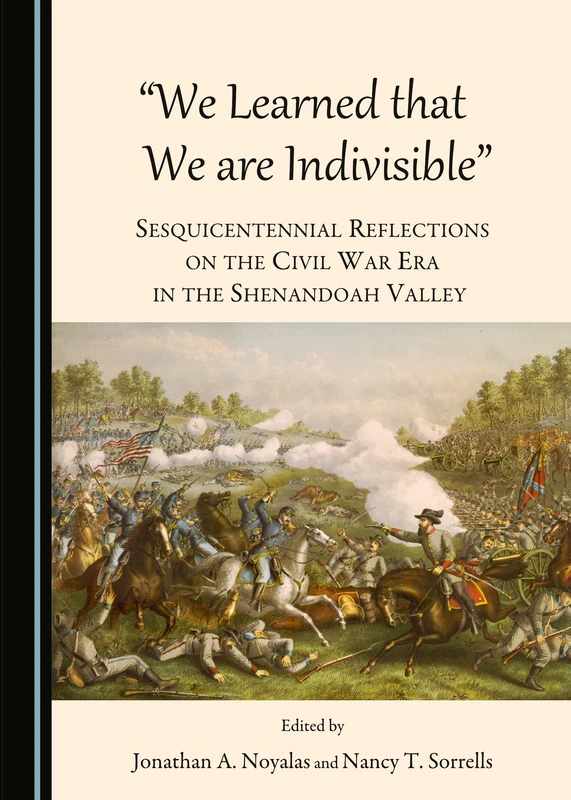
"We Learned that We are Indivisible": Sesquicentennial Reflections on the Civil War Era in the Shenandoah Valley
74% match

"We Learned that We are Indivisible": Sesquicentennial Reflections on the Civil War Era in the Shenandoah Valley

Cambridge Scholars Publishing
£47.99 09 Jun 2026
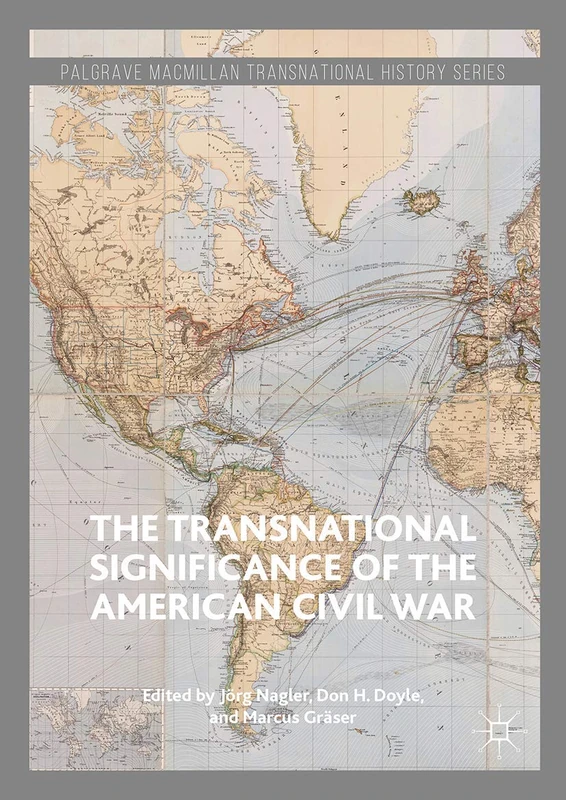
The Transnational Significance of the American Civil War (Palgrave Macmillan Transnational History Series)
74% match

The Transnational Significance of the American Civil War (Palgrave Macmillan Transnational History Series)

Springer
£85.50 03 Jun 2026
The Transnational Significance of the American Civil War (Palgrave Macmillan Transnational History Series)
74% match

The Transnational Significance of the American Civil War (Palgrave Macmillan Transnational History Series)

Springer

£85.50 26 May 2026