We can't find the internet
Attempting to reconnect
Something went wrong!
Hang in there while we get back on track
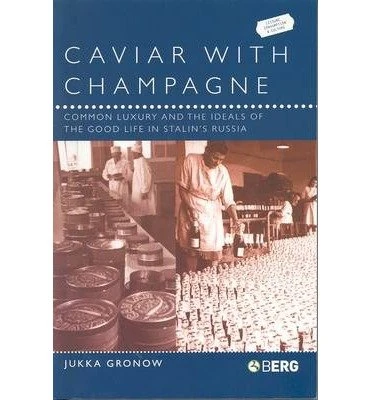
£107.98
Berg Publishers Caviar with Champagne (Leisure, Consumption and Culture)
Price data last checked 62 day(s) ago - refreshing...
We'll watch every seller, every day. One email when your price arrives.
This is the most expensive it has ever been. Walk away.
£108 today · previous high £108 · all-time low £107
NEW HERE?
Amazon shows you one price. We show you all of them.
Tosheroon watches Amazon prices so you don't have to. Every product on Amazon has a price history — we make it visible. Set the price you'd actually pay, and we'll email you the second it gets there. No app, no account, one email.
WHAT'S ON THIS PAGE
when this has been cheap or pricey
where the price is heading next
all-time high & low, recent range
name your number, we'll email you
Price History & Forecast
Grey patches = out of stock. Cheaper = lower on the chart. Hover for exact prices.
Last 29 days • 29 data points (No recent data available)
Price Distribution
Price distribution over 29 days • 1 price levels
Price Analysis
Most common price: £108 (29 days, 100.0%)
Price range: £108 - £108
Price levels: 1 different prices over 29 days
Description
Product Specifications
- Brand
- Berg Publishers
- Format
- hardcover
- ASIN
- 1859736335
- Domain
- Amazon UK
- Release Date
- 01 October 2003
- Listed Since
- 09 December 2006
Barcode
No barcode data available
Similar Products You Might Like
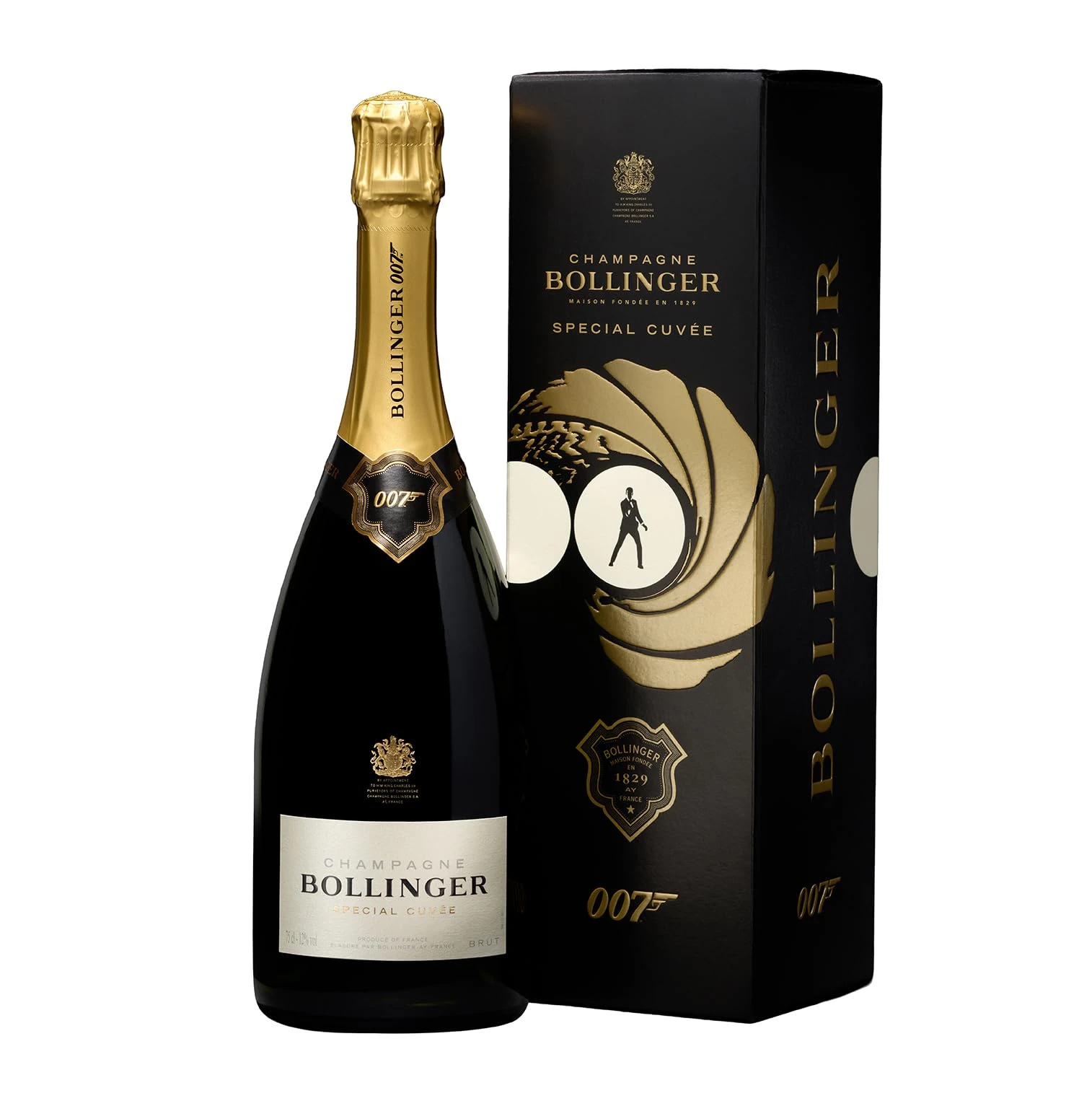
Bollinger Special Cuvee Non Vintage Champagne - James Bond Gift Box
Bollinger
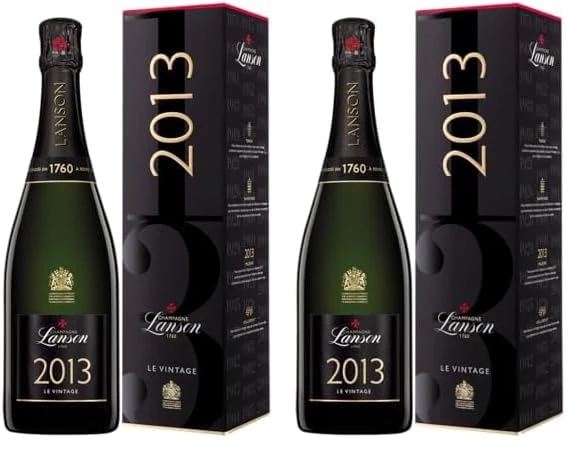
Lanson Le Vintage Gold 75cl Giftbox (Pack of 2)
LANSON
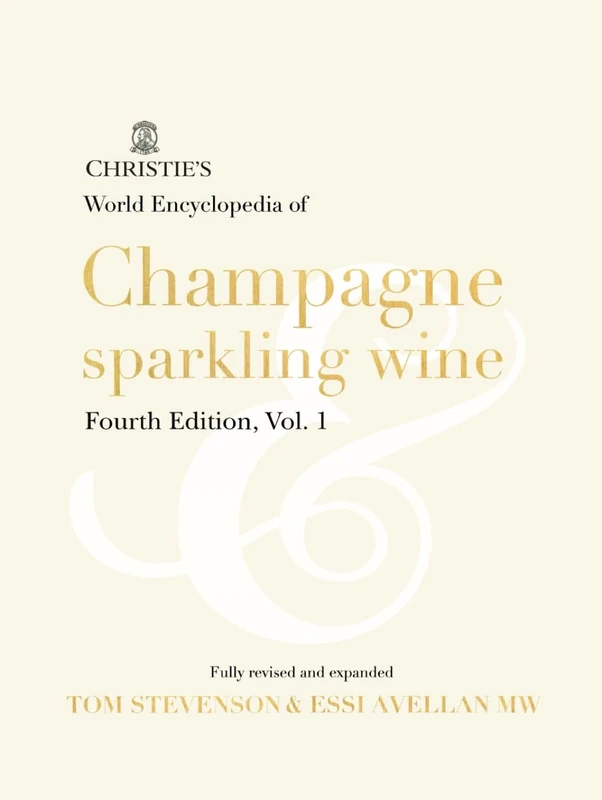
Christie's World Encyclopedia of Champagne & Sparkling Wine: Fourth Edition, Vol. 1
Christie's World Encyclopedia of Champagne & Sparkling Wine: Fourth Edition, Vol. 2
Perrier-Jouët Belle Epoque 2016 Vintage Champagne, 75 cl
Perrier Jouet
Perrier Jouët Blason Rose Champagne, 75 cl
Perrier Jouet
Christie's World Encyclopedia of Champagne & Sparkling Wine: Fourth Edition
Laurent Perrier La Cuvee Brut Non Vintage Champagne with Two Glasses Gift Pack, 75 cl
Laurent Perrier
Champagne in Britain, 1800-1914: How the British Transformed a French Luxury (Food in Modern History: Traditions and Innovations)
Bloomsbury Academic
Perrier-Jouët Belle Epoque Brut Rosé, 2014, 75 cl
Perrier Jouet
Routledge - The Business of Champagne: A Delicate Balance
Routledge
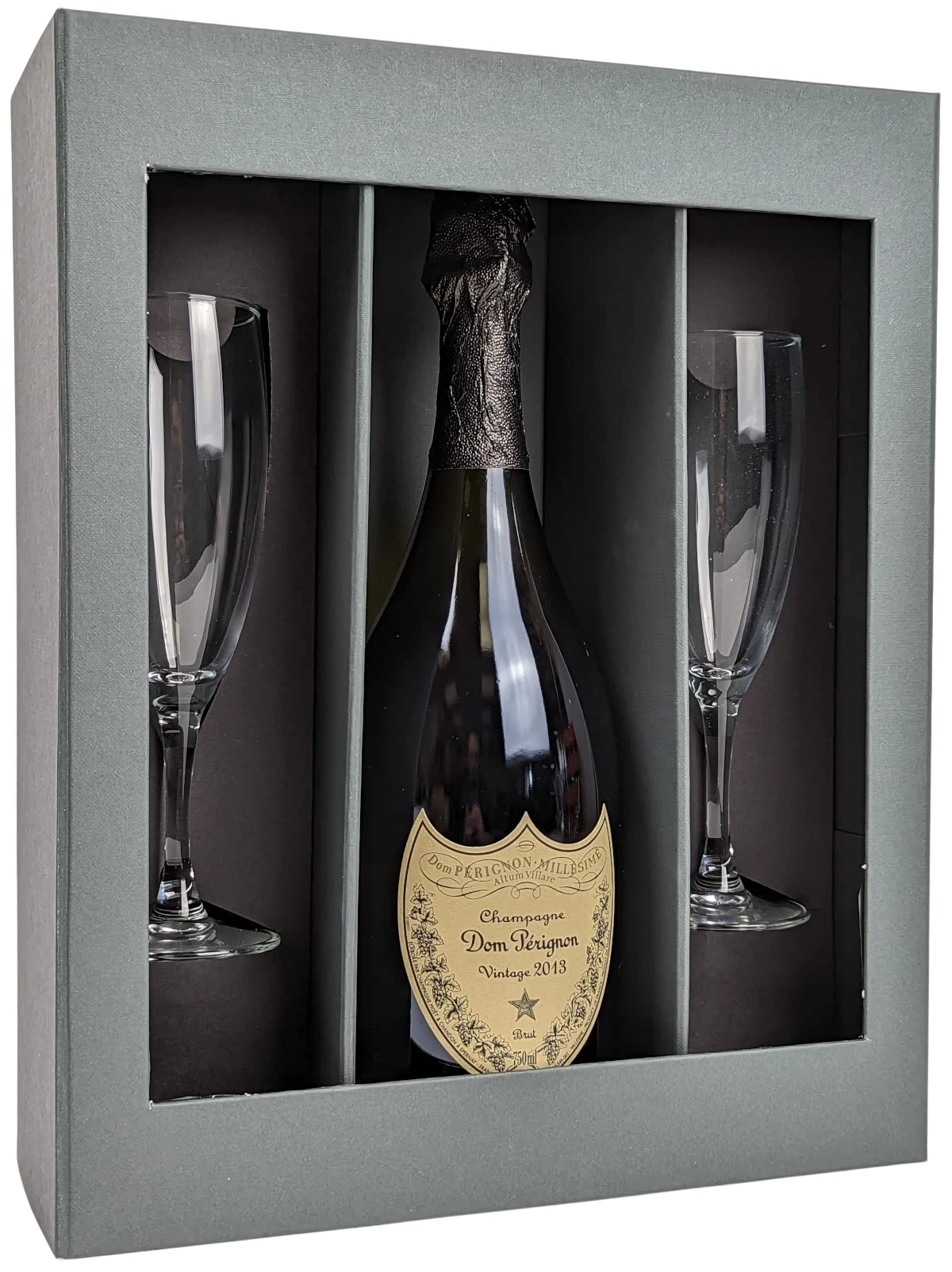
WineLovers Dom Perignon 2013 Champagne & Flutes Gift Set
WineLovers
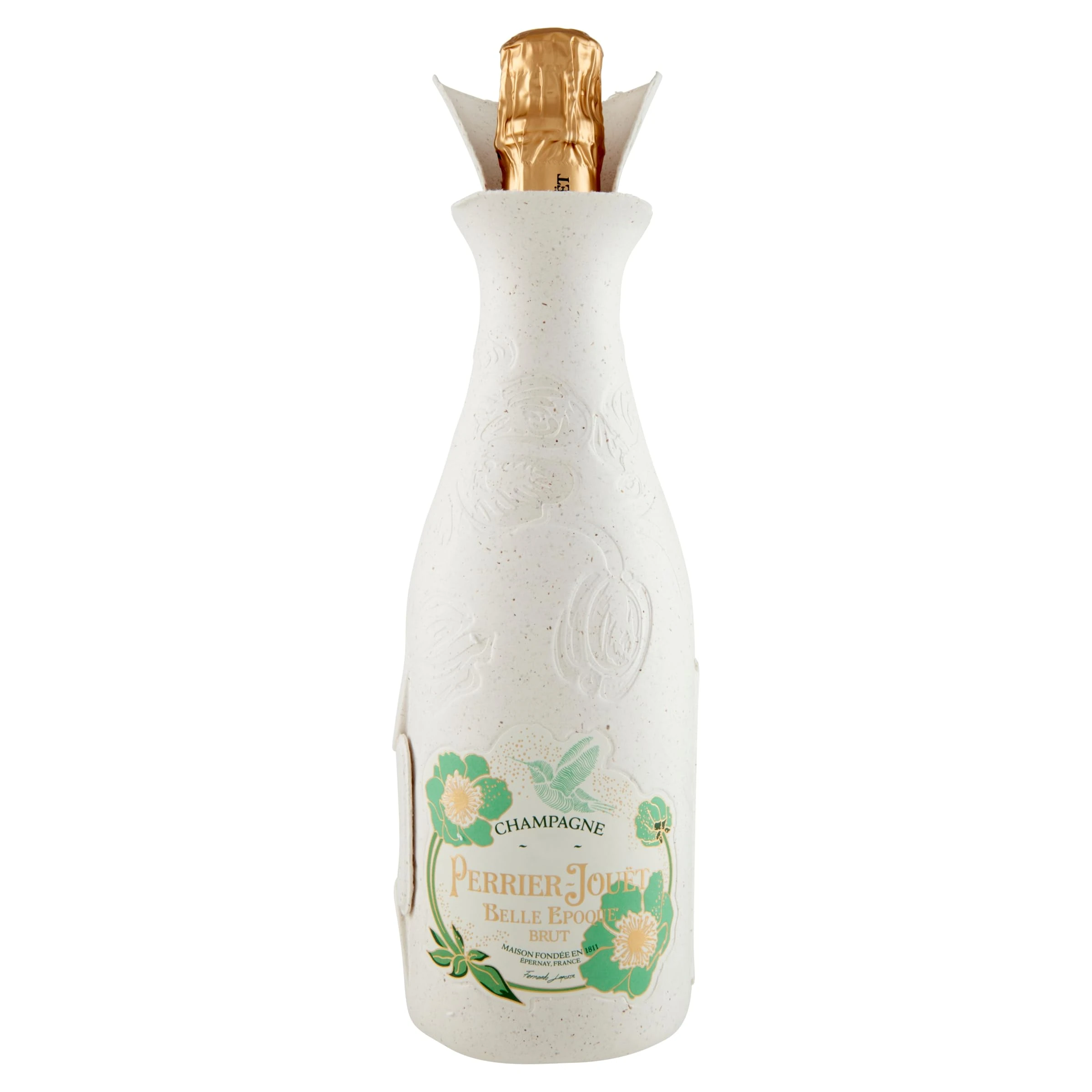
Perrier-Jouët Belle Epoque Cocoon 2015 Limited Edition Gift Pack, 75cl
Perrier Jouet
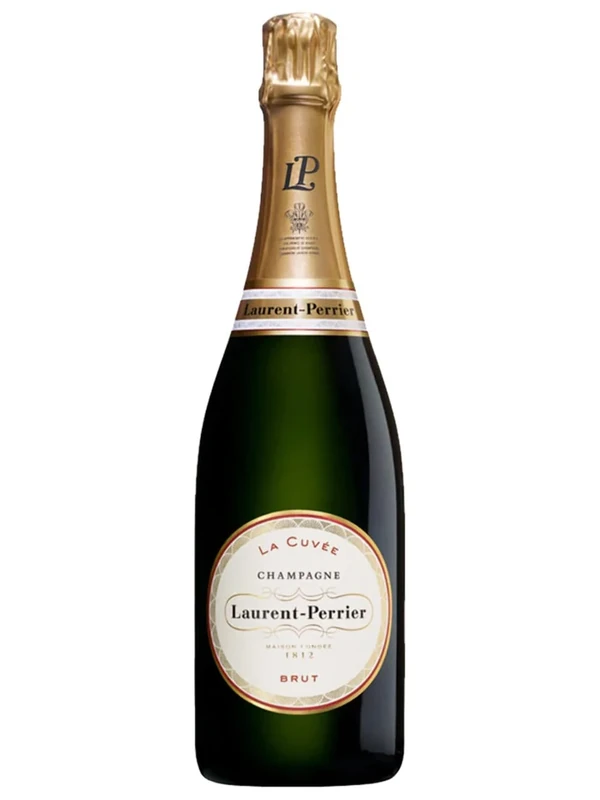
Laurent Perrier Brut Non Vintage Champagne, 75cl
Laurent Perrier
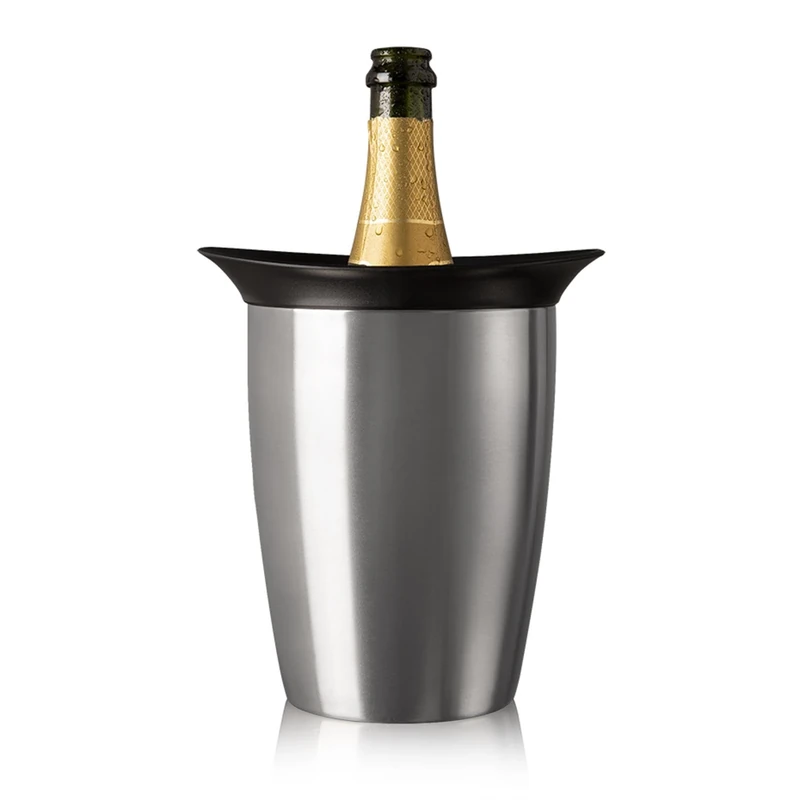
Vacu Vin Champagne Cooler – Stainless Steel Active Bottle Chiller – Includes Removable Cooling Sleeve – Keeps Champagne Cold for Hours – Stylish & Reusable Ice-Free Tabletop Cooler
Vacu Vin

JHJEWH Martini Wine Glass Dangle Earrings - Crystal Statement
JHJEWH
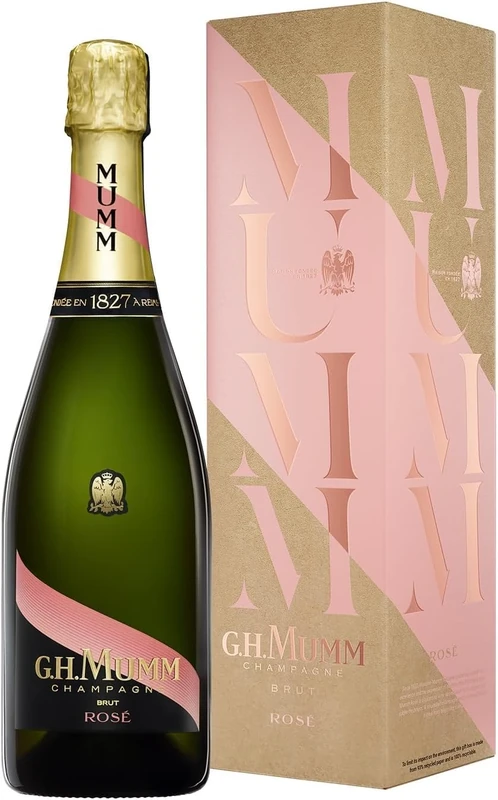
G.H. Mumm Le Rosé Champagne including Gift Box, 75cl
Mumm
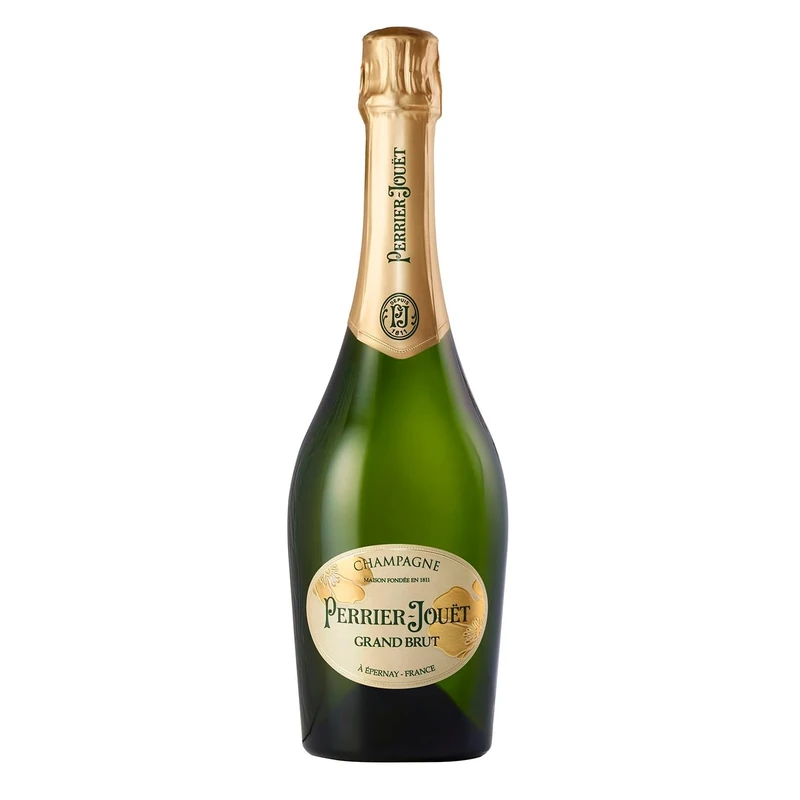
Perrier-Jouët Grand Brut Champagne, 1.5 L
Perrier Jouet
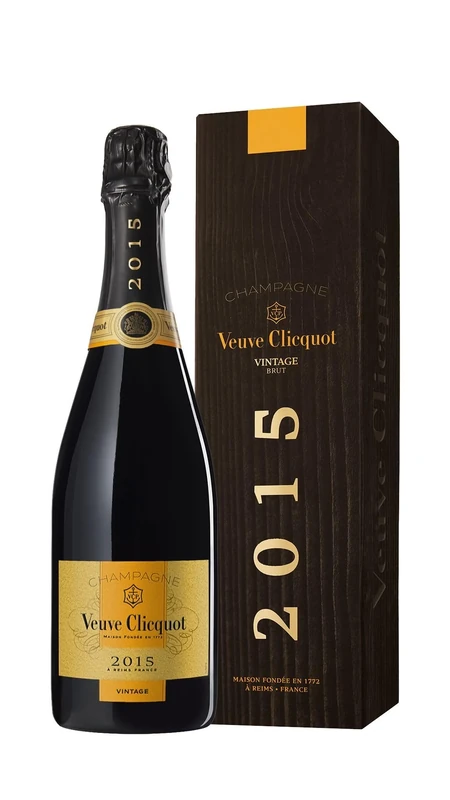
Veuve Clicquot Vintage 2015 Champagne, Gift Box, 75cl
Veuve Clicquot
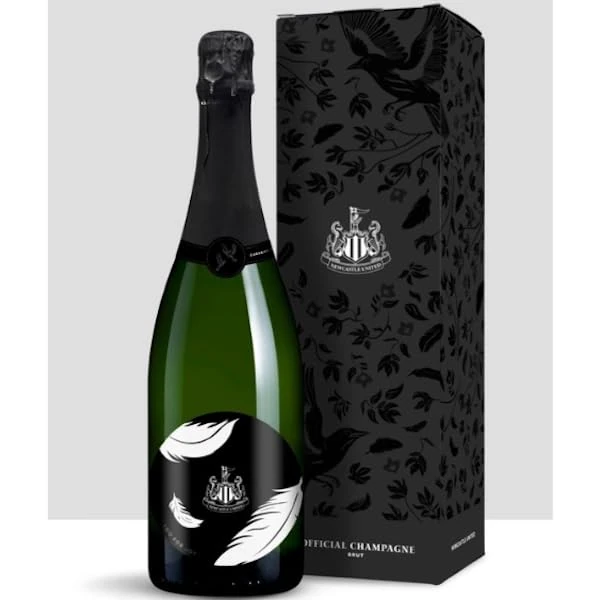
Newcastle United FC Official Carabao Cup Winners Champagne 2024/25, Limited Edition, Premium Gift Box
Newcastle United FC Official Merchandise
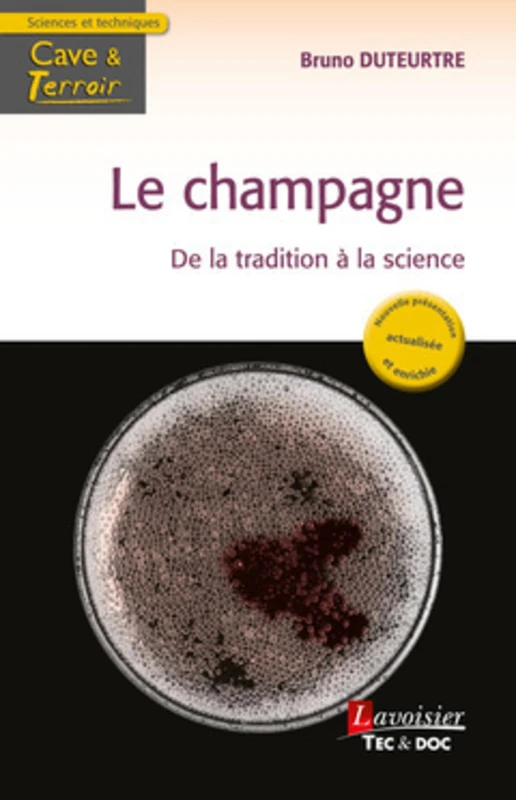
Le champagne - De la tradition à la science: De la tradition à la science
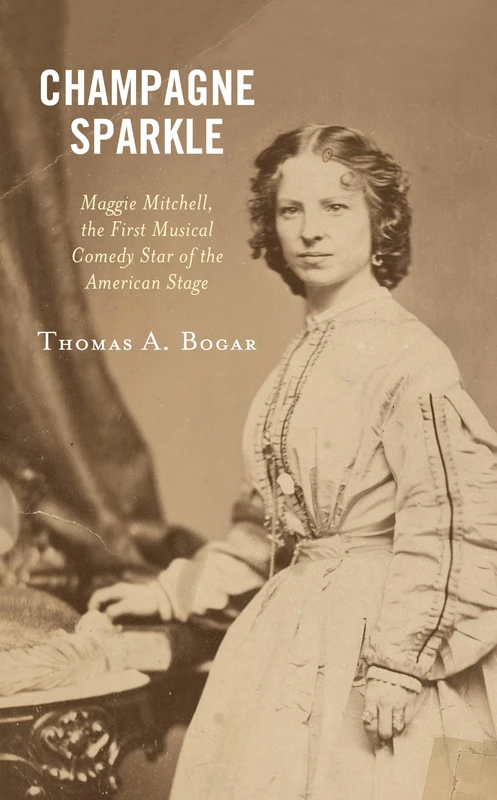
Champagne Sparkle: Maggie Mitchell, the First Musical Comedy Star of the American Stage
Rowman & Littlefield Publishers
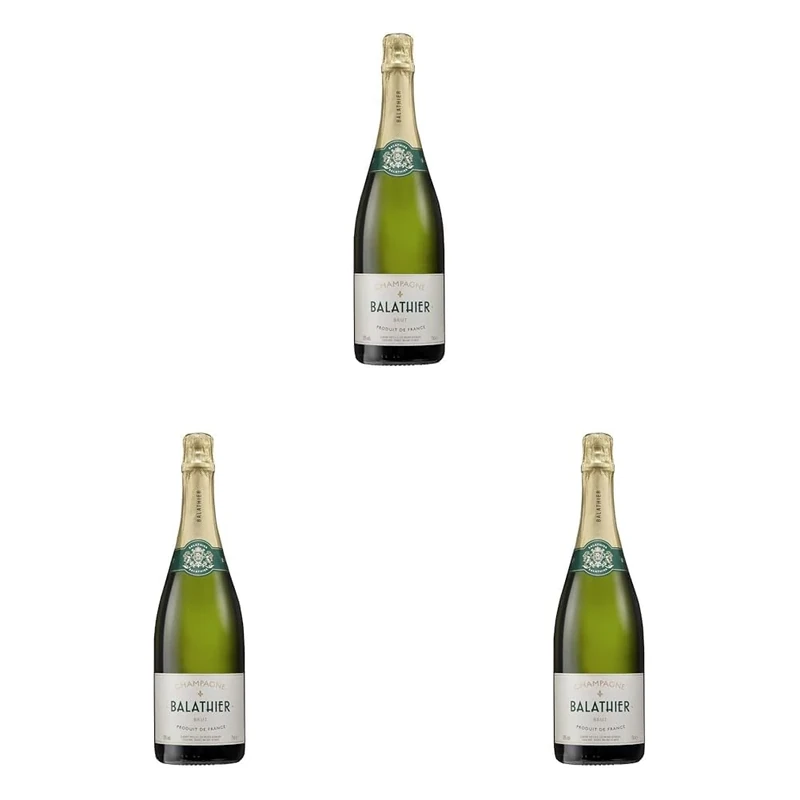
Balathier Champagne Brut, 75cl (Pack of 3)
Balathier

Francois Montand ICE Rose Sparkling Wine - 6 x 0.75L Pack
Francois Montand