We can't find the internet
Attempting to reconnect
Something went wrong
Hang in there while we get back on track
£88.24
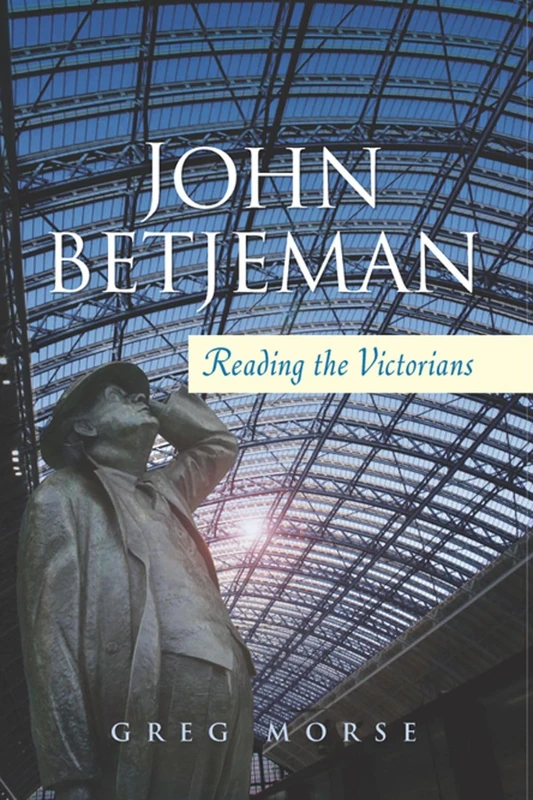
Liverpool University Press John Betjeman: Reading the Victorians
Price data checked 4 days ago
We'll watch every seller, every day. One email when your price arrives.
This is the most expensive it has ever been. Walk away.
£88 today · previous high £88 · all-time low £88
NEW HERE?
Amazon shows you one price. We show you all of them.
Tosheroon watches Amazon prices so you don't have to. Every product on Amazon has a price history — we make it visible. Set the price you'd actually pay, and we'll email you the second it gets there. No app, no account, one email.
WHAT'S ON THIS PAGE
when this has been cheap or pricey
where the price is heading next
all-time high & low, recent range
name your number, we'll email you
Price History & Forecast
Grey patches = out of stock. Cheaper = lower on the chart. Hover for exact prices.
Last 87 days · 87 data points (no recent data)
Price Distribution
Price distribution over 87 days • 1 price levels
Price Analysis
Most common price: £88 (87 days, 100.0%)
Price range: £88 - £88
Price levels: 1 different prices over 87 days
Description
Product Specifications
- Format
- hardcover
- ASIN
- 1845192710
- Category
- Books > Subjects > Poetry, Drama & Criticism > History & Criticism > Literary Theory & Movements
- Domain
- Amazon UK
- Release Date
- 19 September 2008
- Listed Since
- 23 October 2007
Barcode
No barcode data available
Similar Products You Might Like
Lyrical Ballads (Longman Annotated Texts)
Routledge
George Eliot’s Moral Aesthetic: Compelling Contradictions (Routledge Studies in Nineteenth Century Literature)
Routledge
Victorian Literature and Culture (Introductions to British Literature and Culture)
Continuum
Victorian Literature: An Anthology (Blackwell Anthologies)
Wiley
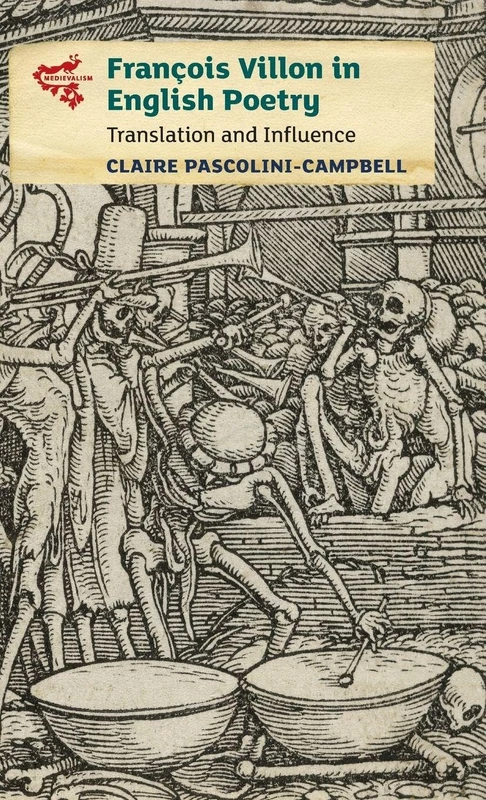
Boydell Press - Francois Villon in English Poetry (Medievalism 15)
Boydell Press
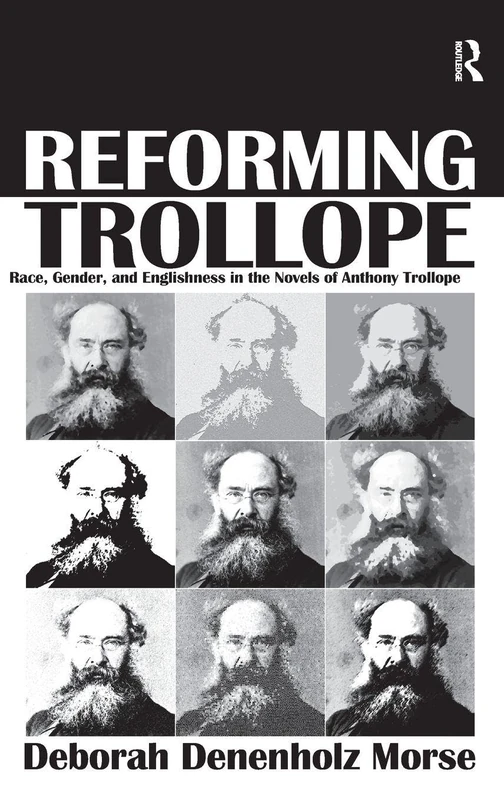
Reforming Trollope: Race, Gender, and Englishness in the Novels of Anthony Trollope
Routledge
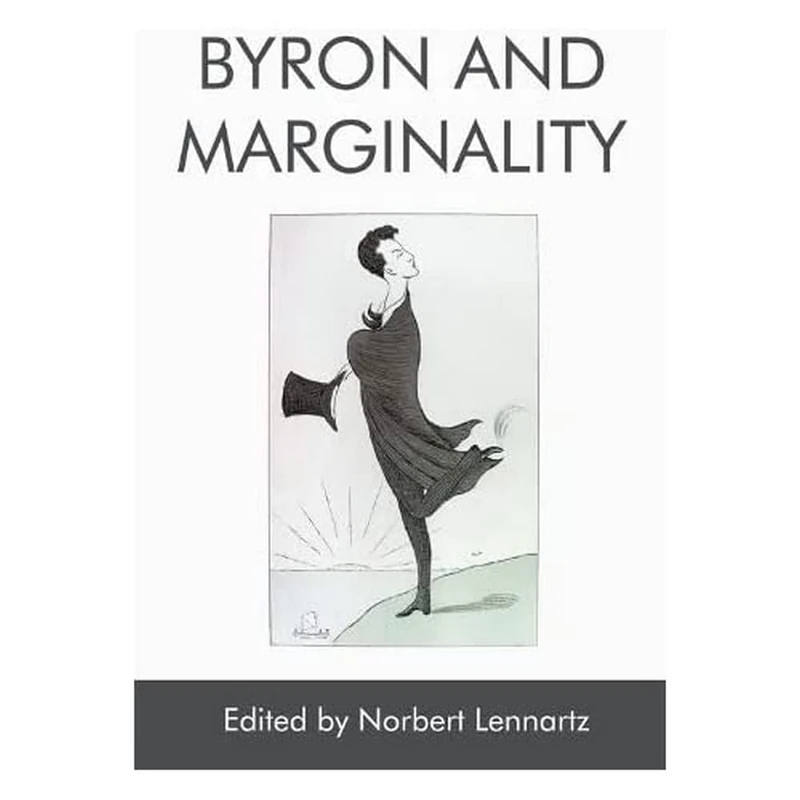
Byron and Marginality
Edinburgh University Press
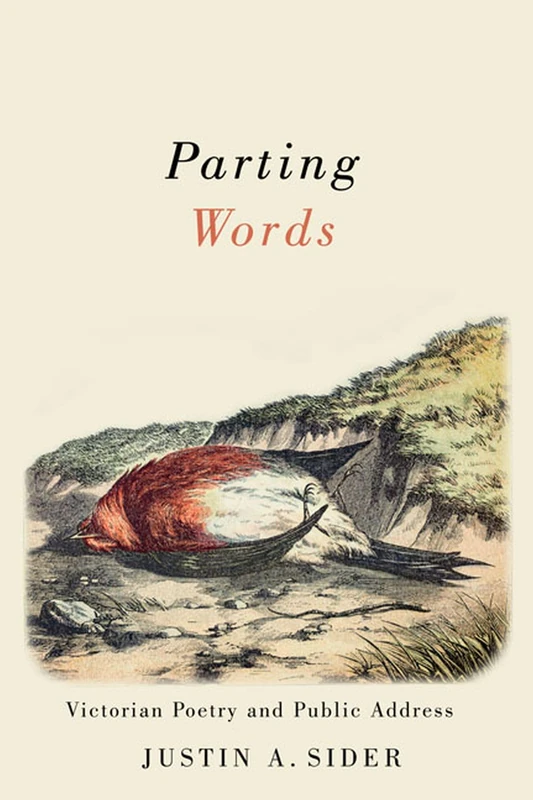
Parting Words: Victorian Poetry and Public Address (Victorian Literature and Culture Series)
University of Virginia Press
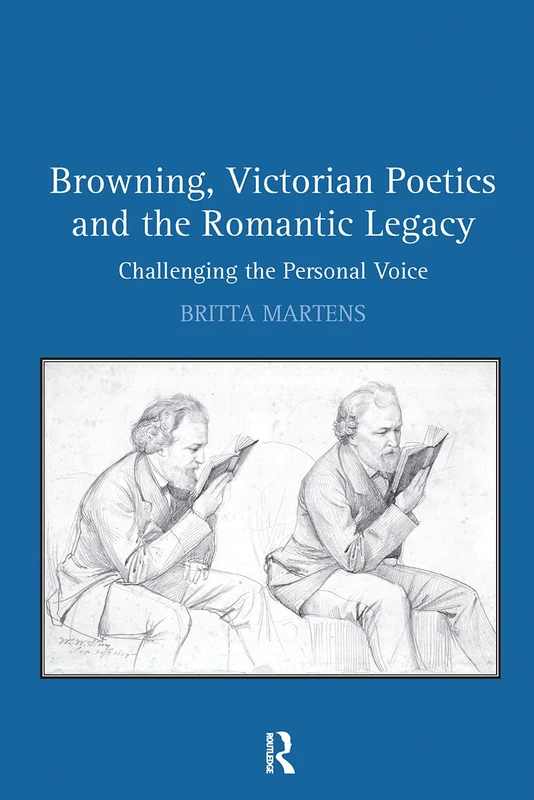
Routledge Browning, Victorian Poetics and the Romantic Legacy
Routledge

The Poem Electric: Technology and the American Lyric
University of Minnesota Press
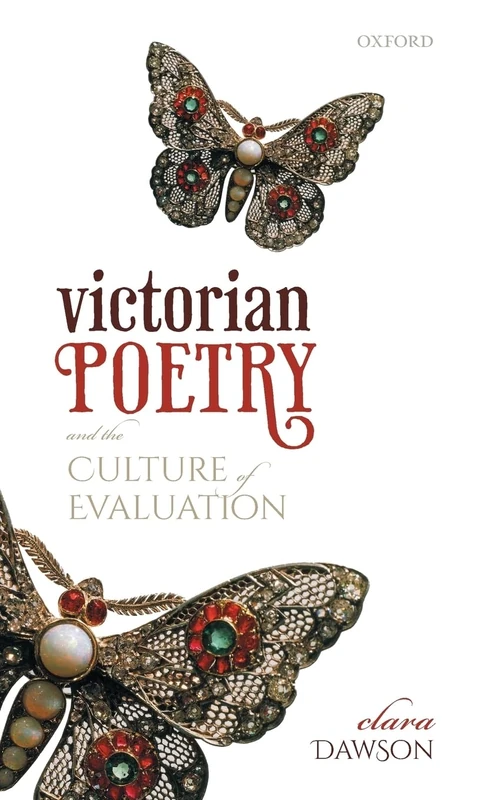
Victorian Poetry and the Culture of Evaluation
Oxford University Press
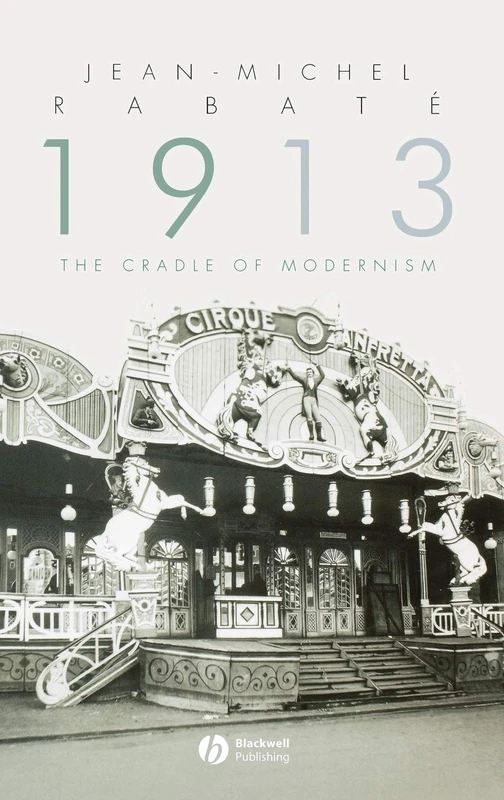
1913: The Cradle of Modernism
Wiley-Blackwell
The Poems of Robert Browning: Volume Five: The Ring and the Book, Books 1-6: 5 (Longman Annotated English Poets)
Routledge
Decadent Verse: An Anthology of Late-Victorian Poetry, 1872-1900 (Anthem Nineteenth-Century Series)
Anthem Press
Nineteenth-Century Poetry and the Physical Sciences: Poetical Matter (Palgrave Studies in Literature, Science and Medicine)
MACMILLAN
Reading Poetry
Manchester University Press
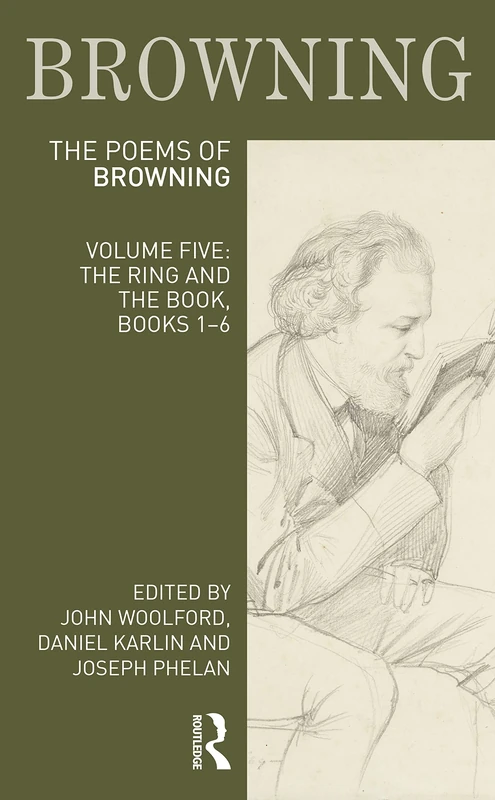
The Poems of Robert Browning: Volume Five: The Ring and the Book, Books 1-6: 5 (Longman Annotated English Poets)
Routledge
A Bookman's Catalogue Vol. 1 A-L: The Norman Colbeck Collection of Nineteenth-Century and Edwardian Poetry and Belles Lettres
University of Chicago Press
Routledge Re-Reading The Excursion - Wordsworthian Study
Routledge
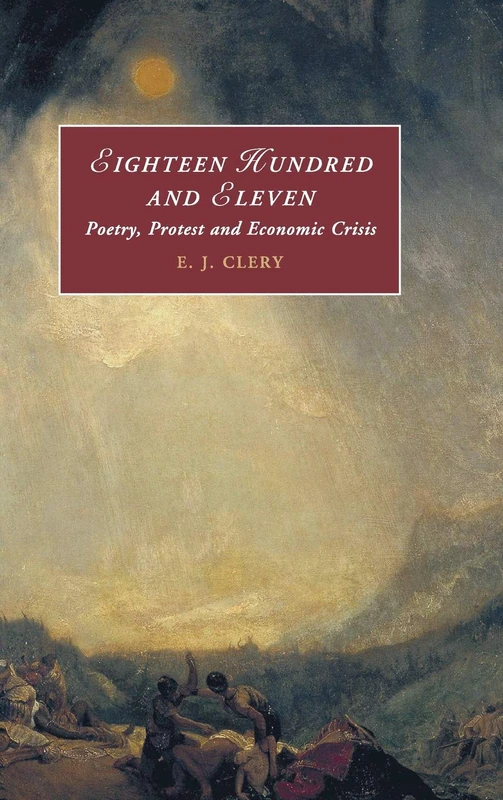
Eighteen Hundred and Eleven: Poetry, Protest and Economic Crisis: 116 (Cambridge Studies in Romanticism, Series Number 116)
Cambridge University Press
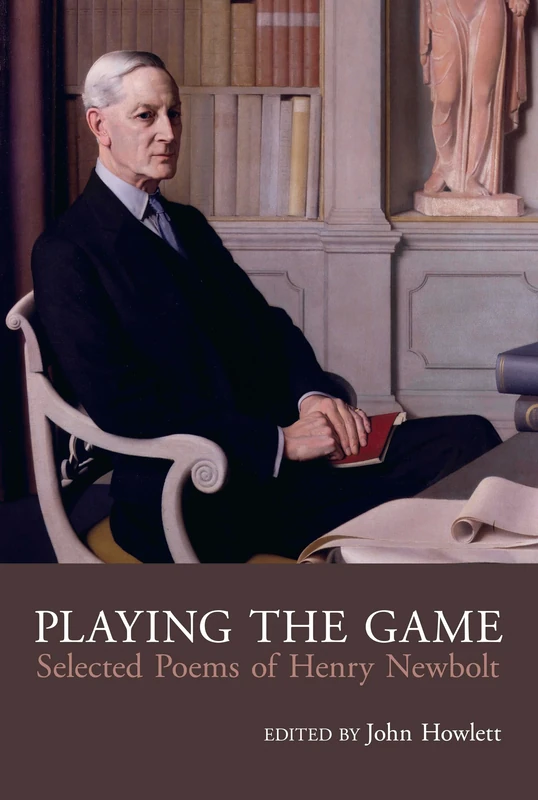
Playing the Game: Selected Poems of Henry Newbolt
Liverpool University Press
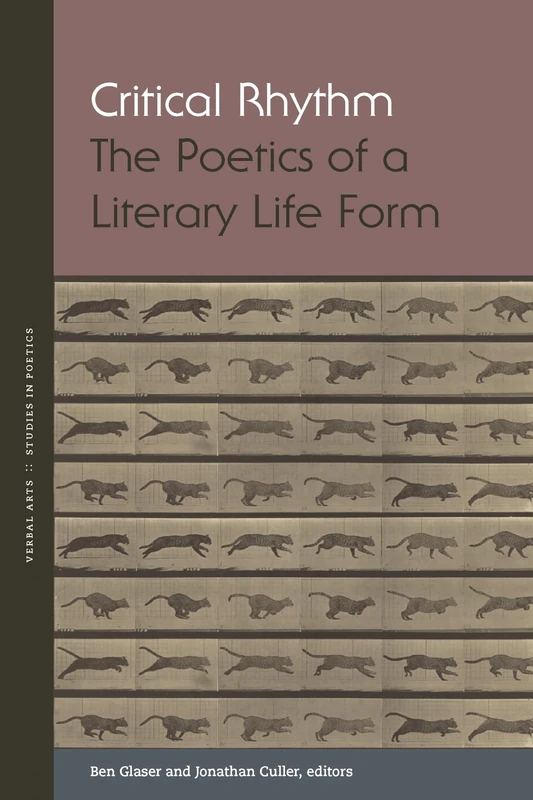
Critical Rhythm: The Poetics of a Literary Life Form (Verbal Arts: Studies in Poetics)
Fordham University Press
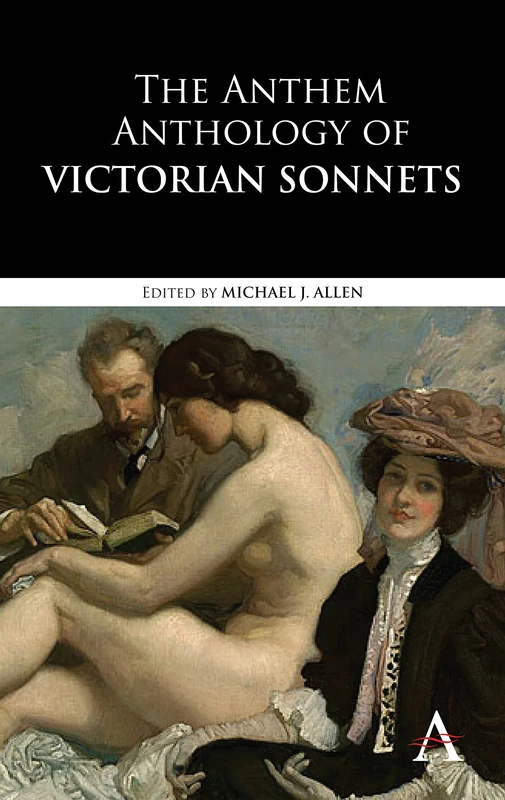
The Anthem Anthology of Victorian Sonnets: 1-5 (Anthem Nineteenth-Century Series)
Anthem Press
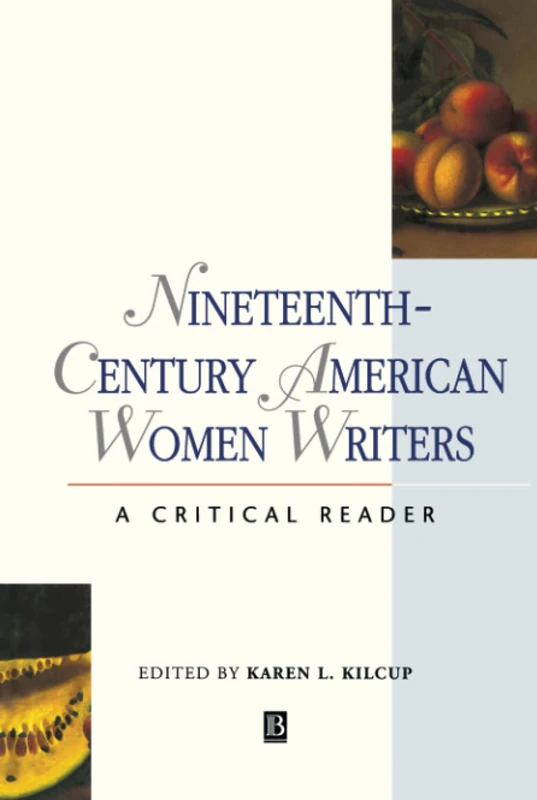
Nineteenth-Century American Women Writers: A Critical Reader (Blackwell Critical Reader)
Wiley-Blackwell