We can't find the internet
Attempting to reconnect
Something went wrong
Hang in there while we get back on track
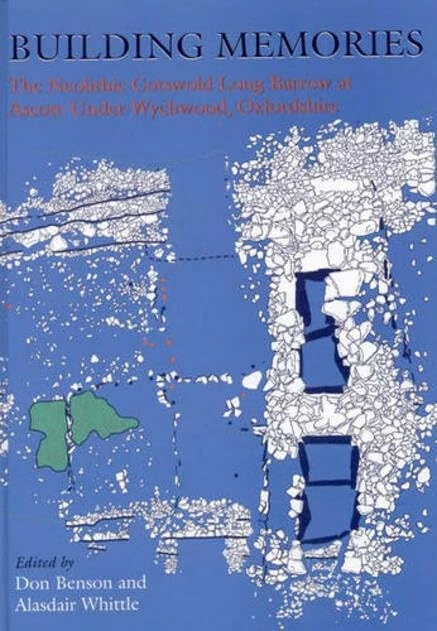
£55.00
Oxbow Books Building Memories: The Neolithic Cotswold Long Barrow at Ascott-under-Wychwood, Oxfordshire (Cardiff Studies in Archaeology)
Price data checked 1 day ago
We'll watch every seller, every day. One email when your price arrives.
It has never been this cheap. We have no record of a lower price.
£55 today · cheaper than every other day in the last 3 months
NEW HERE?
Amazon shows you one price. We show you all of them.
Tosheroon watches Amazon prices so you don't have to. Every product on Amazon has a price history — we make it visible. Set the price you'd actually pay, and we'll email you the second it gets there. No app, no account, one email.
WHAT'S ON THIS PAGE
when this has been cheap or pricey
where the price is heading next
all-time high & low, recent range
name your number, we'll email you
Price History & Forecast
Grey patches = out of stock. Cheaper = lower on the chart. Hover for exact prices.
Last 90 days · 90 data points
Price Distribution
Price distribution over 90 days • 1 price levels
Price Analysis
Most common price: £55 (90 days, 100.0%)
Price range: £55 - £55
Price levels: 1 different prices over 90 days
Description
Product Specifications
- Brand
- Oxbow Books
- Format
- hardcover
- ASIN
- 1842172360
- Domain
- Amazon UK
- Release Date
- 15 December 2006
- Listed Since
- 06 February 2007
Barcode
No barcode data available
Similar Products You Might Like
Assembling Catalhoyuk: 1 (Themes in Contemporary Archaeology)
Routledge
Where the Land Meets the Sea: Fourteen Millennia of Human History at Huaca Prieta, Peru
University of Texas Press
Waterlands: Prehistoric Life at Bar Pasture, Pode Hole Quarry, Peterborough (Phoenix Consulting Archaeology Limited)
The Neolithic Settlement: VII (Lerna)
American School of Classical Studies at Athens
Prehistoric Ukraine: From the First Hunters to the First Farmers
Oxbow Books
Megalithic Tombs in Western Iberia: Excavations at the Anta da Lajinha
Oxbow Books
Patterns and Corporeality: Neolithic Visual Culture from the Republic of Macedonia: 1910 (British Archaeological Reports International Series)
British Archaeological Reports Oxford Ltd
The Neolithic Demographic Transition and its Consequences
Springer
The Neolithic Demographic Transition and its Consequences
Springer
Neolithic Scotland: Timber, Stone, Earth and Fire
Edinburgh University Press
Unparalleled behaviour: Britain and Ireland during the 'Mesolithic' and 'Neolithic': 355 (British Archaeological Reports British Series)
British Archaeological Reports Oxford Ltd
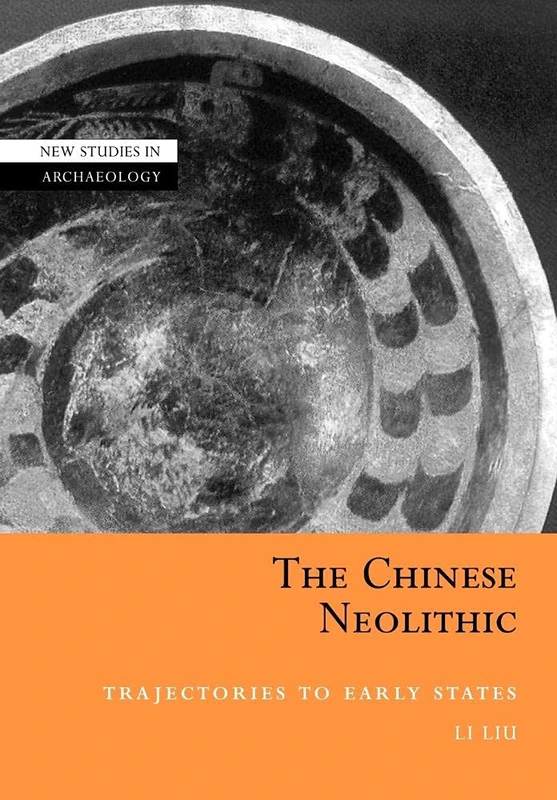
The Chinese Neolithic: Trajectories to Early States (New Studies in Archaeology)
Cambridge University Press
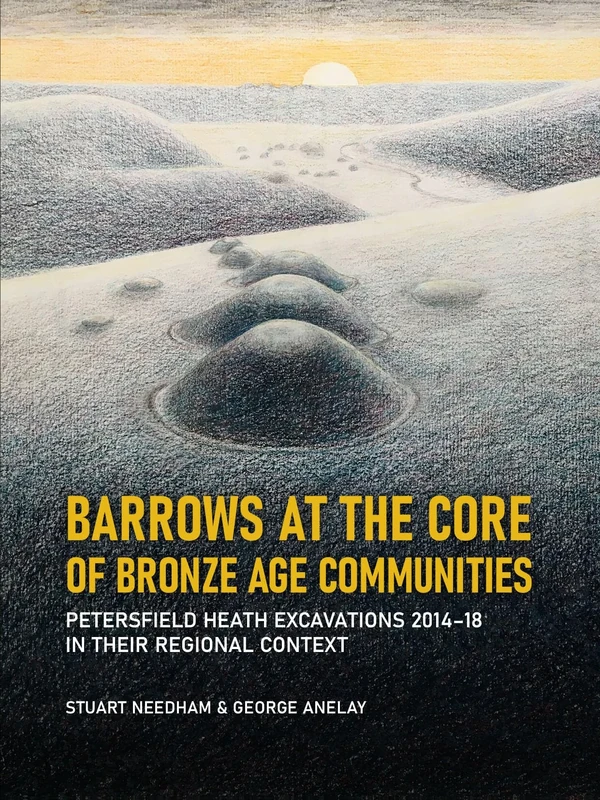
Barrows at the Core of Bronze Age Communities: Petersfield Heath Excavations 2014-18 in their Regional Context
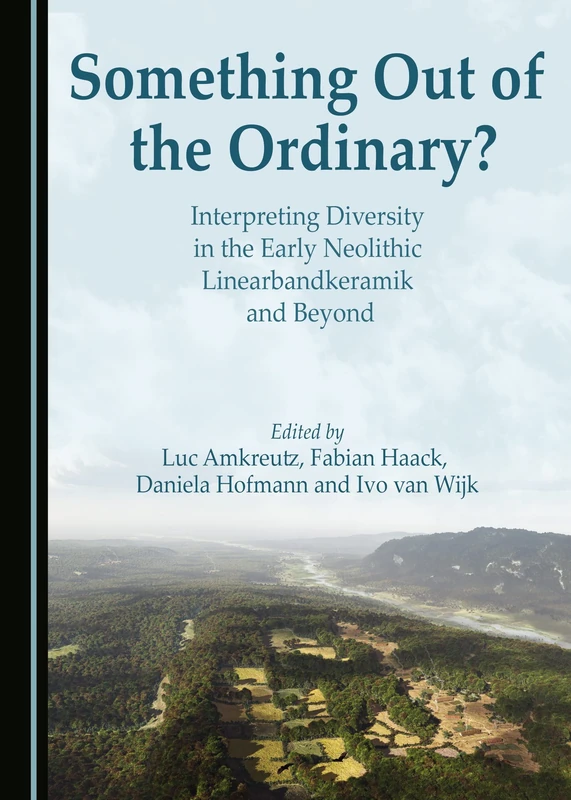
Something Out of the Ordinary? Interpreting Diversity in the Early Neolithic Linearbandkeramik and Beyond
Cambridge Scholars Publishing
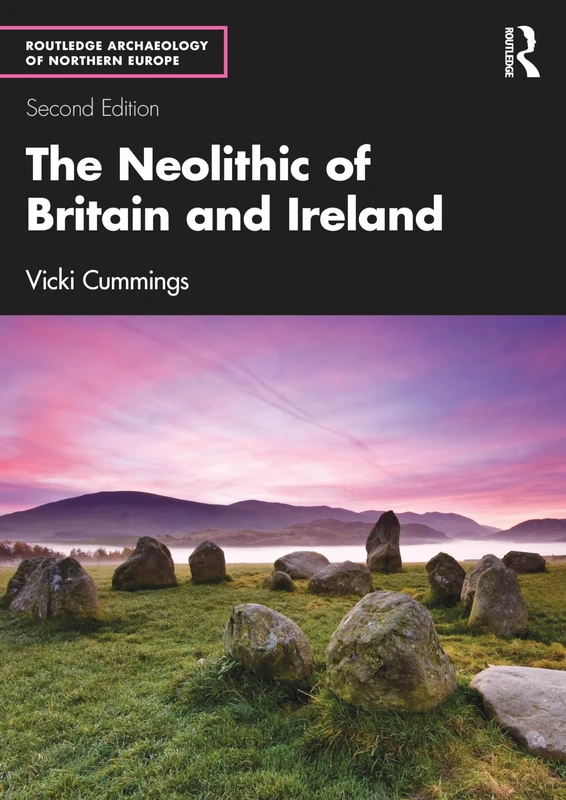
The Neolithic of Britain and Ireland (Routledge Archaeology of Northern Europe)
Routledge
The Goddess and the Bull: Çatalhöyük: An Archaeological Journey to the Dawn of Civilization
Routledge

New Frontiers in the Neolithic Archaeology of Taiwan (5600–1800 BP): A Perspective of Maritime Cultural Interaction: 3 (The Archaeology of Asia-Pacific Navigation, 3)
Springer
The Earlier Iron Age in Britain and the Near Continent
Oxbow Books
Twice-crossed River: Prehistoric and Palaeoenvironmental Investigations at Barleycroft Farm/Over, Cambridgeshire: III (The Archaeology of the Lower Ouse Valley)
McDonald Institute for Archaeological Research
Barrows at the Core of Bronze Age Communities: Petersfield Heath Excavations 2014-18 in their Regional Context
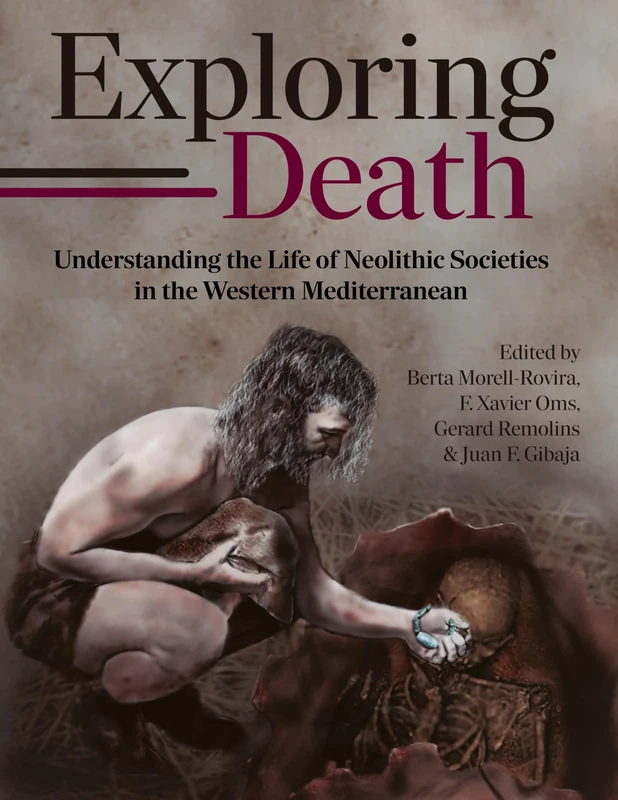
Exploring Death: Understanding the Life of Neolithic Societies in the Western Mediterranean (Studies in Funerary Archaeology)
Oxbow Books
The Neolithic Pottery from Lerna: V
American School of Classical Studies at Athens
Creating Society and Constructing the Past: Social Change in the Thames Valley from the Late Bronze Age to the Middle Iron Age: 637 (British Archaeological Reports British Series)
British Archaeological Reports Oxford Ltd
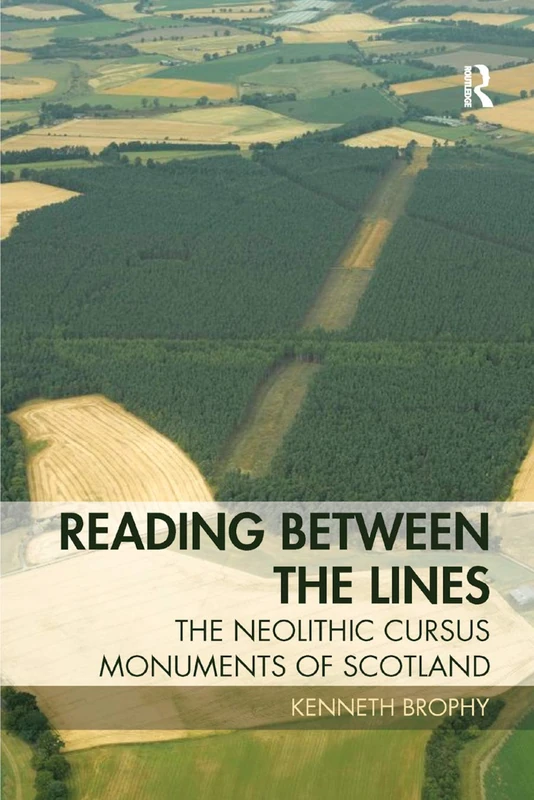
Reading Between the Lines: The Neolithic Cursus Monuments of Scotland
Routledge