We can't find the internet
Attempting to reconnect
Something went wrong
Hang in there while we get back on track
£75.63
It has never been this cheap. We have no record of a lower price.
£76 today · cheaper than every other day in the last 3 months
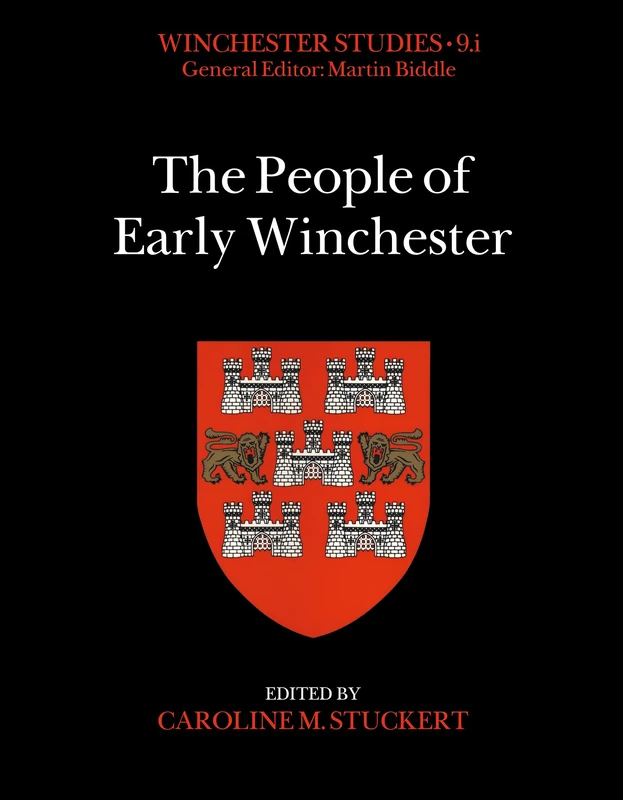
The People of Early Winchester (Winchester Studies, 9.1)
We'll watch every seller, every day. One email when your price arrives.
Price History & Forecast
Grey patches = out of stock. Cheaper = lower on the chart. Hover for exact prices.
Last 85 days · 85 data points (no recent data)
NEW HERE?
Amazon shows you one price. We show you all of them.
Tosheroon watches Amazon prices so you don't have to. Every product on Amazon has a price history — we make it visible. Set the price you'd actually pay, and we'll email you the second it gets there. No app, no account, one email.
WHAT'S ON THIS PAGE
when this has been cheap or pricey
where the price is heading next
all-time high & low, recent range
name your number, we'll email you
Price Distribution
Price distribution over 85 days • 2 price levels
Price Analysis
Most common price: £76 (44 days, 51.8%)
Price range: £76 - £78
Price levels: 2 different prices over 85 days
Description
Product Specifications
- Format
- hardcover
- ASIN
- 1803270144
- Domain
- Amazon UK
- Release Date
- 03 April 2025
- Listed Since
- 13 September 2021
Barcode
No barcode data available
Similar Products You Might Like
The People of Early Winchester: Winchester Studies 9.i
Oxford University Press
EAA 182: Anglo-Saxon Cemeteries at RAF Lakenheath Book
Double Agents: Women and Clerical Culture in Anglo-Saxon England (Religion & Culture in the Middle Ages)
University of Wales Press
Perceptions of the Prehistoric in Anglo-Saxon England: Religion, Ritual, and Rulership in the Landscape (Medieval History and Archaeology)
Oxford University Press
Corpus of Anglo-Saxon Stone Sculpture, Volume X: The Western Midlands: 10
Oxford University Press
The Anglo-Saxon Library
Oxford University Press
Long Twelfth-Century View of Anglo-Saxon Past - Routledge
Routledge
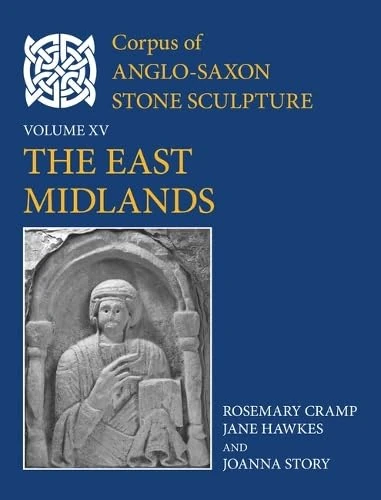
The East Midlands: 15 (Corpus of Anglo-Saxon Stone Sculpture)
Liverpool University Press
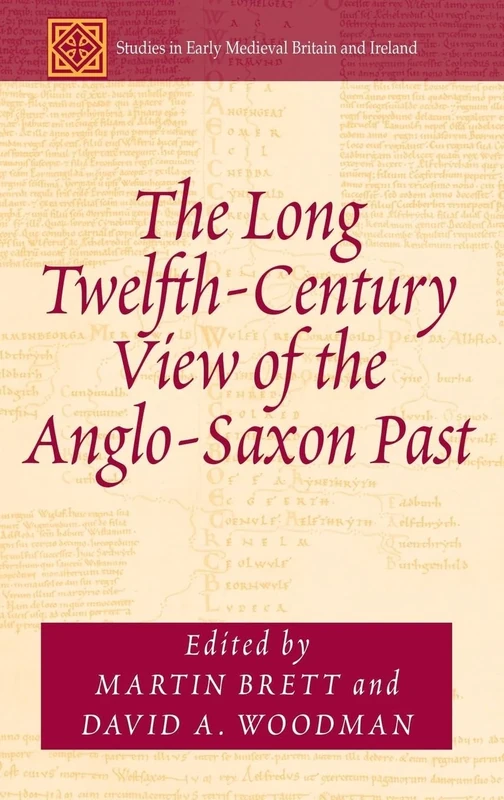
The Long Twelfth-Century View of the Anglo-Saxon Past (Studies in Early Medieval Britain and Ireland)
Routledge
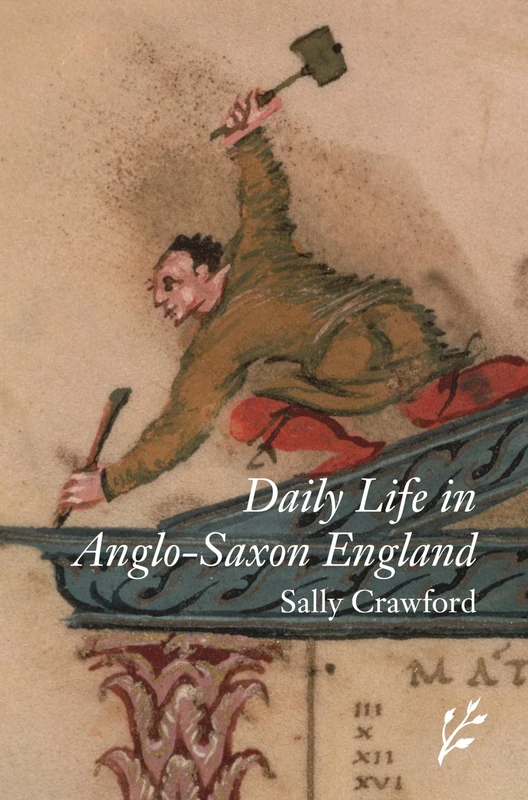
Daily Life in Anglo-Saxon England (The Greenwood Press Daily Life Through History Series)
Bloomsbury
Early Anglo-Saxon Communities in the Landscape of Norfolk: 481 (British Archaeological Reports British Series)
British Archaeological Reports Oxford Ltd
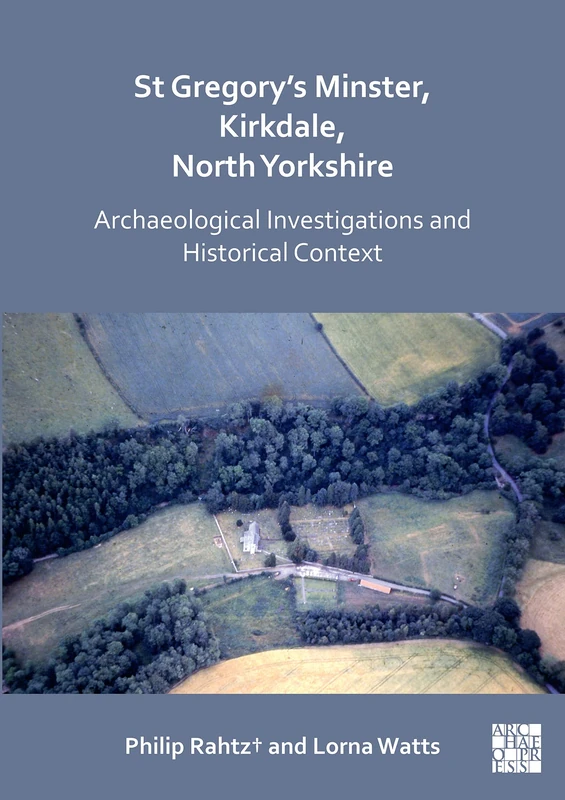
St Gregory's Minster, Kirkdale, North Yorkshire: Archaeological Investigations and Historical Context
Archaeopress Archaeology
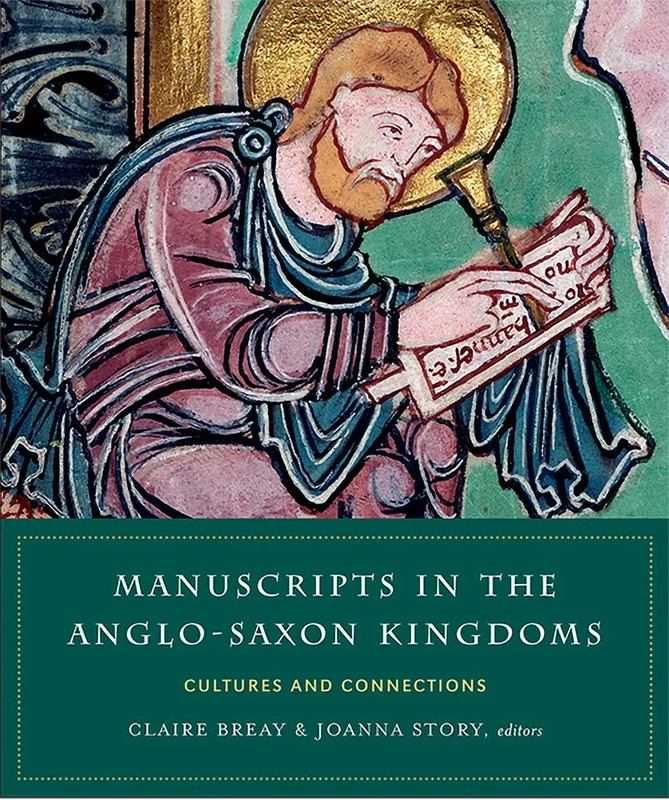
Manuscripts in the Anglo-Saxon kingdoms: Cultures and conncetions
Four Courts Press
Early Medieval Studies in Memory of Patrick Wormald (Studies in Early Medieval Britain and Ireland)
Routledge
Early Medieval Studies in Memory of Patrick Wormald (Studies in Early Medieval Britain and Ireland)
Routledge
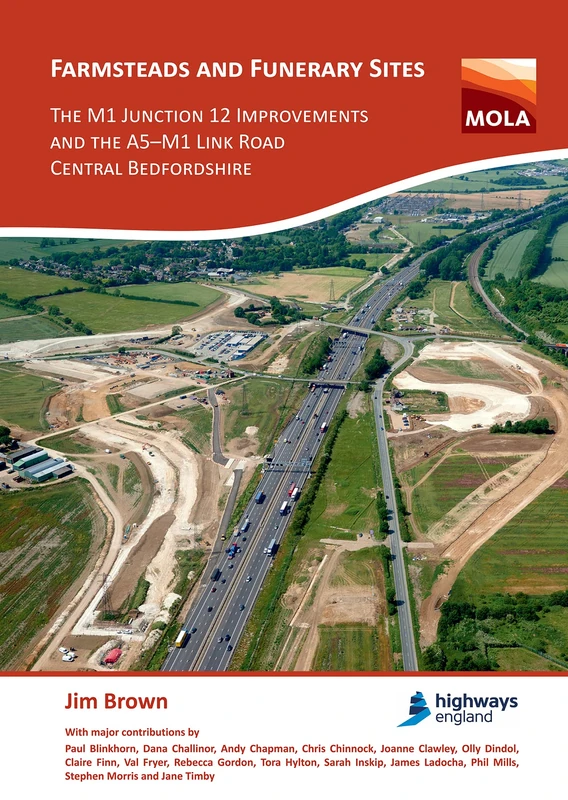
Farmsteads and Funerary Sites: The M1 Junction 12 Improvements and the A5-M1 Link Road, Central Bedfordshire: Archaeological investigations prior to construction, 2011 & 2015-16
Archaeopress Archaeology
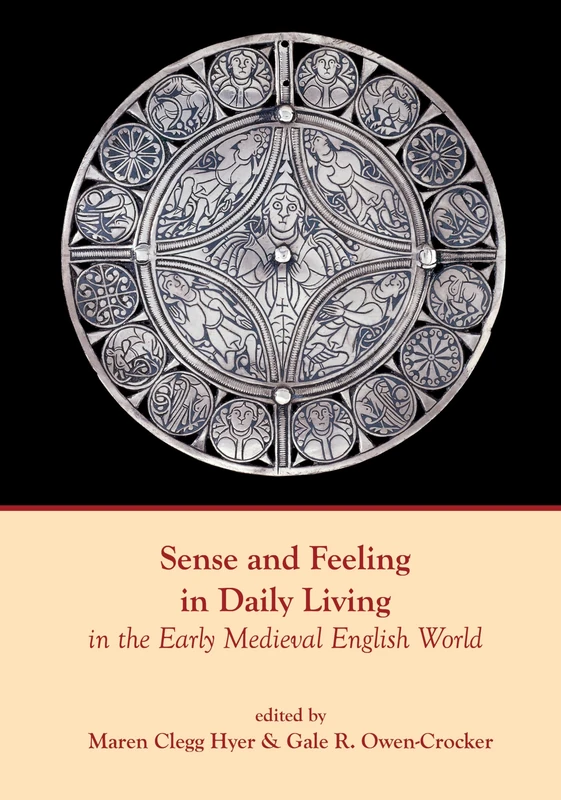
Sense and Feeling in Daily Living in the Early Medieval English World (Exeter Studies in Medieval Europe)
Liverpool University Press
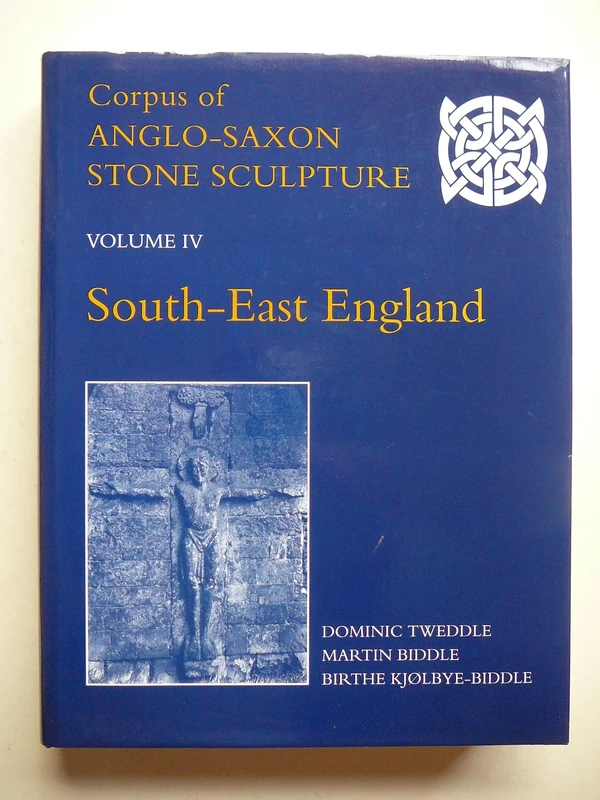
South-East England: 4 (Corpus of Anglo-Saxon Stone Sculpture, 4)
Oxford University Press
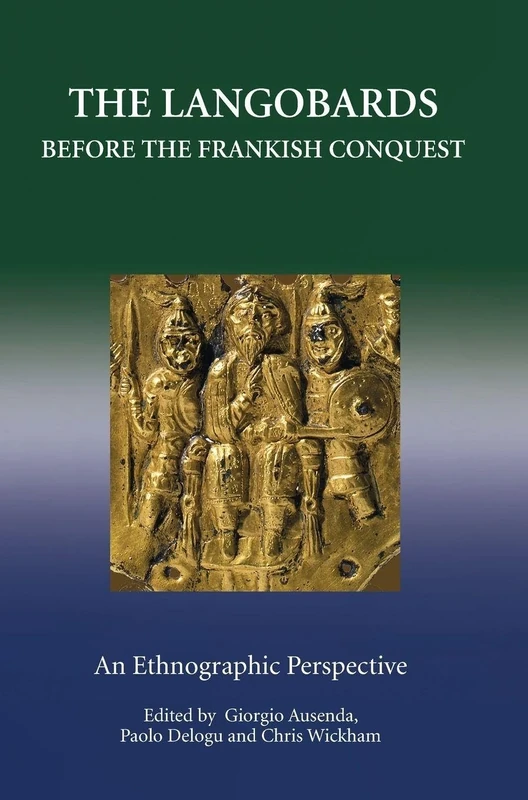
Boydell Press - The Langobards before the Frankish Conquest
Boydell Press

Changing Perspectives on England and the Continent in the Early Middle Ages
Routledge
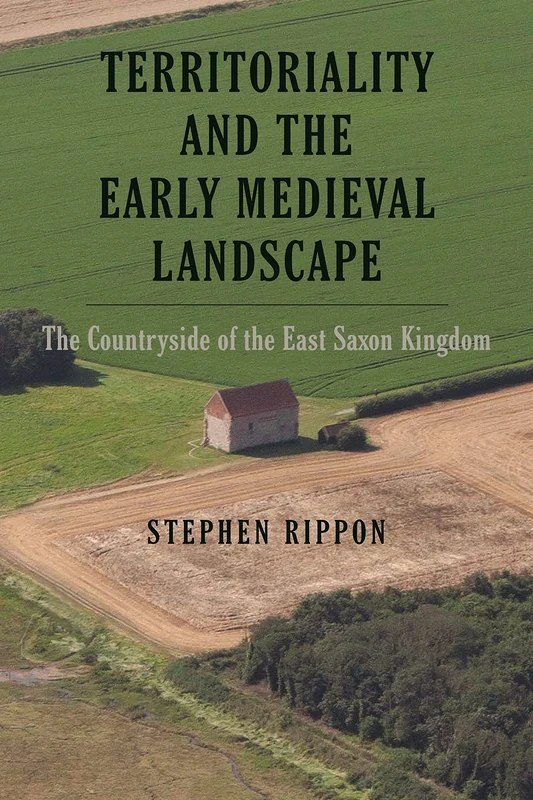
Boydell Press - Territoriality and the Early Medieval Landscape
Boydell Press
Charters of Peterborough Abbey: CHARTERS OF PETERBOROUGH ABBEY CTB: 14 (Anglo-Saxon Charters)
Oxford University Press
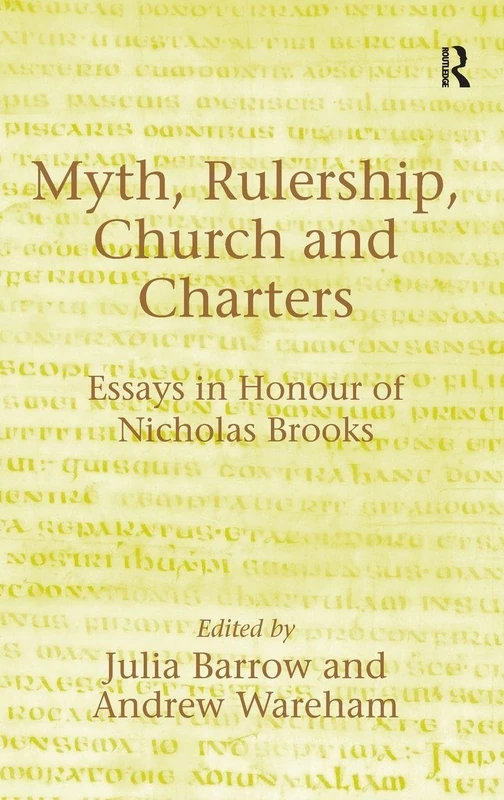
Myth, Rulership, Church and Charters - Anglo-Saxon Essays
Routledge
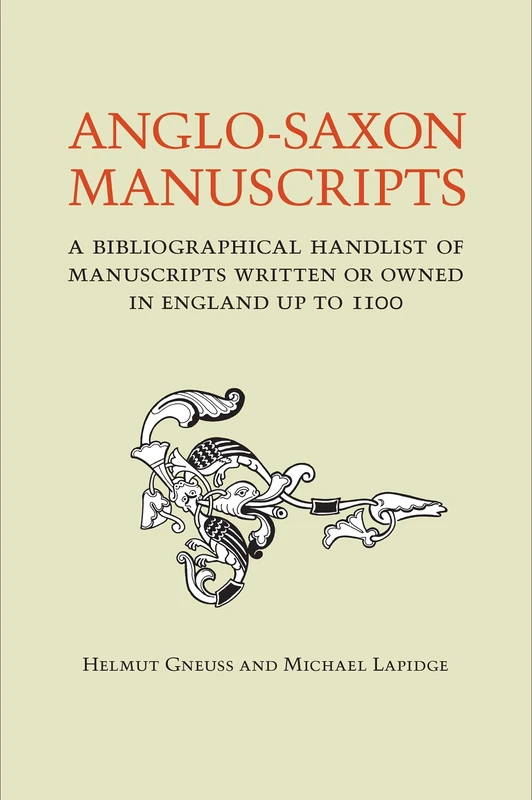
University of Toronto Anglo-Saxon Manuscripts Handlist
University of Toronto Press