We can't find the internet
Attempting to reconnect
Something went wrong
Hang in there while we get back on track

£99.00
It has never been this cheap. We have no record of a lower price.
£99 today · cheaper than every other day in the last 3 months
Bloomsbury Eurasianism: An Ideology for the Multipolar World (Russian, Eurasian, and Eastern European Politics)
We'll watch every seller, every day. One email when your price arrives.
Price History & Forecast
Grey patches = out of stock. Cheaper = lower on the chart. Hover for exact prices.
Last 46 days · 46 data points (no recent data)
NEW HERE?
Amazon shows you one price. We show you all of them.
Tosheroon watches Amazon prices so you don't have to. Every product on Amazon has a price history — we make it visible. Set the price you'd actually pay, and we'll email you the second it gets there. No app, no account, one email.
WHAT'S ON THIS PAGE
when this has been cheap or pricey
where the price is heading next
all-time high & low, recent range
name your number, we'll email you
Price Distribution
Price distribution over 46 days • 1 price levels
Price Analysis
Most common price: £99 (46 days, 100.0%)
Price range: £99 - £99
Price levels: 1 different prices over 46 days
Description
Product Specifications
- Brand
- Bloomsbury
- Format
- hardcover
- ASIN
- 1793604797
- Category
- Books > Subjects > History
- Domain
- Amazon UK
- Release Date
- 28 March 2020
- Listed Since
- 29 September 2019
Barcode
No barcode data available
Similar Products You Might Like
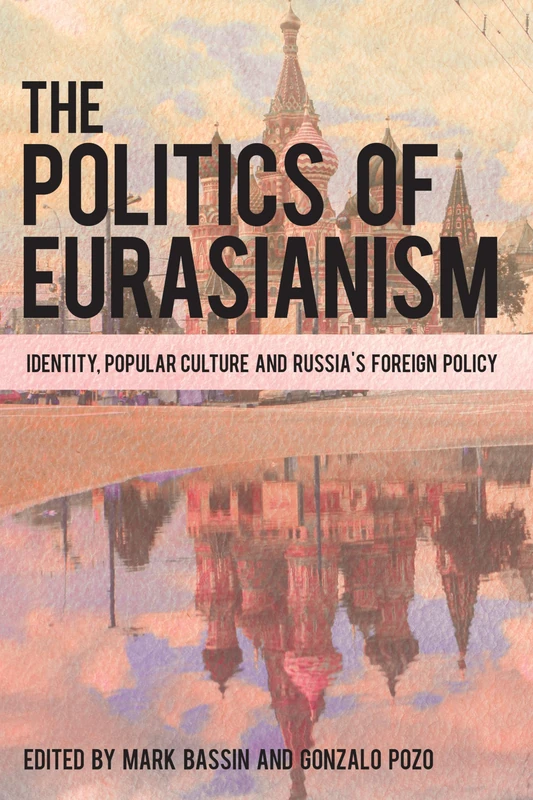
Politics of Eurasianism: Identity, Popular Culture and Russia's Foreign Policy
Rowman & Littlefield Publishers
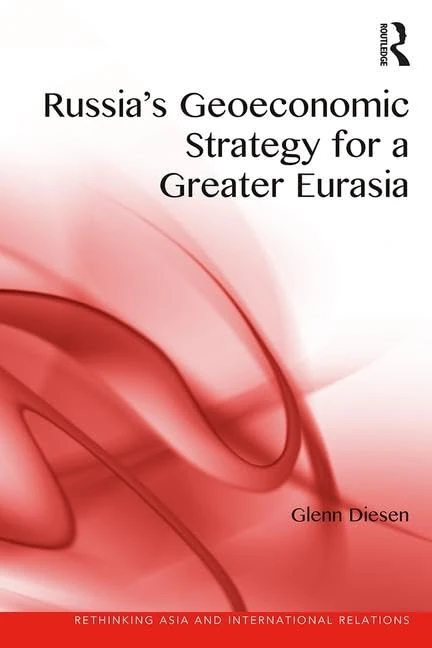
Russia's Geoeconomic Strategy for a Greater Eurasia (Rethinking Asia and International Relations)
Routledge

Between Europe and Asia: The Origins, Theories, and Legacies of Russian Eurasianism: 233 (Russian and East European Studies)
University of Pittsburgh Press
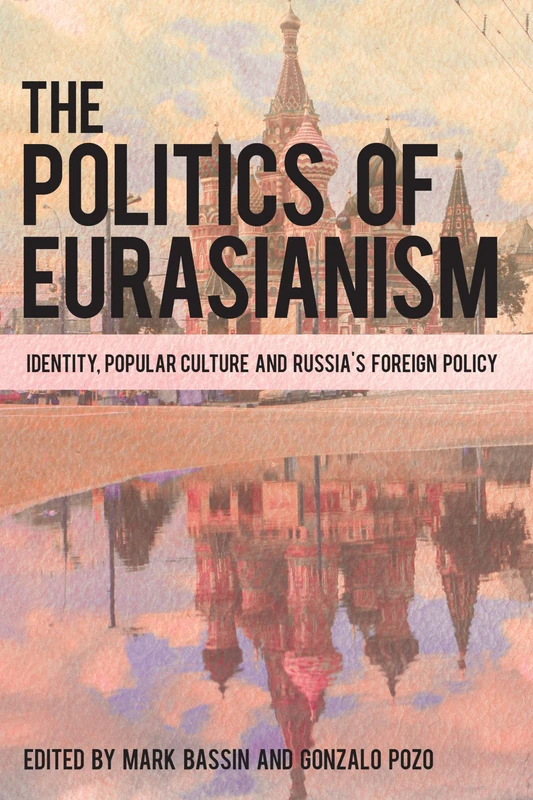
Politics of Eurasianism, The: Identity, Popular Culture and Russia's Foreign Policy
Rowman & Littlefield Publishers
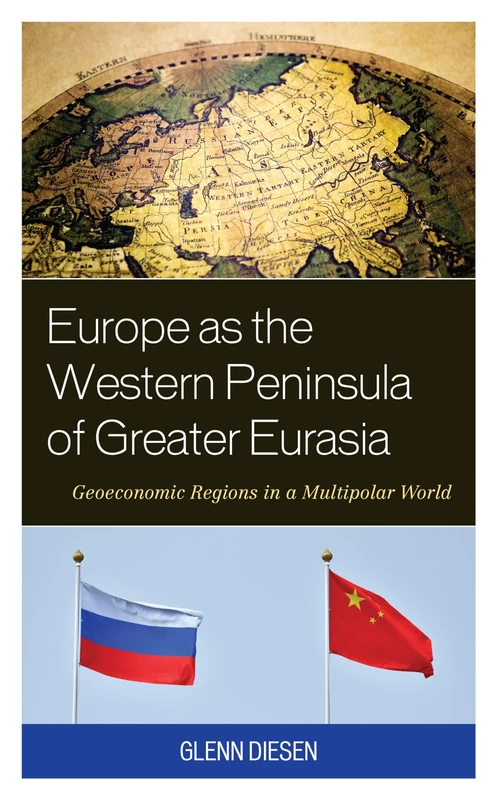
Europe as the Western Peninsula of Greater Eurasia: Geoeconomic Regions in a Multipolar World
Rowman & Littlefield Publishers
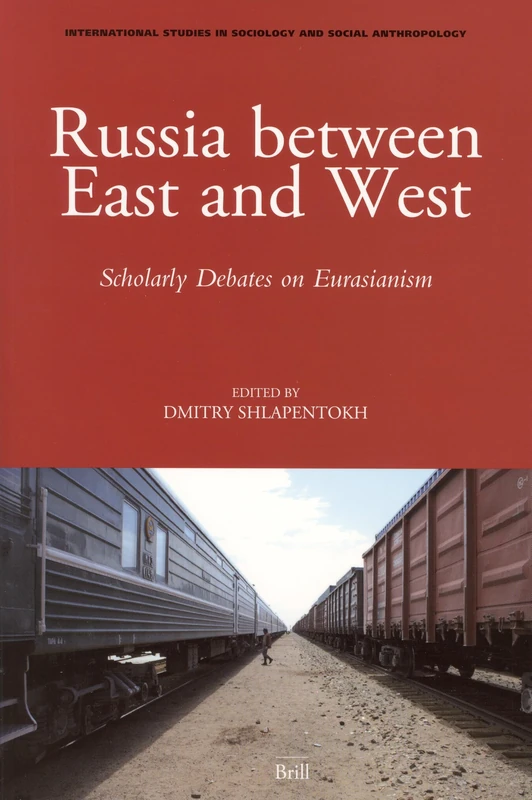
Russia Between East and West: Scholarly Debates on Eurasianism (International Studies in Sociology & Social Anthropology): 102
Brill
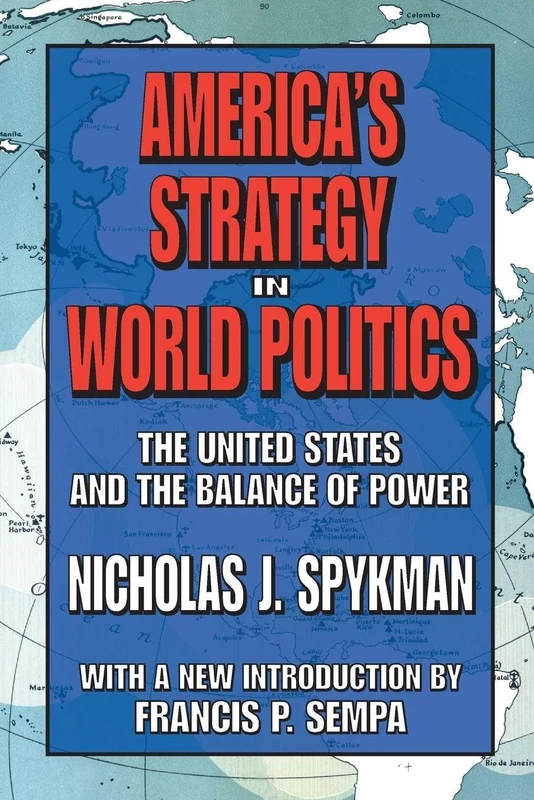
America's Strategy in World Politics: The United States and the Balance of Power
Routledge
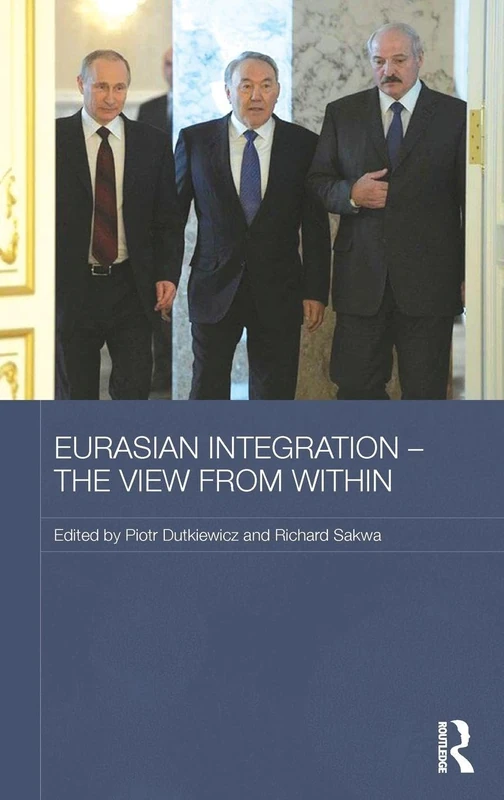
Eurasian Integration: The View from Within - Routledge
Routledge
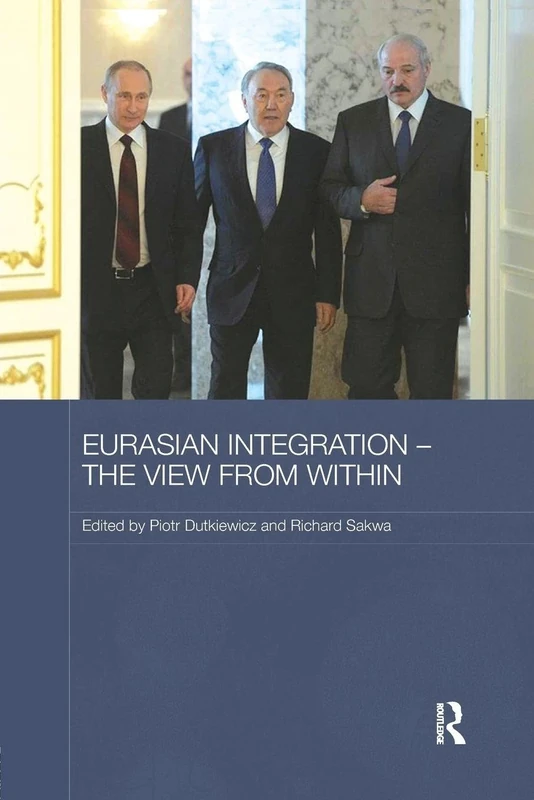
Eurasian Integration – The View from Within (Routledge Contemporary Russia and Eastern Europe Series)
Routledge
Russian Foreign Policy after the Cold War
Bloomsbury
Eurasia on the Edge: Managing Complexity (Russian, Eurasian, and Eastern European Politics)
Lexington Books

Theory of the Political Subject: Void Universalism II (Interventions)
Routledge
The EU's Foreign Policy: What Kind of Power and Diplomatic Action? (Globalisation, Europe, and Multilateralism)
Routledge

Semiperipheral Development and Foreign Policy: The Cases of Greece and Spain (Routledge Revivals)
Routledge
The Politics of Becoming European: A study of Polish and Baltic Post-Cold War security imaginaries (New International Relations)
Routledge
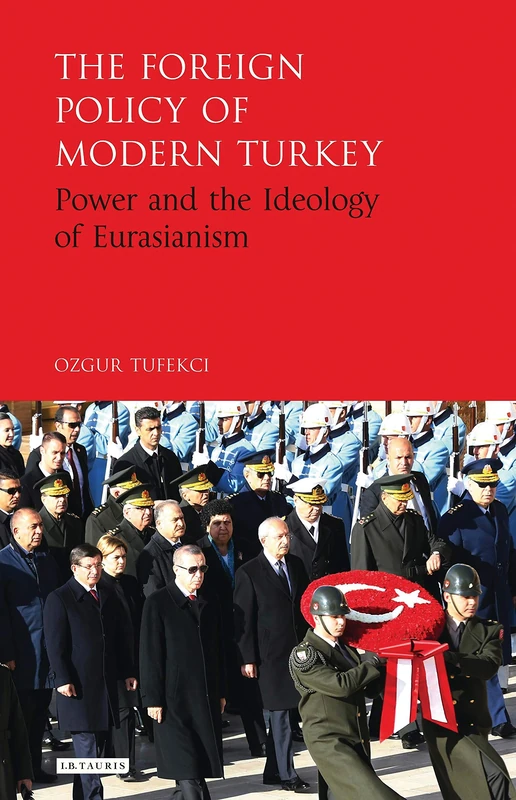
The Foreign Policy of Modern Turkey: Power and the Ideology of Eurasianism (Library of Modern Turkey)
Bloomsbury

The Politics of Becoming European: A study of Polish and Baltic Post-Cold War security imaginaries (New International Relations)
Routledge
The Impact of Asian Powers on Global Developments
Springer
Eurasia Rising: Democracy and Independence in the Post-Soviet Space (PSI Reports)
Bloomsbury

The European Handbook of Central Asian Studies: History, Politics, and Societies
Ibidem Press
Europe in the World: The Persistence of Power Politics
MACMILLAN

Non-Western International Relations Theory - Asia Perspectives
Routledge

Spheres of Influence in International Relations: History, Theory and Politics
Routledge
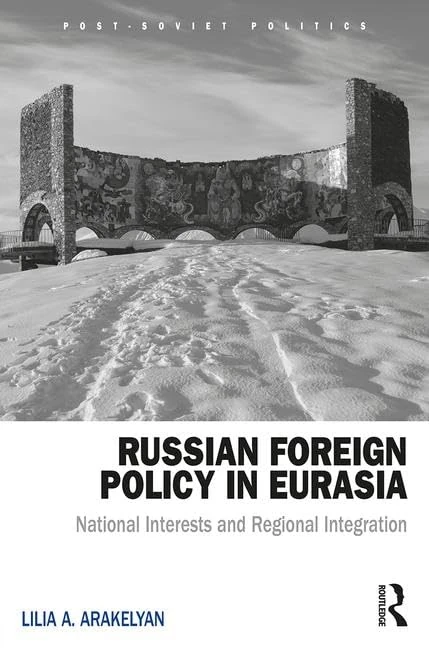
Russian Foreign Policy in Eurasia: National Interests and Regional Integration (Post-Soviet Politics)
Routledge