We can't find the internet
Attempting to reconnect
Something went wrong
Hang in there while we get back on track
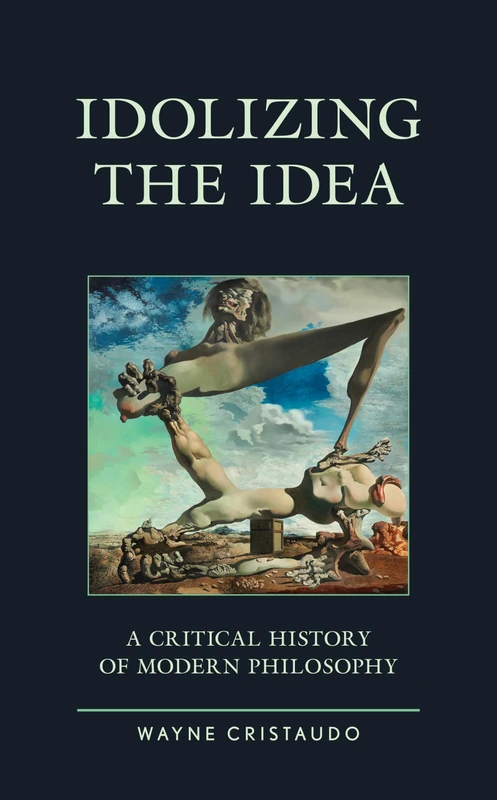
£35.31
It has never been this cheap. We have no record of a lower price.
£35 today · cheaper than every other day in the last 3 months
Bloomsbury Idolizing the Idea: A Critical History of Modern Philosophy (Political Theory for Today)
We'll watch every seller, every day. One email when your price arrives.
Price History & Forecast
Grey patches = out of stock. Cheaper = lower on the chart. Hover for exact prices.
Last 81 days · 81 data points (no recent data)
NEW HERE?
Amazon shows you one price. We show you all of them.
Tosheroon watches Amazon prices so you don't have to. Every product on Amazon has a price history — we make it visible. Set the price you'd actually pay, and we'll email you the second it gets there. No app, no account, one email.
WHAT'S ON THIS PAGE
when this has been cheap or pricey
where the price is heading next
all-time high & low, recent range
name your number, we'll email you
Price Distribution
Price distribution over 81 days • 1 price levels
Price Analysis
Most common price: £35 (81 days, 100.0%)
Price range: £35 - £35
Price levels: 1 different prices over 81 days
Description
Product Specifications
- Brand
- Bloomsbury
- Format
- paperback
- ASIN
- 1793602379
- Domain
- Amazon UK
- Release Date
- 15 May 2023
- Listed Since
- 24 March 2023
Barcode
No barcode data available
Similar Products You Might Like

Debates in Modern Philosophy: Essential Readings and Contemporary Responses (Key Debates in the History of Philosophy)
Routledge
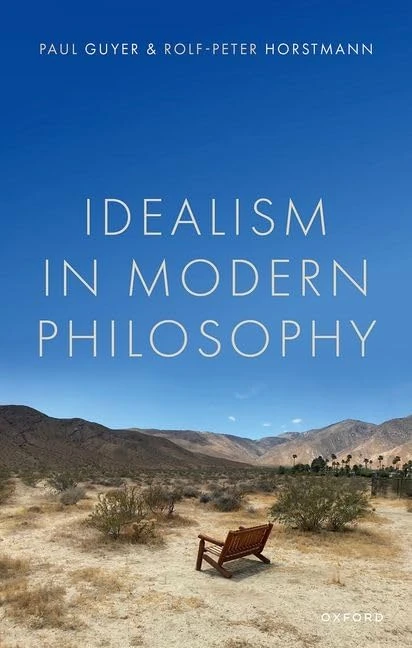
Idealism in Modern Philosophy
Oxford University Press

Kierkegaard and the Renaissance and Modern Traditions - Vol. 5
Routledge

Oxford University Press - Aesthetic Dimensions of Modern Philosophy
Oxford University Press

Volume 5, Tome I: Kierkegaard and the Renaissance and Modern Traditions - Philosophy (Kierkegaard Research: Sources, Reception and Resources)
Routledge

Oxford University Press - British Idealism: A History Paper
Oxford University Press

The German Idealism Reader: Ideas, Responses, and Legacy
Bloomsbury

Spinoza and Other Heretics, Volume 2: The Adventures of Immanence: 002
Princeton University Press

Insiders and Outsiders in Seventeenth-Century Philosophy (Routledge Studies in Seventeenth-Century Philosophy)
Routledge

Philosophical Methodology: The Armchair or the Laboratory?
Routledge

Insiders and Outsiders in Seventeenth-Century Philosophy (Routledge Studies in Seventeenth-Century Philosophy)
Routledge

Proceedings of the Third International Kant Congress: Held at the University of Rochester, March 30–April 4, 1970 (Synthese Historical Library, 4)
Springer

Proceedings of the Third International Kant Congress: Held at the University of Rochester, March 30–April 4, 1970 (Synthese Historical Library, 4)
Springer

Debates in Modern Philosophy: Essential Readings and Contemporary Responses (Key Debates in the History of Philosophy)
Routledge

The Oxford Handbook of Nineteenth-Century Women Philosophers in the German Tradition
Oxford University Press

Philosophical Methodology: Armchair vs Laboratory - Routledge
Routledge
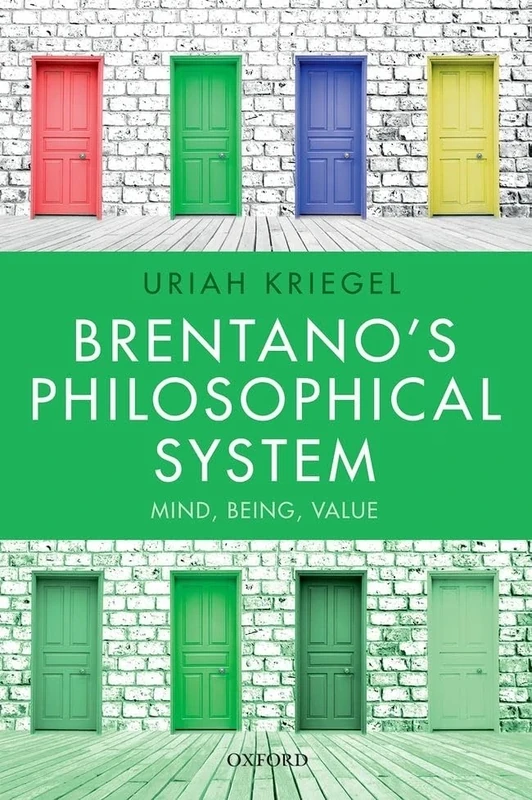
Brentano's Philosophical System: Mind, Being, Value
Oxford University Press

Sellars and the History of Modern Philosophy (Routledge Studies in American Philosophy)
Routledge

Understanding German Idealism (Understanding Movements in Modern Thought)
Routledge

Philosophy as a Way of Life: Ancients and Moderns - Essays in Honor of Pierre Hadot
Wiley

Philosophic Classics: Plato to Derrida - Routledge
Routledge

Erkenntnis Orientated: Carnap & Reichenbach Centennial Volume
Springer

Human Destinies: Philosophical Essays in Memory of Gerald Hanratty
University of Notre Dame Press

The Liberating Art of Philosophy: A Foundational Anthology
Cognella Academic Publishing