We can't find the internet
Attempting to reconnect
Something went wrong
Hang in there while we get back on track
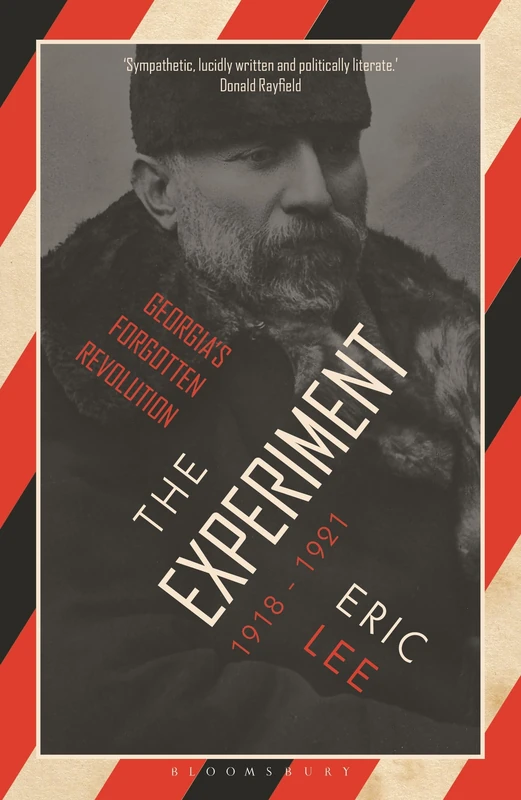
£76.39
Zed Books The Experiment: Georgia's Forgotten Revolution 1918-1921
Price data checked 4 days ago
We'll watch every seller, every day. One email when your price arrives.
This is the most expensive it has ever been. Walk away.
£76 today · previous high £76 · all-time low £76
NEW HERE?
Amazon shows you one price. We show you all of them.
Tosheroon watches Amazon prices so you don't have to. Every product on Amazon has a price history — we make it visible. Set the price you'd actually pay, and we'll email you the second it gets there. No app, no account, one email.
WHAT'S ON THIS PAGE
when this has been cheap or pricey
where the price is heading next
all-time high & low, recent range
name your number, we'll email you
Price History & Forecast
Grey patches = out of stock. Cheaper = lower on the chart. Hover for exact prices.
Last 87 days · 87 data points (no recent data)
Price Distribution
Price distribution over 87 days • 1 price levels
Price Analysis
Most common price: £76 (87 days, 100.0%)
Price range: £76 - £76
Price levels: 1 different prices over 87 days
Description
Product Specifications
- Brand
- Zed Books
- Format
- hardcover
- ASIN
- 1786990938
- Domain
- Amazon UK
- Release Date
- 15 September 2017
- Listed Since
- 19 September 2016
Barcode
No barcode data available
Similar Products You Might Like
Marxism and Revolution. Karl Kautsky and the Russian Marxists 1900-1924
Yale University Press
The Lost World of Socialists at Europes Margins: Imagining Utopia, 1870s - 1920s
Bloomsbury Academic
From the Other Shore: Russian Social Democracy After 1921 (Harvard Historical Studies): 125
Harvard University Press
Hundred Years of the Russian Revolution: Its Legacies in Perspective
MACMILLAN
Lenin's Terror: Ideological Origins of Soviet State Violence
Routledge
Lenin's Terror: The Ideological Origins of Early Soviet State Violence (Routledge Contemporary Russia and Eastern Europe Series)
Routledge
Rediscovering Lenin: Dialectics of Revolution and Metaphysics of Domination (Marx, Engels, and Marxisms)
MACMILLAN
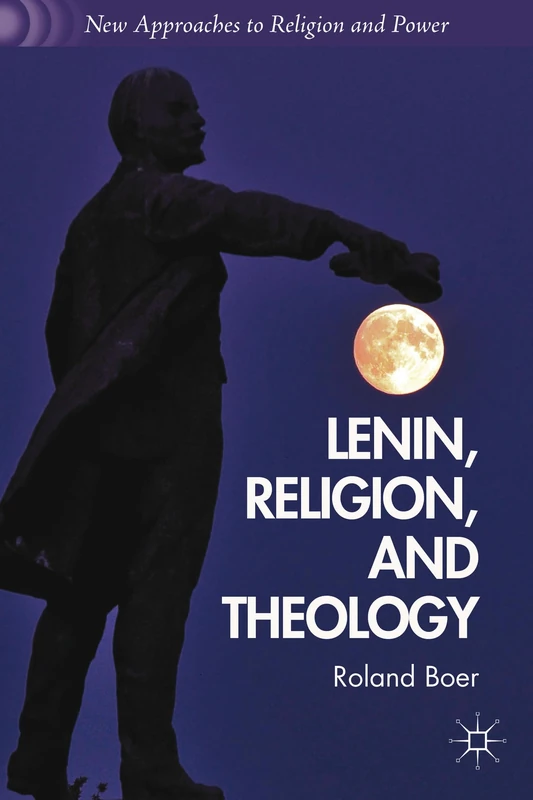
Lenin, Religion, and Theology (New Approaches to Religion and Power)
MACMILLAN

European Socialists and the State in the Twentieth and Twenty-First Centuries (Palgrave Studies in the History of Social Movements)
MACMILLAN
The Russian Revolution in Retreat, 1920-24: Soviet Workers and the New Communist Elite (BASEES/Routledge Series on Russian and East European Studies)
Routledge
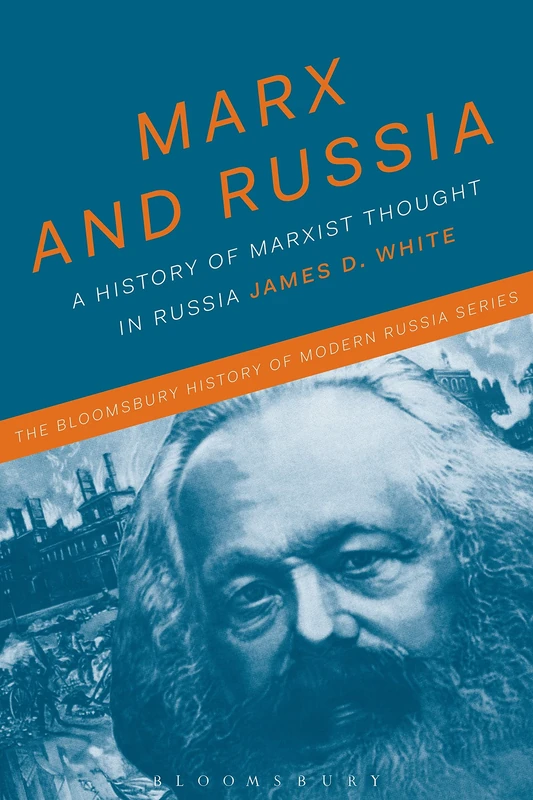
Marx and Russia: The Fate of a Doctrine (The Bloomsbury History of Modern Russia Series)
Bloomsbury
The Castoriadis Reader (Wiley Blackwell Readers)
Wiley
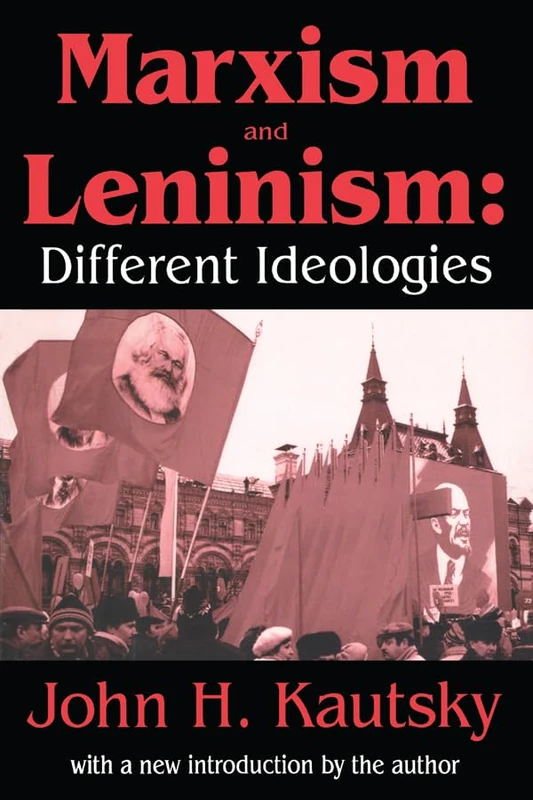
Marxism and Leninism: An Essay in the Sociology of Knowledge
Routledge
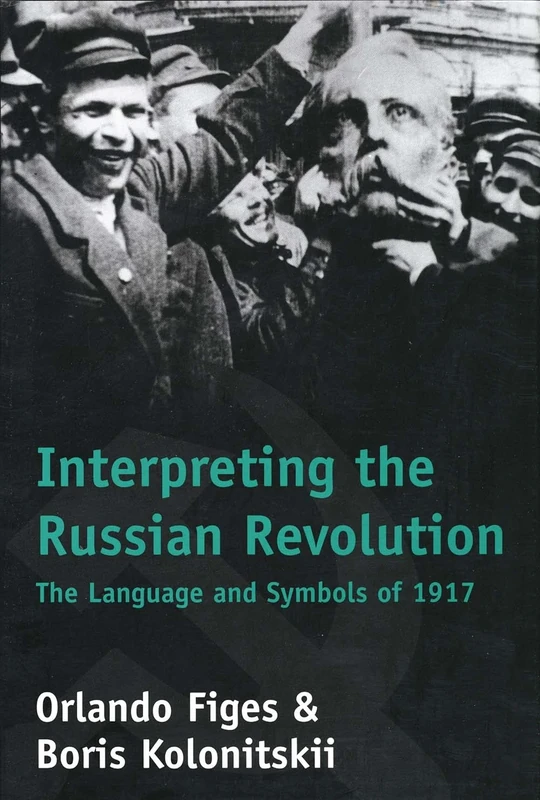
Interpreting the Russian Revolution – The Language & Symbols of 1917
Yale University Press
Revolutionary Social Transformation: Democratic Hopes, Political Possibilities and Critical Education (Critical Studies in Education and Culture)
Praeger
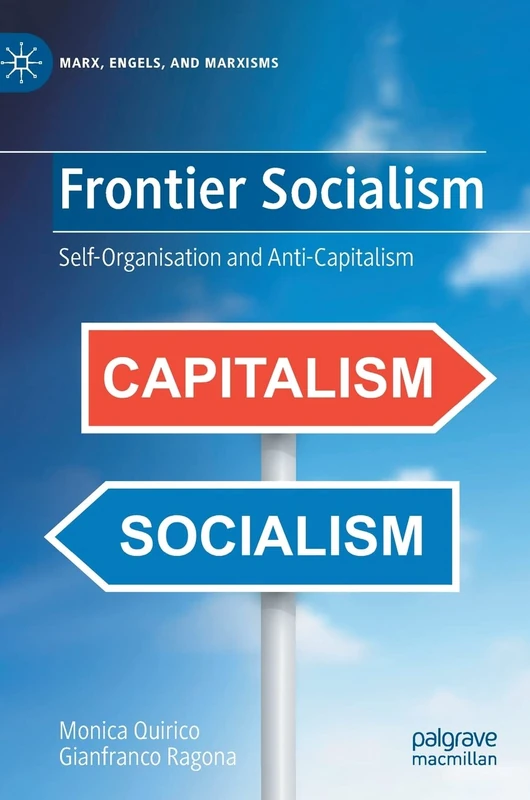
Frontier Socialism: Self-Organisation and Anti-Capitalism (Marx, Engels, and Marxisms)
MACMILLAN
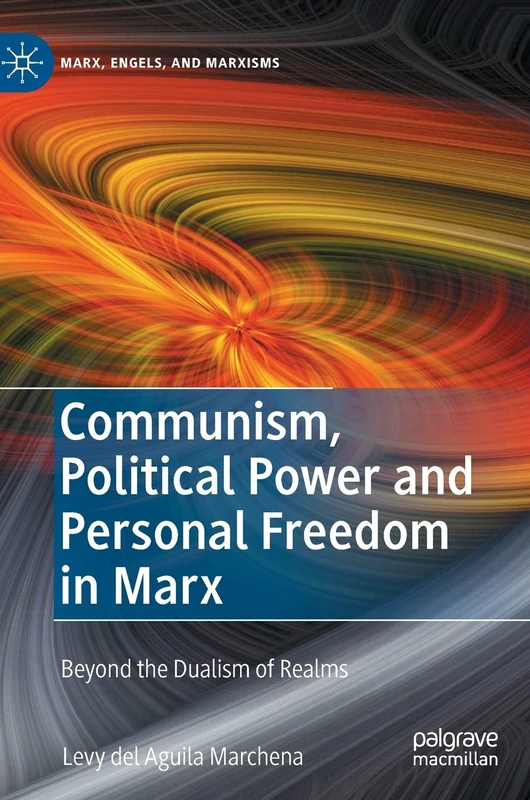
Communism, Political Power and Personal Freedom in Marx: Beyond the Dualism of Realms (Marx, Engels, and Marxisms)
MACMILLAN
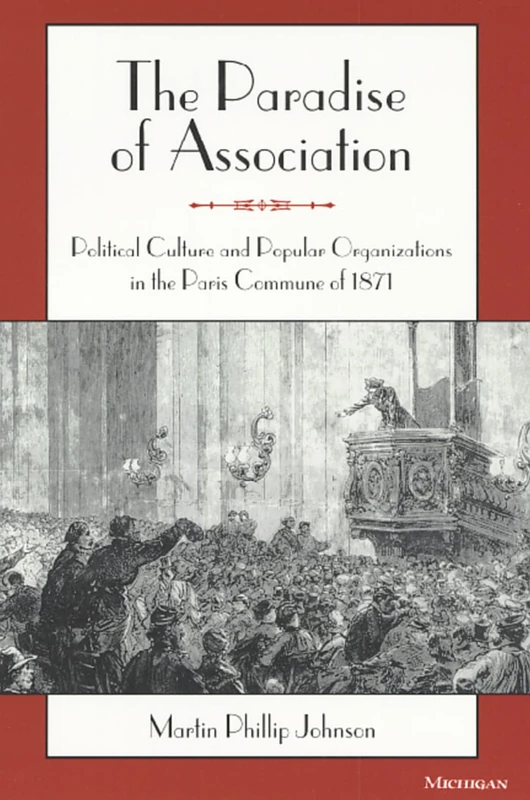
The Paradise of Association: Political Culture and Popular Organizations in the Paris Commune of 1871
University of Michigan Press
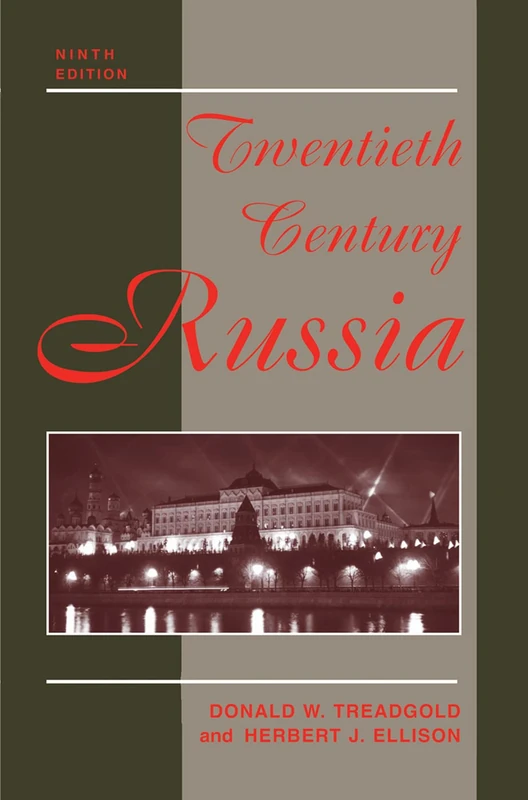
Routledge Twentieth Century Russia: Ninth Edition - History Book
Routledge
Macmillan Dictionary of Labour Biography: Volume 12 - Books
MACMILLAN
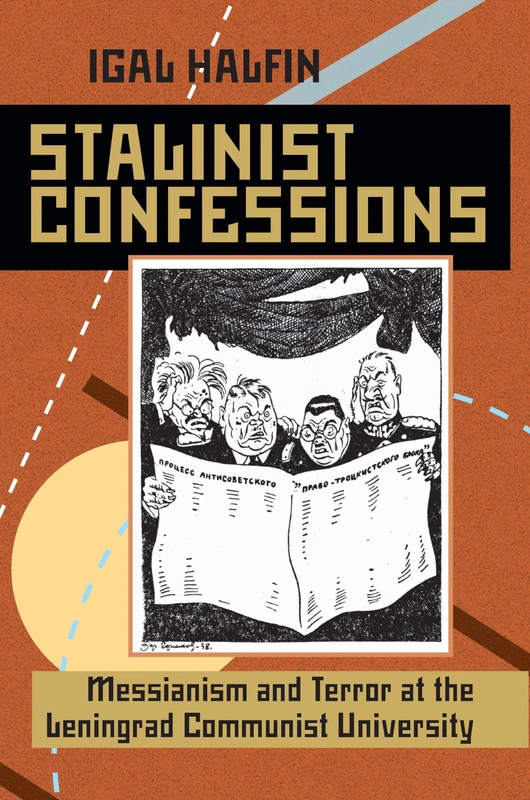
Stalinist Confessions: Messianism and Terror at the Leningrad Communist University: 233 (Russian and East European Studies)
University of Pittsburgh Press

Trotsky, Trotskyism and the Transition to Socialism: 4 (Routledge Library Editions: Political Thought and Political Philosophy)
Routledge
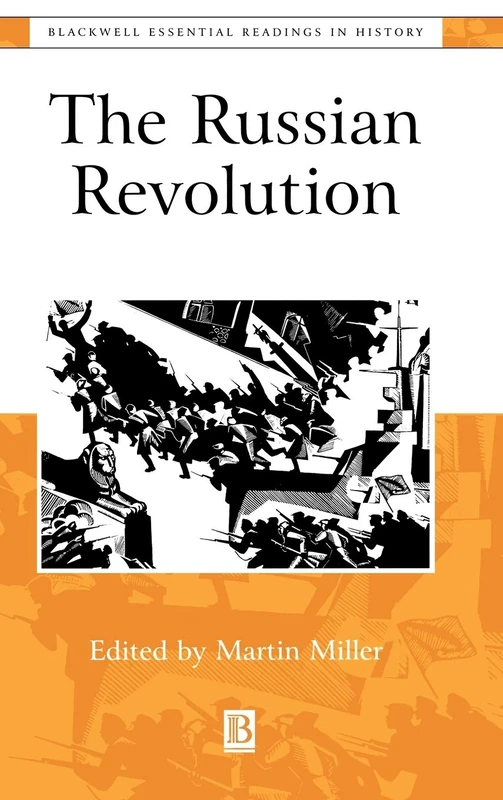
The Russian Revolution: The Essential Readings (Blackwell Essential Readings in History)
Wiley
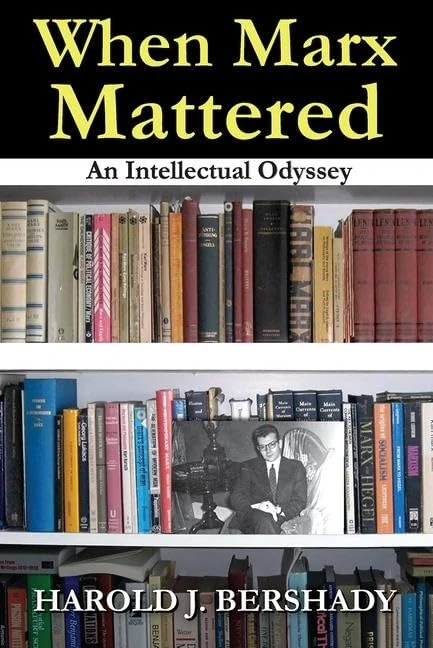
When Marx Mattered: An Intellectual Odyssey
Routledge