We can't find the internet
Attempting to reconnect
Something went wrong
Hang in there while we get back on track

£93.29
It has never been this cheap. We have no record of a lower price.
£93 today · cheaper than every other day in the last 3 months
Rowman & Littlefield Publishers Minority Report: Dissent and Diversity in Science (Collective Studies in Knowledge and Society)
We'll watch every seller, every day. One email when your price arrives.
Price History & Forecast
Grey patches = out of stock. Cheaper = lower on the chart. Hover for exact prices.
Last 86 days · 86 data points (no recent data)
NEW HERE?
Amazon shows you one price. We show you all of them.
Tosheroon watches Amazon prices so you don't have to. Every product on Amazon has a price history — we make it visible. Set the price you'd actually pay, and we'll email you the second it gets there. No app, no account, one email.
WHAT'S ON THIS PAGE
when this has been cheap or pricey
where the price is heading next
all-time high & low, recent range
name your number, we'll email you
Price Distribution
Price distribution over 86 days • 1 price levels
Price Analysis
Most common price: £93 (86 days, 100.0%)
Price range: £93 - £93
Price levels: 1 different prices over 86 days
Description
Product Specifications
- Format
- hardcover
- ASIN
- 1786612372
- Domain
- Amazon UK
- Release Date
- 16 December 2020
- Listed Since
- 09 January 2020
Barcode
No barcode data available
Similar Products You Might Like

Science Communication Online: Engaging Experts and Publics on the Internet
The Ohio State University Press

Understanding Emotions in Post-Factual Politics: Negotiating Truth
Edward Elgar Publishing

Science Culture, Language, and Education in America: Literacy, Conflict, and Successful Outreach
MACMILLAN

Looking at it from Asia: History of Science - Springer Vol. 265
Springer

Science Cultures in a Diverse World: Knowing, Sharing, Caring
Springer
Learning Science in the Schools: Research Reforming Practice
Routledge
Science, Society and Sustainability: Education and Empowerment
Routledge

The Greening of Socialism: Climate Change and Marx in the 21st Century
Bloomsbury
Learning Science in the Schools: Research Reforming Practice
Routledge

Science for 21st Century GCSE Single ScienceFoundation Teachers Guide &Copymasters on CD
PEARSON EDUCATION

Counter-Movements in the Sciences: The Sociology of the Alternatives to Big Science: 3 (Sociology of the Sciences Yearbook, 3)
Springer

On Art and Science: Tango of an Eternally Inseparable Duo (The Frontiers Collection)
Springer

Addressing Special Educational Needs and Disability in the Curriculum: Science: Science (Addressing SEND in the Curriculum)
Routledge

Ask, Explore, Write!: An Inquiry-Driven Approach to Science and Literacy Learning
Routledge

Rethinking Scientific Literacy (Critical Social Thought)
Routledge

ICT and Primary Science
Routledge
Respecting Truth: Willful Ignorance in Internet Age
Routledge
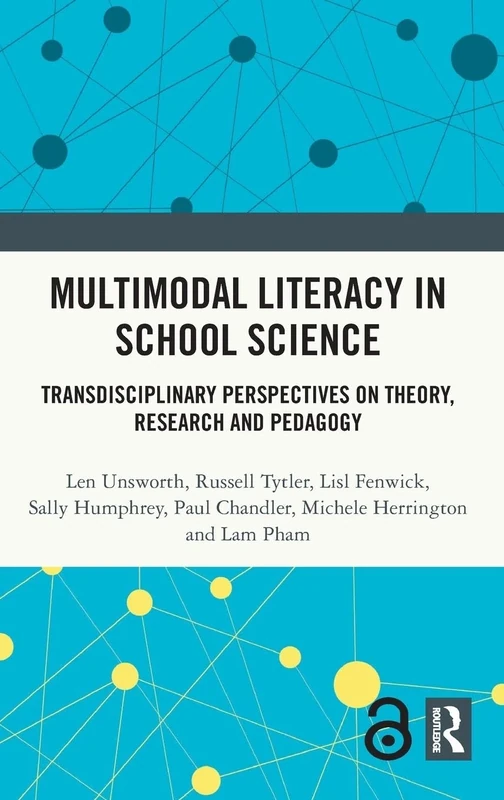
Multimodal Literacy in School Science: Transdisciplinary Perspectives on Theory, Research and Pedagogy
Routledge
How Science Works: Secondary Science Pedagogy & Practice
Routledge

The Evolution of Scientific Knowledge (New Horizons in Institutional and Evolutionary Economics series)
Edward Elgar Publishing
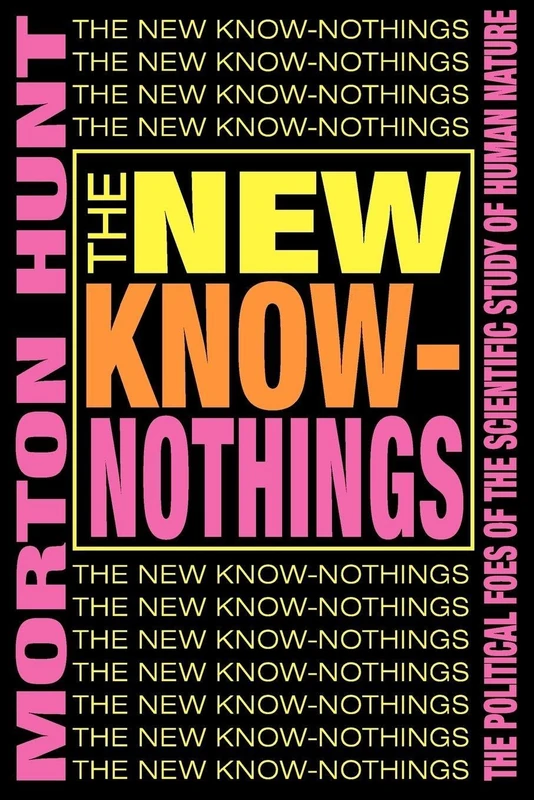
The New Know-nothings: The Political Foes of the Scientific Study of Human Nature
Routledge
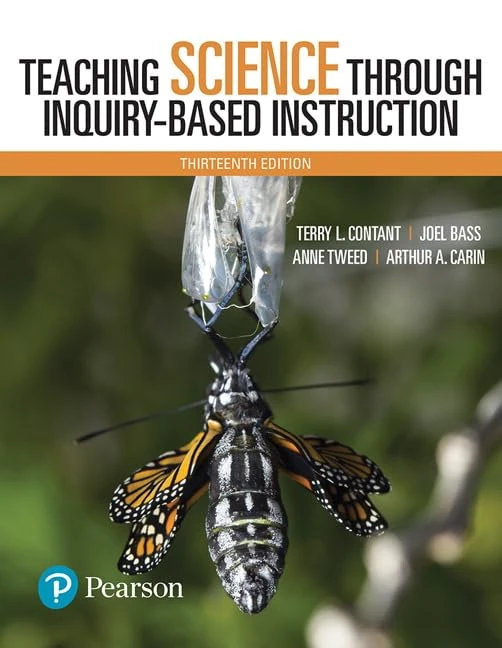
Pearson Teaching Science Through Inquiry-Based Instruction Book
PEARSON EDUCATION

Scientific Inquiry and Nature of Science: Implications for Teaching,Learning, and Teacher Education: 25 (Contemporary Trends and Issues in Science Education, 25)
Springer

Teaching, Learning and Assessing Science 5-12, Fourth Edition
Sage Publishing