We can't find the internet
Attempting to reconnect
Something went wrong
Hang in there while we get back on track
£100.12
This is the most expensive it has ever been. Walk away.
£100 today · previous high £100 · all-time low £88
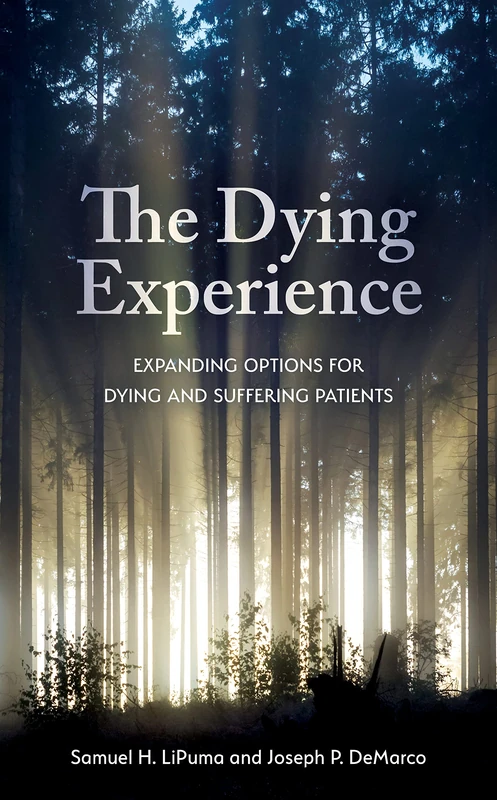
Rowman & Littlefield Publishers The Dying Experience: Expanding Options for Dying and Suffering Patients
Price data last checked 44 day(s) ago - refreshing...
We'll watch every seller, every day. One email when your price arrives.
Price History & Forecast
Grey patches = out of stock. Cheaper = lower on the chart. Hover for exact prices.
Last 47 days · 47 data points (no recent data)
Price data last checked 44 day(s) ago - refreshing...
NEW HERE?
Amazon shows you one price. We show you all of them.
Tosheroon watches Amazon prices so you don't have to. Every product on Amazon has a price history — we make it visible. Set the price you'd actually pay, and we'll email you the second it gets there. No app, no account, one email.
WHAT'S ON THIS PAGE
when this has been cheap or pricey
where the price is heading next
all-time high & low, recent range
name your number, we'll email you
Price Distribution
Price distribution over 47 days • 2 price levels
Price Analysis
Most common price: £100 (36 days, 76.6%)
Price range: £88 - £100
Price levels: 2 different prices over 47 days
Description
Product Specifications
- Format
- hardcover
- ASIN
- 178660857X
- Domain
- Amazon UK
- Release Date
- 15 May 2019
- Listed Since
- 23 October 2018
Barcode
No barcode data available
Similar Products You Might Like
Euthanasia and the Ethics of a Doctor’s Decisions: An Argument Against Assisted Dying
Bloomsbury

At Liberty to Die: The Battle for Death with Dignity in America
NYU Press

The Oxford Handbook of Ethics at the End of Life
Oxford University Press

Springer - The Right to Die with Dignity - Human Rights Law
Springer

The Right to Die with Dignity: How Far Do Human Rights Extend?: 6 (European Union and its Neighbours in a Globalized World, 6)
Springer

End of Life Choices for Cancer Patients: An International Perspective

The Patients' Wish to Die: Research, Ethics, And Palliative Care
Oxford University Press

Regulating the End of Life: Death Rights
Routledge
Assisted Dying: Reflections on the Need for Law Reform (Biomedical Law and Ethics Library)
Routledge

A Concise History of Euthanasia: Life, Death, God, and Medicine (Critical Issues in World and International History)
Rowman & Littlefield Publishers

Law, Ethics and Compromise at the Limits of Life: To Treat or not to Treat? (Biomedical Law and Ethics Library)
Routledge
Living with Dying – A Handbook for End–of–Life Healthcare Practitioners (End-of-Life Care: A Series)
Columbia University Press
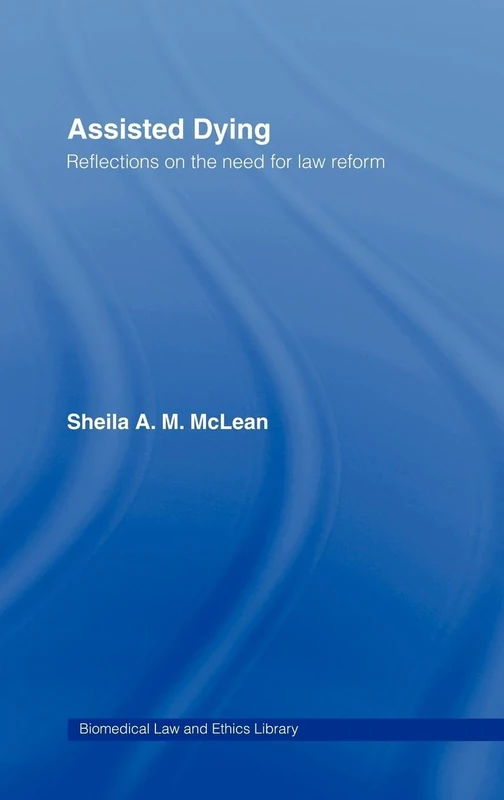
Assisted Dying: Reflections on the Need for Law Reform (Biomedical Law and Ethics Library)
Routledge

A Death of One's Own: Literature, Law, and the Right to Die
Northwestern

Facing Death: Images, Insights, and Interventions: A Handbook For Educators, Healthcare Professionals, And Counselors (Series in Death, Dying, and Bereavement)
Taylor & Francis

Regulating the End of Life: Death Rights
Routledge

Dying with Dignity: A Legal Approach to Assisted Death (Global Crime and Justice)
Bloomsbury
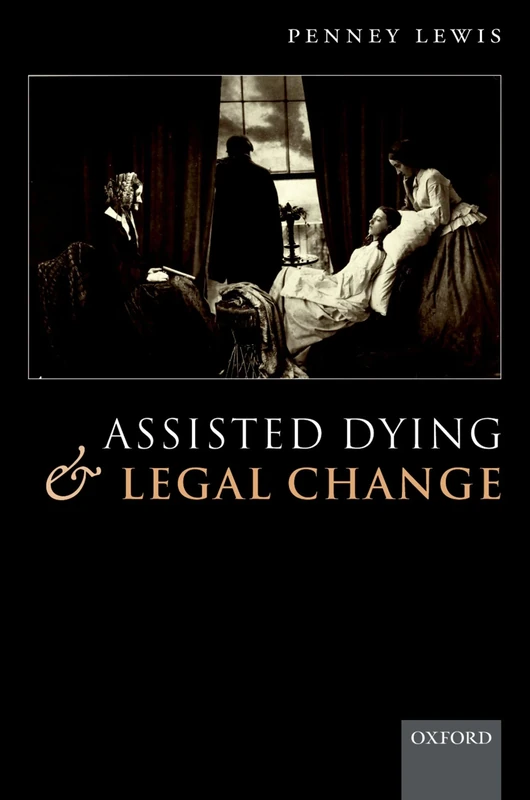
Assisted Dying and Legal Change
Oxford University Press

Death and Dying in India: Ageing and end-of-life care of the elderly (Routledge Contemporary South Asia Series)
Routledge
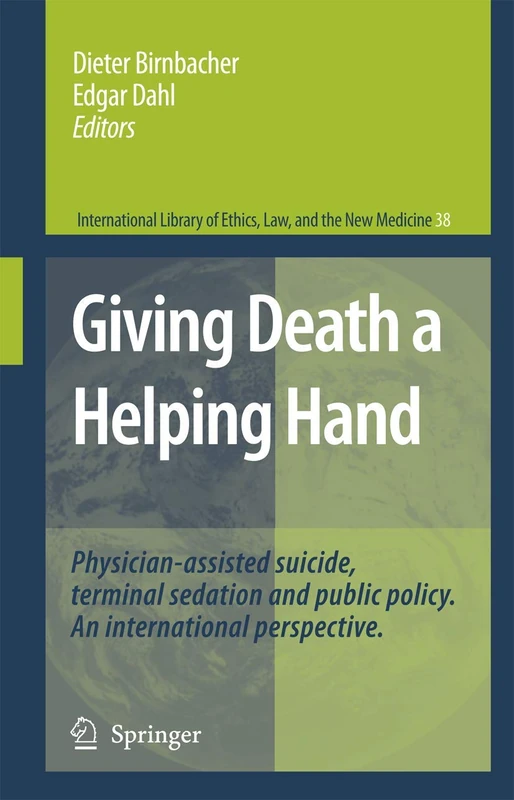
Giving Death a Helping Hand: Physician-Assisted Suicide and Public Policy. An International Perspective: 38 (International Library of Ethics, Law, and the New Medicine, 38)
Springer

International Perspectives on End-of-Life Law Reform: Politics, Persuasion and Persistence (Cambridge Bioethics and Law)
Cambridge University Press
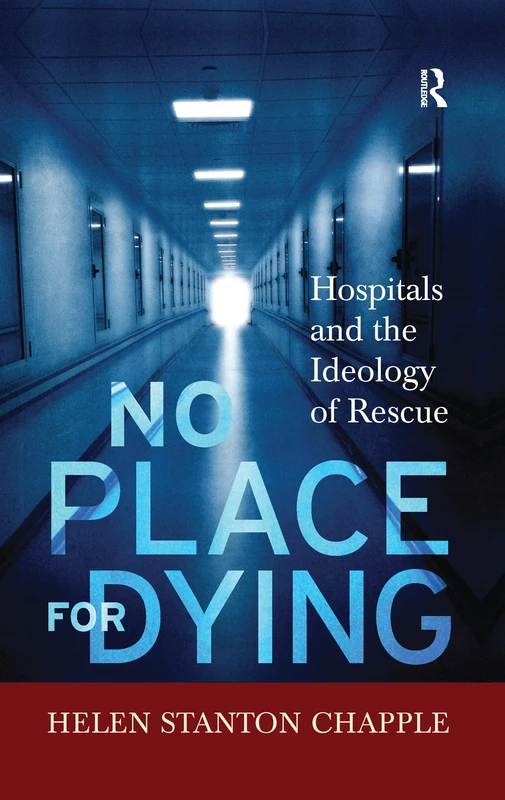
No Place For Dying: Hospitals and the Ideology of Rescue
Routledge

Communication and Bioethics at the End of Life: Real Cases, Real Dilemmas
Springer

Oxford University Press - Palliative Care Ethics Book
Oxford University Press