We can't find the internet
Attempting to reconnect
Something went wrong
Hang in there while we get back on track
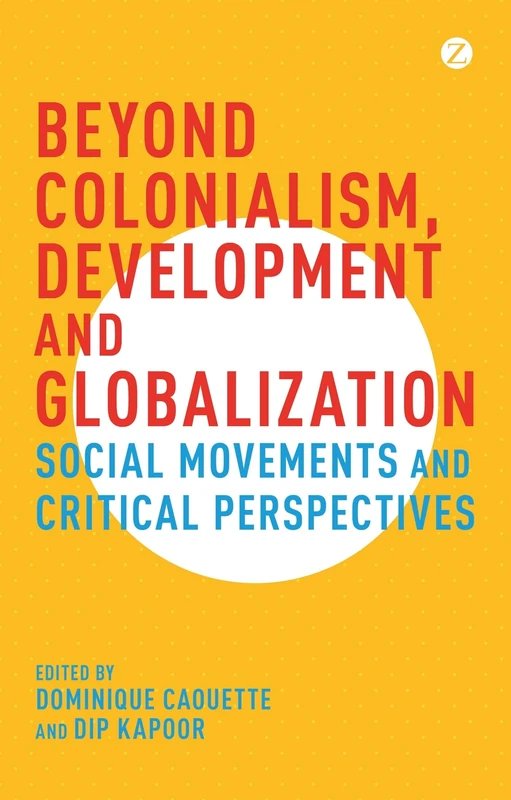
£70.00
It has never been this cheap. We have no record of a lower price.
£70 today · cheaper than every other day in the last 3 months
Zed Books Beyond Colonialism, Development and Globalization: Social Movements and Critical Perspectives
We'll watch every seller, every day. One email when your price arrives.
Price History & Forecast
Grey patches = out of stock. Cheaper = lower on the chart. Hover for exact prices.
Last 47 days · 47 data points (no recent data)
NEW HERE?
Amazon shows you one price. We show you all of them.
Tosheroon watches Amazon prices so you don't have to. Every product on Amazon has a price history — we make it visible. Set the price you'd actually pay, and we'll email you the second it gets there. No app, no account, one email.
WHAT'S ON THIS PAGE
when this has been cheap or pricey
where the price is heading next
all-time high & low, recent range
name your number, we'll email you
Price Distribution
Price distribution over 47 days • 1 price levels
Price Analysis
Most common price: £70 (47 days, 100.0%)
Price range: £70 - £70
Price levels: 1 different prices over 47 days
Description
Product Specifications
- Brand
- Zed Books
- Format
- hardcover
- ASIN
- 1783605855
- Domain
- Amazon UK
- Release Date
- 15 December 2015
- Listed Since
- 14 March 2015
Barcode
No barcode data available
Similar Products You Might Like
Inclusive Growth, Development and Welfare Policy - Critical Assessment
Routledge
Springer Financial Crises, Poverty and SDGs Book
Springer
Routledge Global Social Economy Development Work and Policy
Routledge

Springer - Coronavirus Crisis and Social Development Book
Springer

Perilous Passage: Mankind and the Global Ascendancy of Capital (World Social Change)
Rowman & Littlefield Publishers

Human Rights and Standard of Living in Sub-Saharan Africa: Challenges and Prospects (Routledge Studies in Law, Rights and Justice)
Routledge

The Poverty of Communism - Routledge Economics Book
Routledge

The Political Economy of Nation Building: The World's Unfinished Business
Routledge
Development in Nigeria: Promise on Hold? - Routledge Studies
Routledge

Reform and Growth: Evaluating the World Bank Experience
Routledge
Economic Growth and Income Inequality in China, India, Singapore
Routledge

Economic Development, Inequality and War: Humanitarian Emergencies in Developing Countries
MACMILLAN
Family Health Social Work Practice: A Macro Level Approach
Bloomsbury
National Innovation Systems, Social Inclusion and Development: The Latin American Experience
Edward Elgar Publishing
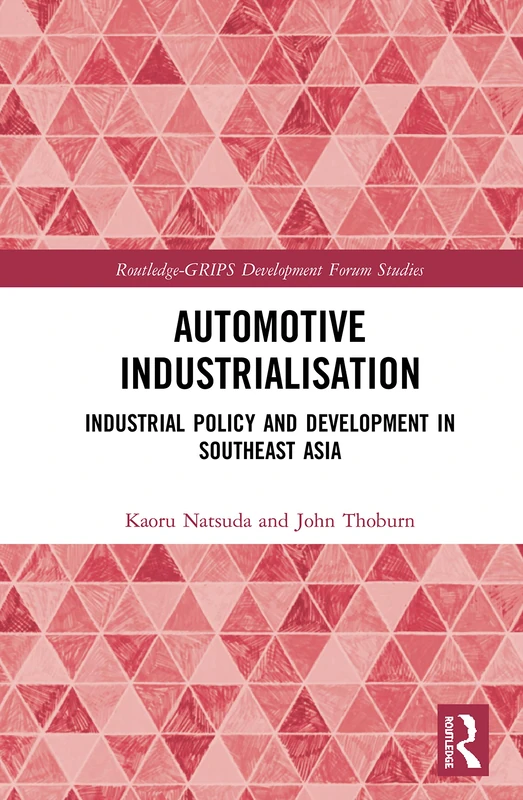
Automotive Industrialisation: Industrial Policy in Southeast Asia
Routledge

Social Policy and Change in East Asia
Lexington Books

Cities After Socialism: Urban and Regional Change and Conflict in Post-Socialist Societies: 17 (IJURR Studies in Urban and Social Change Book Series)
Wiley

Social Life and Moral Judgment
Routledge
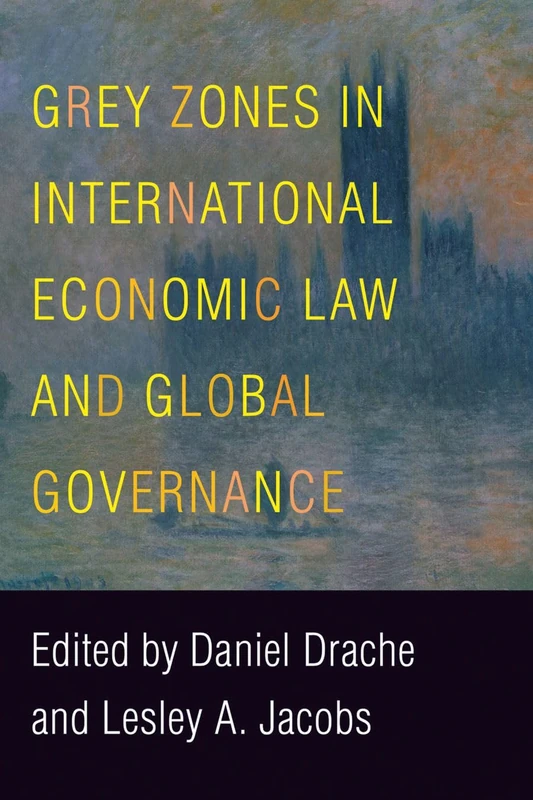
Grey Zones in International Economic Law and Global Governance (Asia Pacific Legal Culture and Globalization)
UBC Press

International Development: Ideas, Experience, and Prospects
Oxford University Press
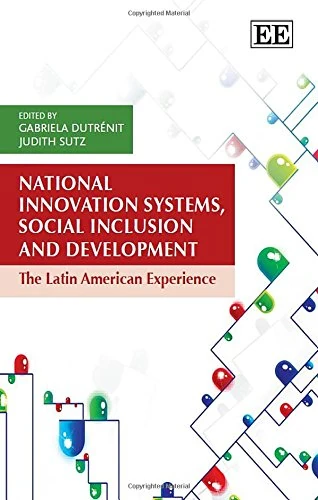
National Innovation Systems, Social Inclusion and Development: The Latin American Experience
Edward Elgar Publishing

What is Social Theory?: The Philosophical Debates (Blackwell Companions to Social Theory)
Wiley