We can't find the internet
Attempting to reconnect
Something went wrong
Hang in there while we get back on track
£66.40
It has never been this cheap. We have no record of a lower price.
£66 today · cheaper than every other day in the last 3 months
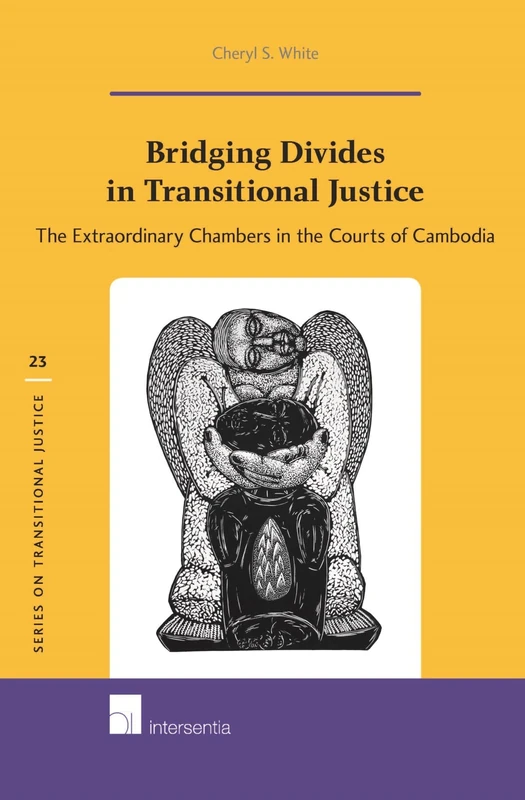
Intersentia Bridging Divides in Transitional Justice: The Extraordinary Chambers in the Courts of Cambodia (Series on Transnational Justice): 23
We'll watch every seller, every day. One email when your price arrives.
Price History & Forecast
Grey patches = out of stock. Cheaper = lower on the chart. Hover for exact prices.
Last 61 days · 61 data points (no recent data)
NEW HERE?
Amazon shows you one price. We show you all of them.
Tosheroon watches Amazon prices so you don't have to. Every product on Amazon has a price history — we make it visible. Set the price you'd actually pay, and we'll email you the second it gets there. No app, no account, one email.
WHAT'S ON THIS PAGE
when this has been cheap or pricey
where the price is heading next
all-time high & low, recent range
name your number, we'll email you
Price Distribution
Price distribution over 61 days • 2 price levels
Price Analysis
Most common price: £66 (31 days, 50.8%)
Price range: £66 - £67
Price levels: 2 different prices over 61 days
Description
Product Specifications
- Brand
- Intersentia
- Format
- hardcover
- ASIN
- 1780684401
- Domain
- Amazon UK
- Release Date
- 23 December 2016
- Listed Since
- 03 September 2016
Barcode
No barcode data available
Similar Products You Might Like
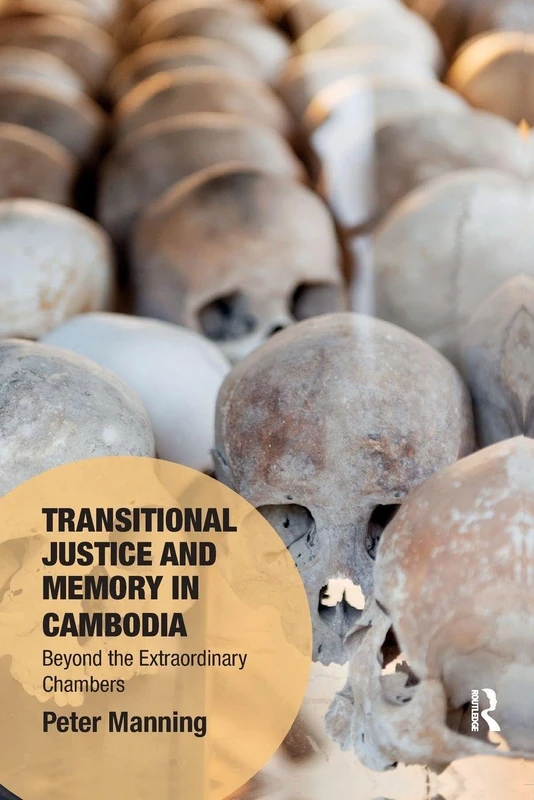
Transitional Justice and Memory in Cambodia: Beyond the Extraordinary Chambers (Memory Studies: Global Constellations)
Routledge
Chinese Cinema during the Era of Reform: The Ingenuity of the System
Praeger
Transitional Justice and Memory in Cambodia: Beyond the Extraordinary Chambers (Memory Studies: Global Constellations)
Routledge
Rethinking Human Rights and Peace in Post-Independence Timor-Leste Through Local Perspectives (Palgrave Macmillan Studies on Human Rights in Asia)
MACMILLAN
The Governance of Complementary Global Regimes and the Pursuit of Human Security: The Interaction between the United Nations and the International Criminal Court: 21 (Supranational Criminal Law)
Intersentia
America's Second Civil War: Dispatches from the Political Center
Routledge

Water Sheikhs and Dam Builders: Stories of People and Water in the Middle East
Routledge
The International Legal Responsibility of the European Union in the Context of the World Trade Organization in Areas of Non-Conferred Competences
Springer
Consular Law and Practice (Oxford Monographs in International Law)
Oxford University Press
Dimensions of Constitutional Democracy: India and Germany
Springer
Information and Communication Technologies of Ecuador (TIC.EC)
Springer
The Far East and Australasia 2015
Routledge
Communicating Science in Times of Crisis: COVID-19 Pandemic
Wiley
Article 81 EC and Public Policy
Bloomsbury
Business, Human Rights and Transitional Justice
Routledge
Rethinking Masculinities: Ideology, Identity and Change in the People’s War in Nepal and its Aftermath (Men and Masculinities in a Transnational World)
Rowman & Littlefield Publishers

Judicial Responses to Pre-Trial Procedural Violations in International Criminal Proceedings: 16 (International Criminal Justice Series, 16)
T.M.C. Asser Press
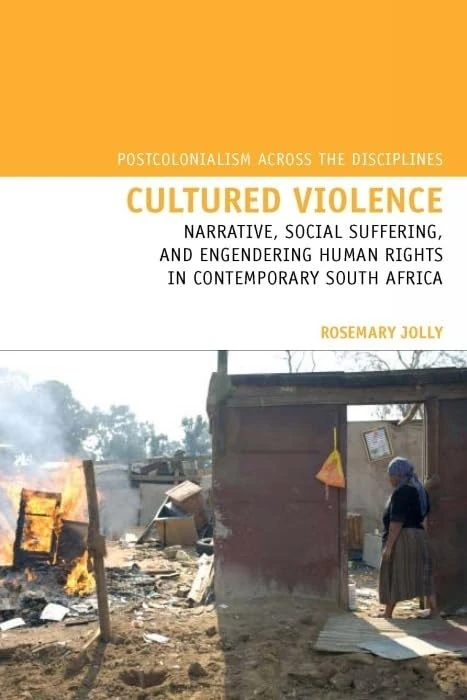
Cultured Violence: Narrative, Social Suffering, and Engendering Human Rights in Contemporary South Africa (Postcolonialism Across the Disciplines): 7
Liverpool University Press

EU Human Rights, International Investment Law and Participation: Operationalizing the EU Foreign Policy Objective to Global Human Rights Protection: 4 (Interdisciplinary Studies in Human Rights, 4)
Springer
Ethno-Techno: Writings on Performance, Activism and Pedagogy
Routledge
Culture and International Relations
Bloomsbury

Recent Advances in Computer Science and Information Engineering: Volume 1: 124 (Lecture Notes in Electrical Engineering, 124)
Springer
The Chinese Communist Party as Organizational Emperor: Culture, reproduction, and transformation: 12 (China Policy Series)
Routledge
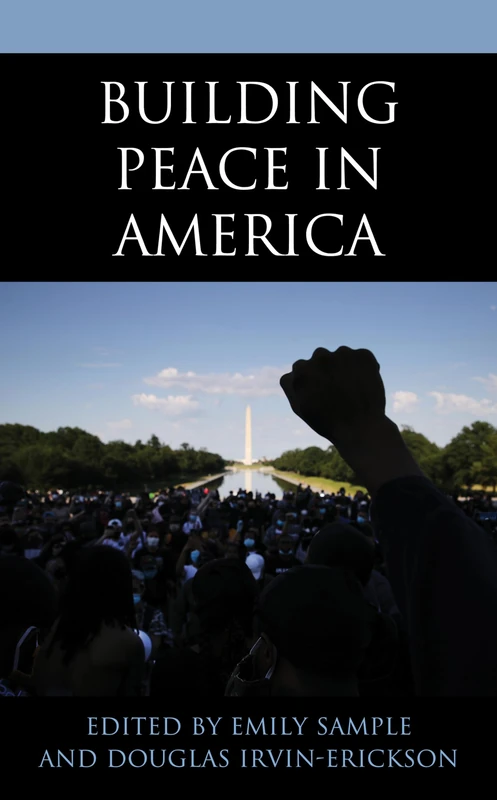
Building Peace in America (Peace and Security in the 21st Century)
Rowman & Littlefield Publishers