We can't find the internet
Attempting to reconnect
Something went wrong
Hang in there while we get back on track
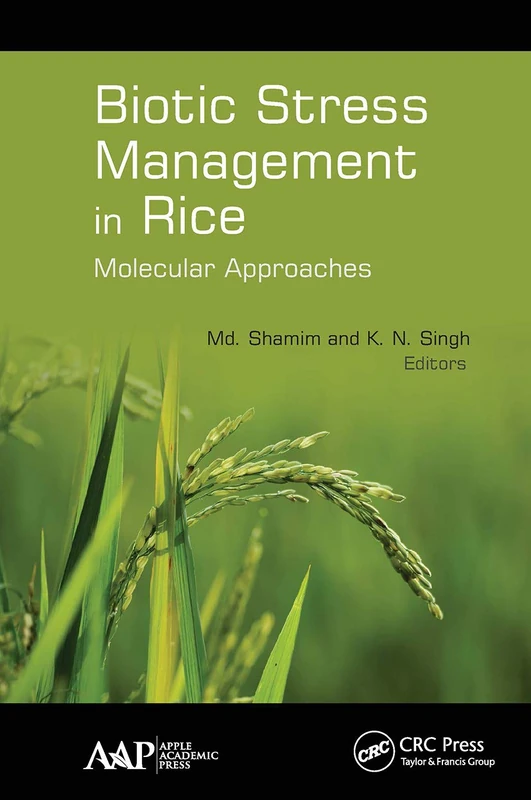
£82.99
This is the most expensive it has ever been. Walk away.
£83 today · previous high £83 · all-time low £83
CRC Press Biotic Stress Management in Rice: Molecular Approaches
We'll watch every seller, every day. One email when your price arrives.
Price History & Forecast
Grey patches = out of stock. Cheaper = lower on the chart. Hover for exact prices.
Last 11 days · 11 data points (no recent data)
NEW HERE?
Amazon shows you one price. We show you all of them.
Tosheroon watches Amazon prices so you don't have to. Every product on Amazon has a price history — we make it visible. Set the price you'd actually pay, and we'll email you the second it gets there. No app, no account, one email.
WHAT'S ON THIS PAGE
when this has been cheap or pricey
where the price is heading next
all-time high & low, recent range
name your number, we'll email you
Price Distribution
Price distribution over 11 days • 1 price levels
Price Analysis
Most common price: £83 (11 days, 100.0%)
Price range: £83 - £83
Price levels: 1 different prices over 11 days
Description
Product Specifications
- Brand
- CRC Press
- Format
- paperback
- ASIN
- 1774636751
- Domain
- Amazon UK
- Release Date
- 31 March 2021
- Listed Since
- 09 February 2021
Barcode
No barcode data available
Similar Products You Might Like
Improving Cereal Productivity through Climate Smart Practices
Elsevier

Sustainable Environmental Clean-up: Green Remediation
Elsevier
Plant Biotechnology, Volume 1: Principles, Techniques, and Applications
CRC Press
Plant Biotechnology, Volume 2: Transgenics, Stress Management, and Biosafety Issues
CRC Press

Microbiology for Sustainable Agriculture, Soil Health, and Environmental Protection
CRC Press
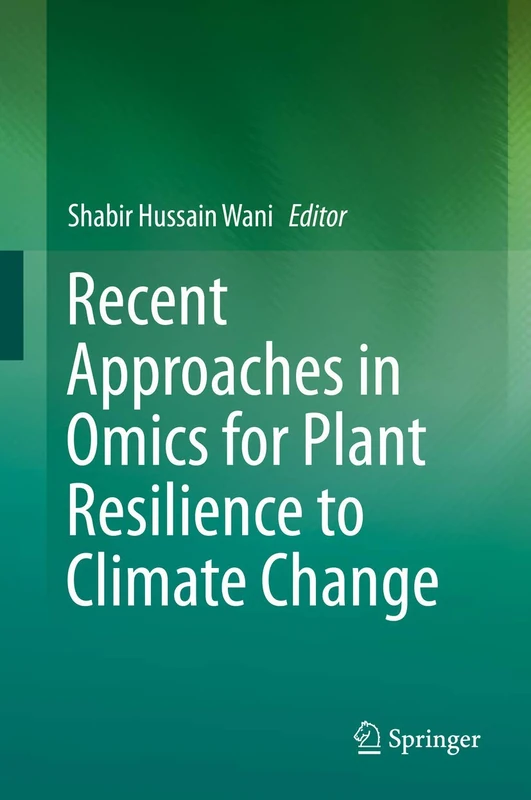
Recent Approaches in Omics for Plant Resilience to Climate Change
Springer
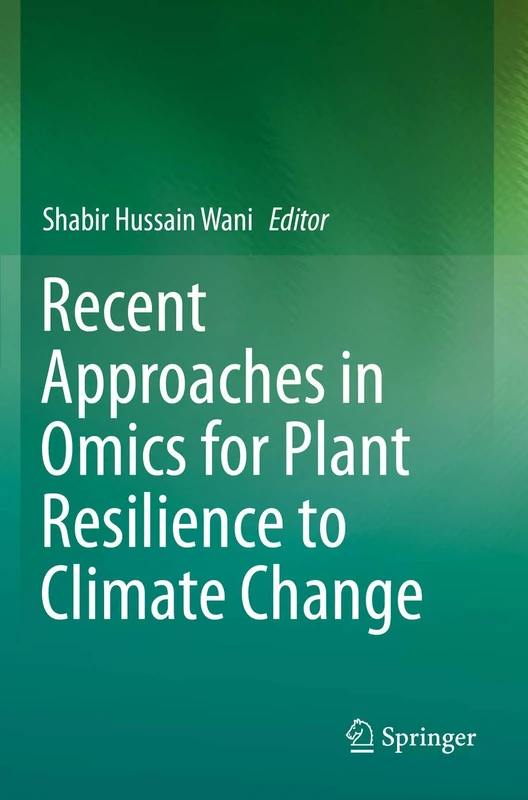
Recent Approaches in Omics for Plant Resilience to Climate Change
Springer

Microbiome Under Changing Climate: Implications and Solutions
Elsevier
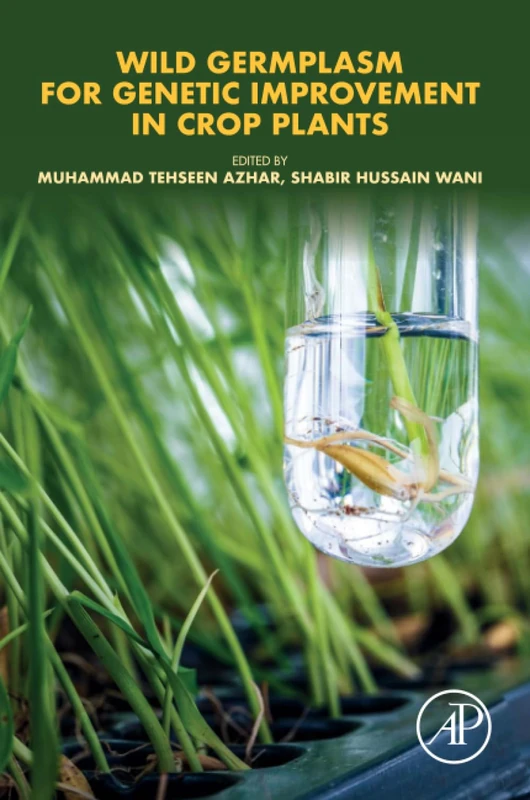
Wild Germplasm for Genetic Improvement in Crop Plants
Elsevier
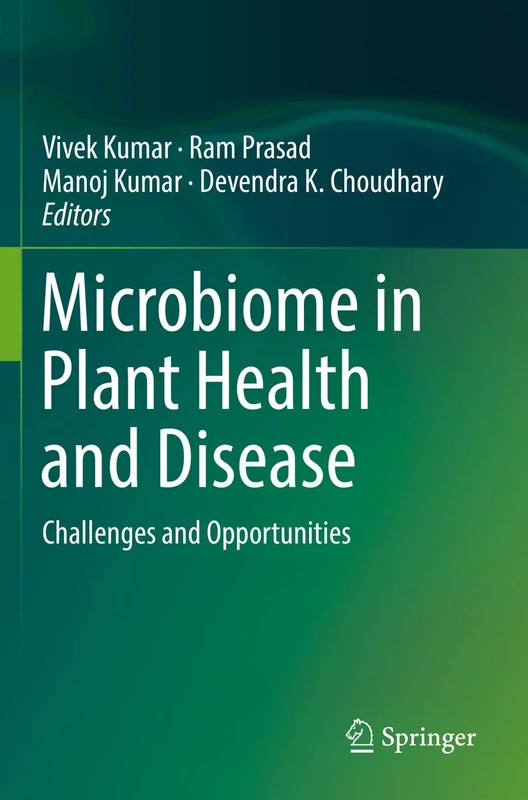
Microbiome in Plant Health and Disease - Springer Book
Springer
Biological Systems, Biodiversity, and Stability of Plant Communities
CRC Press
Microbe Mediated Remediation of Environmental Contaminants (Woodhead Publishing Series in Food Science, Technology and Nutrition)
Elsevier
Trichoderma: Agricultural Applications and Beyond: 61 (Soil Biology, 61)
Springer

Recent Advances in the Diagnosis and Management of Plant Diseases
Springer
QTL Mapping in Crop Improvement: Present Progress and Future Perspectives
Elsevier
Forage Crops of the World, Volume II: Minor Forage Crops: 2
CRC Press
Trichoderma Biotechnology Applications - Elsevier Book
Elsevier

Science and Technology of Aroma, Flavor, and Fragrance in Rice
CRC Press