£45.93

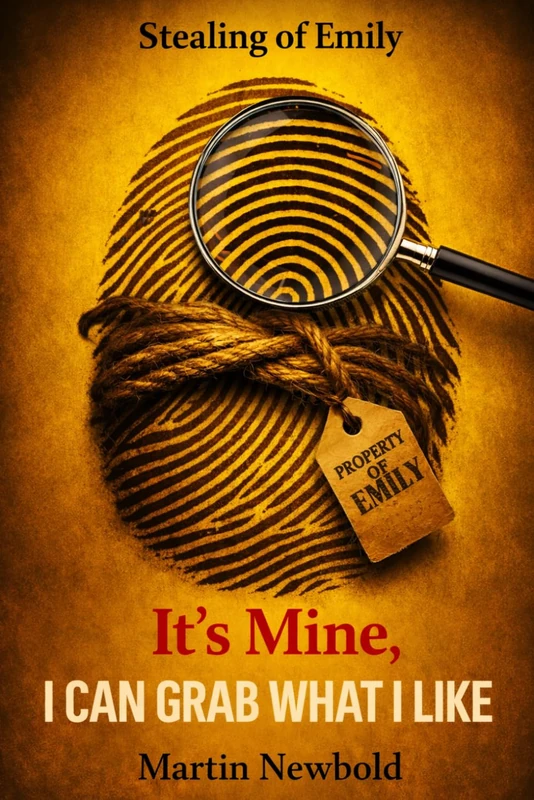
The Stealing of Emily - IT’S MINE I Can Grab What I Like

Price data last checked 19 day(s) ago - will refresh soon

View at Amazon

We'll watch every seller, every day. One email when your price arrives.

This is the most expensive it has ever been. Walk away.

£46 today · previous high £46 · all-time low £40

NEW HERE?

Amazon shows you one price. We show you all of them.

Tosheroon watches Amazon prices so you don't have to. Every product on Amazon has a price history — we make it visible. Set the price you'd actually pay, and we'll email you the second it gets there. No app, no account, one email.

WHAT'S ON THIS PAGE

↓ Price chart
when this has been cheap or pricey
↓ Forecast
where the price is heading next
↓ Statistics
all-time high & low, recent range
↑ Price alert
name your number, we'll email you

Price History & Forecast

Grey patches = out of stock. Cheaper = lower on the chart. Hover for exact prices.

Last 36 days · 36 data points (no recent data)

Historical
Generating forecast…
£45.93 £39.25 £40.71 £42.17 £43.62 £45.08 £46.54 13 August 2026 21 August 2026 30 August 2026 08 September 2026 17 September 2026

Price Distribution

Price distribution over 36 days • 2 price levels

Days at Price
Current Price
3 days 33 days · current 0 8 17 25 33 £40 £46 Days at Price

Price Analysis

Most common price: £46 (33 days, 91.7%)

Price range: £40 - £46

Price levels: 2 different prices over 36 days

Description

It’s Mine. I Can Grab What I Like — Martin Newbold It’s Mine. I Can Grab What I Like is not a conventional exposé, nor is it a memoir in the ordinary sense. It is a forensic, deeply unsettling examination of how modern institutions can fail catastrophically without ever appearing to do so. The book does not rely on sensational revelations or hidden-camera moments. Instead, it exposes something far more troubling: the quiet, bureaucratic mechanics by which responsibility evaporates, accountability is deferred indefinitely, and real people—especially children—are reduced to data points that can be moved, erased, or “resolved” without consequence. At its core, the book is about disappearance. Not disappearance in the dramatic, cinematic sense, but a more insidious form: administrative disappearance. Newbold argues that in the contemporary state, people no longer need to be physically removed to be lost. They can be deleted procedurally. A record changes. A status updates. A file is “exited.” A dashboard remains green. And the person at the centre of it all ceases to exist in any system that carries responsibility. What makes this book compelling is not only its subject matter, but the way it is constructed. Newbold does not write as a distant commentator. He writes as someone who has spent years inside the machinery he is describing—writing letters, filing requests, chasing replies, analysing responses, comparing documents, and noticing patterns that most people never see because they are never meant to look across systems. The book reads like an accumulation of pressure. Each chapter adds another layer: another system, another process, another polite response that leads nowhere. Individually, each interaction might look mundane. Taken together, they form a picture that is both chilling and coherent. The early chapters focus on the mechanics of record-keeping and decision-making in education and safeguarding. Newbold introduces the idea of “ghost schools”—entities that exist administratively but have no meaningful physical presence or capacity. These are not necessarily illegal creations; they arise from licensing and registration loopholes, digital convenience, and outsourced systems that prioritise compliance over reality. Children can be enrolled on paper into places they cannot attend in practice. Attendance then becomes impossible, and impossibility is treated as failure. Automated rules trigger exits. Responsibility moves elsewhere. The child has not “gone missing” in the traditional sense; they have been processed out of sight. From there, the book widens its scope. Newbold examines how similar logic appears across multiple domains: policing, complaints handling, archival systems, and government oversight. A recurring theme is the difference between recording and acting. Information is logged. Intelligence is entered. Concerns are “noted.” But action does not follow. Systems such as police tracking databases or safeguarding registers create the impression of diligence while simultaneously insulating institutions from obligation. The presence of a record becomes a substitute for response. .

Product Specifications

Format
paperback
Domain
Amazon UK
Release Date
07 August 2026
Listed Since
12 August 2026

Barcode

No barcode data available

Similar Products You Might Like
States of Surveillance: Ethnographies of New Technologies in Policing and Justice (Routledge Studies in Surveillance)
75% match

States of Surveillance: Ethnographies of New Technologies in Policing and Justice (Routledge Studies in Surveillance)

Routledge
£42.99 29 Jul 2026
Accountability of Policing (Routledge Frontiers of Criminal Justice)
75% match

Accountability of Policing (Routledge Frontiers of Criminal Justice)

Routledge
£45.99 05 Aug 2026
Archival Silences: Missing, Lost and, Uncreated Archives
75% match

Archival Silences: Missing, Lost and, Uncreated Archives

Routledge
£40.97 07 Aug 2026
Educating the Neoliberal Whole Child: A Genealogical Approach (Routledge Research in Education Policy and Politics)
75% match

Educating the Neoliberal Whole Child: A Genealogical Approach (Routledge Research in Education Policy and Politics)

Routledge

£38.99 29 Aug 2026
How AI-Driven Surveillance is Changing our World: Do Robots Have the Right to Remain Silent? (Security Informatics and Law Enforcement)
74% match

How AI-Driven Surveillance is Changing our World: Do Robots Have the Right to Remain Silent? (Security Informatics and Law Enforcement)

Springer
£49.99 13 Aug 2026
The Criminalisation and Exploitation of Children in Care: Multi-Agency Perspectives (Routledge Studies in Crime and Society)
74% match

The Criminalisation and Exploitation of Children in Care: Multi-Agency Perspectives (Routledge Studies in Crime and Society)

Routledge
£38.99 30 Aug 2026
Questions of Accountability: Prerogatives, Power and Politics
74% match

Questions of Accountability: Prerogatives, Power and Politics

Bloomsbury
£41.42 12 Aug 2026
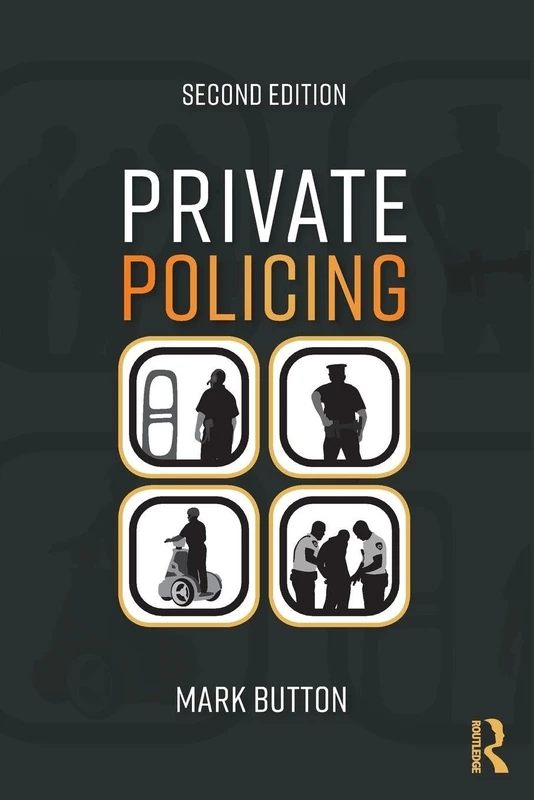
Private Policing
74% match

Private Policing

Routledge

£41.99 08 Aug 2026
The Ethics of Surveillance: An Introduction
74% match

The Ethics of Surveillance: An Introduction

Routledge

£41.99 07 Aug 2026
Manufacturing the Mathematical Child: A Deconstruction of Dominant Spaces of Production and Governance (Routledge Research in Education)
74% match

Manufacturing the Mathematical Child: A Deconstruction of Dominant Spaces of Production and Governance (Routledge Research in Education)

Routledge
£41.99 18 Sep 2026
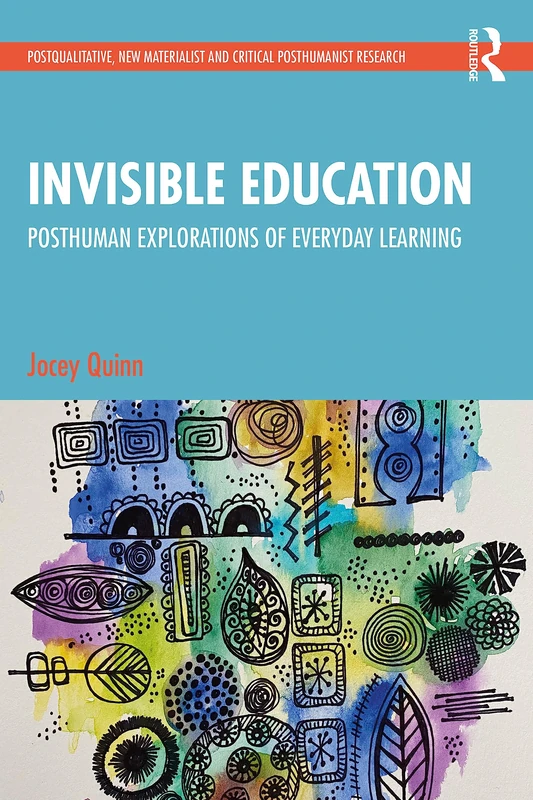
Invisible Education: Posthuman Explorations of Everyday Learning (Postqualitative, New Materialist and Critical Posthumanist Research)
74% match

Invisible Education: Posthuman Explorations of Everyday Learning (Postqualitative, New Materialist and Critical Posthumanist Research)

Routledge
£38.99 30 Aug 2026
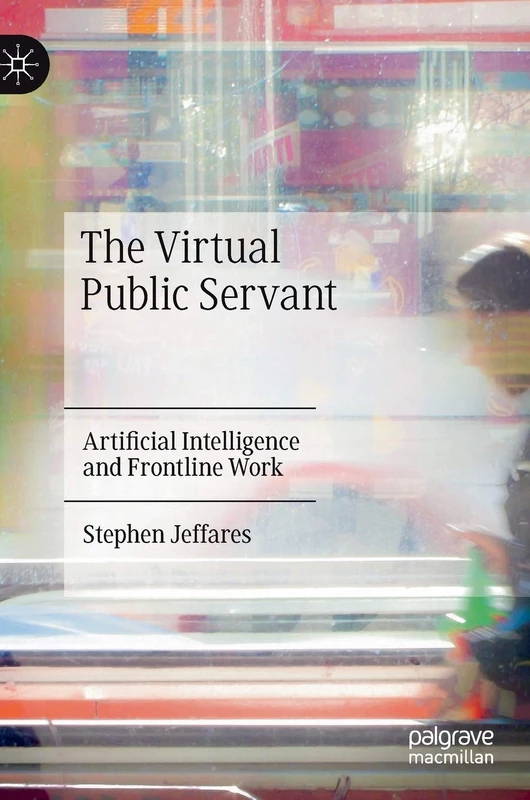
The Virtual Public Servant: Artificial Intelligence and Frontline Work
74% match

The Virtual Public Servant: Artificial Intelligence and Frontline Work

MACMILLAN
£99.99 14 Sep 2026
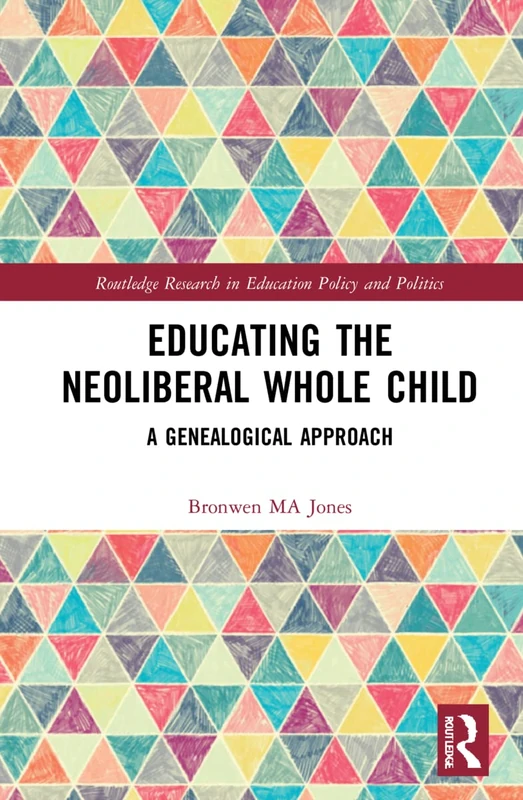
Educating the Neoliberal Whole Child: A Genealogical Approach (Routledge Research in Education Policy and Politics)
73% match

Educating the Neoliberal Whole Child: A Genealogical Approach (Routledge Research in Education Policy and Politics)

Routledge
£151.26 30 Aug 2026
Recovering Police Legitimacy: A Radical Framework
73% match

Recovering Police Legitimacy: A Radical Framework

Routledge
£38.99 05 Aug 2026
Schools Under Surveillance: Cultures of Control in Public Education (Critical Issues in Crime and Society)
73% match

Schools Under Surveillance: Cultures of Control in Public Education (Critical Issues in Crime and Society)

Rutgers University Press
£74.80 03 Aug 2026
Mundane Governance: Ontology and Accountability
73% match

Mundane Governance: Ontology and Accountability

Oxford University Press
£40.84 30 Aug 2026
Posthumanist Research and Writing as Agentic Acts of Inclusion: Knowledge Forced Open (Postqualitative, New Materialist and Critical Posthumanist Research)
73% match

Posthumanist Research and Writing as Agentic Acts of Inclusion: Knowledge Forced Open (Postqualitative, New Materialist and Critical Posthumanist Research)

Routledge
£41.99 03 Aug 2026
Governing Security: Explorations of Policing and Justice
73% match

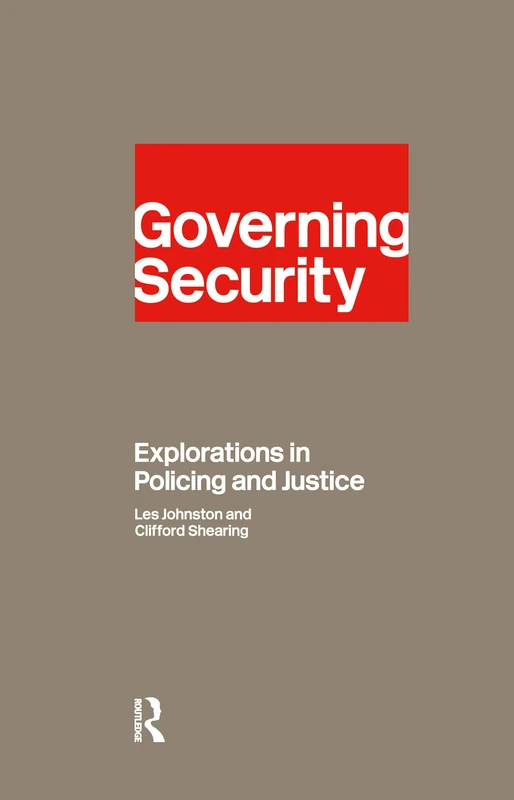
Governing Security: Explorations of Policing and Justice

Routledge
£151.24 03 Aug 2026
Surveillance and the Law: Language, Power and Privacy
73% match

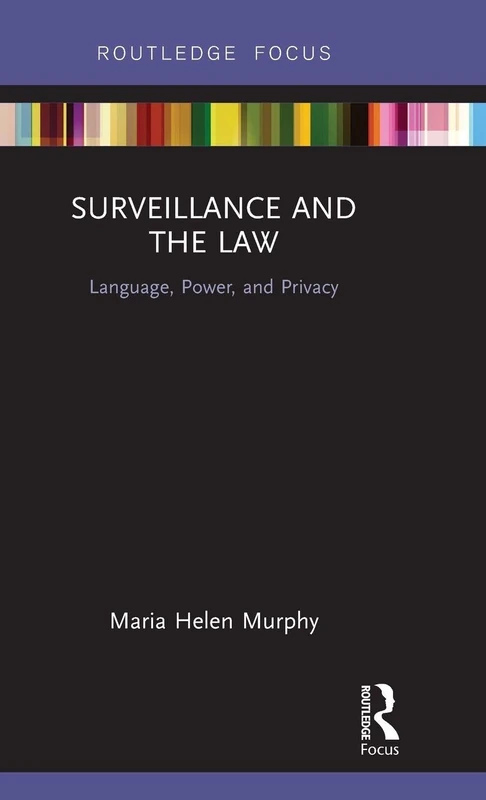
Surveillance and the Law: Language, Power and Privacy

Routledge

£45.93 12 Aug 2026
The Securitization and Policing of Art Theft: The Case of London
73% match

The Securitization and Policing of Art Theft: The Case of London

Routledge
£43.96 01 Aug 2026
Exploring Education Policy Through Newspapers and Social Media: The Politics of Mediatisation
73% match

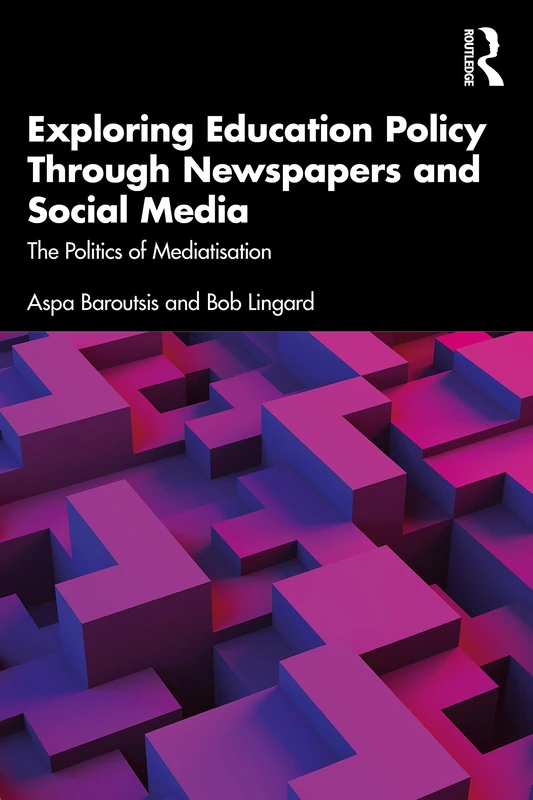
Exploring Education Policy Through Newspapers and Social Media: The Politics of Mediatisation

Routledge
£37.99 14 Aug 2026
The Indigenous Right of Reply to Archives: Working towards Indigenous Sovereignty, Healing, and Justice in Archival Practice
73% match

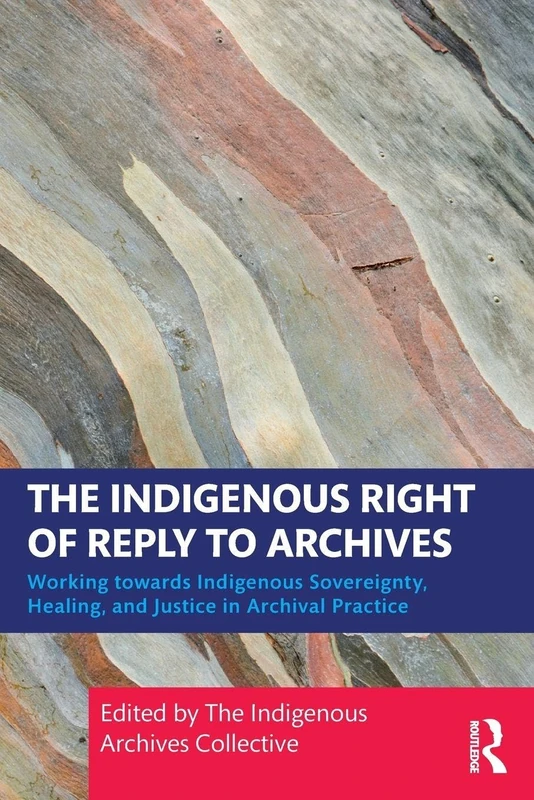
The Indigenous Right of Reply to Archives: Working towards Indigenous Sovereignty, Healing, and Justice in Archival Practice

Routledge
£36.99 06 Aug 2026
Archiving Loss: Holding Places for Difficult Memories
73% match

Archiving Loss: Holding Places for Difficult Memories

Routledge
£41.99 08 Aug 2026
Police Corruption: Exploring Police Deviance and Crime
73% match

Police Corruption: Exploring Police Deviance and Crime

Routledge

£39.99 08 Aug 2026