We can't find the internet
Attempting to reconnect
Something went wrong
Hang in there while we get back on track
£180.18
About as cheap as it gets — within 5% of the all-time low it hit 2 months ago.
£180 today · all-time low £177 (Aug 2026) · usually £180
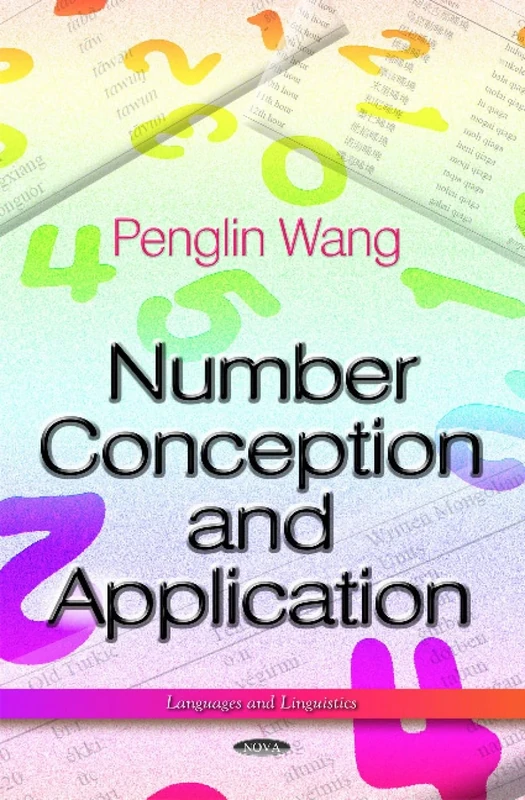
Number Conception & Application (Languages and Linguistics)
We'll watch every seller, every day. One email when your price arrives.
Price History & Forecast
Grey patches = out of stock. Cheaper = lower on the chart. Hover for exact prices.
Last 70 days · 70 data points (no recent data)
NEW HERE?
Amazon shows you one price. We show you all of them.
Tosheroon watches Amazon prices so you don't have to. Every product on Amazon has a price history — we make it visible. Set the price you'd actually pay, and we'll email you the second it gets there. No app, no account, one email.
WHAT'S ON THIS PAGE
when this has been cheap or pricey
where the price is heading next
all-time high & low, recent range
name your number, we'll email you
Price Distribution
Price distribution over 70 days • 4 price levels
Price Analysis
Most common price: £198 (26 days, 37.1%)
Price range: £177 - £198
Price levels: 4 different prices over 70 days
Description
Product Specifications
- Format
- hardcover
- ASIN
- 1633217272
- Domain
- Amazon UK
- Release Date
- 01 December 2014
- Listed Since
- 18 July 2014
Barcode
No barcode data available
Similar Products You Might Like
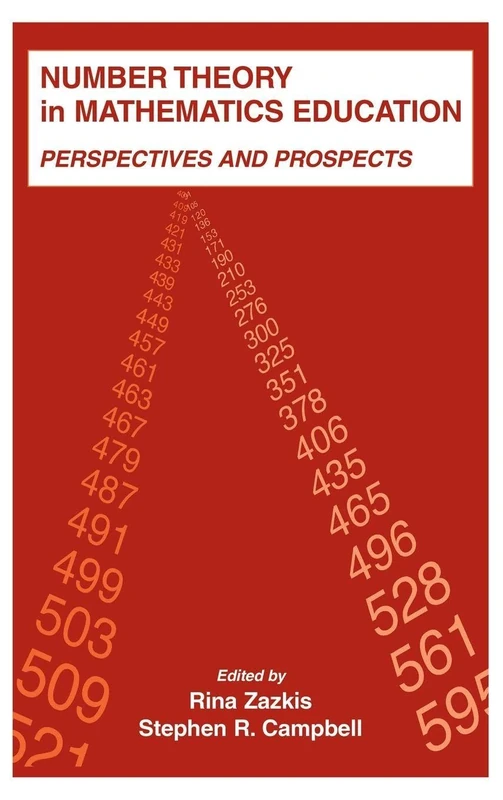
Number Theory in Mathematics Education: Perspectives and Prospects (Studies in Mathematical Thinking and Learning Series)
Routledge
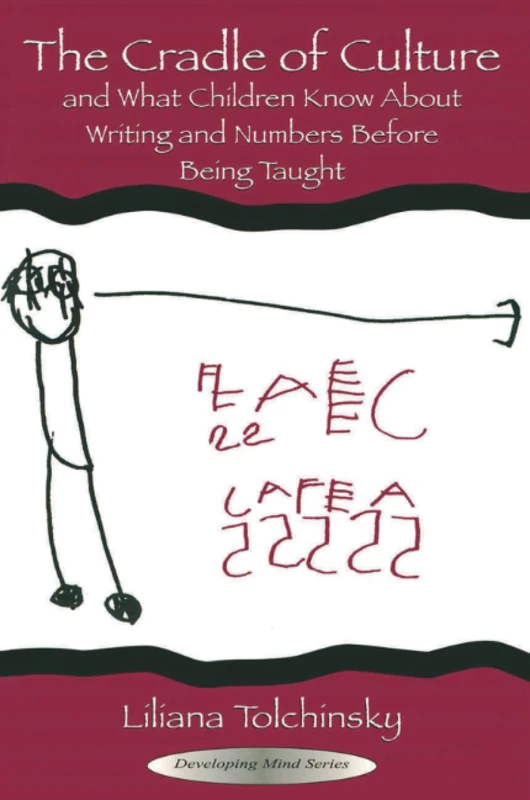
The Cradle of Culture and What Children Know About Writing and Numbers Before Being (Developing Mind Series)
Psychology Press
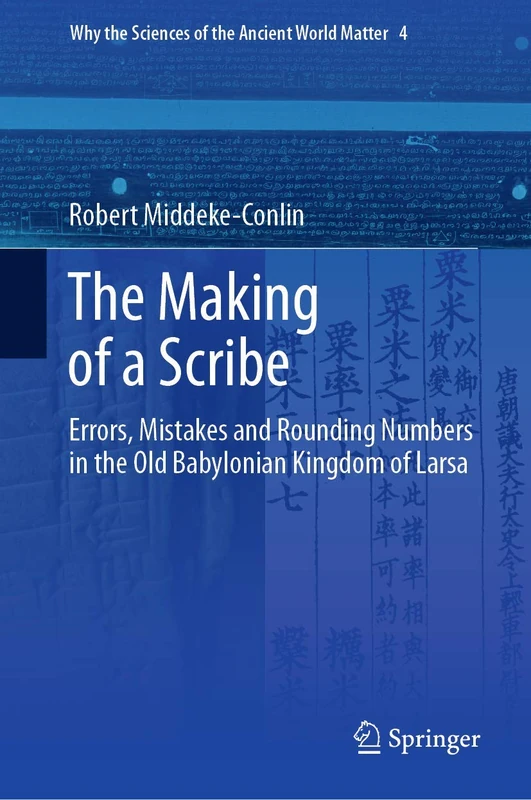
The Making of a Scribe: Errors, Mistakes and Rounding Numbers in the Old Babylonian Kingdom of Larsa: 4 (Why the Sciences of the Ancient World Matter, 4)
Springer
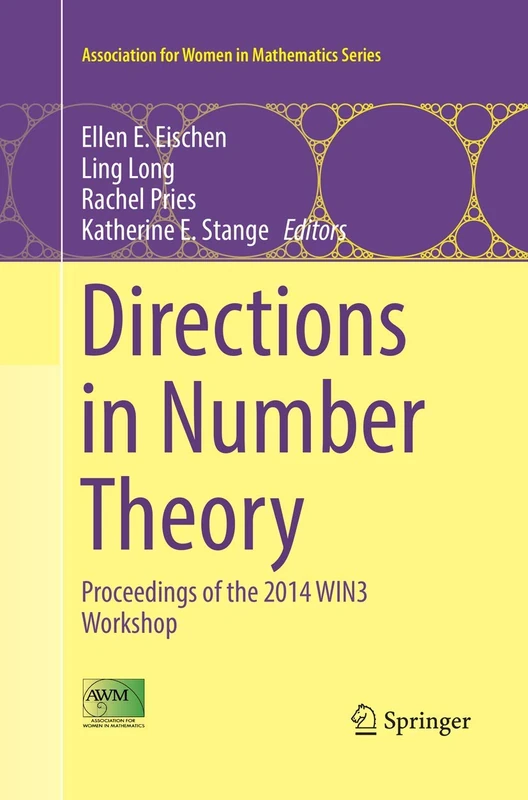
Springer Directions in Number Theory - WIN3 Workshop 3
Springer
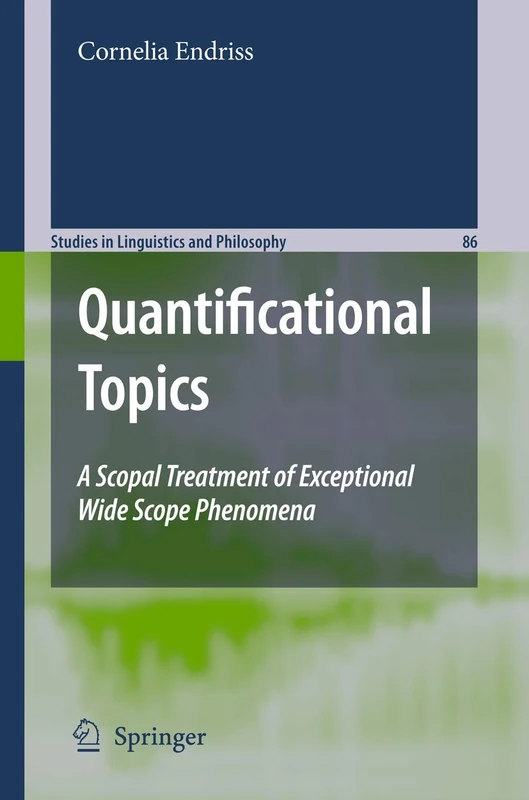
Springer Quantificational Topics - Linguistics and Philosophy
Springer
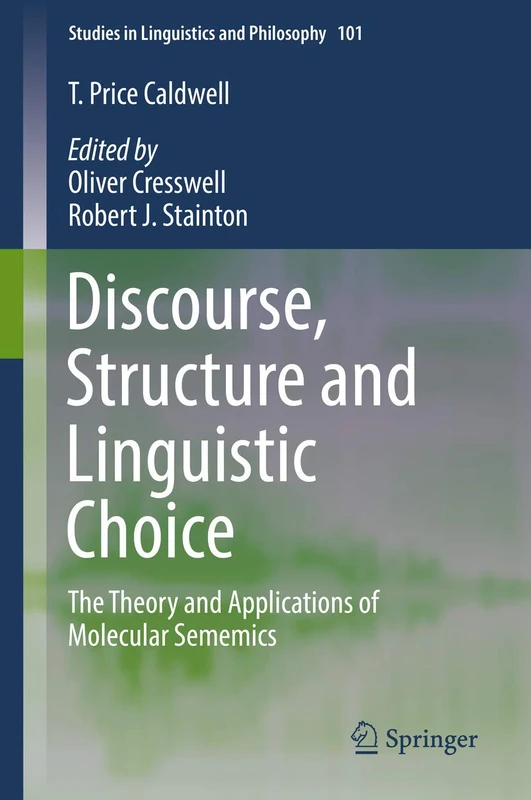
Discourse, Structure and Linguistic Choice: The Theory and Applications of Molecular Sememics: 101 (Studies in Linguistics and Philosophy, 101)
Springer
![Evidentials: Turkic, Iranian and Neighbouring Languages: 24 (Empirical Approaches to Language Typology [EALT], 24)](/uploads/images/products/2/3110161583/d5d60c88-44ba-4673-80c3-7c6b61a34868.webp)
Evidentials: Turkic, Iranian and Neighbouring Languages: 24 (Empirical Approaches to Language Typology [EALT], 24)
De Gruyter Mouton
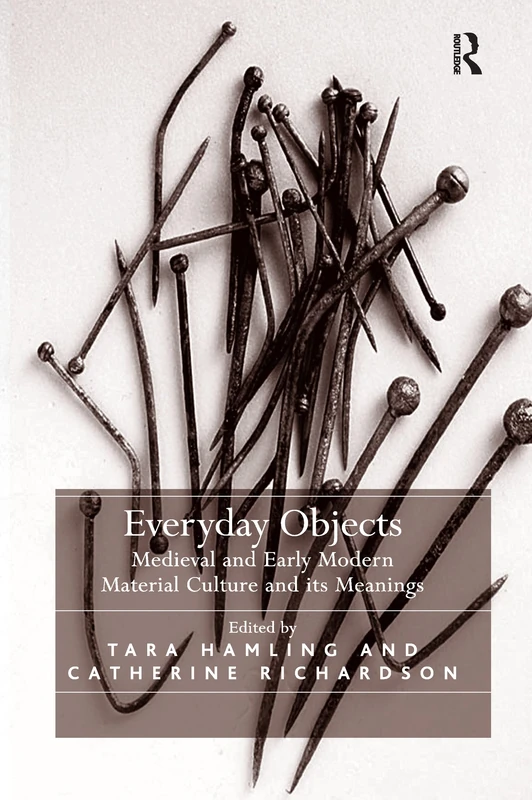
Everyday Objects: Medieval and Early Modern Material Culture
Routledge