We can't find the internet
Attempting to reconnect
Something went wrong
Hang in there while we get back on track
£151.38
It has never been this cheap. We have no record of a lower price.
£151 today · cheaper than every other day in the last 3 months
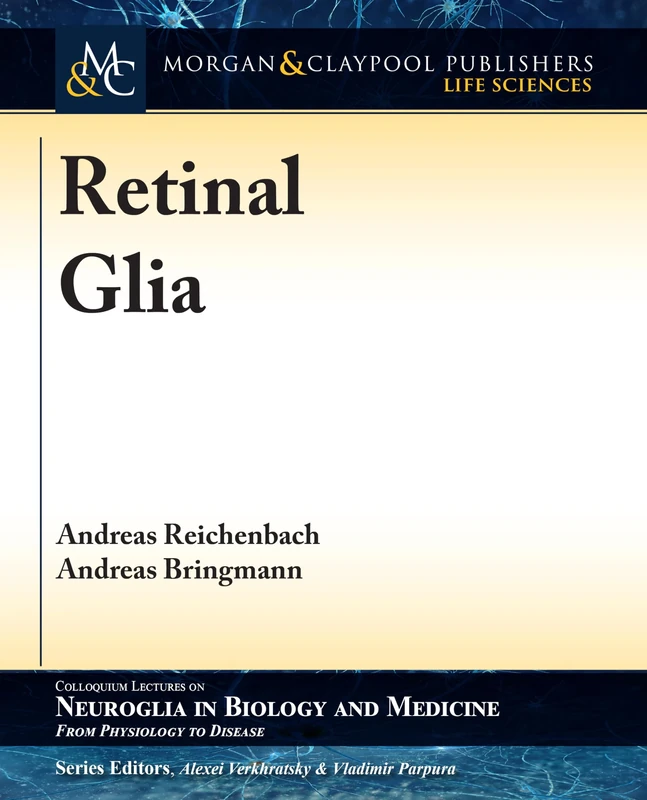
Morgan & Claypool Retinal Glia (Colloquium Series on Neuroglia in Biology and Medicine: From Physiology to Disease)
Price data last checked 36 day(s) ago - refreshing...
We'll watch every seller, every day. One email when your price arrives.
Price History & Forecast
Grey patches = out of stock. Cheaper = lower on the chart. Hover for exact prices.
Last 55 days · 55 data points (no recent data)
Price data last checked 36 day(s) ago - refreshing...
NEW HERE?
Amazon shows you one price. We show you all of them.
Tosheroon watches Amazon prices so you don't have to. Every product on Amazon has a price history — we make it visible. Set the price you'd actually pay, and we'll email you the second it gets there. No app, no account, one email.
WHAT'S ON THIS PAGE
when this has been cheap or pricey
where the price is heading next
all-time high & low, recent range
name your number, we'll email you
Price Distribution
Price distribution over 55 days • 1 price levels
Price Analysis
Most common price: £151 (55 days, 100.0%)
Price range: £151 - £151
Price levels: 1 different prices over 55 days
Description
Product Specifications
- Brand
- Morgan & Claypool
- Format
- paperback
- ASIN
- 1615046704
- Domain
- Amazon UK
- Release Date
- 30 May 2015
- Listed Since
- 14 July 2015
Barcode
No barcode data available
Similar Products You Might Like
AIZYR 75in Matte Anti-Glare TV Screen Protector - 1645 x 930mm
AIZYR
AIZYR 55 Inch Matte Anti-Glare TV Screen Protector - Blue Light Filter
AIZYR

AIZYR 40in Matte Anti-Glare TV Screen Protector - Blue Light Filter
AIZYR
CIADAZ 46 inch TV Screen Protector - Matte Anti-Glare Film
CIADAZ
KELUNIS 43in Anti Blue Light TV Screen Protector - 942/529mm
KELUNIS
Acer CB342CK - LED monitor - 34" - 3440 x 1440 UWQHD @ 75 Hz - IPS - 250 cd/m² - 700:1-1 ms - 2xHDMI, DisplayPort, USB-C - speakers - black, silver
Acer
KELUNIS 46in Anti Blue Light TV Screen Protector - Matte Glare
KELUNIS
KELUNIS 42in Anti Blue Light TV Screen Protector - Matte
KELUNIS
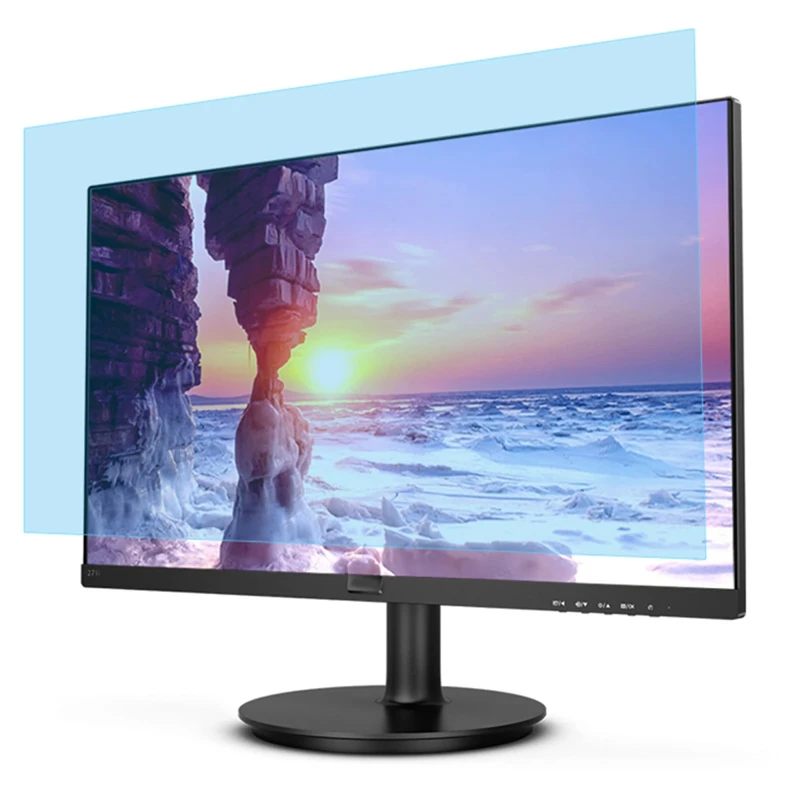
KELUNIS 50in Anti Blue Light TV Screen Protector - Matte Film
KELUNIS
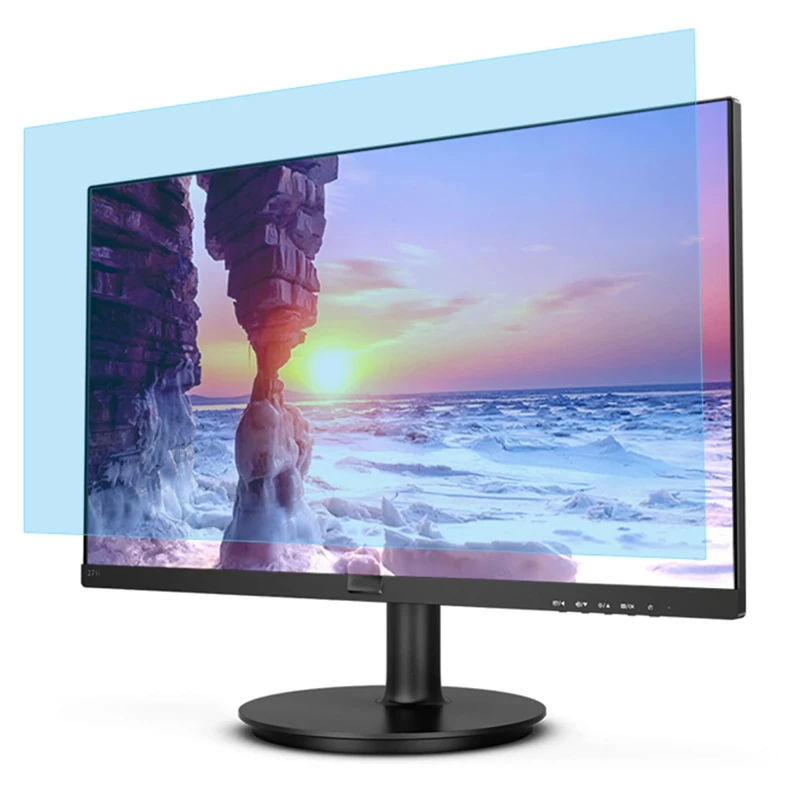
KELUNIS 48 Inch Anti Blue Light TV Screen Protector Film
KELUNIS
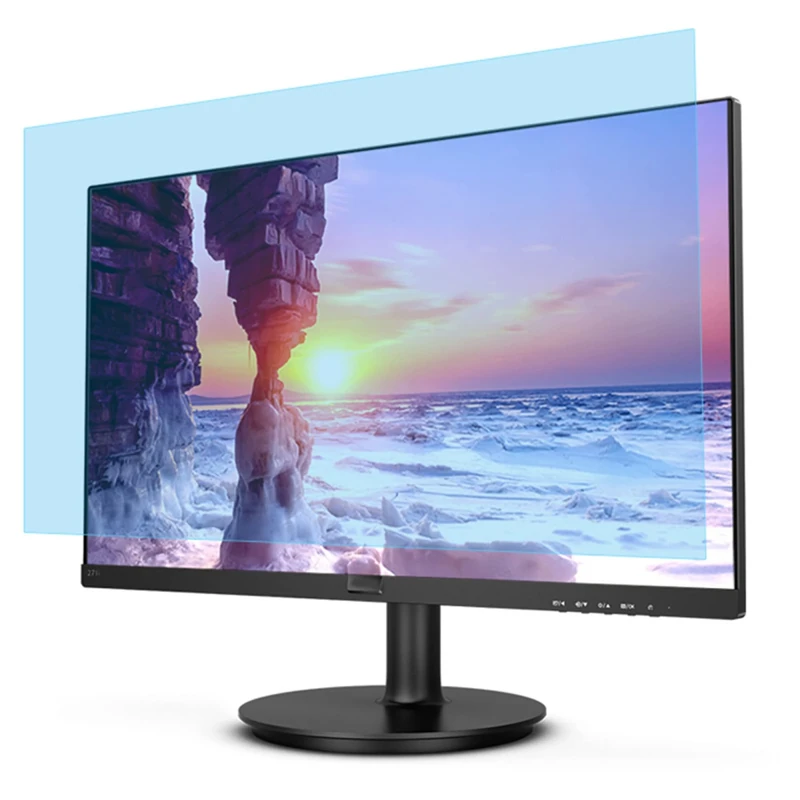
KELUNIS Anti Blue Light TV Screen Protector - 47in 1044/590mm
KELUNIS
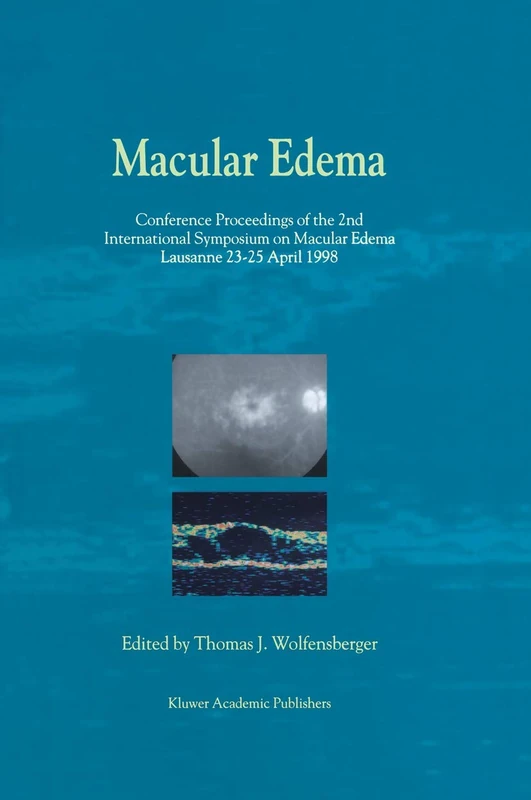
Macular Edema: 2nd International Symposium Proceedings 1998
Springer
TIM-LI Anti Glare TV Screen Protector 58 Inches Matte PET Film
TIM-LI
TIM-LI 65 Inch Anti Glare TV Screen Protector - Matte PET Film
TIM-LI
TIM-LI 60 Inch Anti Glare TV Screen Protector - Matte PET Film
TIM-LI
TIM-LI 70 Inch Anti Glare TV Screen Protector - Matte PET Film
TIM-LI
Price unavailable
KELUNIS 49in Anti Blue Light TV Screen Protector - Matte Finish
KELUNIS
TIM-LI 65 Inch Anti Glare TV Screen Protector - Matte PET Film
TIM-LI
LUSA DESIGN 14 Inch Laptop Privacy Screen - 16:10 Aspect Ratio
LUSA DESIGN
Samsung LS24F330EAUXXU 24" Full HD 100Hz Monitor - 1920x1080p, VGA, HDMI, Eye Saver Mode, Game Mode
Samsung

CRUA 24 inch Curved Monitor - 1080P FHD 100Hz VA Panel - White
CRUA
Price unavailable
TIM-LI 75 Inch Anti Glare TV Screen Protector - Matte PET Film
TIM-LI
Philips 172B9TL 17-inch Touch Monitor - 1280x1024 HDMI DVI VGA
PHILIPS
JQZWXX 55in TV Screen Protector - Anti-Blue Light Matte Film
JQZWXX