We can't find the internet
Attempting to reconnect
Something went wrong!
Hang in there while we get back on track
£161.07
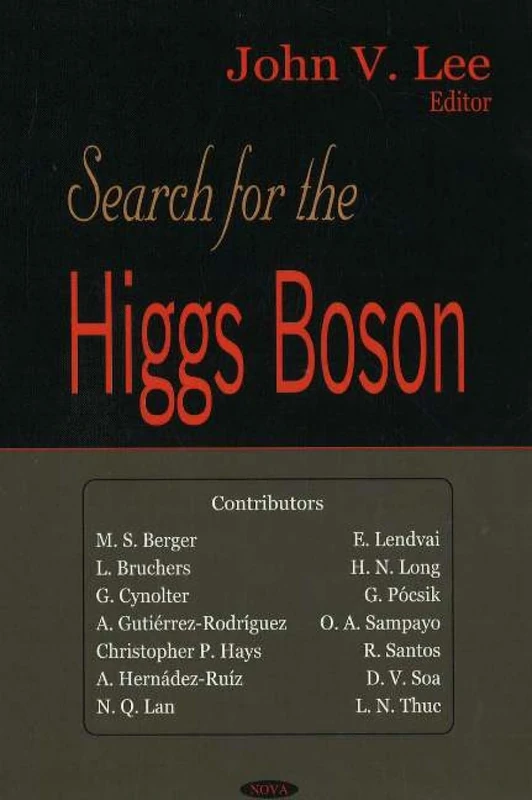
Search for the Higgs Boson
Price data last checked 37 day(s) ago - refreshing...
We'll watch every seller, every day. One email when your price arrives.
It has never been this cheap. We have no record of a lower price.
£161 today · cheaper than every other day in the last 3 months
NEW HERE?
Amazon shows you one price. We show you all of them.
Tosheroon watches Amazon prices so you don't have to. Every product on Amazon has a price history — we make it visible. Set the price you'd actually pay, and we'll email you the second it gets there. No app, no account, one email.
WHAT'S ON THIS PAGE
when this has been cheap or pricey
where the price is heading next
all-time high & low, recent range
name your number, we'll email you
Price History & Forecast
Grey patches = out of stock. Cheaper = lower on the chart. Hover for exact prices.
Last 54 days • 54 data points (No recent data available)
Price Distribution
Price distribution over 54 days • 1 price levels
Price Analysis
Most common price: £161 (54 days, 100.0%)
Price range: £161 - £161
Price levels: 1 different prices over 54 days
Description
Product Specifications
- Format
- hardcover
- ASIN
- 1594548617
- Domain
- Amazon UK
- Release Date
- 01 December 2006
- Listed Since
- 19 February 2007
Barcode
No barcode data available
Similar Products You Might Like
Physics with Photons Using the ATLAS Run 2 Data: Calibration and Identification, Measurement of the Higgs Boson Mass and Search for Supersymmetry in Di-Photon Final State (Springer Theses)
Springer
Search for New Phenomena in Top-Antitop Quarks Final States with Additional Heavy-Flavour Jets with the ATLAS Detector (Springer Theses)
Springer

Standard Model Measurements with the ATLAS Detector: Monte Carlo Simulations of the Tile Calorimeter and Measurement of the Z → τ τ Cross Section (Springer Theses)
Springer
Future Of The Large Hadron Collider, The: A Super-accelerator With Multiple Possible Lives
World Scientific Publishing Company
Searches for Supersymmetric Particles in Final States with Multiple Top and Bottom Quarks with the Atlas Detector (Springer Theses)
Springer
Searches for Supersymmetric Particles in Final States with Multiple Top and Bottom Quarks with the Atlas Detector (Springer Theses)
Springer
Completion & Unification of Quantum Mechanics with Einstein's GR Ideas: Part I -- Completion of QM (Classical and Quantum Mechanics)
Hadron Structure in Electroweak Precision Measurements (Springer Theses)
Springer

Effective Lagrangians for the Standard Model (Texts and Monographs in Physics)
Springer
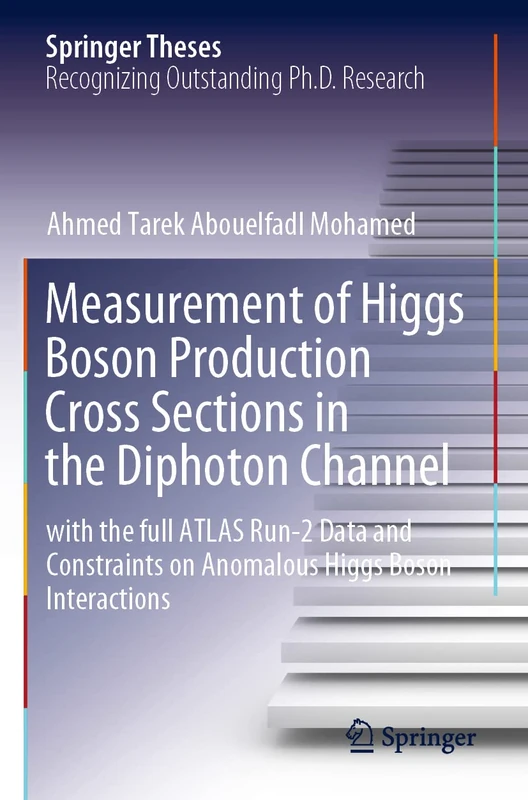
Measurement of Higgs Boson Production Cross Sections in the Diphoton Channel: with the full ATLAS Run-2 Data and Constraints on Anomalous Higgs Boson Interactions (Springer Theses)
Springer
Beyond Octonion Cosmology: The Substratum in Primordial Space
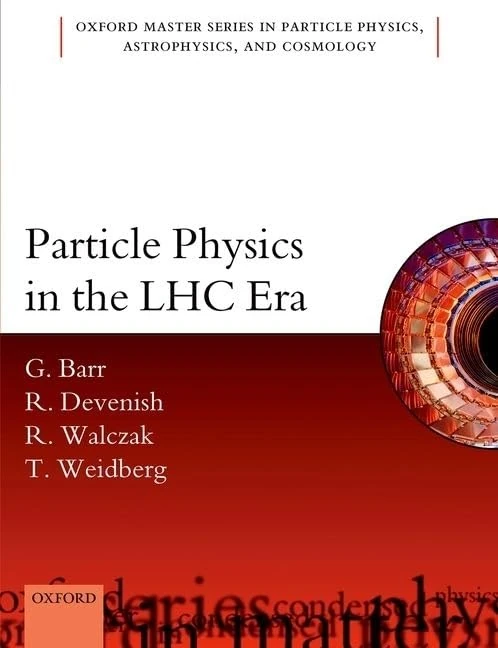
Oxford University Press - Particle Physics in the LHC Era
Oxford University Press
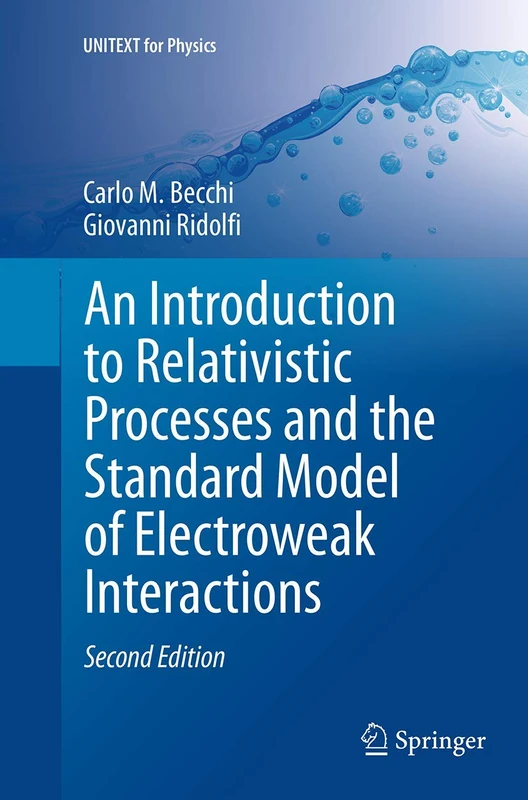
An Introduction to Relativistic Processes and the Standard Model of Electroweak Interactions (UNITEXT for Physics)
Springer
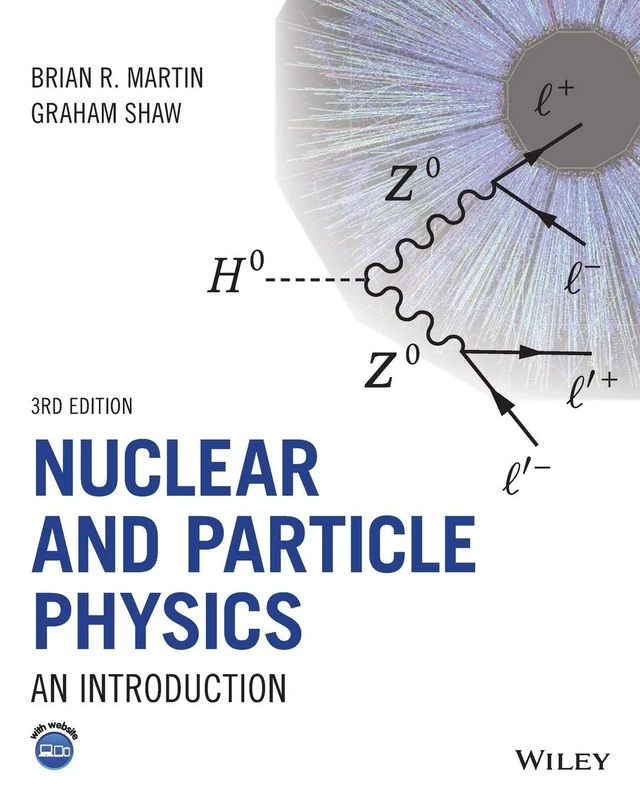
Nuclear and Particle Physics: An Introduction, 3rd Edition
Wiley
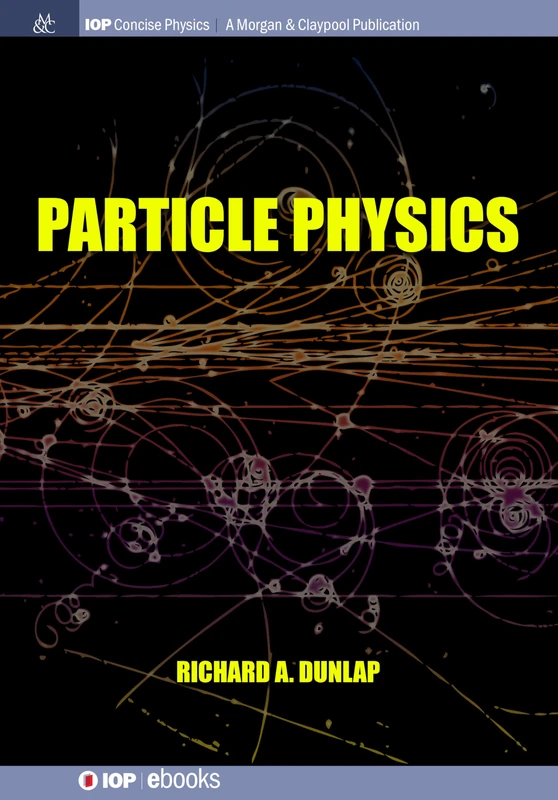
Particle Physics (IOP Concise Physics)
Morgan & Claypool
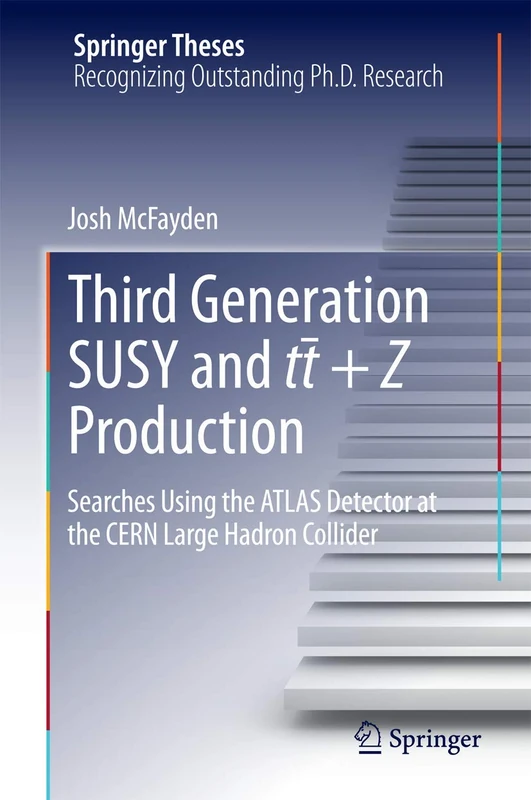
Third generation SUSY and t¯t +Z production: Searches using the ATLAS detector at the CERN Large Hadron Collider (Springer Theses)
Springer
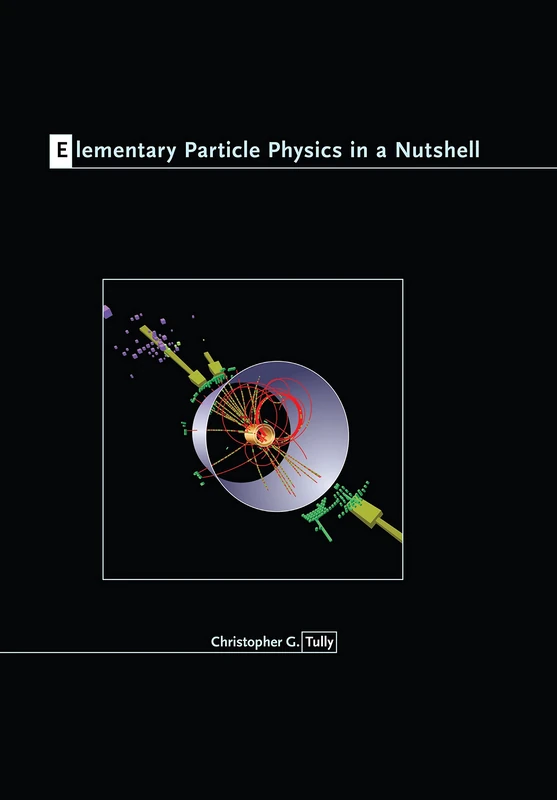
Elementary Particle Physics in a Nutshell: 11
Princeton University Press
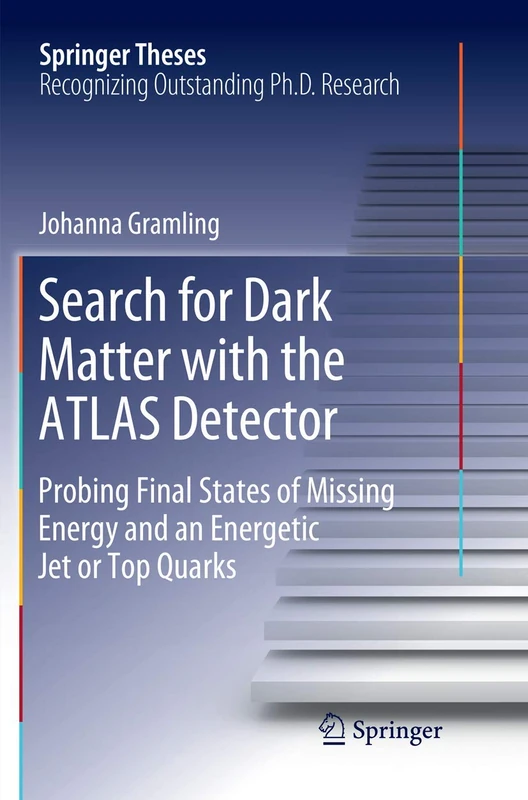
Search for Dark Matter with the ATLAS Detector: Probing Final States of Missing Energy and an Energetic Jet or Top Quarks (Springer Theses)
Springer
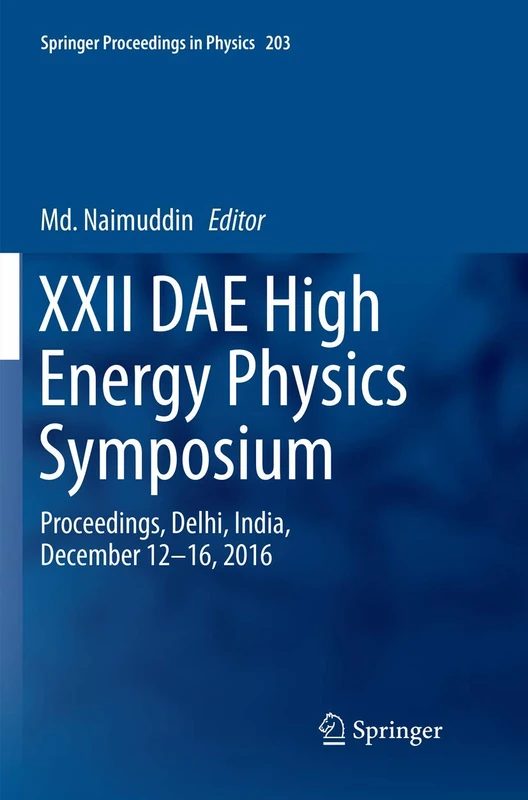
Springer XXII DAE High Energy Physics Symposium Proceedings
Springer

Chiral Symmetry In Hadrons And Nuclei - Proceedings Of The Seventh International Symposium
World Scientific Publishing Company
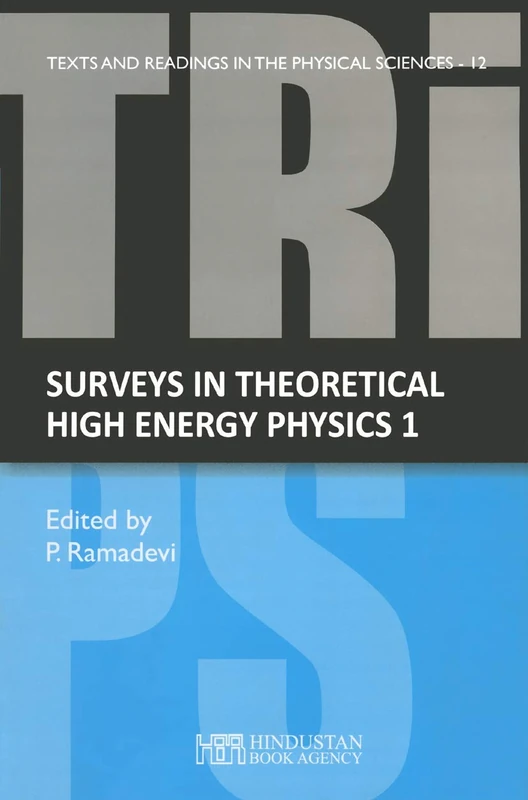
Surveys in Theoretical High Energy Physics 1: Lecture Notes from SERC Schools (Texts and Readings in Physical Sciences)

More and Different: Notes from a Thoughtful Curmudgeon
World Scientific Publishing Company
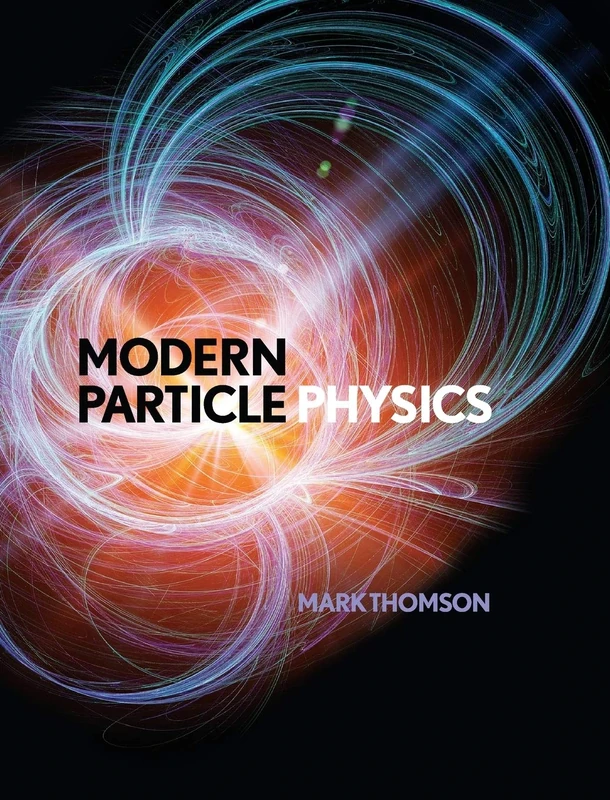
Modern Particle Physics
Cambridge University Press
Quark Model And High Energy Collisions, 2nd Edition
World Scientific Publishing Company