We can't find the internet
Attempting to reconnect
Something went wrong
Hang in there while we get back on track
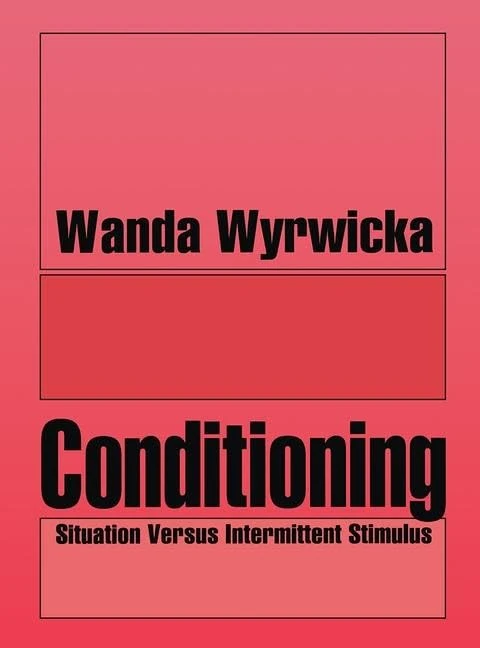
£93.64
This is the most expensive it has ever been. Walk away.
£94 today · previous high £94 · all-time low £86
Routledge Conditioning: Situation Versus Intermittent Stimulus
We'll watch every seller, every day. One email when your price arrives.
Price History & Forecast
Grey patches = out of stock. Cheaper = lower on the chart. Hover for exact prices.
Last 71 days · 71 data points (no recent data)
NEW HERE?
Amazon shows you one price. We show you all of them.
Tosheroon watches Amazon prices so you don't have to. Every product on Amazon has a price history — we make it visible. Set the price you'd actually pay, and we'll email you the second it gets there. No app, no account, one email.
WHAT'S ON THIS PAGE
when this has been cheap or pricey
where the price is heading next
all-time high & low, recent range
name your number, we'll email you
Price Distribution
Price distribution over 71 days • 2 price levels
Price Analysis
Most common price: £94 (63 days, 88.7%)
Price range: £86 - £94
Price levels: 2 different prices over 71 days
Description
Product Specifications
- Brand
- Routledge
- Format
- hardcover
- ASIN
- 1560004320
- Domain
- Amazon UK
- Release Date
- 31 July 1999
- Listed Since
- 04 January 2007
Barcode
No barcode data available
Similar Products You Might Like
Applications of Conditioning Theory (Psychology Revivals)
Routledge
Operant Conditioning: An Experimental Analysis of Behaviour (Psychology Revivals)
Routledge
The Essentials of Conditioning and Learning
American Psychological Association
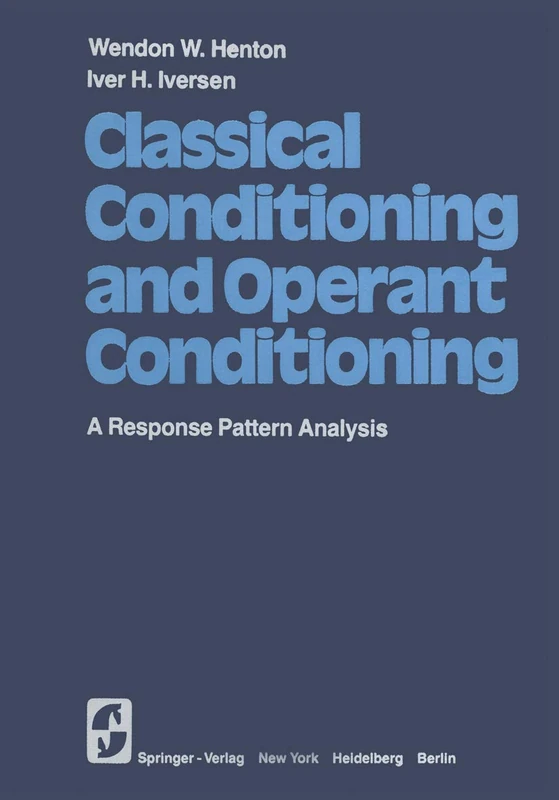
Classical Conditioning and Operant Conditioning: A Response Pattern Analysis
Springer
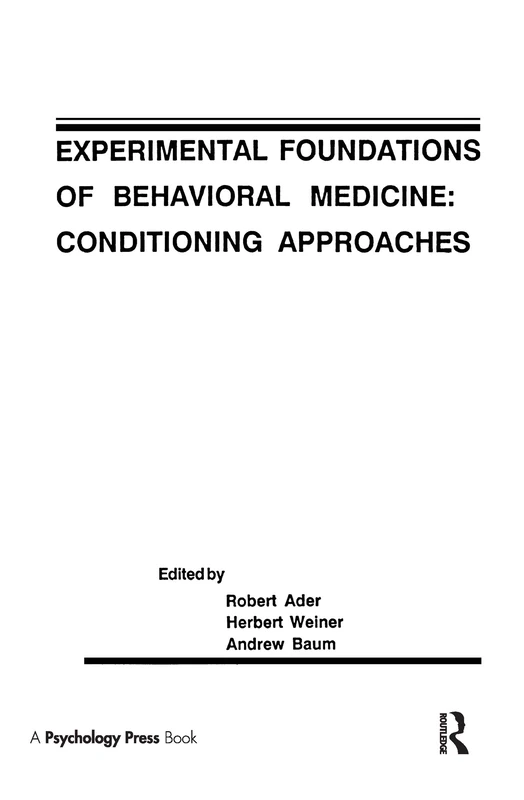
Experimental Foundations of Behavioral Medicine - Conditioning
Psychology Press
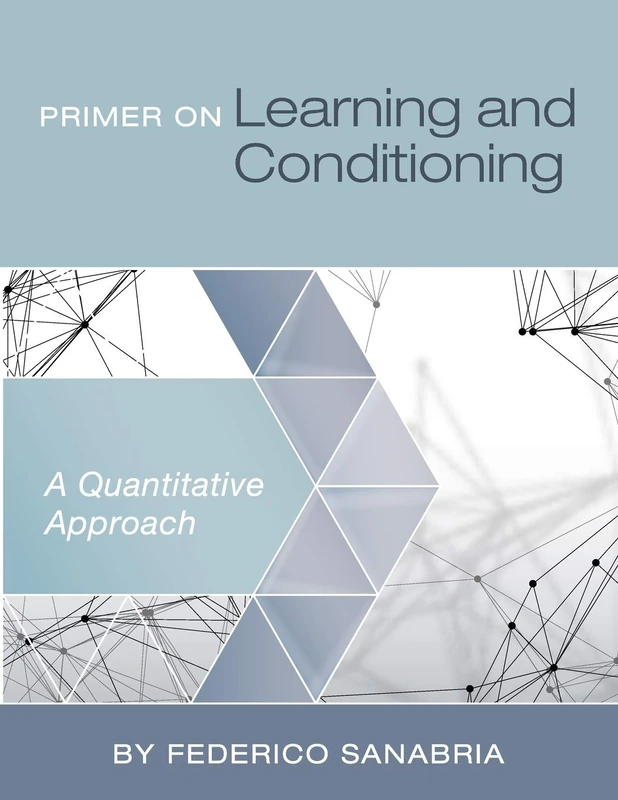
Primer on Learning and Conditioning: A Quantitative Approach
Cognella Academic Publishing

Análisis Aplicado de Conducta, Tercera Edición en Español
ABA España
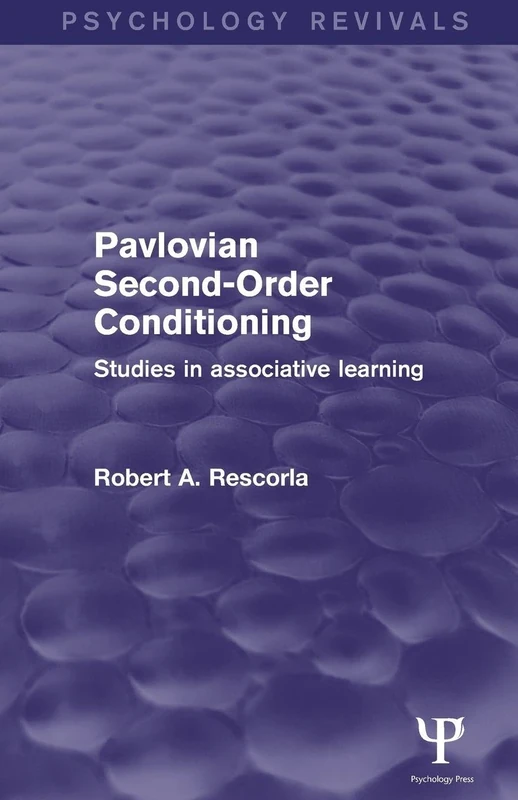
Pavlovian Second-order Conditioning: Studies in Associative Learning (Psychology Revivals)
Routledge
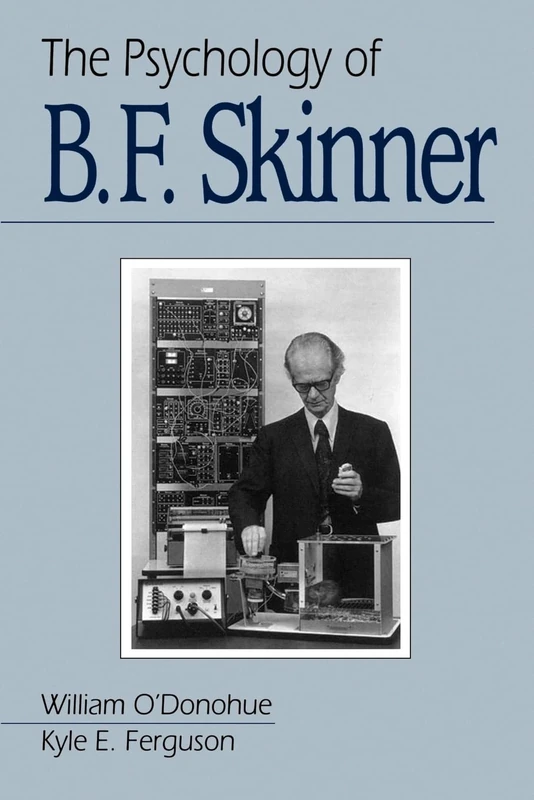
The Psychology of B F Skinner - Sage Publications
Sage Publishing
Pavlovian Second-Order Conditioning (Psychology Revivals): Studies in Associative Learning
Routledge
An Introduction to Behavior Analysis - Wiley-Blackwell
Wiley

Emotions and the Family: Routledge Psychology Book
Routledge
Psychology for the Classroom: Behaviourism
Routledge
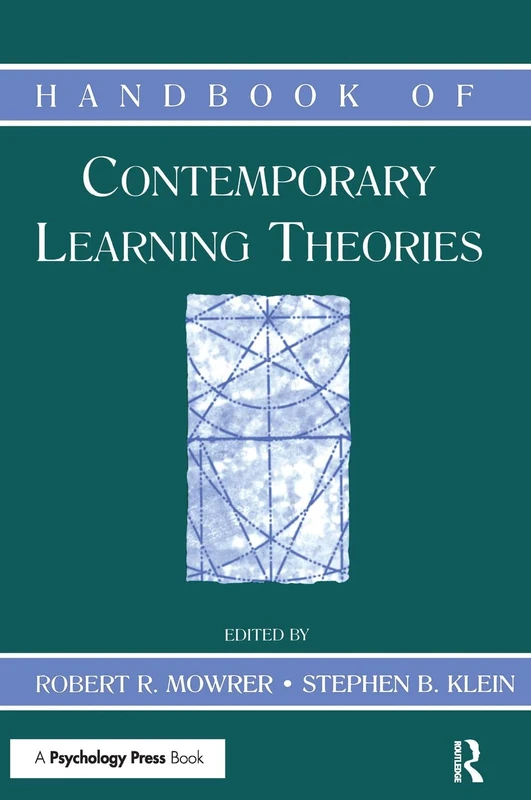
Handbook of Contemporary Learning Theories
Psychology Press
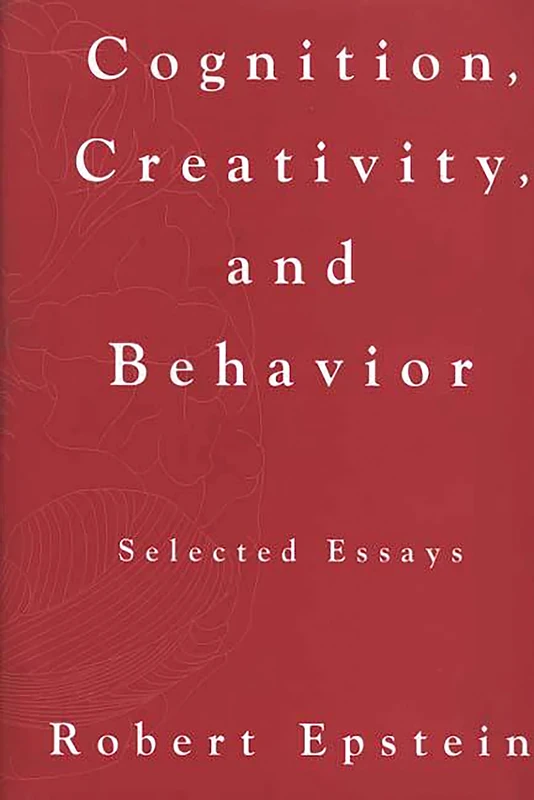
Cognition, Creativity, and Behavior: Selected Essays
Praeger
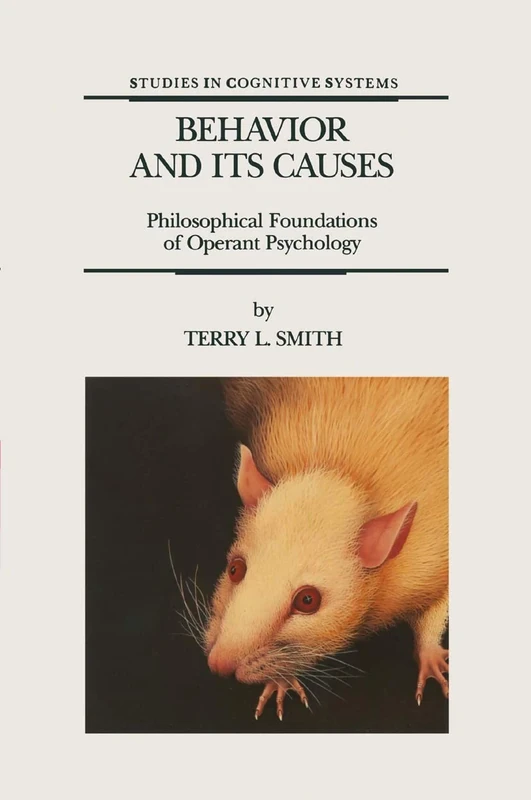
Behavior and Its Causes: Philosophical Foundations of Operant Psychology: 16 (Studies in Cognitive Systems, 16)
Springer
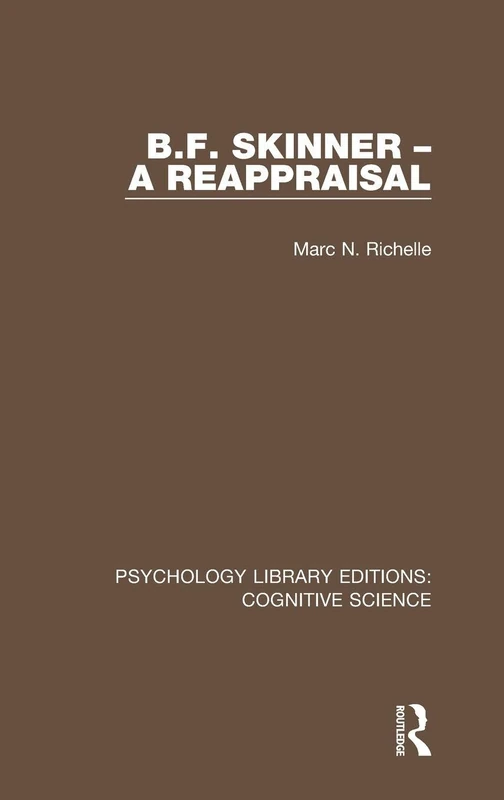
B.F. Skinner - A Reappraisal (Psychology Library Editions: Cognitive Science)
Routledge
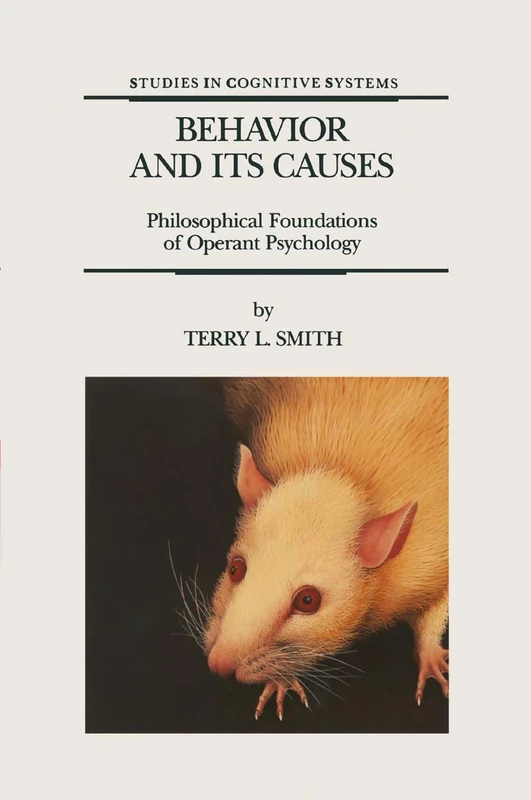
Behavior and Its Causes: Philosophical Foundations of Operant Psychology: 16 (Studies in Cognitive Systems, 16)
Springer
Operant-Pavlovian Interactions - Psychology Revivals
Routledge
Rule-Governed Behavior: Cognition, Contingencies, and Instructional Control
Springer
Conflict, Displacement, Learned Drives and Theory
Routledge
The New Behaviorism: Foundations of Behavioral Science - 3rd Edition
Routledge
The Selection of Behavior: The Operant Behaviorism of B. F. Skinner: Comments and Consequences
Cambridge University Press
The New Behaviorism: Foundations of Behavioral Science
Routledge