We can't find the internet
Attempting to reconnect
Something went wrong
Hang in there while we get back on track

£211.99
Understanding in Children with Cerebral Palsy: Orthopedic Problems (Pediatrics - Laboratory and Clinical Research)
Price data last checked 20 day(s) ago - will refresh soon
We'll watch every seller, every day. One email when your price arrives.
It has never been this cheap. We have no record of a lower price.
£212 today · cheaper than every other day in the last 3 months
NEW HERE?
Amazon shows you one price. We show you all of them.
Tosheroon watches Amazon prices so you don't have to. Every product on Amazon has a price history — we make it visible. Set the price you'd actually pay, and we'll email you the second it gets there. No app, no account, one email.
WHAT'S ON THIS PAGE
when this has been cheap or pricey
where the price is heading next
all-time high & low, recent range
name your number, we'll email you
Price History & Forecast
Grey patches = out of stock. Cheaper = lower on the chart. Hover for exact prices.
Last 71 days · 71 data points (no recent data)
Price Distribution
Price distribution over 71 days • 1 price levels
Price Analysis
Most common price: £212 (71 days, 100.0%)
Price range: £212 - £212
Price levels: 1 different prices over 71 days
Description
Product Specifications
- Format
- hardcover
- ASIN
- 1536180467
- Domain
- Amazon UK
- Release Date
- 24 June 2020
- Listed Since
- 09 June 2020
Barcode
No barcode data available
Similar Products You Might Like
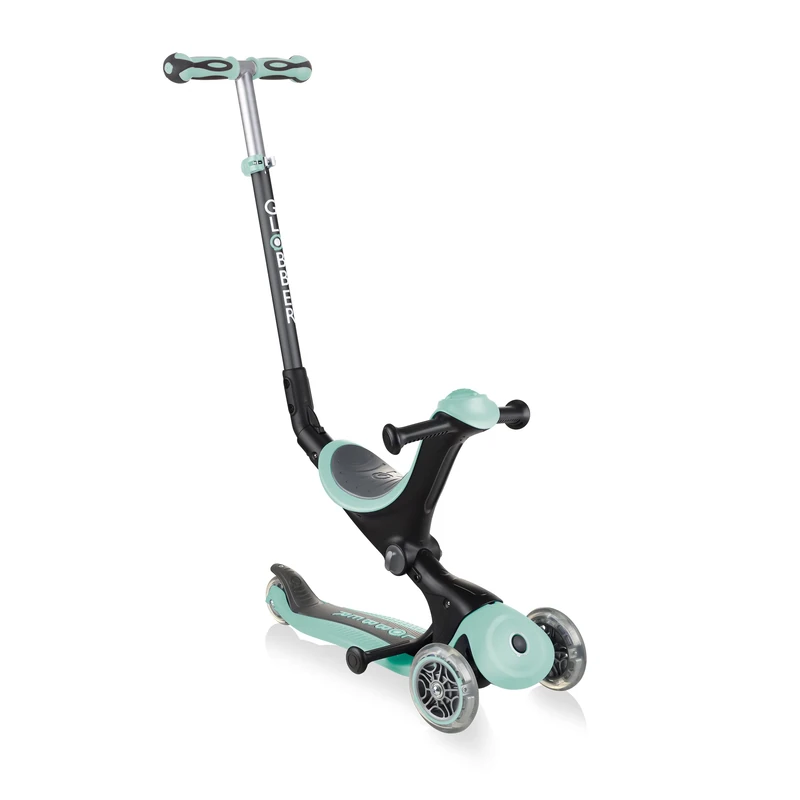
Globber - GO•UP Deluxe - 3 Wheel Scooter with Seat, for Children from 15 Months to 6 Years, Pastel Green
Globber
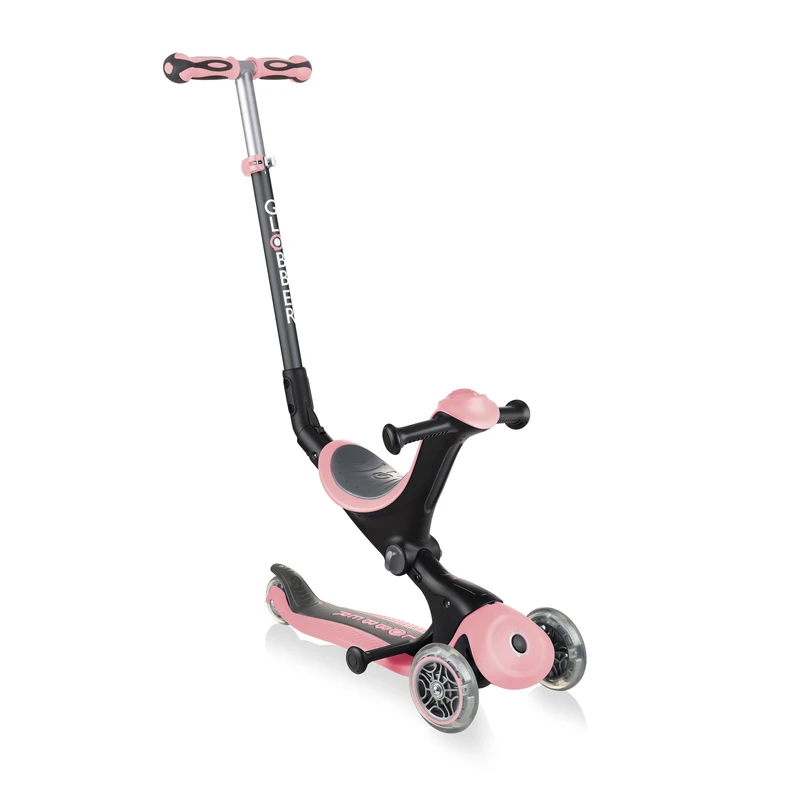
Globber - GO•UP Deluxe - 3 Wheel Scooter with Seat, for Children from 15 Months to 6 Years - Pastel Pink
Globber
Price unavailable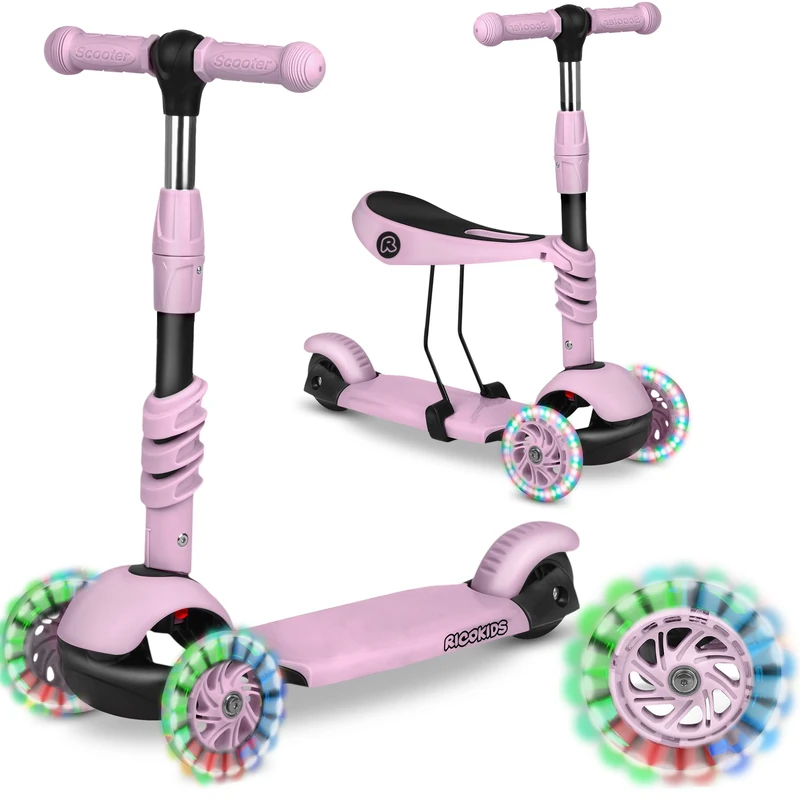
Three-wheel scooter for children 3in1 Cubi Ricokids balance with seat pink
Ricokids
Price unavailable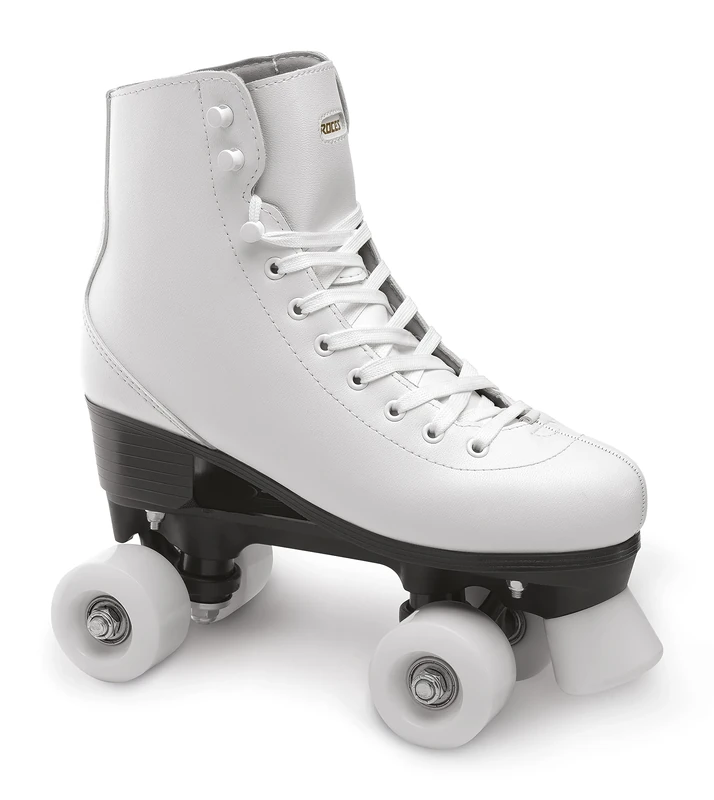
Roces Roller Skates RC 1 White 36
ROCES
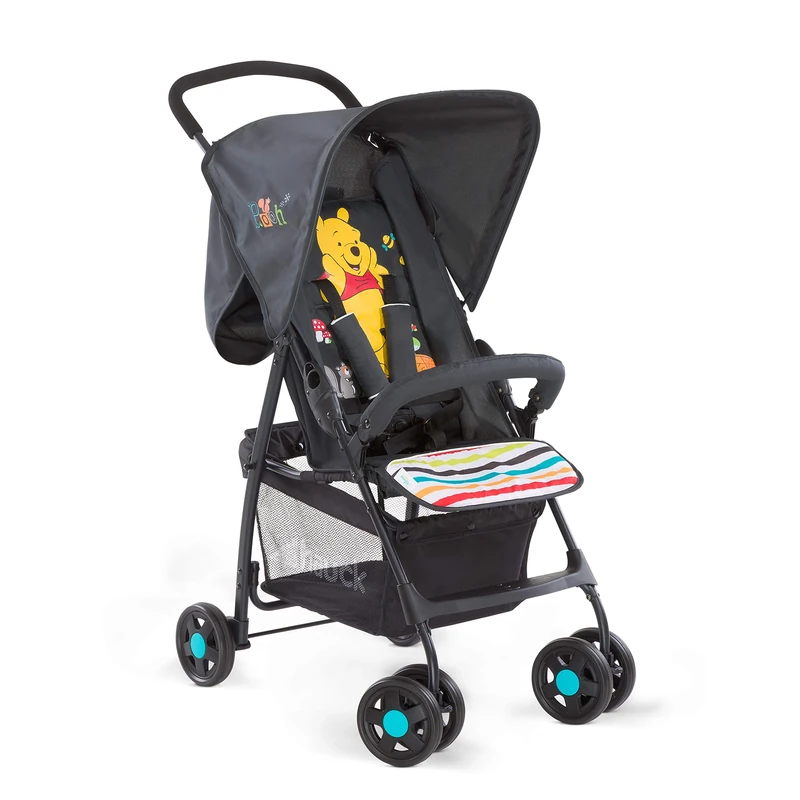
Hauck Disney Winnie The Pooh Lightweight Compact Pushchair
hauck
Price unavailable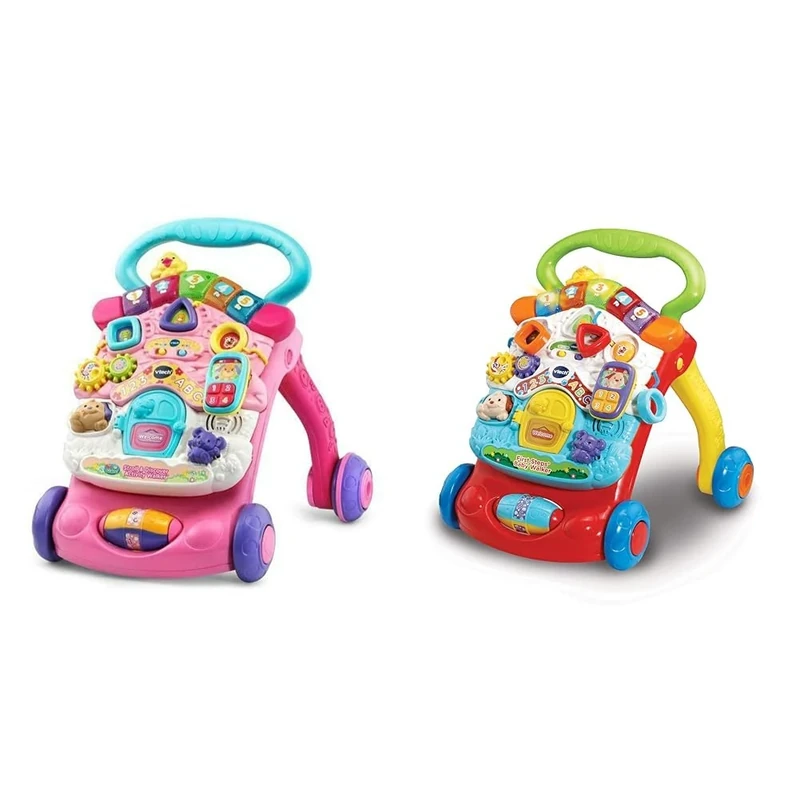
VTech First Steps Baby Walker - 2-in-1 Activity Center
VTech
Price unavailable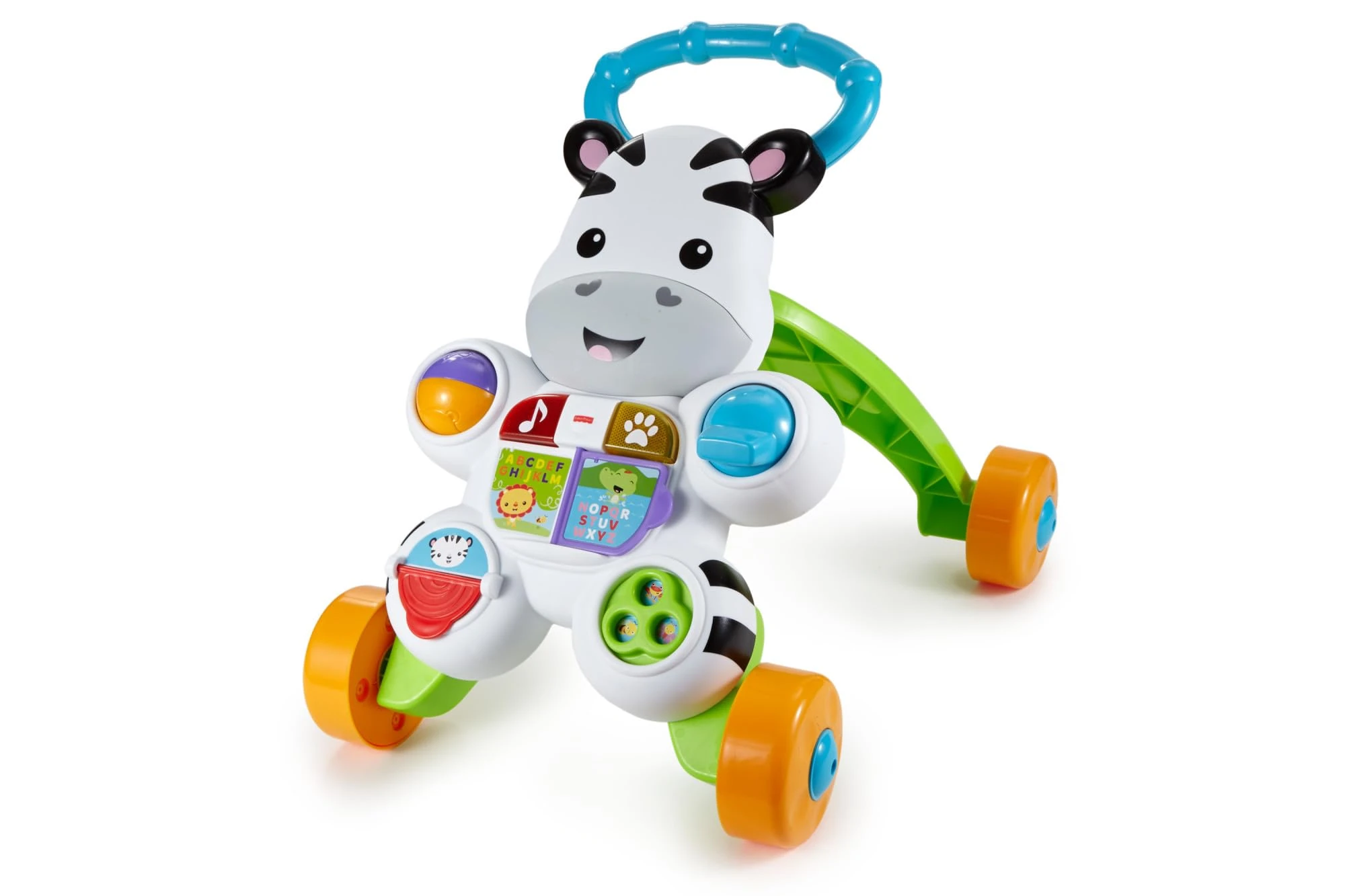
Fisher-Price Learn with Me Zebra Walker - Baby Push Toy GXC31
Fisher-Price
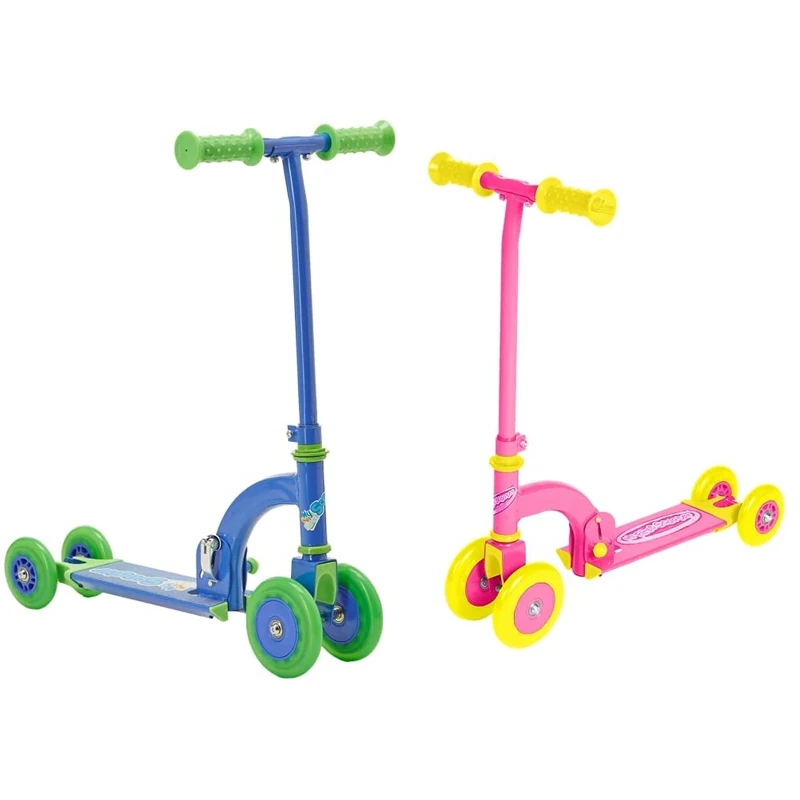
Ozbozz My First Scooter & My First Scooter
Ozbozz
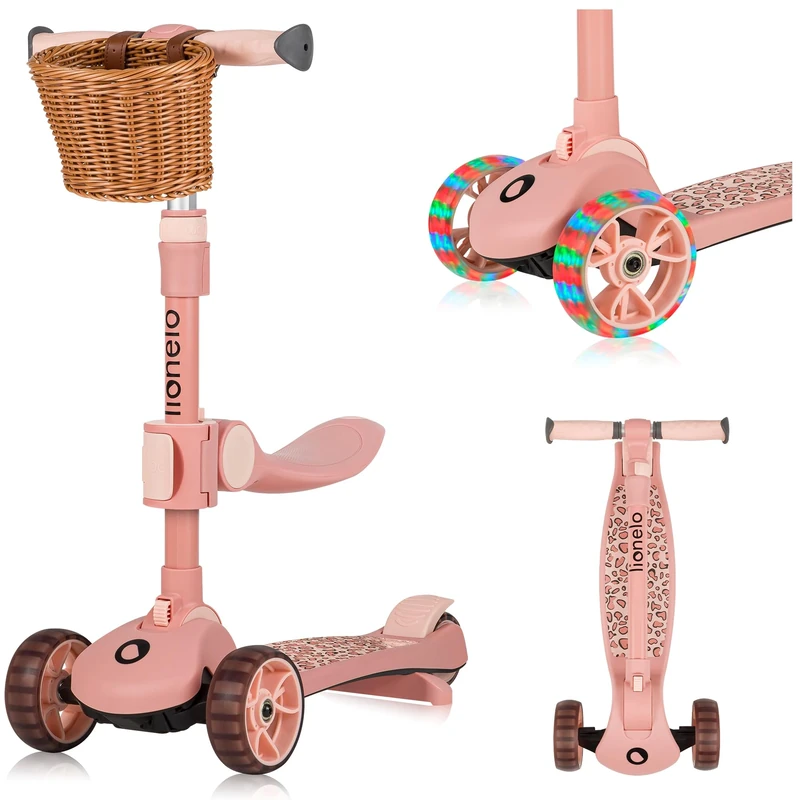
Lionelo Franky 2-in-1 Balance Bike and 3-Wheel Scooter
lionelo
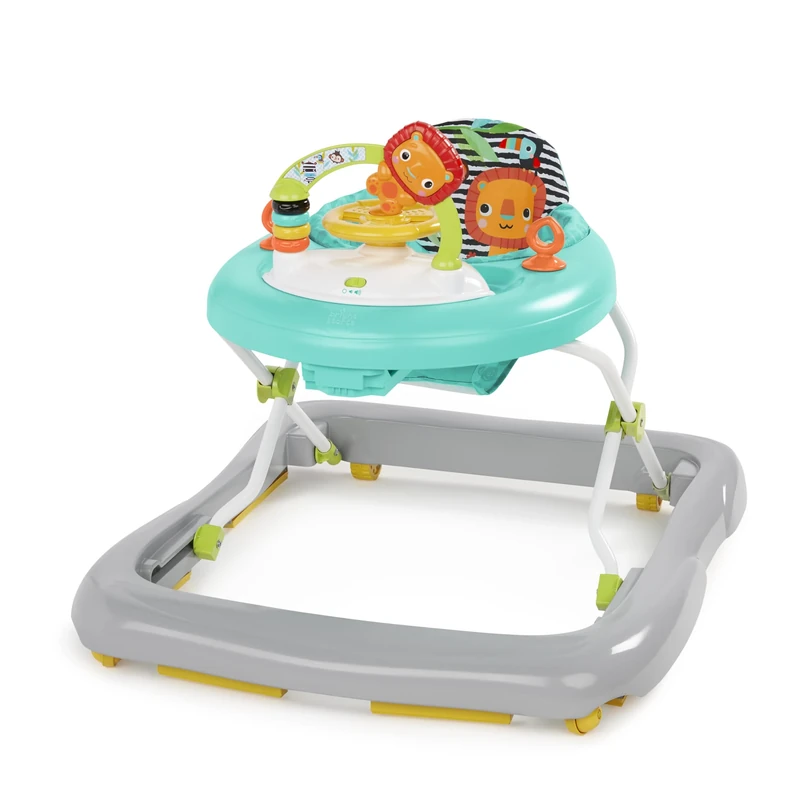
Bright Starts Zig Zag Zebra Baby Walker - Adjustable Height
Bright Starts
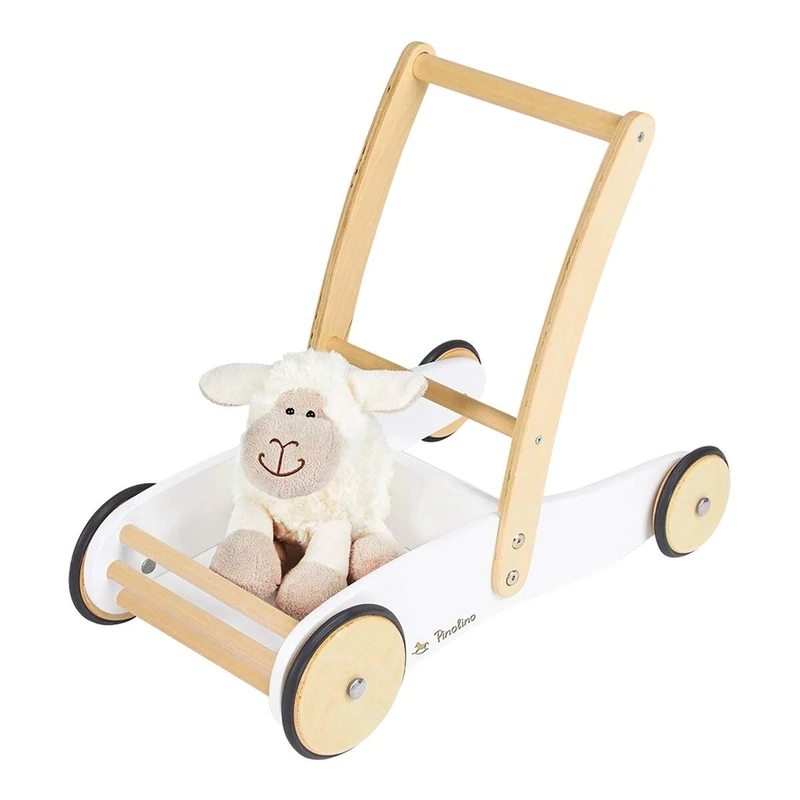
PINOLINO Uli Wooden Walker with Adjustable Braking System
PINOLINO
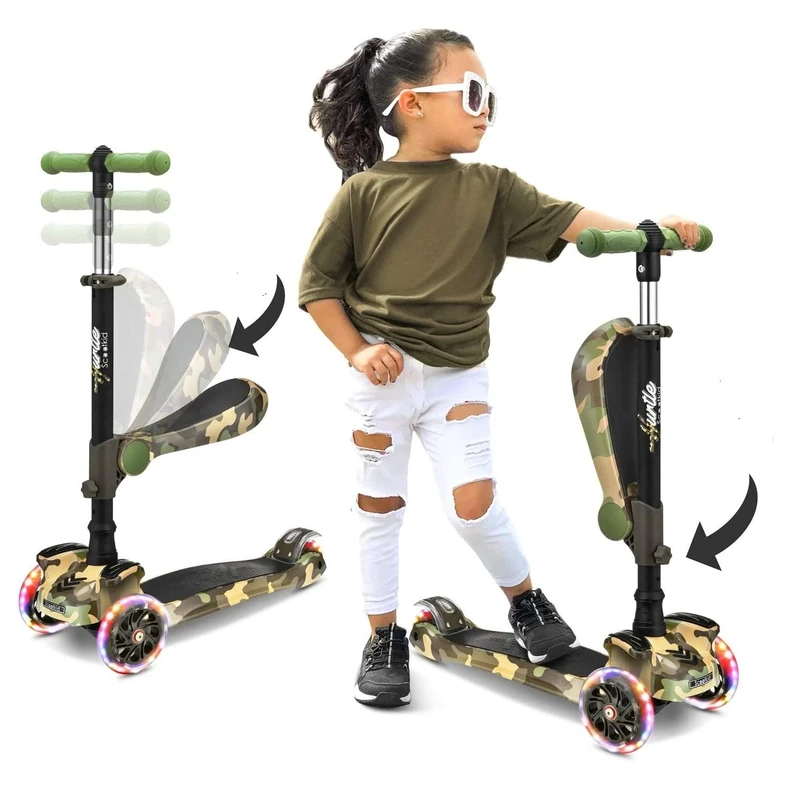
Hurtle 12 Wheeled Kids Scooter - 2-in-1 Sit or Stand Toy
Hurtle
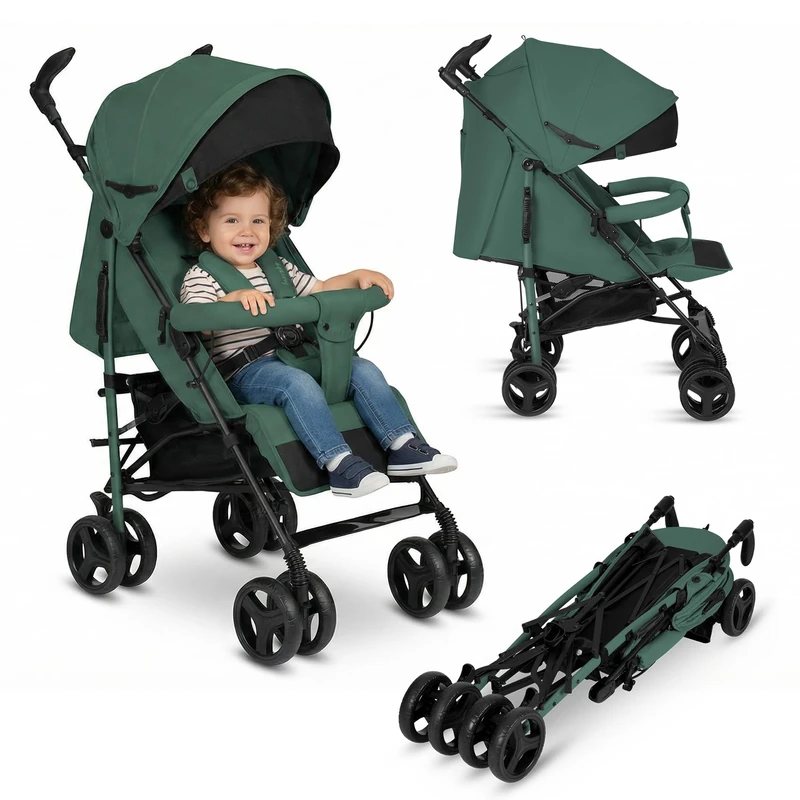
Lionelo IRMA Compact Lightweight Travel Stroller - 7kg
lionelo
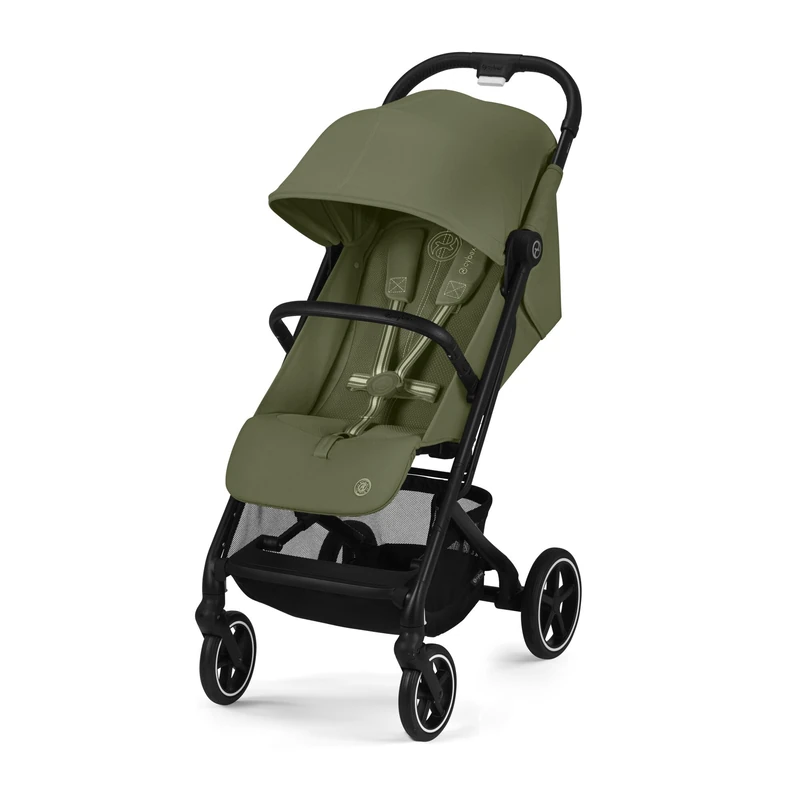
CYBEX Gold BEEZY stroller with one-hand belt system, from Birth to approx. 4 years (max. 22 kg), compact and ergonomic, Moss Green
Cybex
Price unavailable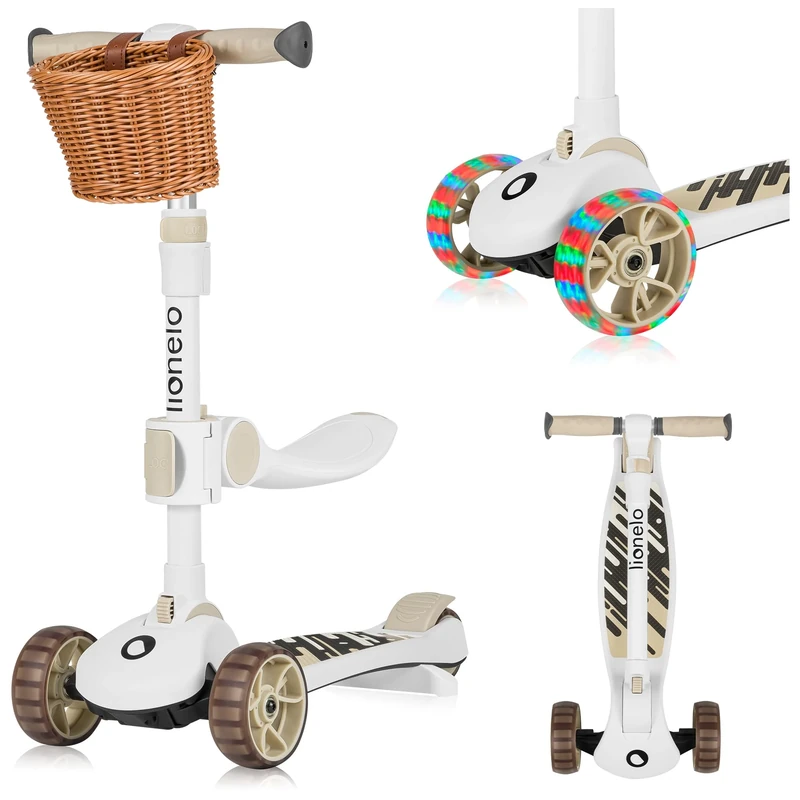
Lionelo Franky 2-in-1 Balance Bike and 3-Wheel Scooter
lionelo
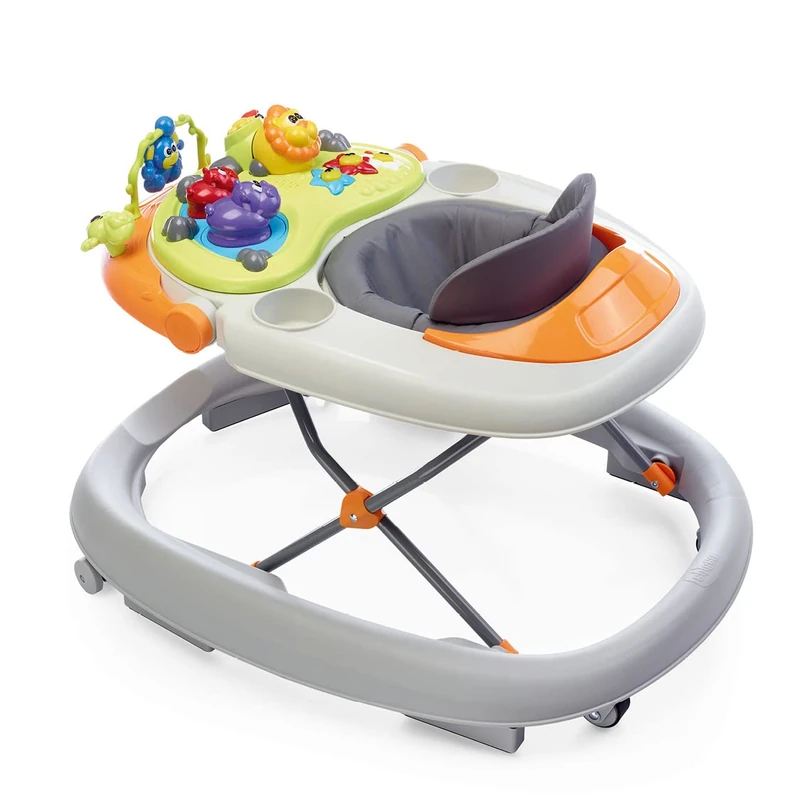
Chicco Walky Talky Walker - Adjustable Jungle Theme Activity Center
Chicco

Cow & Gate 2 Follow On Baby Milk Powder 800g (Pack of 6)
Cow & Gate
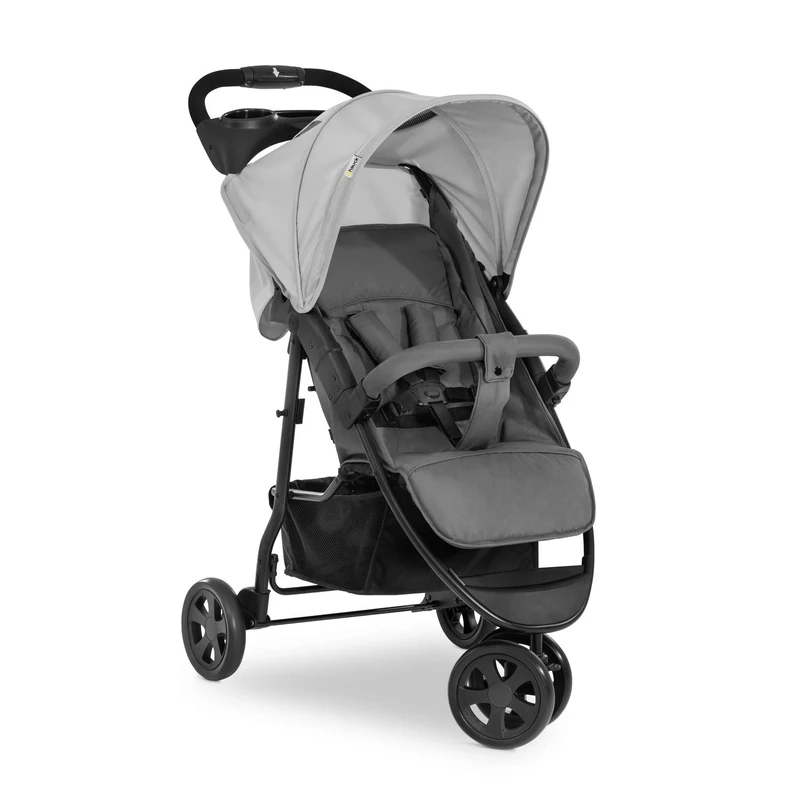
Hauck Citi Neo 3 Lightweight 3-Wheeled Pushchair - Grey
hauck
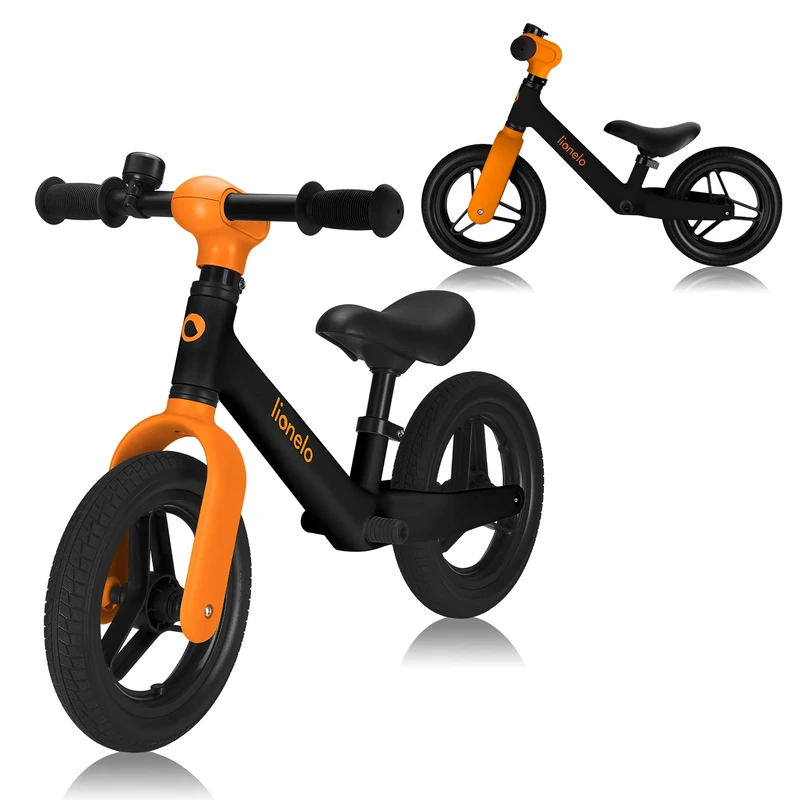
Lionelo Toni 10-Inch Balance Bike - Lightweight for Toddlers
lionelo
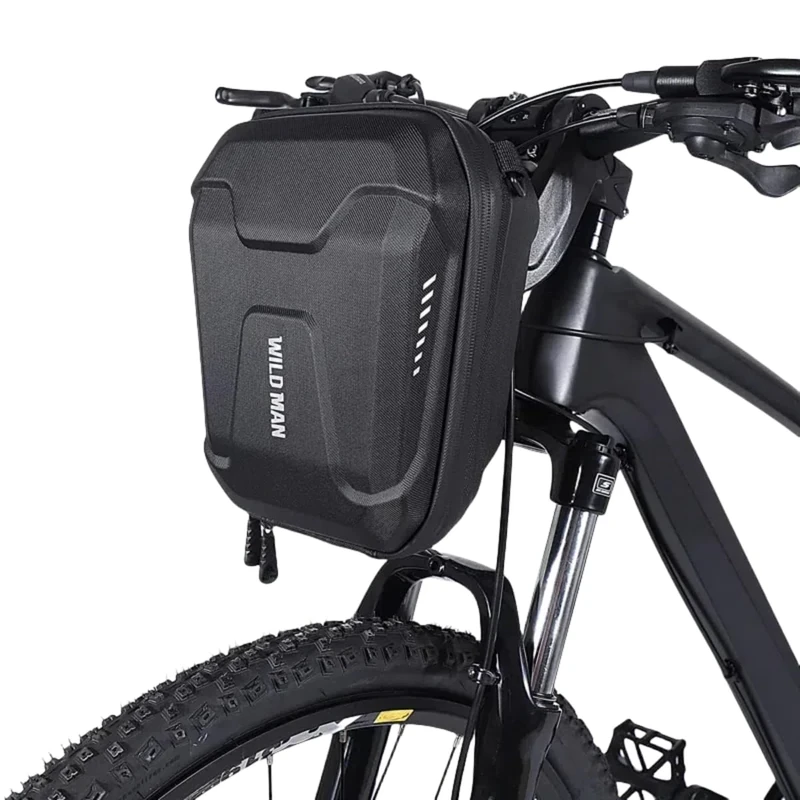
WILD MAN Quick Release 3L Hard Shell Rainproof Scooter Storage Bag for Kick Scooters Folding Bike Kick Board Handlebar Bag MTB (E8)
WILD MAN
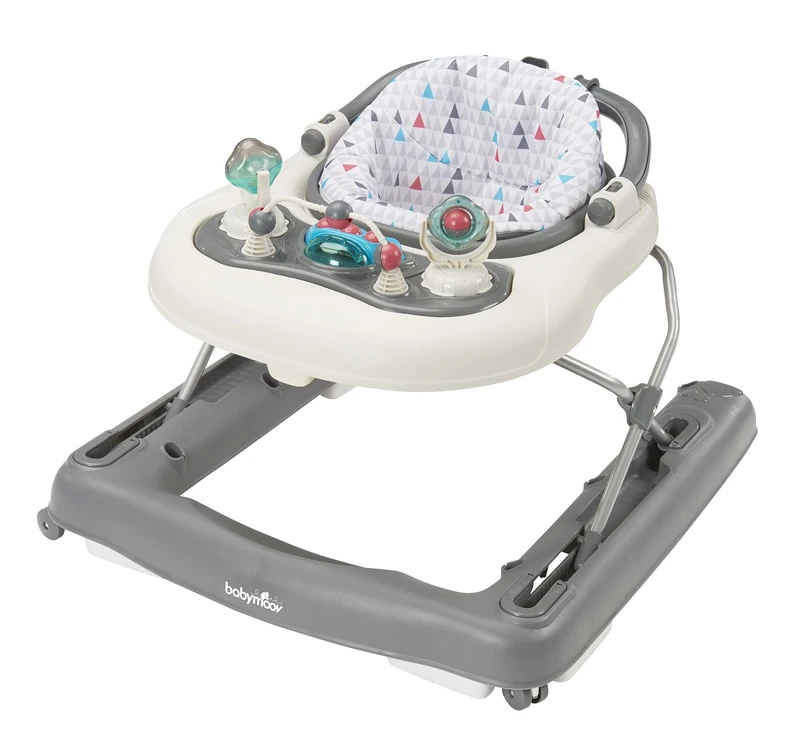
Babymoov Zinc 2-in-1 Baby Walker and Push Toy
Babymoov
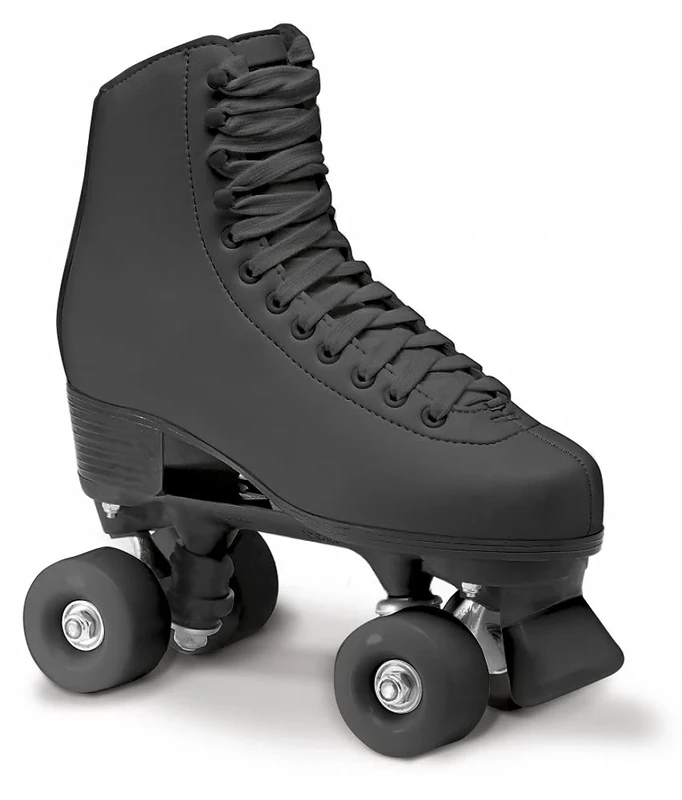
Roces RC1 Classic Roller Skates Artistic, Quad 4 Wheels Skating, for Man and Woman, Unisex, Adult
ROCES
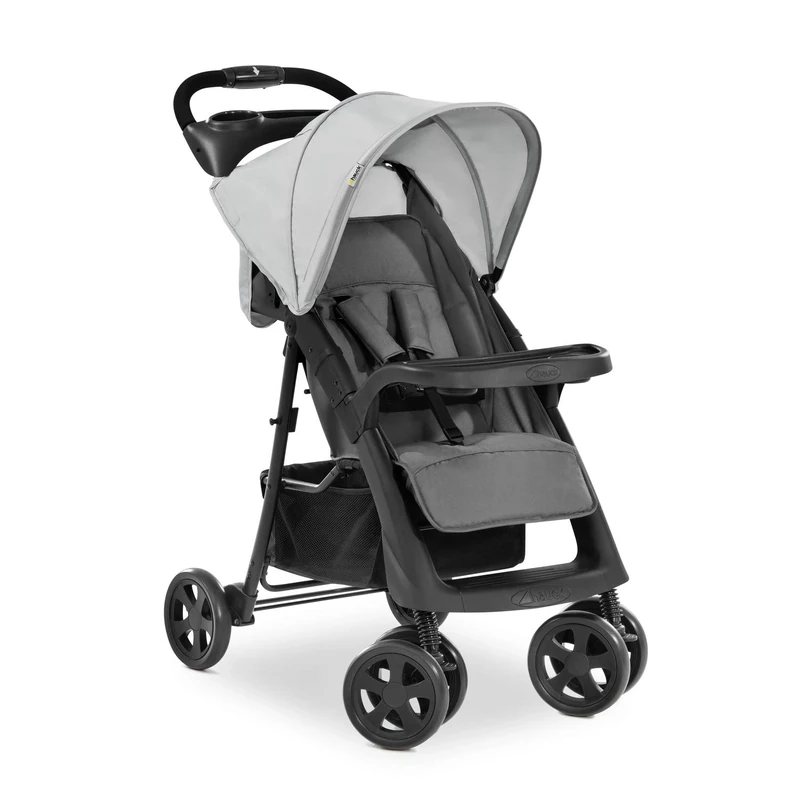
Hauck Shopper Neo II Lightweight Grey Pushchair - Compact Fold
hauck
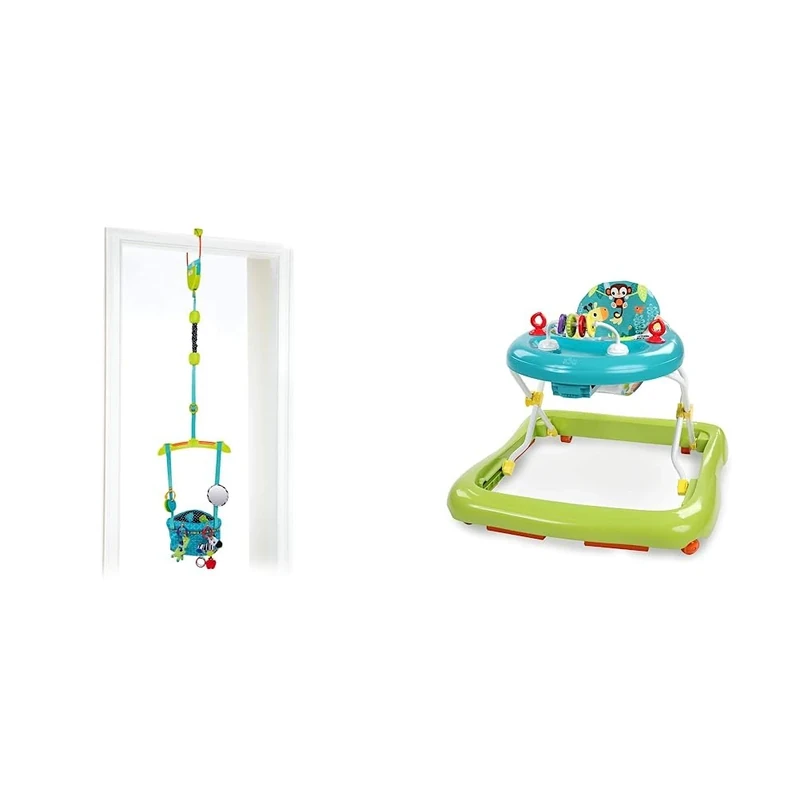
Bright Starts Door Jumper and Giggling Safari Walker Set
Bright Starts
Price unavailable