We can't find the internet
Attempting to reconnect
Something went wrong
Hang in there while we get back on track
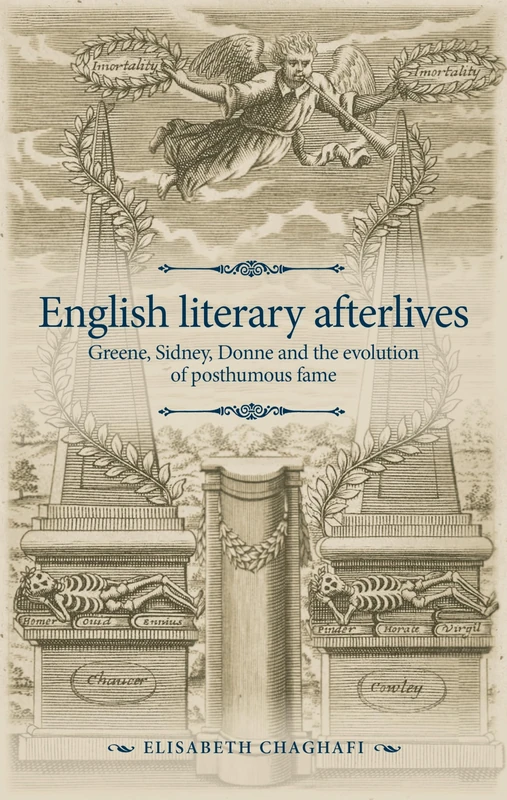
£59.99
Manchester University Press English Literary Afterlives: Greene, Sidney, Donne and the Evolution of Posthumous Fame (The Manchester Spenser)
Price data last checked 67 day(s) ago - refreshing...
We'll watch every seller, every day. One email when your price arrives.
It has never been this cheap. We have no record of a lower price.
£60 today · cheaper than every other day in the last 3 months
NEW HERE?
Amazon shows you one price. We show you all of them.
Tosheroon watches Amazon prices so you don't have to. Every product on Amazon has a price history — we make it visible. Set the price you'd actually pay, and we'll email you the second it gets there. No app, no account, one email.
WHAT'S ON THIS PAGE
when this has been cheap or pricey
where the price is heading next
all-time high & low, recent range
name your number, we'll email you
Price History & Forecast
Grey patches = out of stock. Cheaper = lower on the chart. Hover for exact prices.
Last 24 days · 24 data points (no recent data)
Price Distribution
Price distribution over 24 days • 1 price levels
Price Analysis
Most common price: £60 (24 days, 100.0%)
Price range: £60 - £60
Price levels: 1 different prices over 24 days
Description
Product Specifications
- Format
- hardcover
- ASIN
- 1526144956
- Domain
- Amazon UK
- Release Date
- 15 November 2019
- Listed Since
- 06 June 2019
Barcode
No barcode data available
Similar Products You Might Like

Spenser and Ovid by Syrithe Pugh - Routledge Academic Book
Routledge

Chaucer’s Fame in Britannia 1641–1700: Volume 572 (Medieval and Renaissance Texts and Studies)
Wiley

The Poet and the Antiquaries: Chaucerian Scholarship and the Rise of Literary History, 1532-1635 (Published in cooperation with the Folger Shakespeare Library)
University of Pennsylvania Press

Essays in Later Medieval French Literature: The Legacy of Jane H. M. Taylor (Durham Modern Languages Series)
Manchester University Press

The Burley Manuscript (The Manchester Spenser)
Manchester University Press
Perspectives on Renaissance Poetry
Bloomsbury

British Literature 1640-1789: A Critical Reader (Blackwell Critical Reader)
Wiley-Blackwell

Reading Poetry
Manchester University Press

The Reception of Chaucer's Shorter Poems, 1400-1450: Female Audiences, English Manuscripts, French Contexts: 48 (Chaucer Studies)
Boydell Press

Chaucer and the City
Boydell Press

The Forgotten Chaucer Scholarship of Mary Eliza Haweis, 1848–1898
Routledge

Chaucer to Spenser: An Anthology (Blackwell Anthologies)
Wiley-Blackwell
St Francis and Cultural Memory: The Franciscans and English National Identity from Chaucer to the Gothic
Oxford University Press

Thomas Hoccleve: Religious Reform, Transnational Poetics, and the Invention of Chaucer (Exeter Medieval Texts and Studies)
Liverpool University Press

Shakespeare in Psychoanalysis (Accents on Shakespeare)
Routledge

The Oxford History of Classical Reception in English Literature: Volume 2: 1558-1660
Oxford University Press

Seventeenth-Century Poetry: An Annotated Anthology (Blackwell Annotated Anthologies)
Wiley-Blackwell
Routledge The Ashgate Research Companion to The Sidneys Vol 1
Routledge
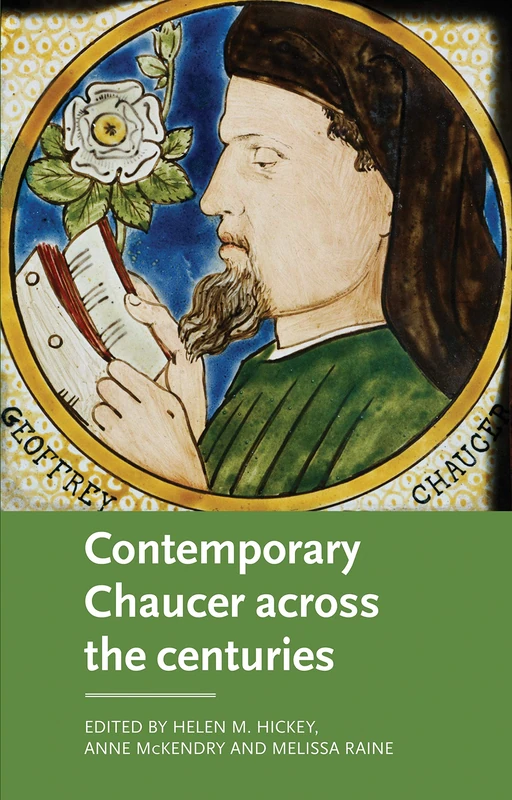
Contemporary Chaucer Across the Centuries: Essays for Stephanie Trigg (Manchester Medieval Literature and Culture)
Manchester University Press

Shorter Poems of Spenser (Paper)
Yale University Press
Chaucerian Realism: The Case of Education and Training
Boydell Press

Chaucerian Fiction: 1687 (Princeton Legacy Library)
Princeton University Press