We can't find the internet
Attempting to reconnect
Something went wrong
Hang in there while we get back on track
£36.31
It has never been this cheap. We have no record of a lower price.
£36 today · cheaper than every other day in the last 3 months
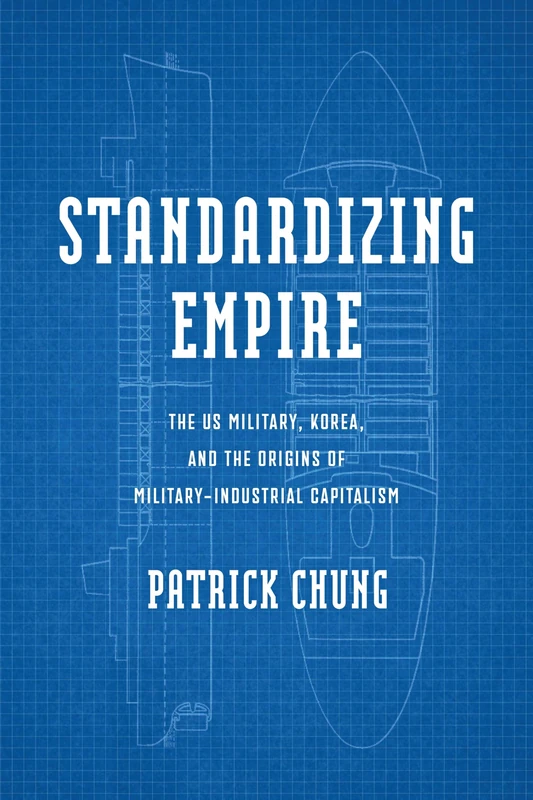
University of Pennsylvania Museum Publications Standardizing Empire: The US Military, Korea, and the Origins of Military-Industrial Capitalism (Power, Politics, and the World)
Price data last checked 50 day(s) ago - refreshing...
We'll watch every seller, every day. One email when your price arrives.
Price History & Forecast
Grey patches = out of stock. Cheaper = lower on the chart. Hover for exact prices.
Last 41 days · 41 data points (no recent data)
Price data last checked 50 day(s) ago - refreshing...
NEW HERE?
Amazon shows you one price. We show you all of them.
Tosheroon watches Amazon prices so you don't have to. Every product on Amazon has a price history — we make it visible. Set the price you'd actually pay, and we'll email you the second it gets there. No app, no account, one email.
WHAT'S ON THIS PAGE
when this has been cheap or pricey
where the price is heading next
all-time high & low, recent range
name your number, we'll email you
Price Distribution
Price distribution over 41 days • 1 price levels
Price Analysis
Most common price: £36 (41 days, 100.0%)
Price range: £36 - £36
Price levels: 1 different prices over 41 days
Description
Product Specifications
- Format
- hardcover
- ASIN
- 1512828734
- Category
- Books > Subjects > Business, Finance & Law > Biographies & Histories > Business & Economic History
- Domain
- Amazon UK
- Release Date
- 07 April 2026
- Listed Since
- 08 February 2025
Barcode
No barcode data available
Similar Products You Might Like
China's Industrial Policies and Economic Restructuring - Routledge
Routledge
China's Industrial Development In The 21st Century: 27 (SERIES ON CONTEMPORARY CHINA)
World Scientific Publishing Company
The World Market for Hot-Rolled Iron or Non-Alloy Steel Flat-Rolled Products in Coils (Yield Points) At Least 600 mm Wide or 4.75 mm Thick: A 2007 Global Trade Perspective
The 2007 Import and Export Market for Analog or Hybrid (Analog-Digital) Data Processing Machines in United States
The 2007 Import and Export Market for Mens and Boys Suit Jackets and Blazers of Woven Textile Materials in South Korea

The 2007 Import and Export Market for Builders Plastic Wares in South Korea
The 2007 Import and Export Market for Parts of Lifts, Skip Hoists, or Escalators in United States
The 2007 Import and Export Market for Machinery for Making or Finishing Paper or Paperboard in United States
The 2007 Import and Export Market for Oxides of Zinc, Chromium, Manganese, Iron, Cobalt, Titanium, and Lead in United States
The 2007 Import and Export Market for Aluminum Containers for Compressed Air or Liquefied Gas in United States

The 2007 Import and Export Market for Machinery for Cleaning or Drying Bottles or Other Containers in United States
The 2007 Import and Export Market for Parts of Articulated Link Chain in United States
The 2007 Import and Export Market for Copper, Copper Anodes for Electrolytic Refining, and Unwrought Copper Alloys in United States
The 2007 Import and Export Market for Transmission Shafts, Cranks, and Cam and Crank Shafts in United States
The 2007 Import and Export Market for Polyamides in Primary Forms in United States
The 2007 Import and Export Market for Corrugated Paper or Paperboard Cartons, Boxes, and Cases in United States
The 2007 Import and Export Market for Metal-Rolling Mills Including Its Rolls and Other Parts in United States
The 2007 Import and Export Market for Halogenated Derivatives of Hydrocarbons in United States
The 2007 Import and Export Market for Unwrought or Powdered Platinum Group Metals and Alloys Excluding Platinum in United States
The 2007 Import and Export Market for Dividing Heads and Other Special Attachments for Machine Tools in United States
The 2007 Import and Export Market for Lubricating Preparations Containing Oils or Greases from Sources Other Than Petroleum or Bituminous Minerals in United States
The 2007 Import and Export Market for Converters, Ingot Molds, and Ladles Used in Metallurgy or Metal Foundries in United States
The 2007 Import and Export Market for Labels, Badges, and Similar Articles of Textile Materials in United States