We can't find the internet
Attempting to reconnect
Something went wrong
Hang in there while we get back on track
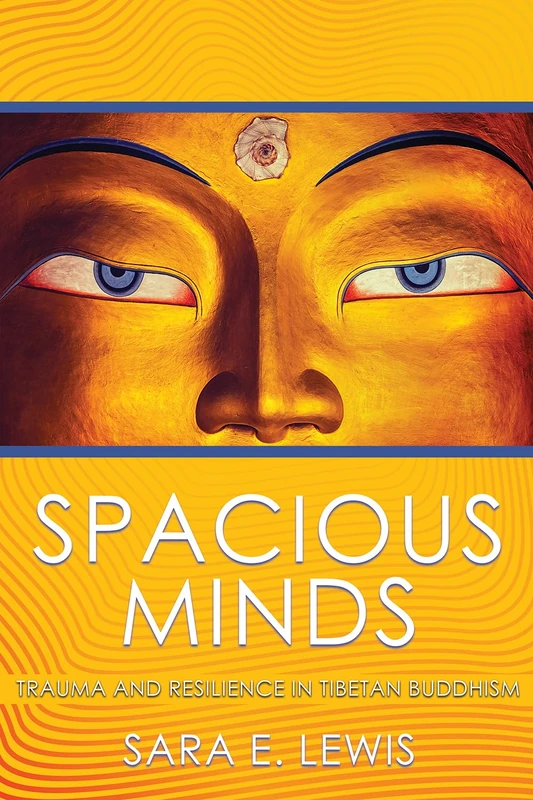
£104.00
Cornell University Press Spacious Minds: Trauma and Resilience in Tibetan Buddhism
Price data last checked 10 day(s) ago - will refresh soon
We'll watch every seller, every day. One email when your price arrives.
It has never been this cheap. We have no record of a lower price.
£104 today · cheaper than every other day in the last 3 months
NEW HERE?
Amazon shows you one price. We show you all of them.
Tosheroon watches Amazon prices so you don't have to. Every product on Amazon has a price history — we make it visible. Set the price you'd actually pay, and we'll email you the second it gets there. No app, no account, one email.
WHAT'S ON THIS PAGE
when this has been cheap or pricey
where the price is heading next
all-time high & low, recent range
name your number, we'll email you
Price History & Forecast
Grey patches = out of stock. Cheaper = lower on the chart. Hover for exact prices.
Last 81 days · 81 data points (no recent data)
Price Distribution
Price distribution over 81 days • 1 price levels
Price Analysis
Most common price: £104 (81 days, 100.0%)
Price range: £104 - £104
Price levels: 1 different prices over 81 days
Description
Product Specifications
- Brand
- Cornell University Press
- Format
- hardcover
- ASIN
- 1501715348
- Domain
- Amazon UK
- Release Date
- 15 February 2020
- Listed Since
- 02 April 2019
Barcode
No barcode data available
Similar Products You Might Like
Buddhist Thought and Applied Psychological Research: Transcending the Boundaries (Routledge Critical Studies in Buddhism)
Routledge
The Zen Monkey and the Lotus Flower 2 - 52 Mindfulness Stories
Routledge - Trans-Himalayan Buddhism Academic Book
Routledge

Tibetan Environmentalists in China: The King of Dzi (Studies in Modern Tibetan Culture)
Lexington Books
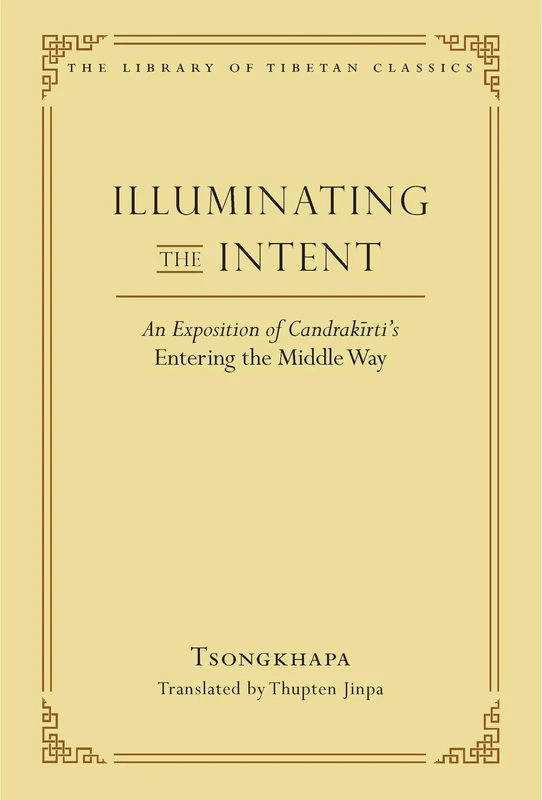
Wisdom Publications - Illuminating the Intent Book
Wisdom Publications
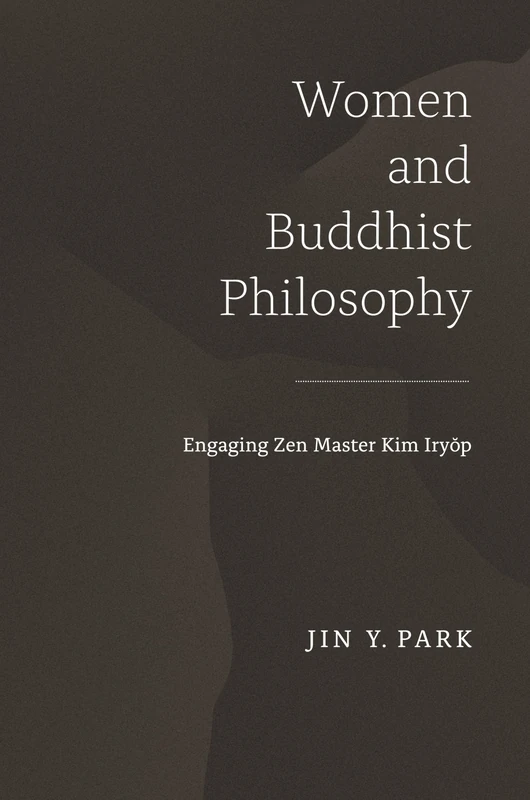
Women and Buddhist Philosophy: Engaging Zen Master Kim Iryŏp (Studies of the International Center for Korean Studies, Korea University)
University of Hawaii Press
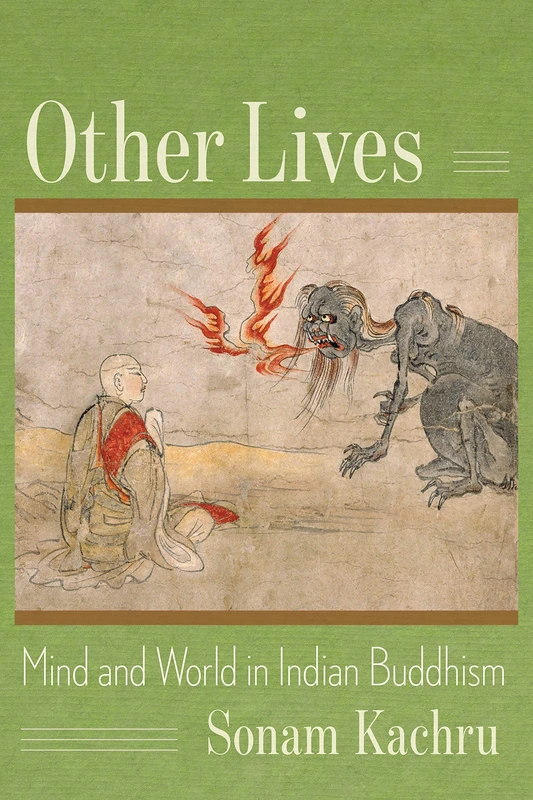
Other Lives: Mind and World in Indian Buddhism
Columbia University Press
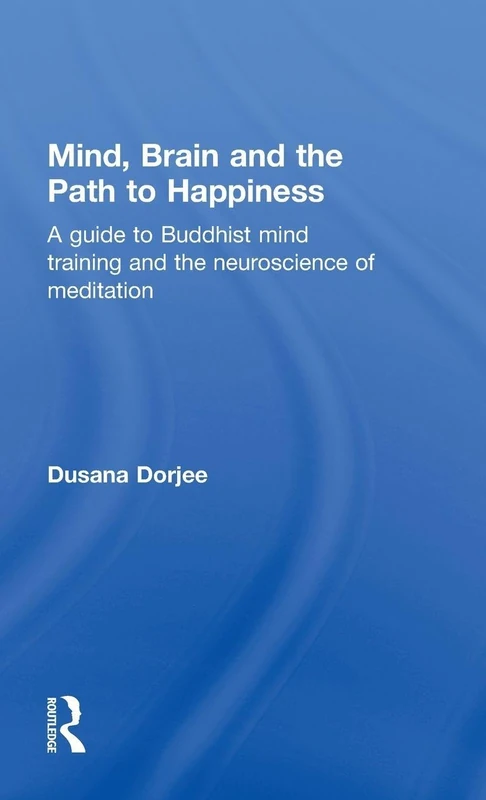
Mind, Brain and the Path to Happiness: A GUIDE TO BUDDHIST MIND TRAINING AND THE NEUROSCIENCE OF MEDITATION
Routledge

The Madman′s Middle Way – Reflections on Reality of the Modernist Tibetan Monk Gendun Chopel (Buddhism and Modernity)
University of Chicago Press
Performance in a Time of Terror: Five Sinhala Plays from Sri Lanka
Routledge
Buddhism and Healing in the Modern World
University of Hawaii Press
Tibet's Last Stand?: The Tibetan Uprising of 2008 and China's Response
Rowman & Littlefield Publishers