We can't find the internet
Attempting to reconnect
Something went wrong
Hang in there while we get back on track
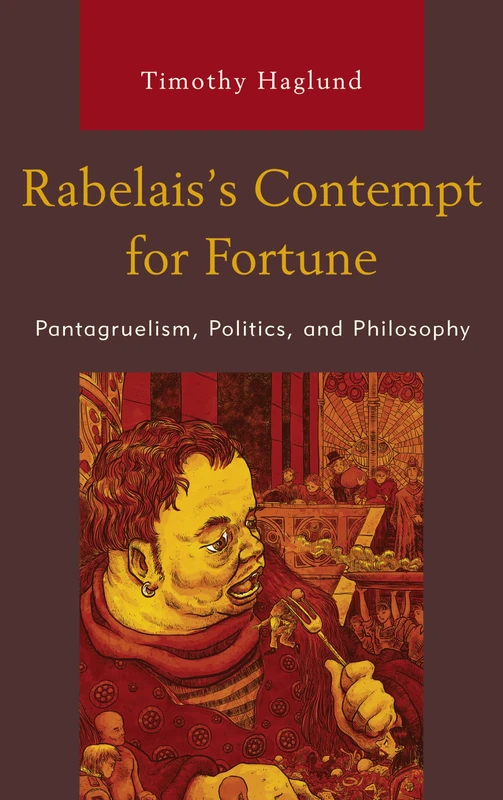
£76.43
This is the most expensive it has ever been. Walk away.
£76 today · previous high £76 · all-time low £76
Bloomsbury Rabelais’s Contempt for Fortune: Pantagruelism, Politics, and Philosophy (Politics, Literature, & Film)
We'll watch every seller, every day. One email when your price arrives.
Price History & Forecast
Grey patches = out of stock. Cheaper = lower on the chart. Hover for exact prices.
Last 61 days · 61 data points (no recent data)
NEW HERE?
Amazon shows you one price. We show you all of them.
Tosheroon watches Amazon prices so you don't have to. Every product on Amazon has a price history — we make it visible. Set the price you'd actually pay, and we'll email you the second it gets there. No app, no account, one email.
WHAT'S ON THIS PAGE
when this has been cheap or pricey
where the price is heading next
all-time high & low, recent range
name your number, we'll email you
Price Distribution
Price distribution over 61 days • 1 price levels
Price Analysis
Most common price: £76 (61 days, 100.0%)
Price range: £76 - £76
Price levels: 1 different prices over 61 days
Description
Product Specifications
- Brand
- Bloomsbury
- Format
- hardcover
- ASIN
- 1498575455
- Domain
- Amazon UK
- Release Date
- 15 December 2018
- Listed Since
- 06 September 2018
Barcode
No barcode data available
Similar Products You Might Like

LES REMEDES AUX DEUX FORTUNES: Volume 2, Notes et commentaires, Edition bilingue français-latin
MILLON
Female Intimacies in 17th-Century French Literature - Academic Study
Routledge
Visual Translation: Illuminated Manuscripts and the First French Humanists (Conway Lectures in Medieval Studies)
University of Notre Dame Press

Theatre Complet: Trois Comedies Des Six Dernieres (La Constance, Le Fidelle, Les Tromperies): 60 (Bibliotheque Du Theatre Francais)
Classiques Garnier
Loss and the Literary Culture of Shakespeare’s Time (Early Modern Literature in History)
MACMILLAN

Philip Roth: American Pastoral, the Human Stain, the Plot Against America (Continuum Studies in Contemporary North American Fiction)
Bloomsbury

Michel de Montaigne: Accidental Philosopher
Cambridge University Press
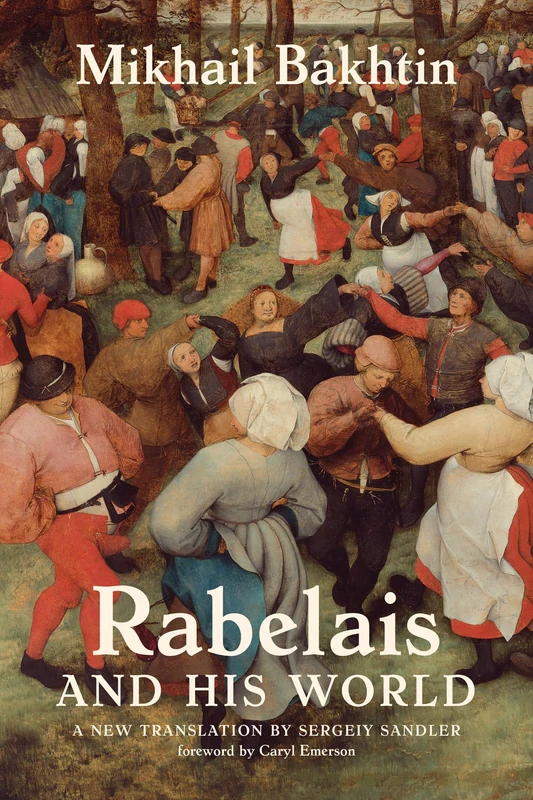
Rabelais and His World, Revised Edition
MIT Press

The Contested Parterre: Public Theater and French Political Culture, 1680–1791
Cornell University Press
The Political Strategy and Philosophy Reader Including (complete and Unabridged): Plato's Republic, Sun Tzu's The Art of War, Machiavelli's The Prince, Thomas More's Utopia and Hobbes' Leviathan
Benediction Classics
Philosophical Horizons: Introductory Readings
Cengage Learning

The Smile of Truth: The French Satirical Eulogy and Its Antecedents: 1074 (Princeton Legacy Library)
Princeton University Press

Textual Spaces: French Renaissance Writings on the Italian Voyage (Early Modern Studies)
Penn State University Press

The Matter of Mind: Reason and Experience in the Age of Descartes
University of Toronto Press
Economies of Early Modern Drama: Shakespeare, Jonson, and Middleton
Oxford University Press
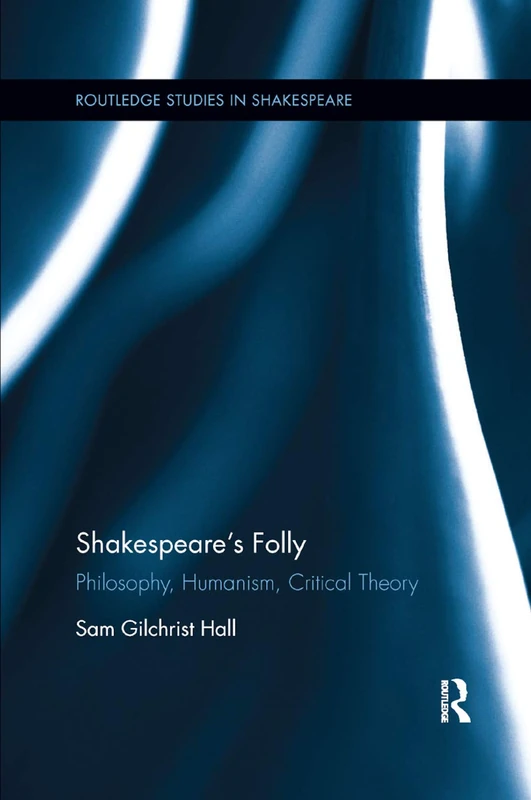
Shakespeare's Folly: Philosophy, Humanism, Critical Theory (Routledge Studies in Shakespeare)
Routledge

Francois Mitterrand: A Study in Political Leadership
Routledge

Instable Puente: La Constuccion Del Letrado Criollo En La Obra De Juan De Espinosa Medrano (North Carolina Studies in Romance Languages and Literature): 297
University of North Carolina Press