We can't find the internet
Attempting to reconnect
Something went wrong
Hang in there while we get back on track
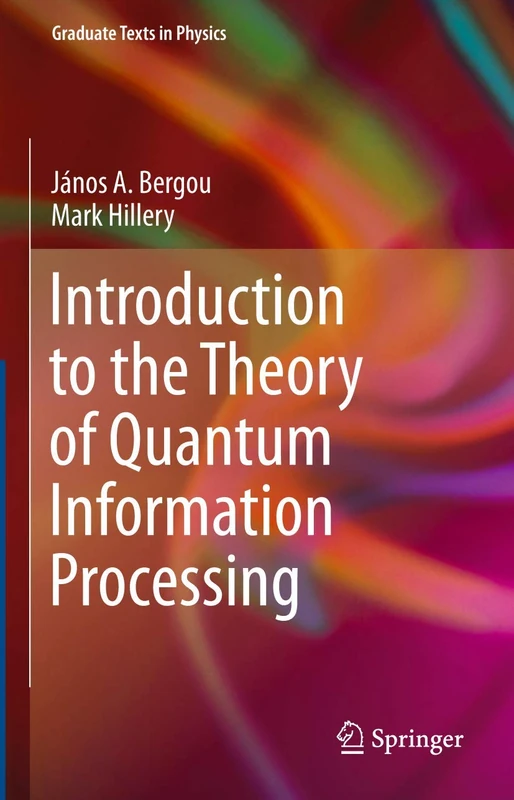
£49.56
It has never been this cheap. We have no record of a lower price.
£50 today · cheaper than every other day in the last 3 months
Springer Introduction to the Theory of Quantum Information Processing (Graduate Texts in Physics)
We'll watch every seller, every day. One email when your price arrives.
Price History & Forecast
Grey patches = out of stock. Cheaper = lower on the chart. Hover for exact prices.
Last 61 days · 61 data points (no recent data)
NEW HERE?
Amazon shows you one price. We show you all of them.
Tosheroon watches Amazon prices so you don't have to. Every product on Amazon has a price history — we make it visible. Set the price you'd actually pay, and we'll email you the second it gets there. No app, no account, one email.
WHAT'S ON THIS PAGE
when this has been cheap or pricey
where the price is heading next
all-time high & low, recent range
name your number, we'll email you
Price Distribution
Price distribution over 61 days • 1 price levels
Price Analysis
Most common price: £50 (61 days, 100.0%)
Price range: £50 - £50
Price levels: 1 different prices over 61 days
Description
Product Specifications
- Brand
- Springer
- Format
- paperback
- ASIN
- 1489998438
- Domain
- Amazon UK
- Release Date
- 15 June 2015
- Listed Since
- 04 June 2015
Barcode
No barcode data available
Similar Products You Might Like
PHASE IN OPTICS: 15 (WORLD SCIENTIFIC SERIES IN CONTEMPORARY CHEMICAL PHYSICS)
World Scientific Publishing Company
Optical Angular Momentum (Optics & Optoelectronics)
CRC Press
Lectures on Light: Nonlinear and Quantum Optics using the Density Matrix
Oxford University Press
Integrated Devices for Quantum Information with Polarization Encoded Qubits (Springer Theses)
Springer
Quantum Photonics (Graduate Texts in Physics)
Springer
Quantum-Limit Spectroscopy: 200 (Springer Series in Optical Sciences, 200)
Springer
Coherence and Quantum Optics VII: Proceedings of the Seventh Rochester Conference on Coherence and Quantum Optics, held at the University of Rochester, June 7–10, 1995
Springer
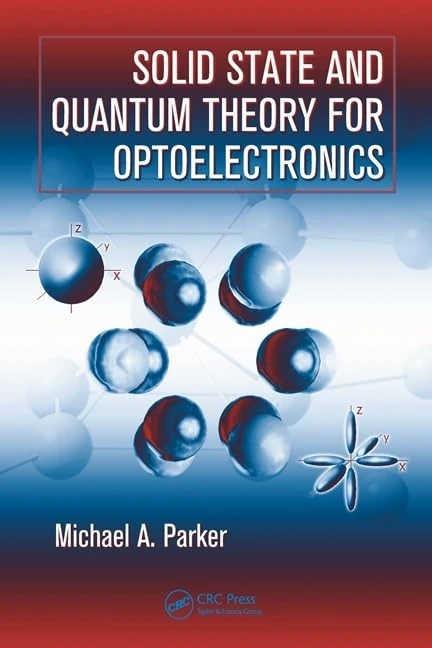
Solid State and Quantum Theory for Optoelectronics
CRC Press
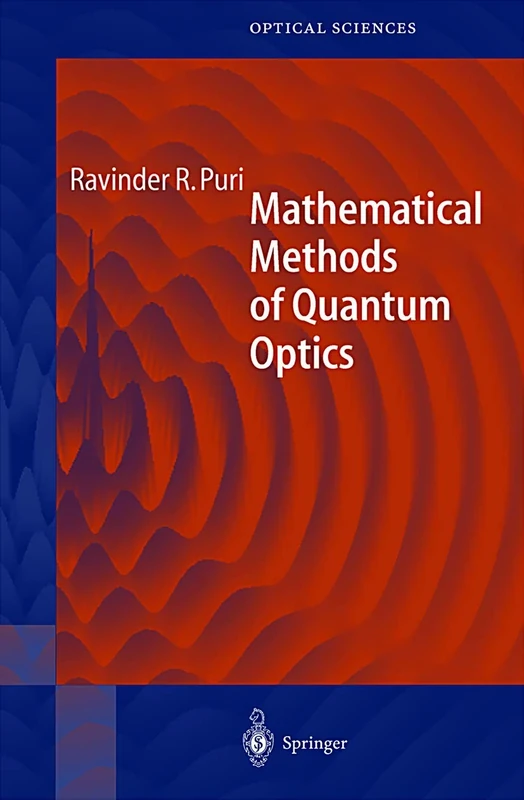
Mathematical Methods of Quantum Optics: 79 (Springer Series in Optical Sciences, 79)
Springer
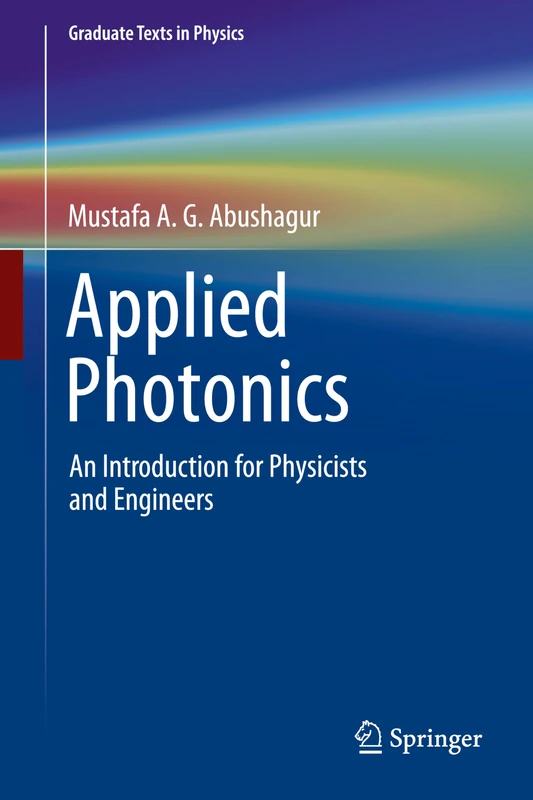
Applied Photonics: An Introduction for Physicists and Engineers (Graduate Texts in Physics)
Springer
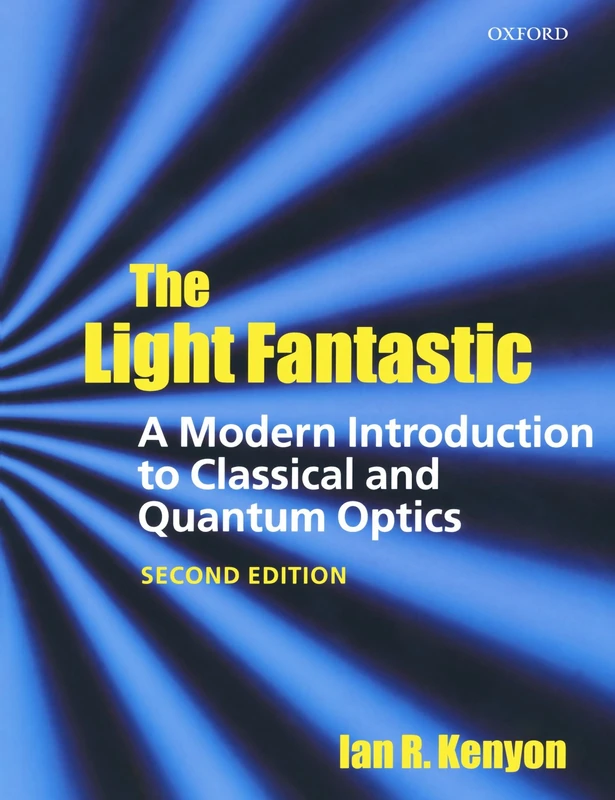
The Light Fantastic: A Modern Introduction to Classical and Quantum Optics
Oxford University Press
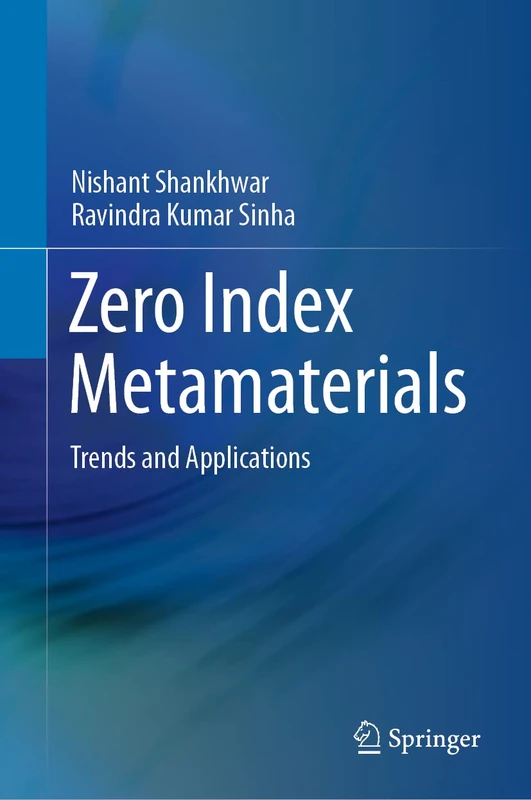
Zero Index Metamaterials: Trends and Applications
Springer
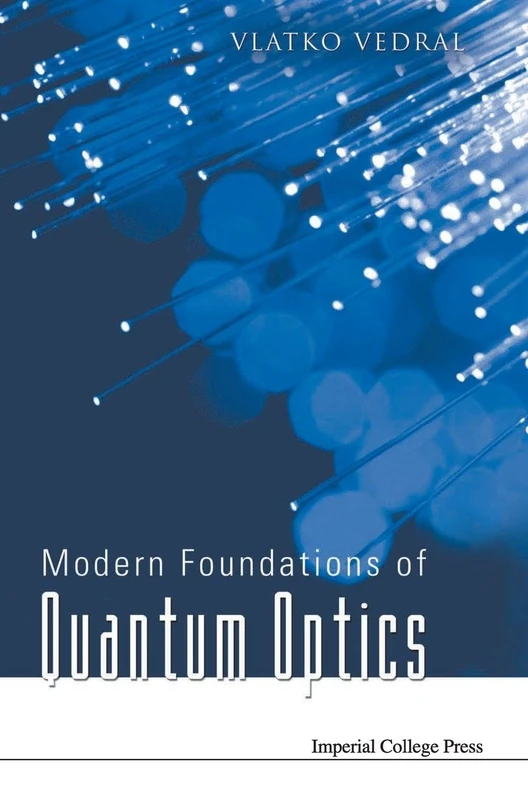
MODERN FOUNDATIONS OF QUANTUM OPTICS
Imperial College Press
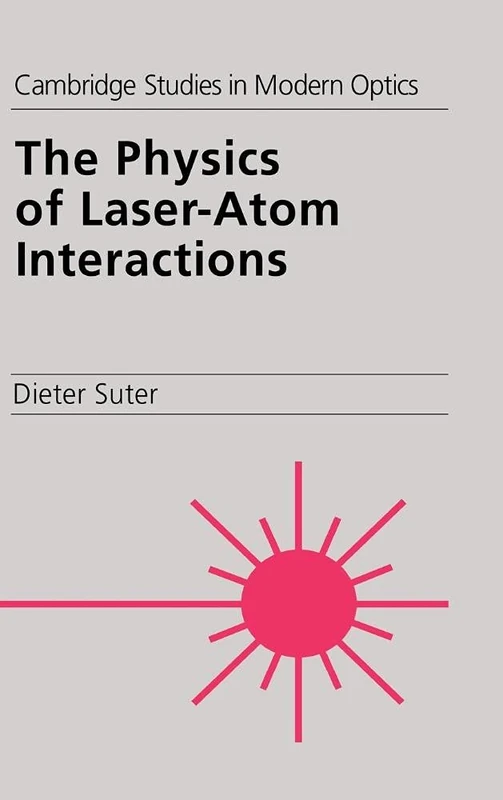
The Physics of Laser-Atom Interactions: 19 (Cambridge Studies in Modern Optics, Series Number 19)
Cambridge University Press
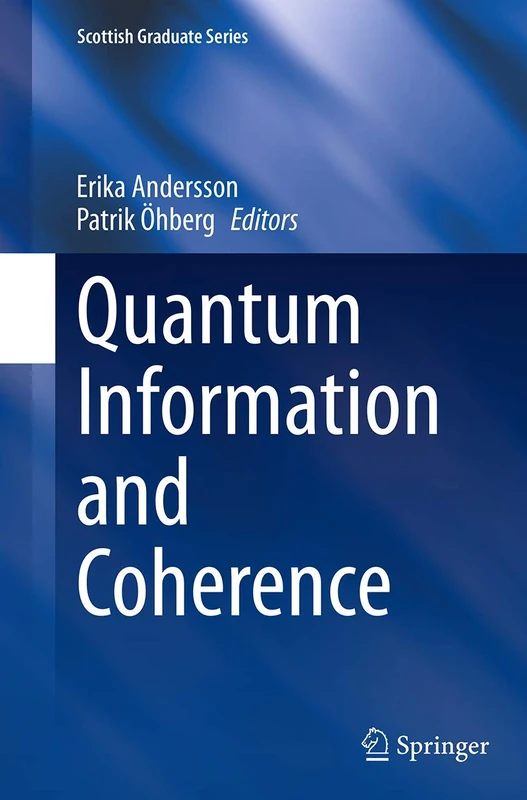
Quantum Information and Coherence (Scottish Graduate Series)
Springer

Optical Nanomanipulation (IOP Concise Physics)
Morgan & Claypool
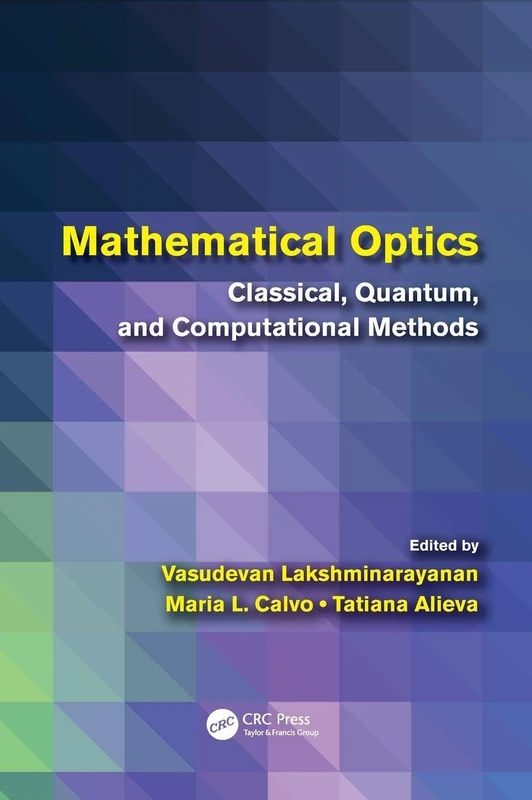
Mathematical Optics: Classical, Quantum, and Computational Methods
CRC Press
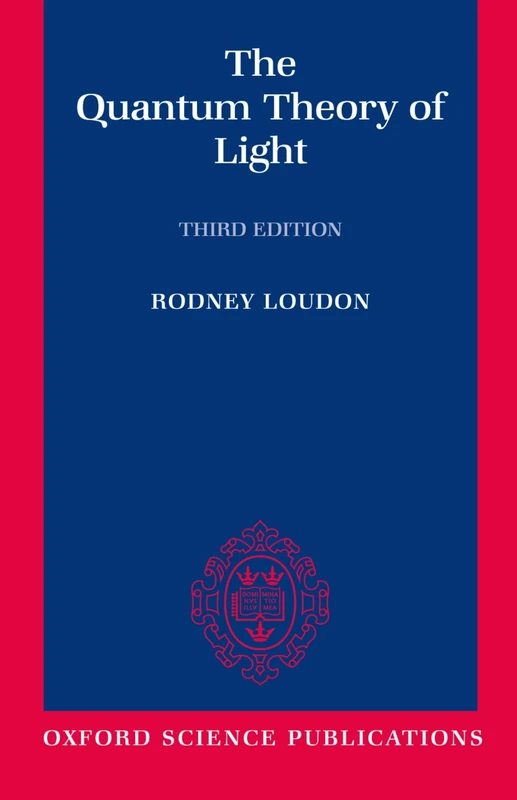
Oxford University Press - Quantum Theory of Light 3E Paper
Oxford University Press