We can't find the internet
Attempting to reconnect
Something went wrong
Hang in there while we get back on track
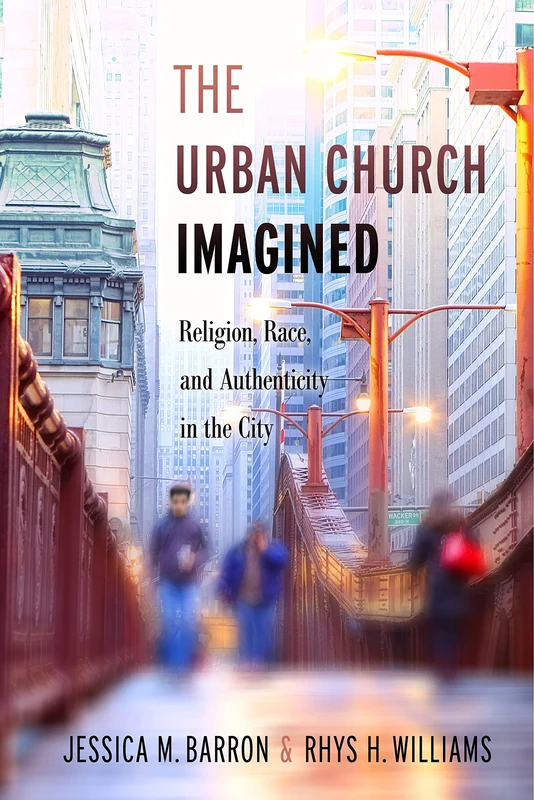
£71.00
It has never been this cheap. We have no record of a lower price.
£71 today · cheaper than every other day in the last 3 months
NYU Press The Urban Church Imagined: Religion, Race, and Authenticity in the City
We'll watch every seller, every day. One email when your price arrives.
Price History & Forecast
Grey patches = out of stock. Cheaper = lower on the chart. Hover for exact prices.
Last 47 days · 47 data points (no recent data)
NEW HERE?
Amazon shows you one price. We show you all of them.
Tosheroon watches Amazon prices so you don't have to. Every product on Amazon has a price history — we make it visible. Set the price you'd actually pay, and we'll email you the second it gets there. No app, no account, one email.
WHAT'S ON THIS PAGE
when this has been cheap or pricey
where the price is heading next
all-time high & low, recent range
name your number, we'll email you
Price Distribution
Price distribution over 47 days • 1 price levels
Price Analysis
Most common price: £71 (47 days, 100.0%)
Price range: £71 - £71
Price levels: 1 different prices over 47 days
Description
Product Specifications
- Brand
- NYU Press
- Format
- hardcover
- ASIN
- 1479877662
- Domain
- Amazon UK
- Release Date
- 28 November 2017
- Listed Since
- 01 April 2017
Barcode
No barcode data available
Similar Products You Might Like
The Divine Institution: White Evangelicalism's Politics of the Family
Rutgers University Press
American Evangelicals: Conflicted on Islam (Bloomsbury Advances in Religious Studies)
Bloomsbury
Political and Religious Identities of British Evangelicals
MACMILLAN
Christian Citizens: Reading the Bible in Black and White in the Postemancipation South
University of North Carolina Press
“Same Is Better”: A Qualitative Study of Latinx and White Young Adults in Churches of Christ in the Southwestern U.S.
Bloomsbury
Emerging Evangelicals: Faith, Modernity, and the Desire for Authenticity
NYU Press
Living Faithfully with Disappointment in the Church
Routledge
Preaching to Possible Selves: A Contextual Homiletic for Second Generation Korean Americans
Peter Lang Gmbh, Internationaler Verlag Der Wissenschaften
Religious Entrepreneurism in China’s Urban House Churches: The Rise and Fall of Early Rain Reformed Presbyterian Church (Routledge Studies in Religion)
Routledge
Churches, Blackness, and Contested Multiculturalism: Europe, Africa, and North America (Black Religion/Womanist Thought/Social Justice)
MACMILLAN

A Plea for British Black Theologies, Volume 1: The Black Church Movement in Britain in Its Transatlantic Cultural and Theological Interaction with ... Oneness (Apostolic) and Sabbatarian Movements
Wipf and Stock
Evangelicalism: An Americanized Christianity - Routledge
Routledge

Religion and Racism: Exploring the Paradox―Can You Be a Christian and a Racist?
Peter Lang Gmbh, Internationaler Verlag Der Wissenschaften
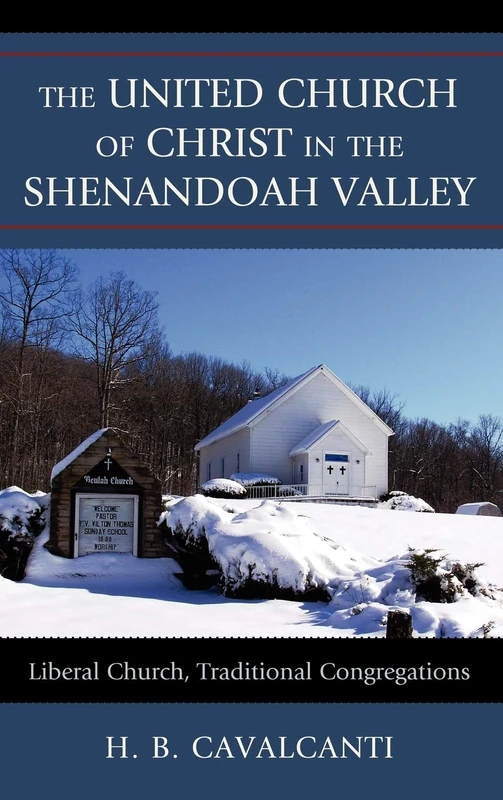
The United Church of Christ in the Shenandoah Valley: Liberal Church, Traditional Congregations
Lexington Books
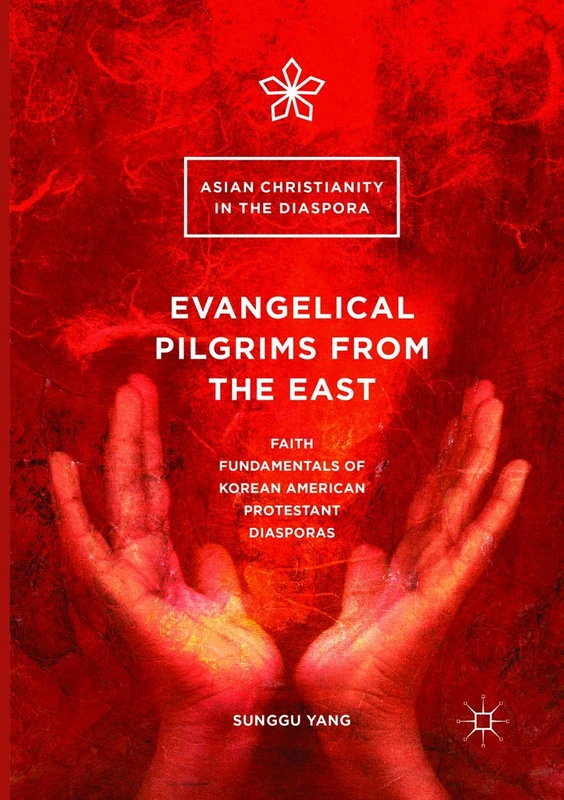
Evangelical Pilgrims from the East: Faith Fundamentals of Korean American Protestant Diasporas (Asian Christianity in the Diaspora)
Palgrave
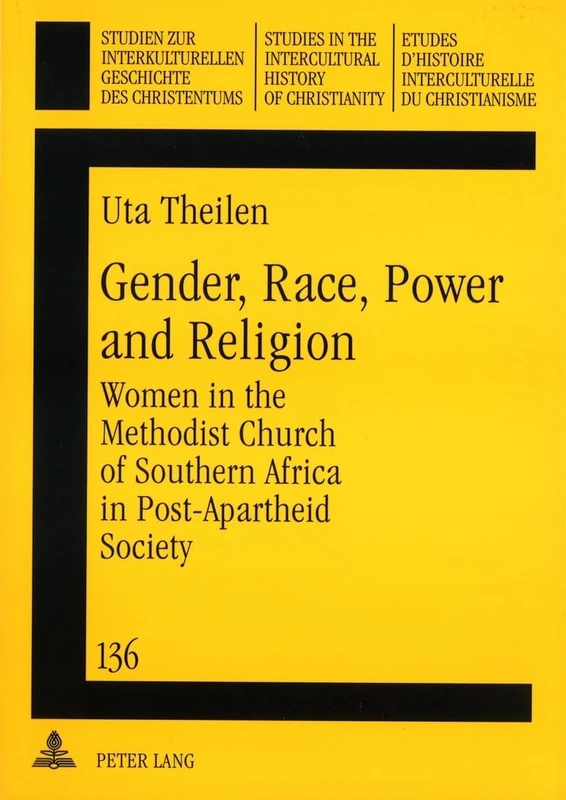
Gender, Race, Power and Religion: Women in the Methodist Church of Southern Africa in Post-Apartheid Society: 136 (Studien zur interkulturellen ... in the Intercultural History of Christianity)
Peter Lang Gmbh, Internationaler Verlag Der Wissenschaften

Protestant Evangelical Literary Culture and Contemporary Society (Contributions to the Study of Religion)
Bloomsbury
Russlanddeutsche Evangelikale - Band 1: Grundzüge des historischen und theologischen Hintergrunds russlanddeutscher Freikirchen
GRIN Verlag
Korean, Asian, or American?: The Identity, Ethnicity, and Autobiography of Second-Generation Korean American Christians
University Press of America
Show Us How You Do It: Marshall Keeble and the Rise of Black Churches of Christ in the United States, 1914-1968 (Religion and American Culture)
University Alabama Press
Navigating Moments of Hesitation: Portraits of Evangelical English Language Arts Teachers (Critical Perspective on Religion and Education)
Myers Education Press
Bishop Charles H. Mason in the Age of Jim Crow: The Struggle for Religious and Moral Uplift
Bloomsbury
Interreligious Resilience: Interreligious Leadership for a Pluralistic World
Bloomsbury
Propaganda: 8 (Main Trends of the Modern World)
NYU Press