We can't find the internet
Attempting to reconnect
Something went wrong
Hang in there while we get back on track

£124.34
Springer Parallel Computing Using Optical Interconnections: 468 (The Springer International Series in Engineering and Computer Science)
Price data checked 4 days ago
We'll watch every seller, every day. One email when your price arrives.
This is the most expensive it has ever been. Walk away.
£124 today · previous high £124 · all-time low £113
NEW HERE?
Amazon shows you one price. We show you all of them.
Tosheroon watches Amazon prices so you don't have to. Every product on Amazon has a price history — we make it visible. Set the price you'd actually pay, and we'll email you the second it gets there. No app, no account, one email.
WHAT'S ON THIS PAGE
when this has been cheap or pricey
where the price is heading next
all-time high & low, recent range
name your number, we'll email you
Price History & Forecast
Grey patches = out of stock. Cheaper = lower on the chart. Hover for exact prices.
Last 87 days · 87 data points (no recent data)
Price Distribution
Price distribution over 87 days • 3 price levels
Price Analysis
Most common price: £121 (67 days, 77.0%)
Price range: £113 - £124
Price levels: 3 different prices over 87 days
Description
Product Specifications
- Brand
- Springer
- Format
- paperback
- ASIN
- 1475771177
- Category
- Books > Subjects > Computing & Internet > Computer Science > Architecture & Microprocessors
- Domain
- Amazon UK
- Publication Date
- 08 March 2013
- Listed Since
- 20 September 2013
Barcode
No barcode data available
Similar Products You Might Like

Applied Parallel and Distributed Computing: 16

Advanced Computer Architectures
CRC Press

Parallele Algorithmen: 64 (Informatik-Fachberichte, 64)
Springer

Parallel Computing Works!
Elsevier
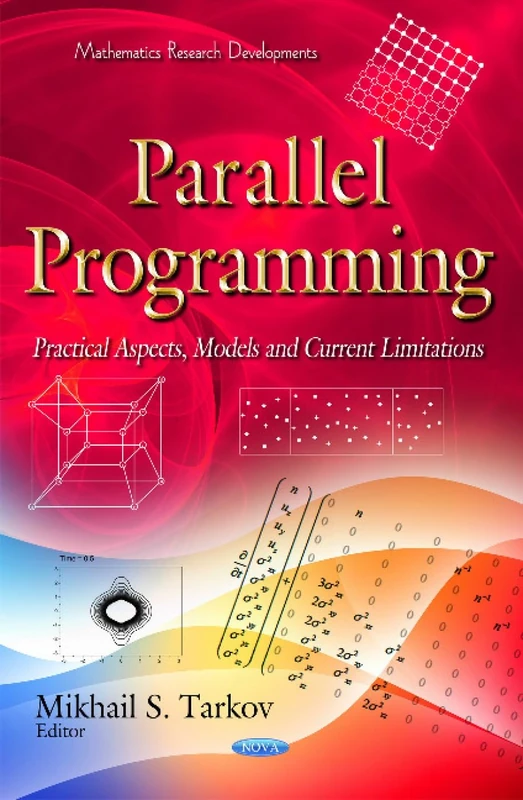
Parallel Programming: Practical Aspects, Models & Current Limitations (Mathematics Research Developments)
Nova Science Publishers Inc
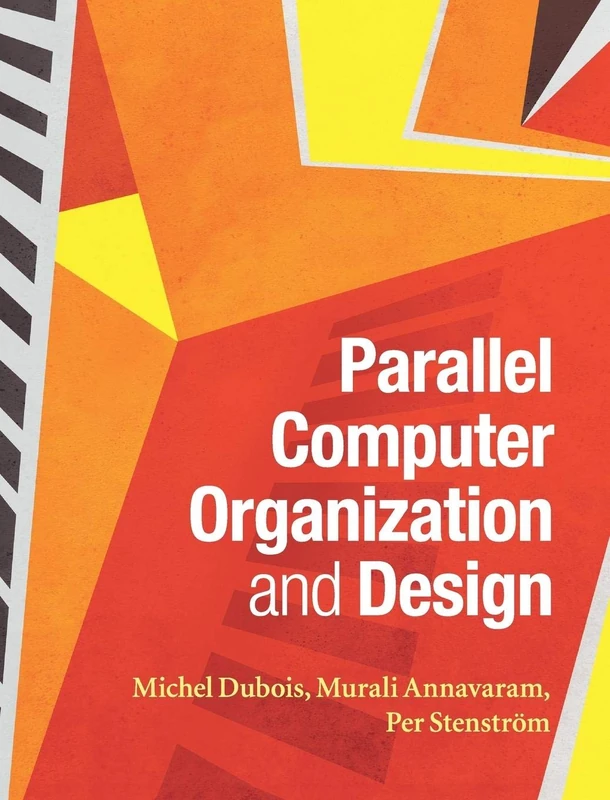
Parallel Computer Organization and Design
Cambridge University Press

ISPA 2004 Parallel and Distributed Processing - Conference Proceedings
Springer

Euro-Par 2003 Parallel Processing: 9th International Euro-Par Conference, Klagenfurt, Austria, August 26–29, 2003 Proceedings: 2790 (Lecture Notes in Computer Science, 2790)
Springer
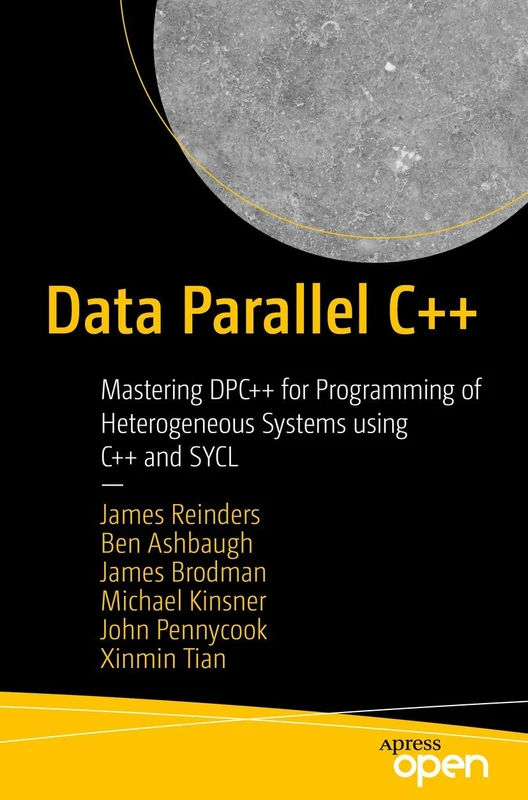
Data Parallel C++: Mastering DPC++ for Programming of Heterogeneous Systems using C++ and SYCL
Apress
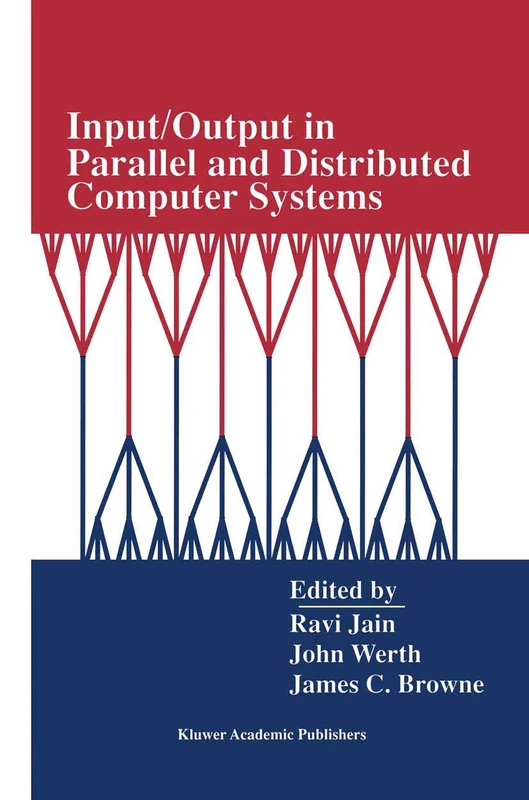
Input/Output in Parallel and Distributed Computer Systems: 362 (The Springer International Series in Engineering and Computer Science, 362)
Springer