We can't find the internet
Attempting to reconnect
Something went wrong
Hang in there while we get back on track

£82.16
It has never been this cheap. We have no record of a lower price.
£82 today · cheaper than every other day in the last 3 months
Springer Thermophiles: Biodiversity, Ecology, and Evolution: Biodiversity, Ecology, and Evolution
Price data last checked 29 day(s) ago - will refresh soon
We'll watch every seller, every day. One email when your price arrives.
Price History & Forecast
Grey patches = out of stock. Cheaper = lower on the chart. Hover for exact prices.
Last 62 days · 62 data points (no recent data)
Price data last checked 29 day(s) ago - will refresh soon
NEW HERE?
Amazon shows you one price. We show you all of them.
Tosheroon watches Amazon prices so you don't have to. Every product on Amazon has a price history — we make it visible. Set the price you'd actually pay, and we'll email you the second it gets there. No app, no account, one email.
WHAT'S ON THIS PAGE
when this has been cheap or pricey
where the price is heading next
all-time high & low, recent range
name your number, we'll email you
Price Distribution
Price distribution over 62 days • 2 price levels
Price Analysis
Most common price: £86 (45 days, 72.6%)
Price range: £82 - £86
Price levels: 2 different prices over 62 days
Description
Product Specifications
- Brand
- Springer
- Format
- paperback
- ASIN
- 1461354366
- Domain
- Amazon UK
- Publication Date
- 17 September 2012
- Listed Since
- 20 September 2013
Barcode
No barcode data available
Similar Products You Might Like
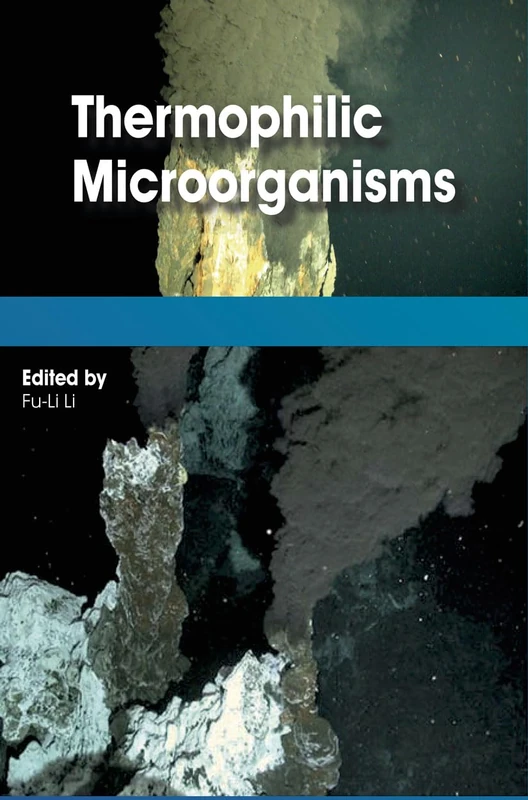
Thermophilic Microorganisms
Caister Academic Press Limited

Microbes from Hell
University of Chicago Press
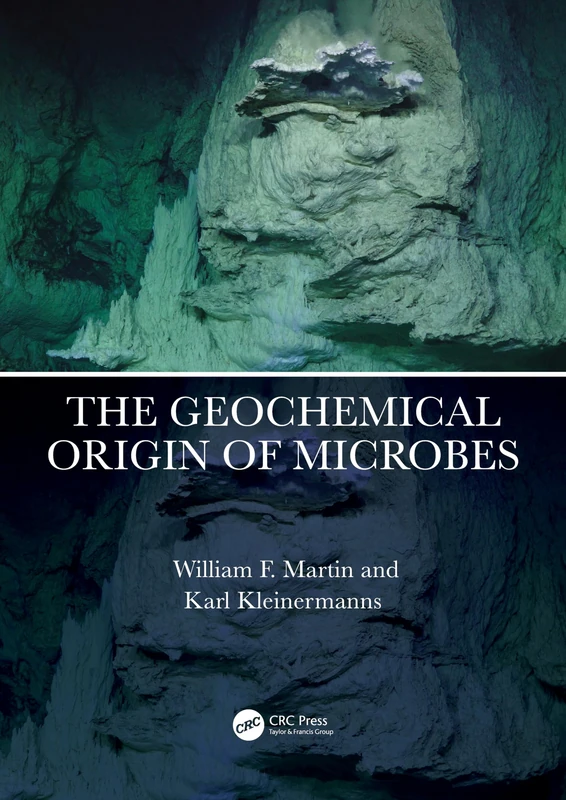
The Geochemical Origin of Microbes
CRC Press

AGU Diversity of Hydrothermal Systems - Monograph 188
Wiley
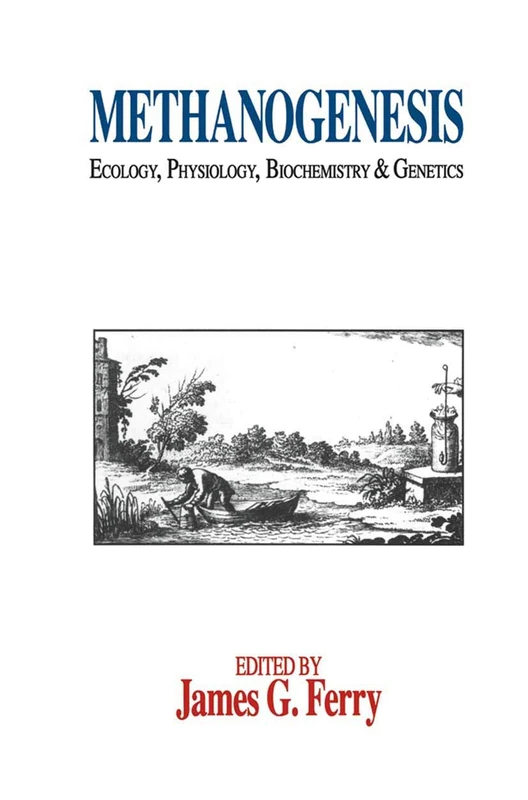
Methanogenesis: Ecology, Physiology, Biochemistry & Genetics (Chapman & Hall Microbiology Series)
Springer

Molecular Biology and Biotechnology of Extremophiles
Springer
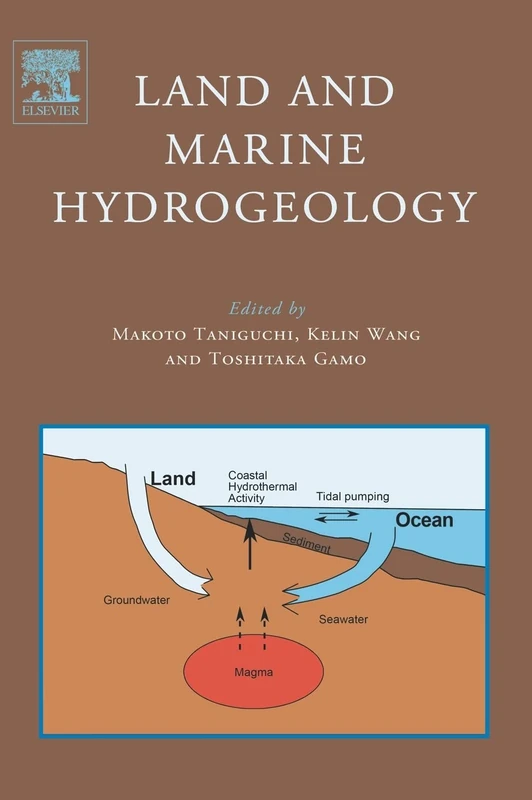
Land and Marine Hydrogeology
Elsevier
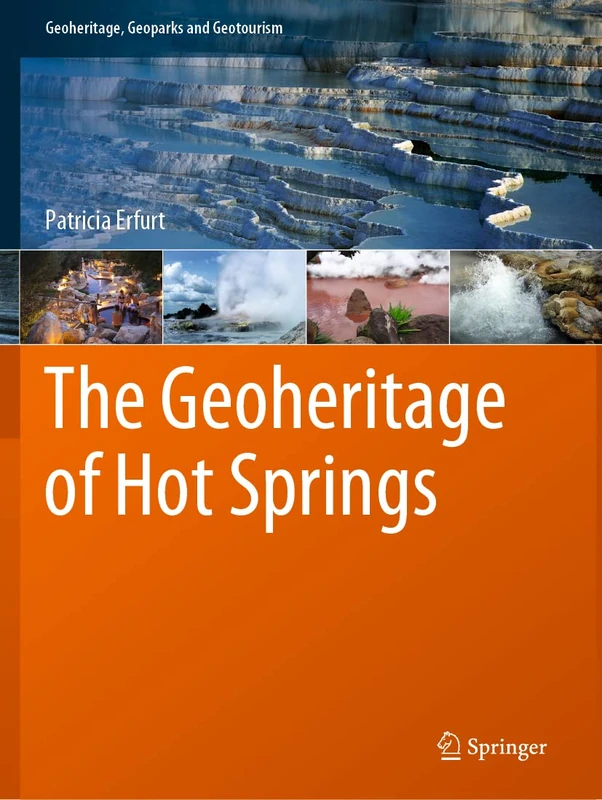
The Geoheritage of Hot Springs (Geoheritage, Geoparks and Geotourism)
Springer