We can't find the internet
Attempting to reconnect
Something went wrong
Hang in there while we get back on track
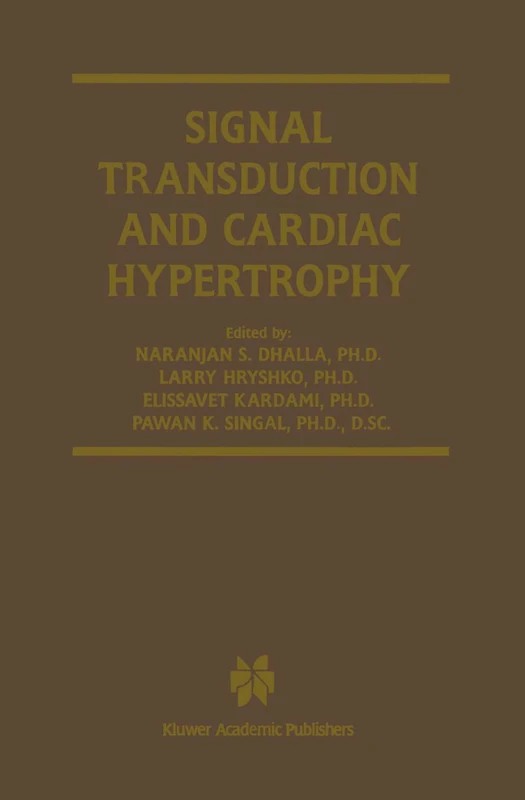
£147.91
About as cheap as it gets — within 5% of the all-time low it hit 1 month ago.
£148 today · all-time low £147 (Sep 2026) · usually £148
Springer Signal Transduction and Cardiac Hypertrophy: 7 (Progress in Experimental Cardiology, 7)
We'll watch every seller, every day. One email when your price arrives.
Price History & Forecast
Grey patches = out of stock. Cheaper = lower on the chart. Hover for exact prices.
Last 62 days · 62 data points (no recent data)
NEW HERE?
Amazon shows you one price. We show you all of them.
Tosheroon watches Amazon prices so you don't have to. Every product on Amazon has a price history — we make it visible. Set the price you'd actually pay, and we'll email you the second it gets there. No app, no account, one email.
WHAT'S ON THIS PAGE
when this has been cheap or pricey
where the price is heading next
all-time high & low, recent range
name your number, we'll email you
Price Distribution
Price distribution over 62 days • 4 price levels
Price Analysis
Most common price: £150 (30 days, 48.4%)
Price range: £147 - £150
Price levels: 4 different prices over 62 days
Description
Product Specifications
- Brand
- Springer
- Format
- paperback
- ASIN
- 1461350328
- Domain
- Amazon UK
- Publication Date
- 31 October 2012
- Listed Since
- 03 March 2013
Barcode
No barcode data available
Similar Products You Might Like
Functional Aspects of the Normal, Hypertrophied, and Failing Heart: 42 (Developments in Cardiovascular Medicine, 42)
Springer
Cardiomyocytes in Health and Disease
Springer
Heart Function in Health and Disease: Proceedings of the Cardiovascular Program sponsored by the Council of Cardiac Metabolism of the International ... in Cardiovascular Medicine, 140)
Springer

Molecular Defects in Cardiovascular Disease
Springer
Cardiac Adaptation to Hemodynamic Overload, Training and Stress
Springer

Left Ventricular Hypertrophy: Physiology versus Pathology: 223 (Developments in Cardiovascular Medicine)
Springer
The Ventricle: Basic and Clinical Aspects
Springer

Physiology and Pathophysiology of the Heart: 90 (Developments in Cardiovascular Medicine, 90)
Springer
Heart Function and Metabolism: Proceedings of the Symposium held at the Eighth Annual Meeting of the American Section of the International Society for Heart Research, July 8–11, 1986, Winnipeg, Canada
Springer
Cardiac Remodeling and Failure: 5 (Progress in Experimental Cardiology, 5)
Springer
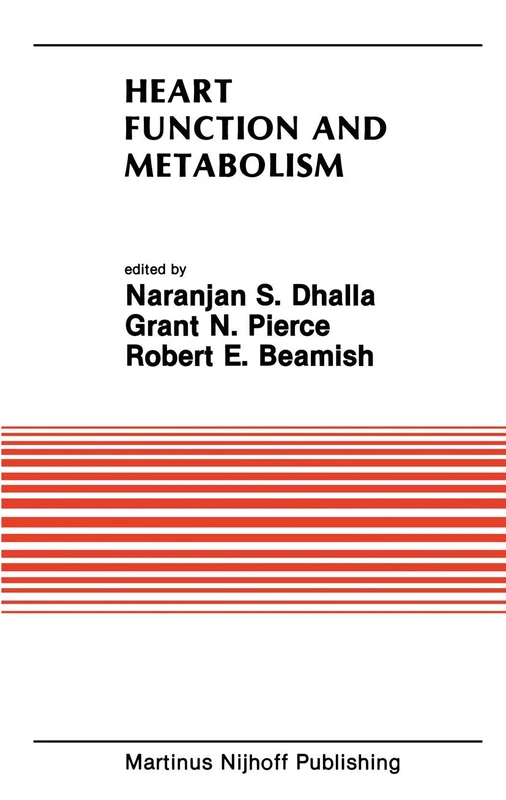
Heart Function and Metabolism: Proceedings of the Symposium held at the Eighth Annual Meeting of the American Section of the International Society for Heart Research, July 8–11, 1986, Winnipeg, Canada
Springer

Myocardial Failure: International Symposium, Rottach-Egern/Tegernsee, Germany, June 17-19, 1976 (International Boehringer Mannheim Symposia)
Springer

Cardiomyocytes – Active Players in Cardiac Disease
Springer
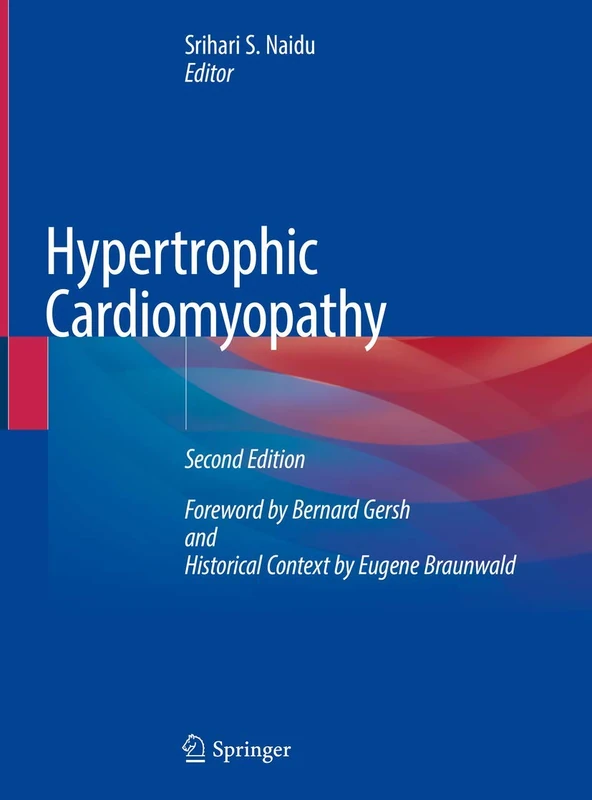
Hypertrophic Cardiomyopathy - Springer Medical Reference
Springer
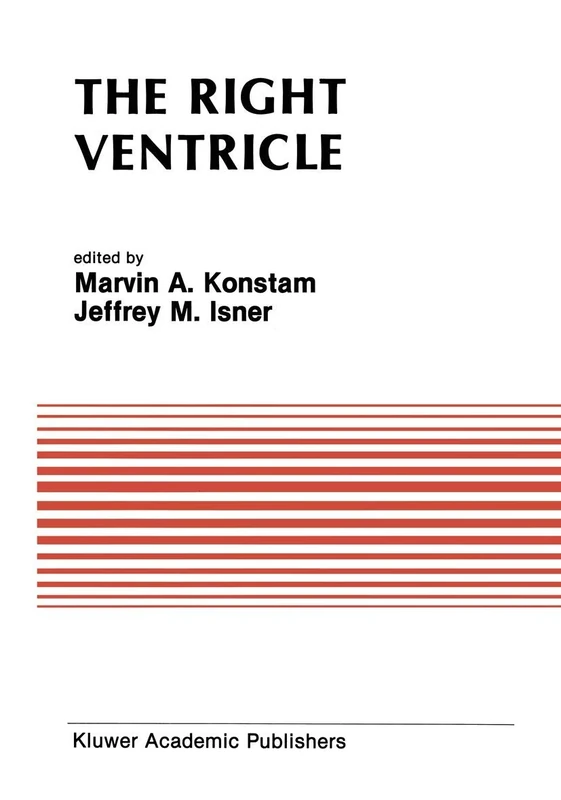
The Right Ventricle: 83 (Developments in Cardiovascular Medicine, 83)
Springer

Molecular Defects in Cardiovascular Disease
Springer
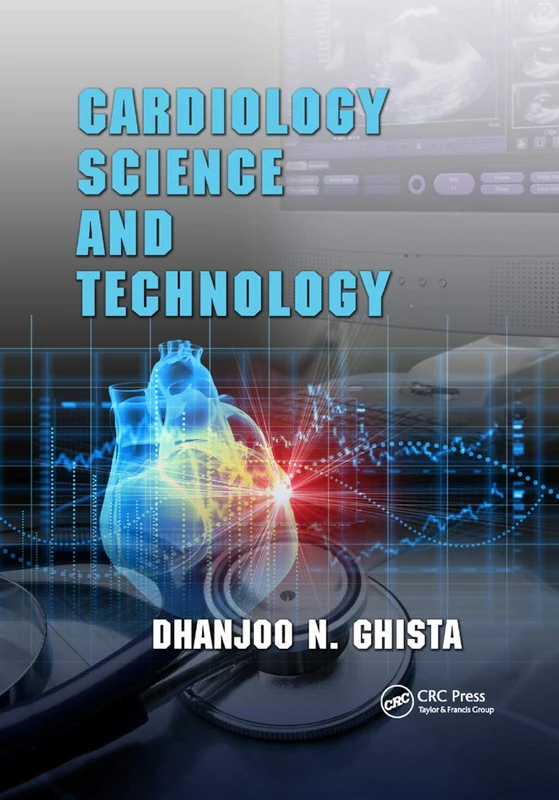
Cardiology Science and Technology
CRC Press

The Biology of Heart Disease (Cold Spring Harbor Perspectives in Medicine)
Cold Spring Harbor Laboratory Press
Sports Cardiology, An Issue of Cardiology Clinics: Volume 41-1 (The Clinics: Internal Medicine, Volume 41-1)
Elsevier

Adult and Pluripotent Stem Cells: Potential for Regenerative Medicine of the Cardiovascular System
Springer
Rare Cardiovascular Diseases, An Issue of Heart Failure Clinics: Volume 18-1 (The Clinics: Internal Medicine, Volume 18-1)
Elsevier

Herz und Kreislauf: Klinische Pathophysiologie
Springer
Analysis and Assessment of Cardiovascular Function
Springer
Cellular and Molecular Pathobiology of Cardiovascular Disease
Elsevier