We can't find the internet
Attempting to reconnect
Something went wrong
Hang in there while we get back on track
£92.22
This is the most expensive it has ever been. Walk away.
£92 today · previous high £92 · all-time low £92
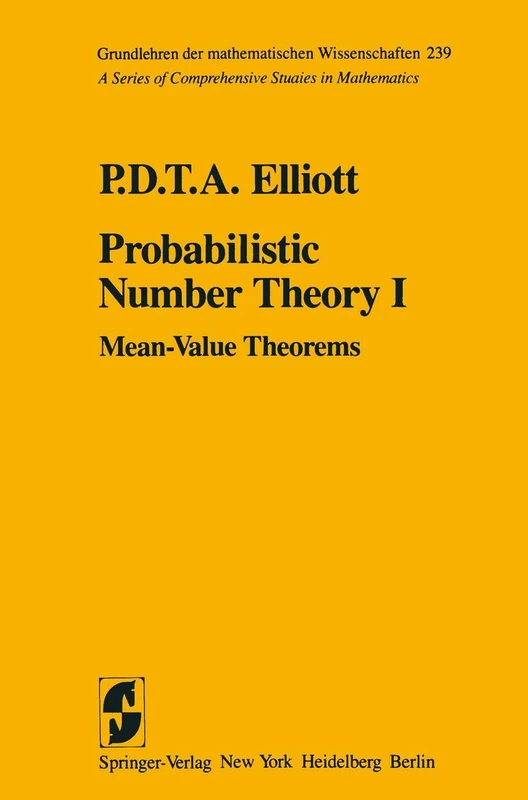
Springer Probabilistic Number Theory I: Mean-Value Theorems: 239 (Grundlehren der mathematischen Wissenschaften, 239)
We'll watch every seller, every day. One email when your price arrives.
Price History & Forecast
Grey patches = out of stock. Cheaper = lower on the chart. Hover for exact prices.
Last 80 days · 80 data points (no recent data)
NEW HERE?
Amazon shows you one price. We show you all of them.
Tosheroon watches Amazon prices so you don't have to. Every product on Amazon has a price history — we make it visible. Set the price you'd actually pay, and we'll email you the second it gets there. No app, no account, one email.
WHAT'S ON THIS PAGE
when this has been cheap or pricey
where the price is heading next
all-time high & low, recent range
name your number, we'll email you
Price Distribution
Price distribution over 80 days • 1 price levels
Price Analysis
Most common price: £92 (80 days, 100.0%)
Price range: £92 - £92
Price levels: 1 different prices over 80 days
Description
Product Specifications
- Brand
- Springer
- Format
- paperback
- ASIN
- 1461299918
- Domain
- Amazon UK
- Publication Date
- 06 November 2011
- Listed Since
- 21 December 2012
Barcode
No barcode data available
Similar Products You Might Like
Number Theory (Trends in Mathematics)
Birkhauser

The Prime Number Theorem: 53 (London Mathematical Society Student Texts, Series Number 53)
Cambridge University Press
Prime Numbers: A Computational Perspective
Springer

Bounded Gaps Between Primes: The Epic Breakthroughs of the Early Twenty-First Century
Cambridge University Press
The Distribution of Prime Numbers (Graduate Studies in Mathematics)
American Mathematical Society
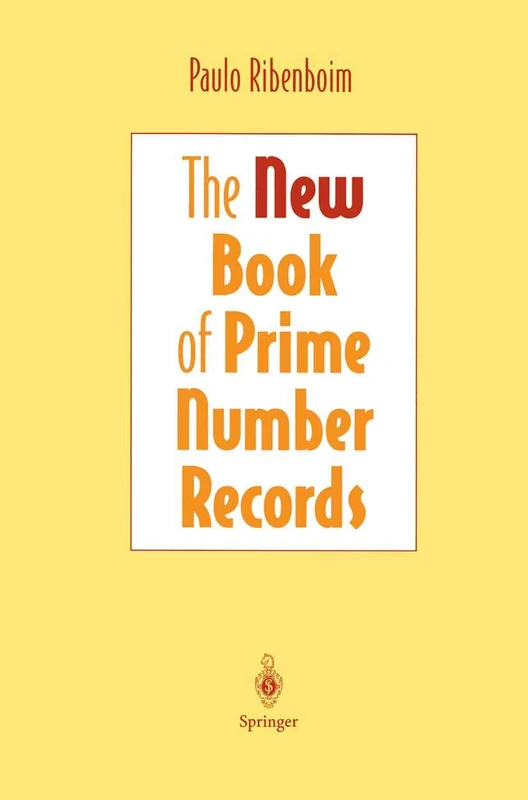
The New Book of Prime Number Records - Springer Mathematics
Springer

Prime-Detecting Sieves (LMS-33): 1 (London Mathematical Society Monographs)
Princeton University Press

Prime-Detecting Sieves (LMS-33): 1 (London Mathematical Society Monographs)
Princeton University Press
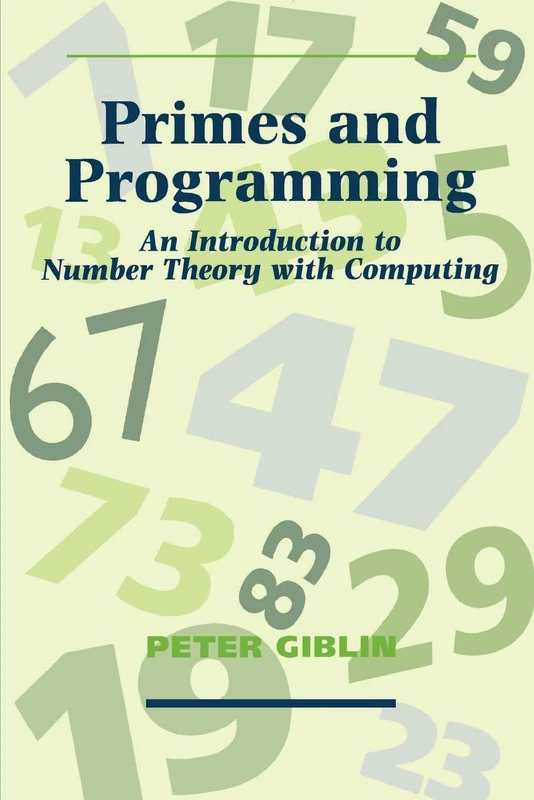
Primes and Programming: An Introduction to Number Theory with Computing
Cambridge University Press
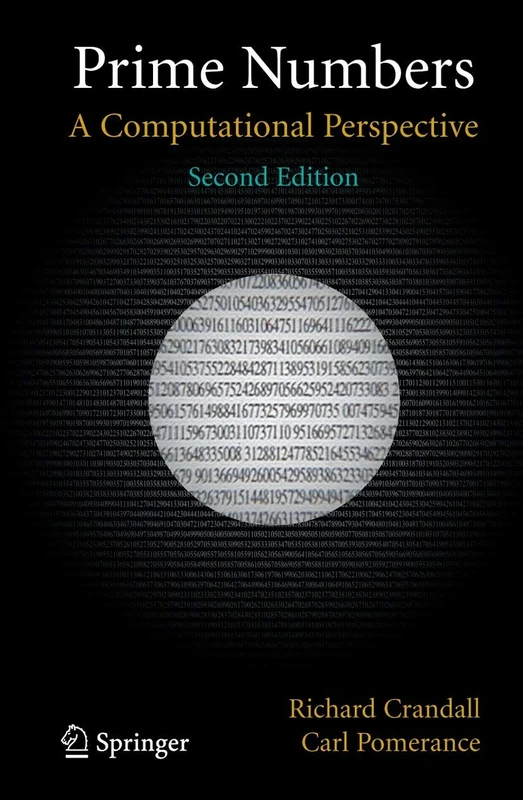
Springer Prime Numbers: A Computational Perspective Book
Springer
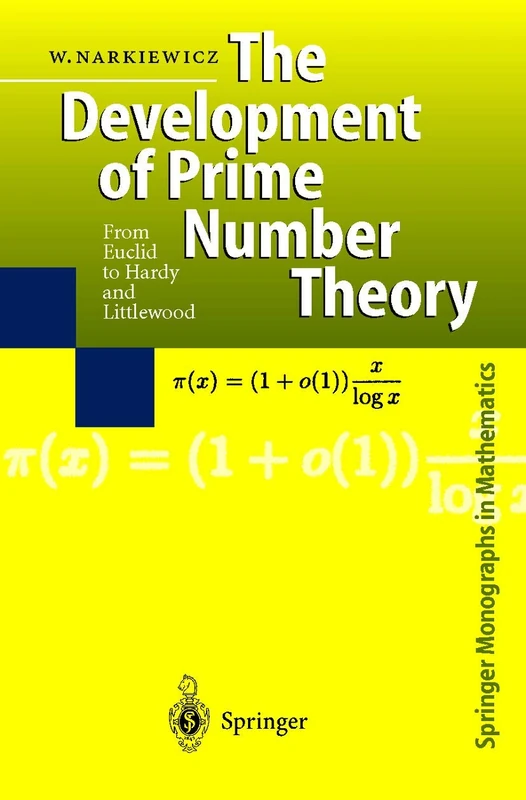
The Development of Prime Number Theory: From Euclid to Hardy and Littlewood (Springer Monographs in Mathematics)
Springer
Cambridge Multiplicative Number Theory I - Classical Theory
Cambridge University Press
Fundamental Number Theory with Applications - Discrete Mathematics
CRC Press
Springer - The Development of Prime Number Theory Book
Springer
Multiplicative Number Theory I: Classical Theory: 97 (Cambridge Studies in Advanced Mathematics, Series Number 97)
Cambridge University Press
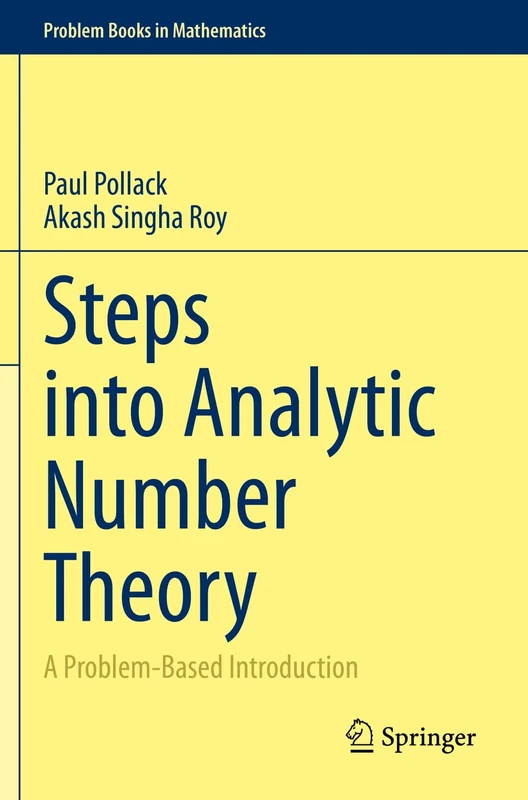
Steps into Analytic Number Theory: A Problem-Based Introduction (Problem Books in Mathematics)
Springer
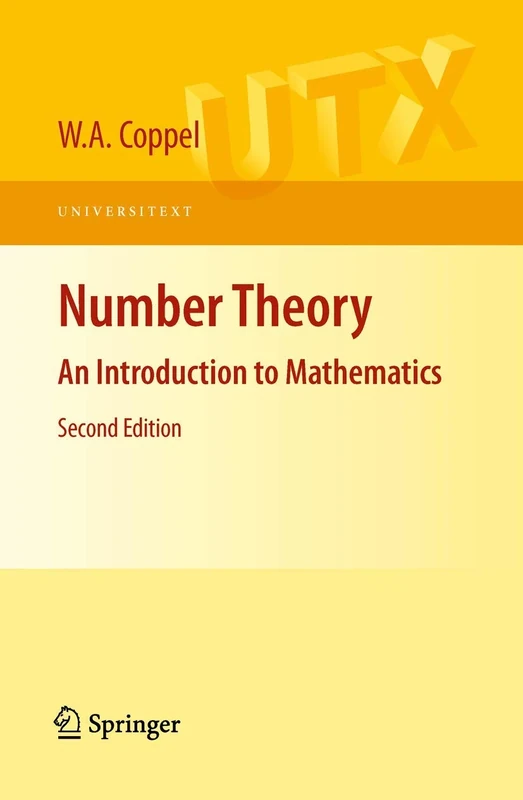
Number Theory: An Introduction to Mathematics (Universitext)
Springer

Primality Testing in Polynomial Time: From Randomized Algorithms to "PRIMES Is in P": 3000 (Lecture Notes in Computer Science, 3000)
Springer
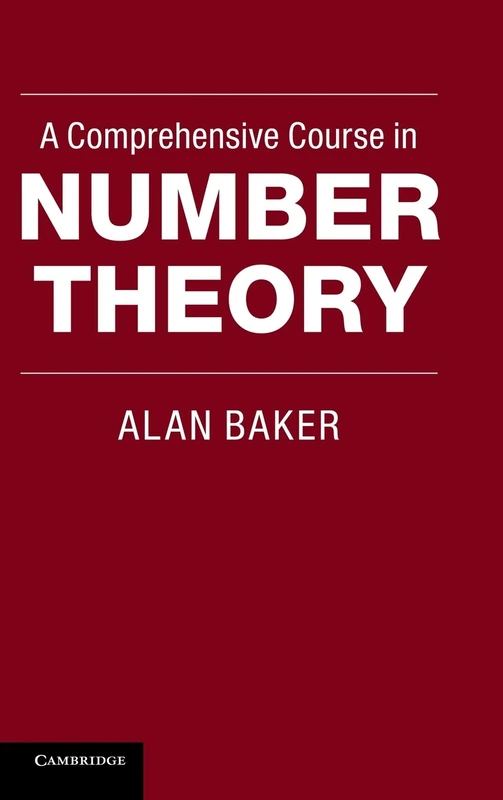
Cambridge University Press - A Comprehensive Course in Number Theory
Cambridge University Press
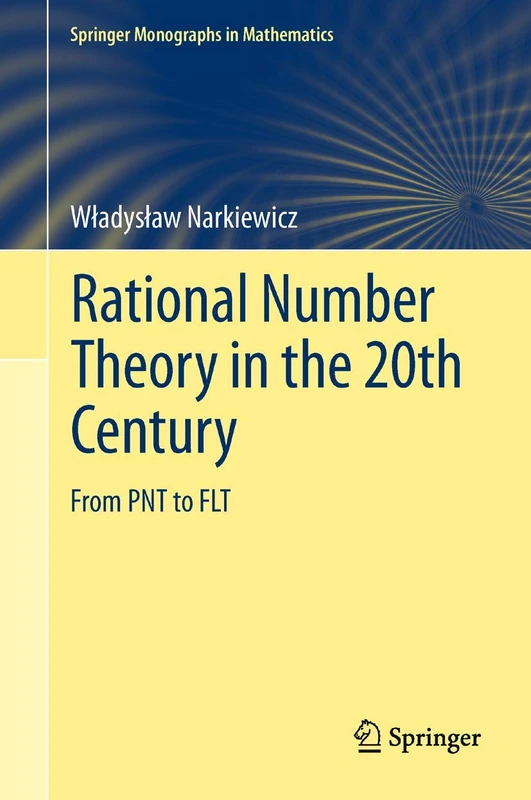
Rational Number Theory in the 20th Century: From PNT to FLT (Springer Monographs in Mathematics)
Springer
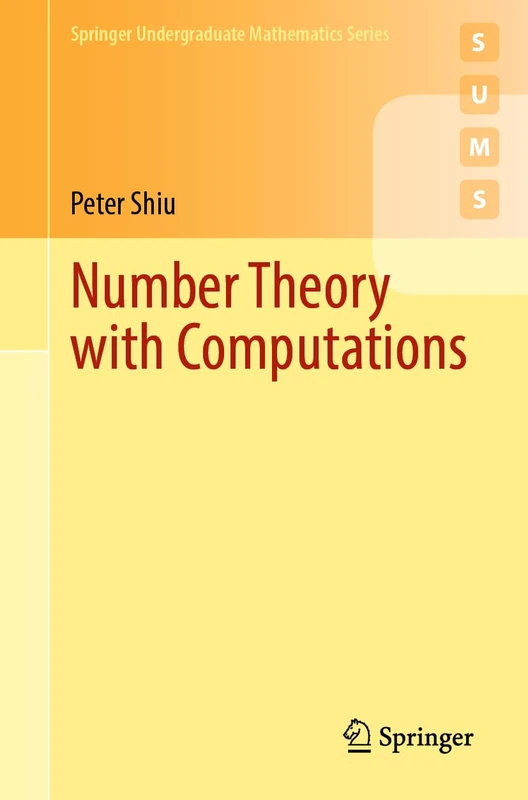
Number Theory with Computations (Springer Undergraduate Mathematics Series)
Springer
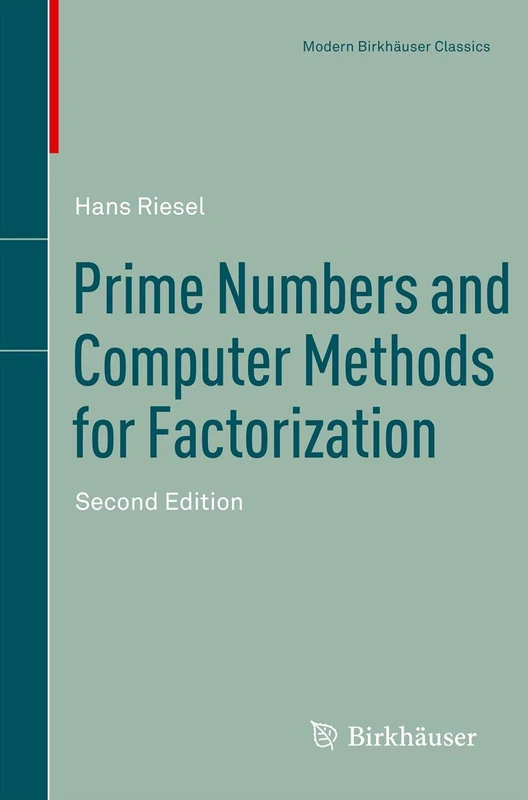
Prime Numbers and Computer Methods for Factorization (Modern Birkhäuser Classics)
Birkhauser

World Scientific Perfect and Amicable Numbers Math Book
World Scientific Publishing Company

Introduction to Analytic and Probabilistic Number Theory (Graduate Studies in Mathematics)
American Mathematical Society