We can't find the internet
Attempting to reconnect
Something went wrong
Hang in there while we get back on track
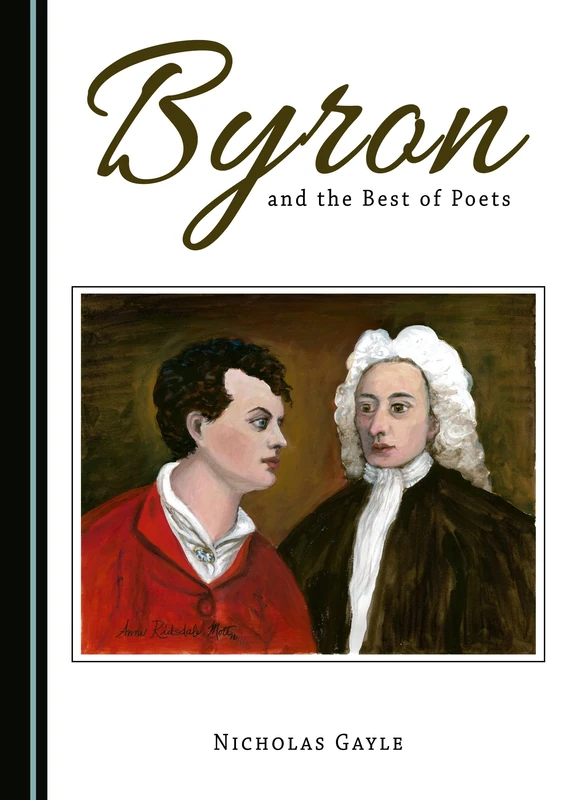
£52.99
Cambridge Scholars Publishing Byron and the Best of Poets
Price data checked 5 days ago
We'll watch every seller, every day. One email when your price arrives.
It has never been this cheap. We have no record of a lower price.
£53 today · cheaper than every other day in the last 3 months
NEW HERE?
Amazon shows you one price. We show you all of them.
Tosheroon watches Amazon prices so you don't have to. Every product on Amazon has a price history — we make it visible. Set the price you'd actually pay, and we'll email you the second it gets there. No app, no account, one email.
WHAT'S ON THIS PAGE
when this has been cheap or pricey
where the price is heading next
all-time high & low, recent range
name your number, we'll email you
Price History & Forecast
Grey patches = out of stock. Cheaper = lower on the chart. Hover for exact prices.
Last 86 days · 86 data points (no recent data)
Price Distribution
Price distribution over 86 days • 1 price levels
Price Analysis
Most common price: £53 (86 days, 100.0%)
Price range: £53 - £53
Price levels: 1 different prices over 86 days
Description
Product Specifications
- Format
- hardcover
- ASIN
- 1443895369
- Domain
- Amazon UK
- Release Date
- 15 July 2016
- Listed Since
- 01 July 2016
Barcode
No barcode data available
Similar Products You Might Like
The Oxford History of Poetry in English: Volume 5. Seventeenth-Century British Poetry
Oxford University Press
Our Savage Art: Poetry and the Civil Tongue
Columbia University Press
Essays on Byron in Honour of Dr Peter Cochran: Breaking the Mould
Cambridge Scholars Publishing
Spenser and Ovid by Syrithe Pugh - Routledge Academic Book
Routledge
The Split World of Gerard Manley Hopkins: An Essay in Semiotic Phenomenology
Catholic University of America Press
John Gower in England and Iberia: Manuscripts, Influences, Reception
Boydell Press
Reading Poetry
Manchester University Press
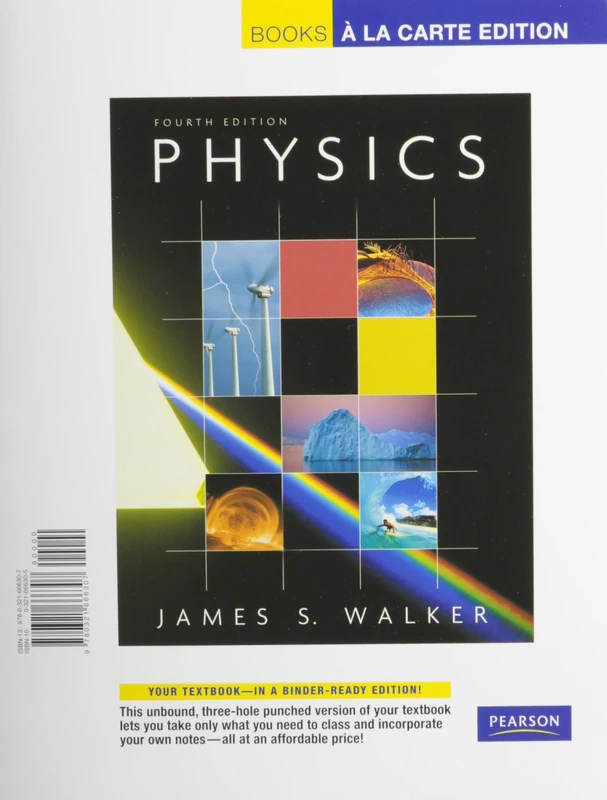
The Heath Introduction to Literature
WADSWORTH
British Literature 1640-1789: A Critical Reader (Blackwell Critical Reader)
Wiley-Blackwell
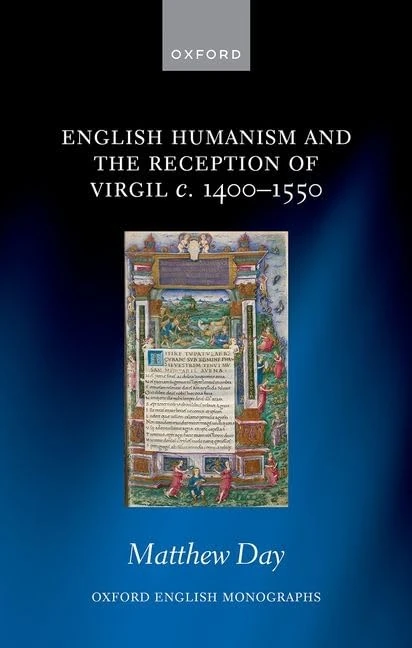
English Humanism and the Reception of Virgil c. 1400-1550 (Oxford English Monographs)
Oxford University Press
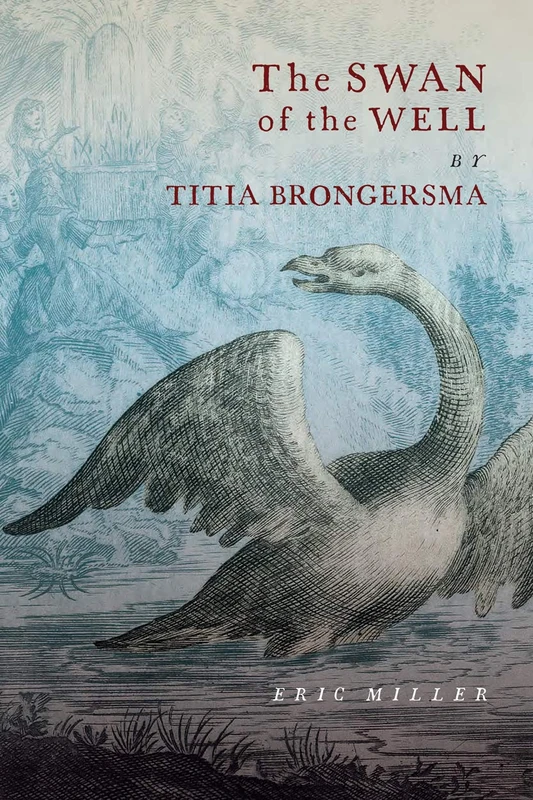
The Swan of the Well by Titia Brongersma
McGill-Queen's University Press
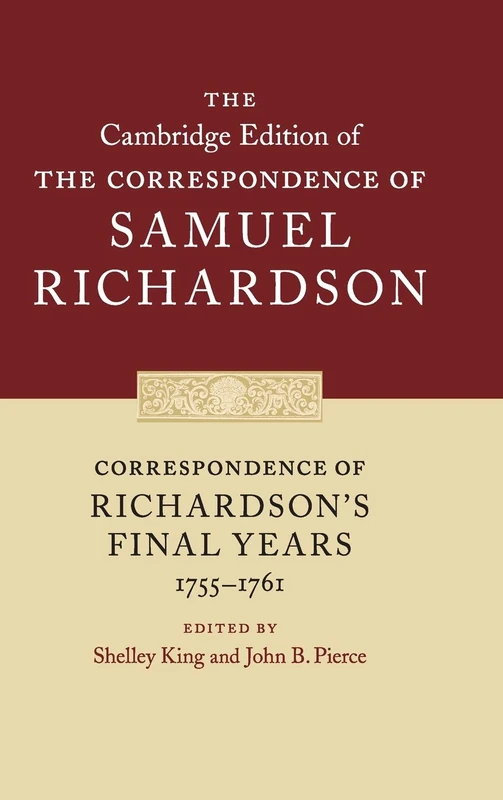
Correspondence of Richardson's Final Years (1755–1761): 11 (The Cambridge Edition of the Correspondence of Samuel Richardson, Series Number 11)
Cambridge University Press
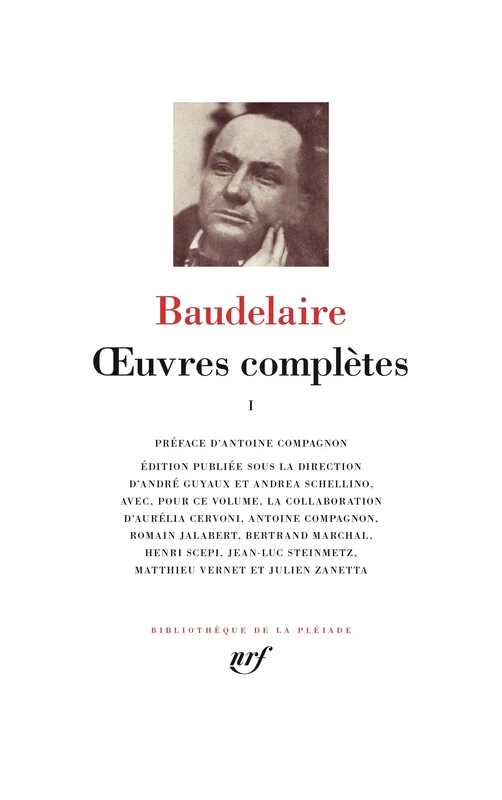
Œuvres complètes (1): Tome 1
GALLIMARD
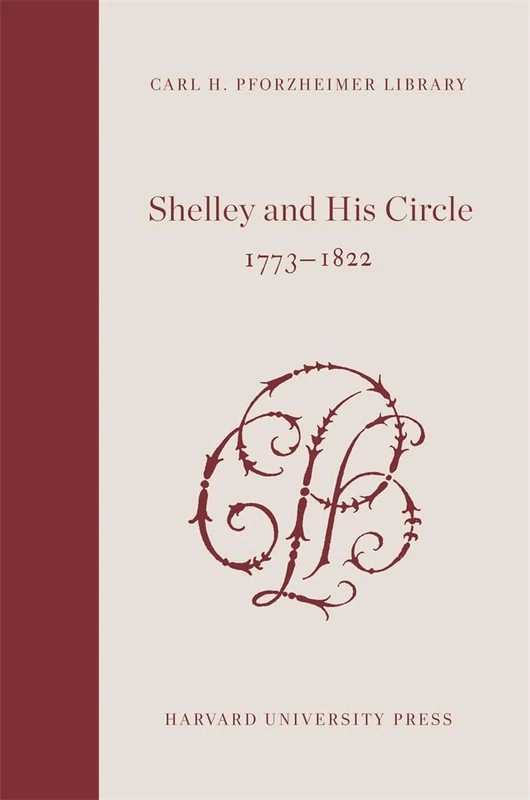
Shelley and His Circle, 1773-1822: Vol 7 & 8 - Harvard Press
Harvard University Press
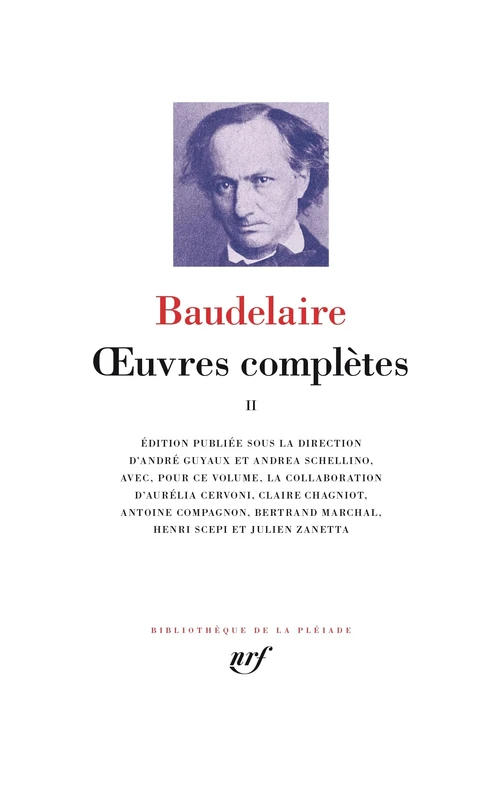
Œuvres complètes (2): Tome 2
GALLIMARD
Baudelaire Contra Benjamin (Politics, Literature, & Film): A Critique of Politicized Aesthetics and Cultural Marxism
Lexington Books
Into the Heart of European Poetry
Routledge
Boydell Press - Francois Villon in English Poetry (Medievalism 15)
Boydell Press
W.B. Yeats, Ezra Pound, and the Poetry of Paradise
Routledge
The Princeton Handbook of Poetic Terms – Third Edition
Princeton University Press
Sociologies of Poetry Translation: Emerging Perspectives (Bloomsbury Advances in Translation)
Bloomsbury

The Poem Electric: Technology and the American Lyric
University of Minnesota Press
CGP GCSE English AQA Poetry Guide - Love and Relationships
Coordination Group Publications Ltd (CGP)
Latin and Vernacular Poets of the Middle Ages (Variorum Collected Studies)
Routledge