We can't find the internet
Attempting to reconnect
Something went wrong
Hang in there while we get back on track
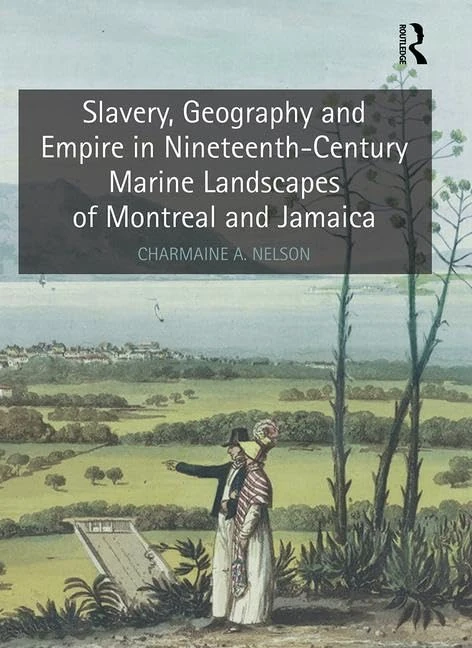
£154.93
It has never been this cheap. We have no record of a lower price.
£155 today · cheaper than every other day in the last 3 months
Routledge Slavery, Geography and Empire in Nineteenth-Century Marine Landscapes of Montreal and Jamaica
We'll watch every seller, every day. One email when your price arrives.
Price History & Forecast
Grey patches = out of stock. Cheaper = lower on the chart. Hover for exact prices.
Last 76 days · 76 data points (no recent data)
NEW HERE?
Amazon shows you one price. We show you all of them.
Tosheroon watches Amazon prices so you don't have to. Every product on Amazon has a price history — we make it visible. Set the price you'd actually pay, and we'll email you the second it gets there. No app, no account, one email.
WHAT'S ON THIS PAGE
when this has been cheap or pricey
where the price is heading next
all-time high & low, recent range
name your number, we'll email you
Price Distribution
Price distribution over 76 days • 1 price levels
Price Analysis
Most common price: £155 (76 days, 100.0%)
Price range: £155 - £155
Price levels: 1 different prices over 76 days
Description
Product Specifications
- Brand
- Routledge
- Format
- hardcover
- ASIN
- 1409468917
- Domain
- Amazon UK
- Release Date
- 27 April 2016
- Listed Since
- 24 April 2015
Barcode
No barcode data available
Similar Products You Might Like
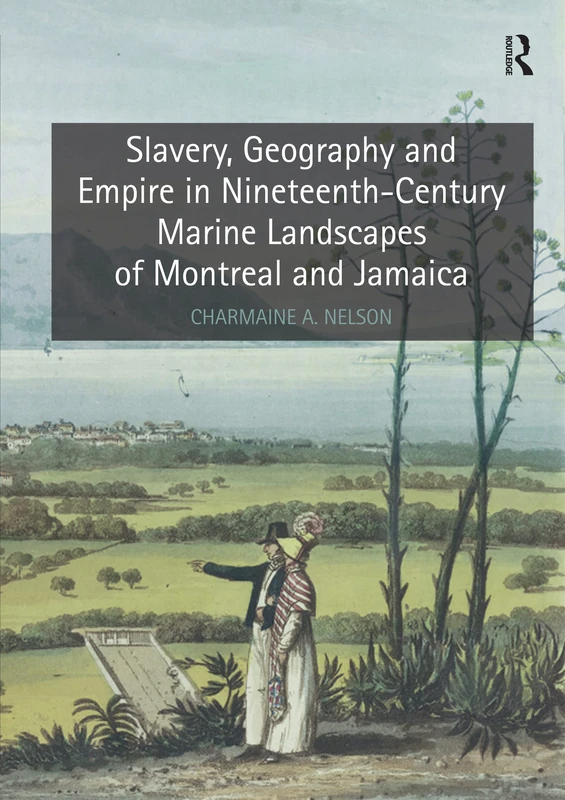
Slavery, Geography and Empire in Nineteenth-Century Marine Landscapes of Montreal and Jamaica
Routledge
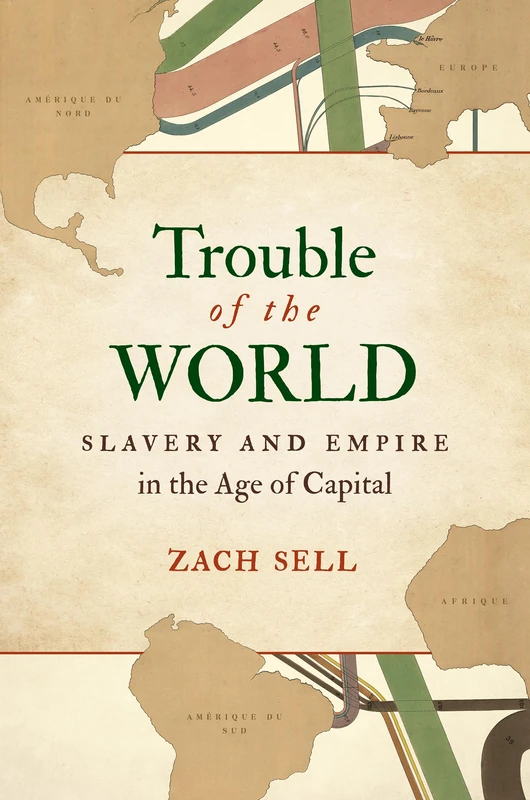
Trouble of the World: Slavery and Empire in the Age of Capital
University of North Carolina Press

The Horrible Gift of Freedom: Atlantic Slavery and the Representation of Emancipation (Race in the Atlantic World 1700-1900)
University of Georgia Press
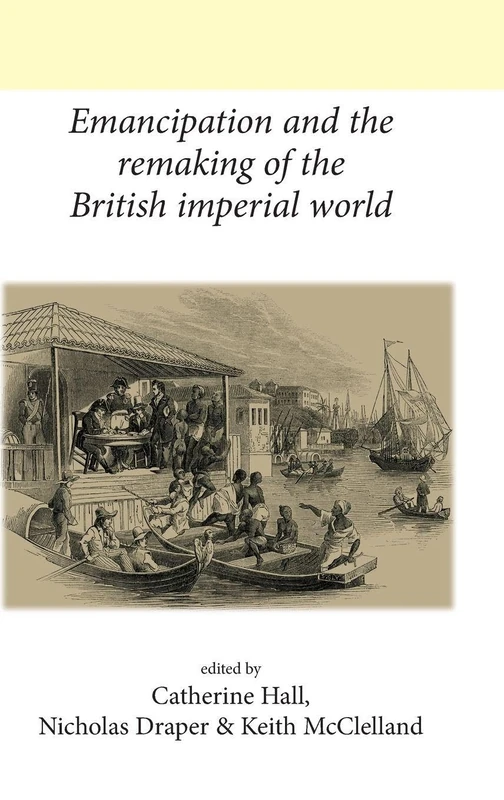
Emancipation and the Remaking of the British Imperial World (Neale UCL Studies in British History)
Manchester University Press

Cultural Heritage and Slavery: Perspectives from Europe: 10 (Dependency and Slavery Studies, 10)
De Gruyter
Anti-Slavery and Australia: No Slavery in a Free Land? (Empire and the Making of the Modern World, 1650-2000)
Routledge
Distant Freedom: St Helena and the Abolition of the Slave Trade, 1840-1872 (Liverpool Studies in International Slavery): 10
Liverpool University Press
Envoys of Abolition - British Naval History Book
Liverpool University Press
Faces of Perfect Ebony: Encountering Atlantic Slavery in Imperial Britain (Harvard Historical Studies): 175
Harvard University Press
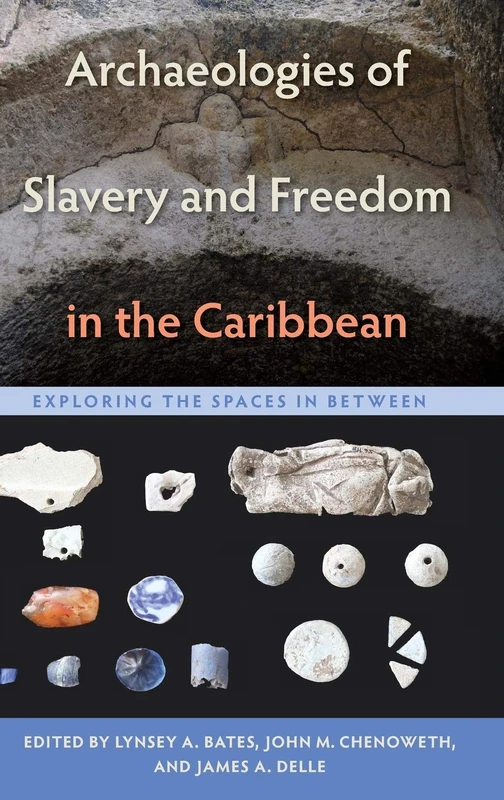
Archaeologies of Slavery and Freedom in the Caribbean: Exploring the Spaces in Between (Florida Museum of Natural History: Ripley P. Bullen Series)
University of Florida Press
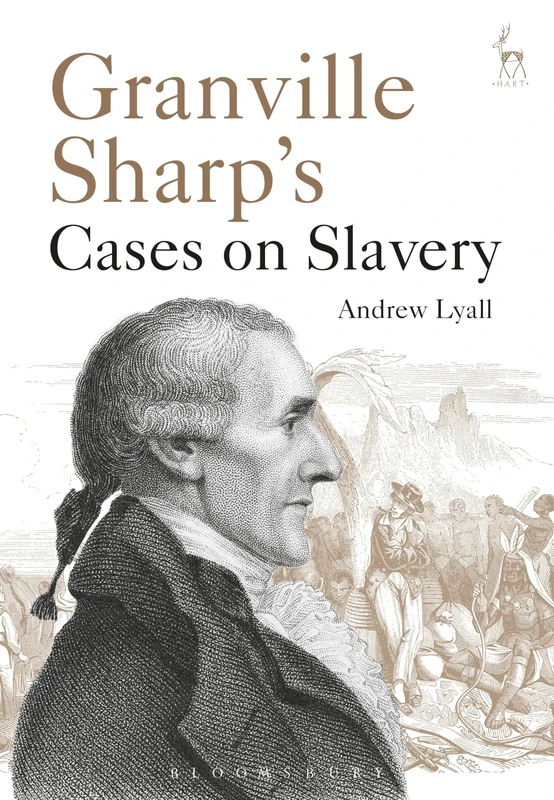
Granville Sharp's Cases on Slavery
Bloomsbury
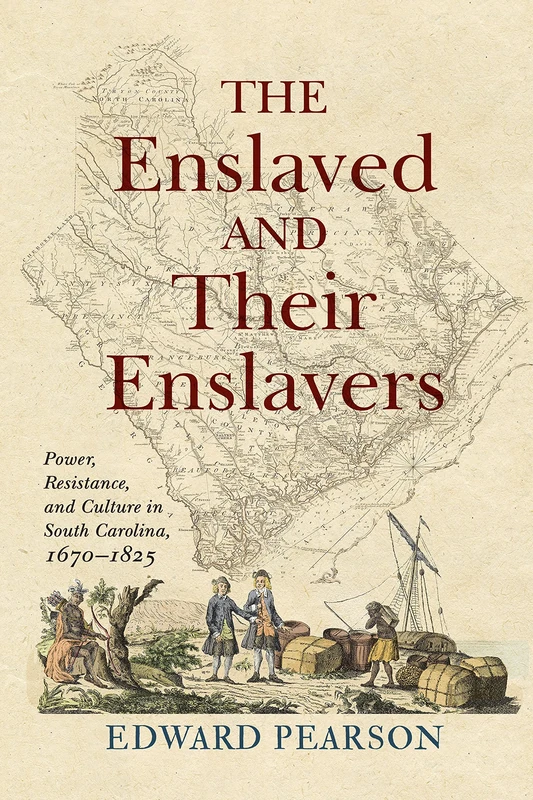
The Enslaved and Their Enslavers: Power, Resistance, and Culture in South Carolina, 1670–1825
University of Pennsylvania Press
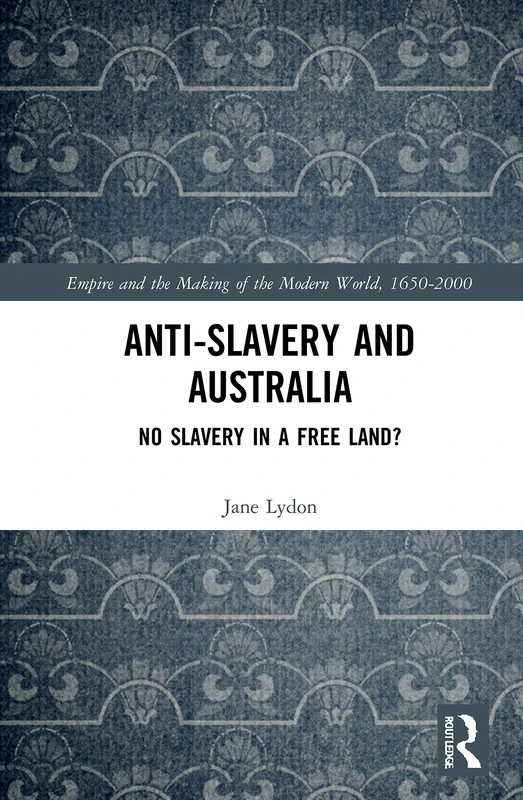
Anti-Slavery and Australia: No Slavery in a Free Land? (Empire and the Making of the Modern World, 1650-2000)
Routledge
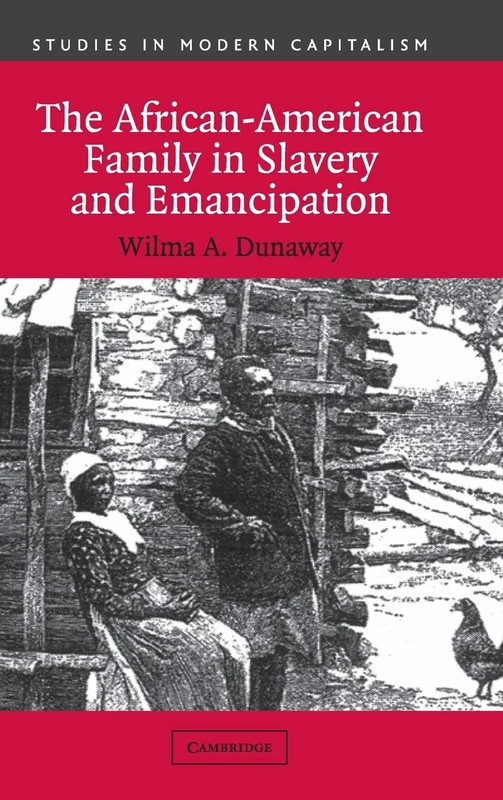
The African-American Family in Slavery and Emancipation (Studies in Modern Capitalism)
Cambridge University Press
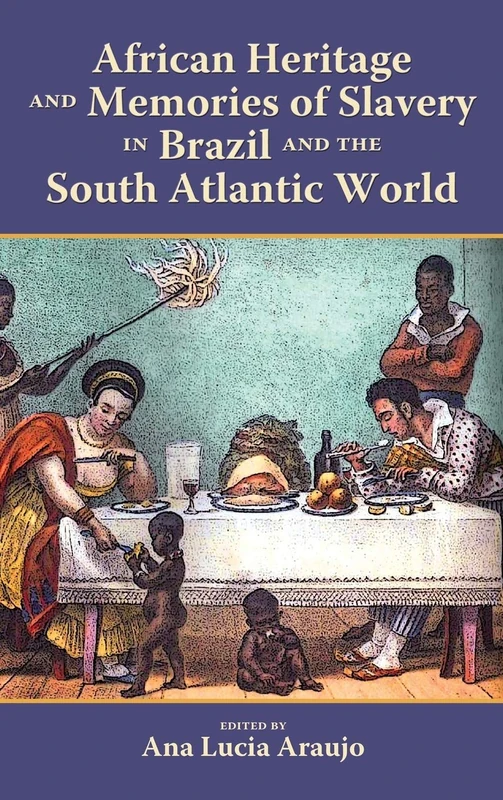
African Heritage and Memories of Slavery in Brazil and the South Atlan
Cambria Press
Representing Enslavement and Abolition in Museums: Ambiguous Engagements (Routledge Research in Museum Studies)
Routledge
Representing Enslavement and Abolition in Museums: Ambiguous Engagements (Routledge Research in Museum Studies)
Routledge

Slavery Obscured: The Social History of the Slave Trade in an English Provincial Port (The Transatlantic Slave Trade: Bloomsbury Academic Collections)
Bloomsbury
The Slave Ship, Memory and the Origin of Modernity (Memory Studies: Global Constellations)
Routledge
Commercial Agriculture, the Slave Trade and Slavery in Atlantic Africa
James Currey
Slavery and the Politics of Place: Representing the Colonial Caribbean, 1770–1833: 108 (Cambridge Studies in Romanticism, Series Number 108)
Cambridge University Press
The Sounds of Silence: Nineteenth-Century Portugal and the Abolition of the Slave Trade: 4 (European Expansion & Global Interaction, 4)
Berghahn Books
Scarlet and Black (3 volume set)
Rutgers University Press
Zachary Macaulay 1768-1838: The Steadfast Scot in the British Anti-Slavery Movement (Liverpool Studies in International Slavery): 5
Liverpool University Press